




Eldridge Cleaver's Prison Conversion
Black Panther leader Eldridge Cleaver converts to Christianity while in prison and writes of the change.
FaithTap · Sep 23, 2026 · 11 min read
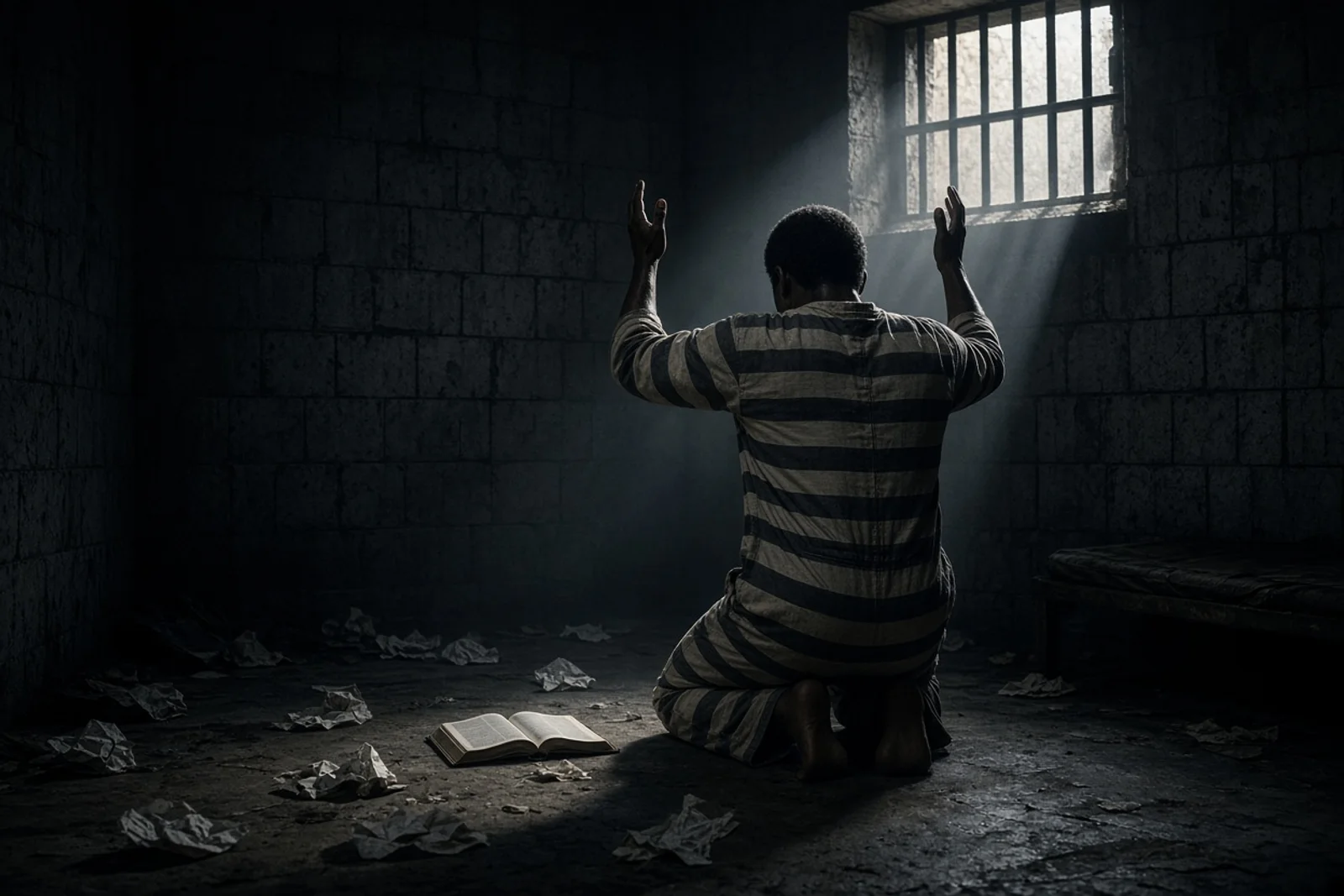
The door to Fellowship House opened on a Saturday evening in the spring of 1976 and Eldridge Cleaver walked through it with his wife at his side. Chuck Colson met them at the threshold, hand extended, and Cleaver took it without hesitation. Eleven inmates already sat at the long table upstairs. One of them was me.
We had been told only that a new Christian wanted to eat with us before his television appearance the next morning. The smell of roast chicken and rolls drifted down the stairwell. Colson had mentioned nothing about the second guest until we heard the second set of footsteps.
Tommy Tarrants came in last. He had been out of the Mississippi prison for the first time in seven years on a governor’s furlough. The same man who once built bombs for the White Knights now moved with a slight limp from old bullet wounds. He took the chair directly across from Cleaver.
Cleaver’s return to the United States had come the year before. He had spent eight years abroad after the 1968 Oakland gunfight, living first in Cuba, then Algeria, then France. In a Paris apartment during a stretch of sleepless nights he opened a Bible and kept reading. The depression that had followed him across borders began to lift. He decided to come home and stand trial.
Inside the Alameda County jail the visits started. A former Panther who had already turned to faith came more than once. White ministers arrived as well. Cleaver listened. The bail was posted at one hundred thousand dollars, raised by businessmen none of us had met. He was free on the condition he appear in court.
At the table that night the conversation moved in short bursts between bites. Cleaver spoke of the black church he had once dismissed and now saw differently. He said the old habit of writing it off as a tool of the masters no longer held. Tarrants listened without interrupting. When the plates were cleared, Tarrants described the solitary cell where he had moved from extremist pamphlets to philosophy to the Gospels. Neither man raised his voice.
I watched Cleaver’s hands on the tablecloth. They stayed still. In the years before France those same hands had held the party’s Ten-Point Program and later a rifle during the shoot-out that left him wounded. The man across from him had once hated every face like Cleaver’s. Both now claimed the same book had stopped the old trajectories.
After the meal Colson led everyone into the main room. Cleaver was scheduled for Meet the Press the next day. He asked Tarrants a single question about how the prison guards had reacted to the change in him. Tarrants answered that the guards noticed first, then the other inmates. Cleaver nodded as if the answer matched something he had already seen in his own cell.
The group broke up near midnight. Tarrants returned to Mississippi the following week to finish his sentence. Cleaver kept his court dates. The charges from 1968 were eventually resolved without a long additional term. He began accepting speaking invitations from churches, more of them white than black at first. Some old associates called him an agent. Black ministers largely stayed away. The white ones kept coming.