




Graham Greene's Conversion While Traveling
Author Graham Greene converts to Catholicism to marry and later writes publicly of his faith journey.
FaithTap · Sep 25, 2026 · 11 min read
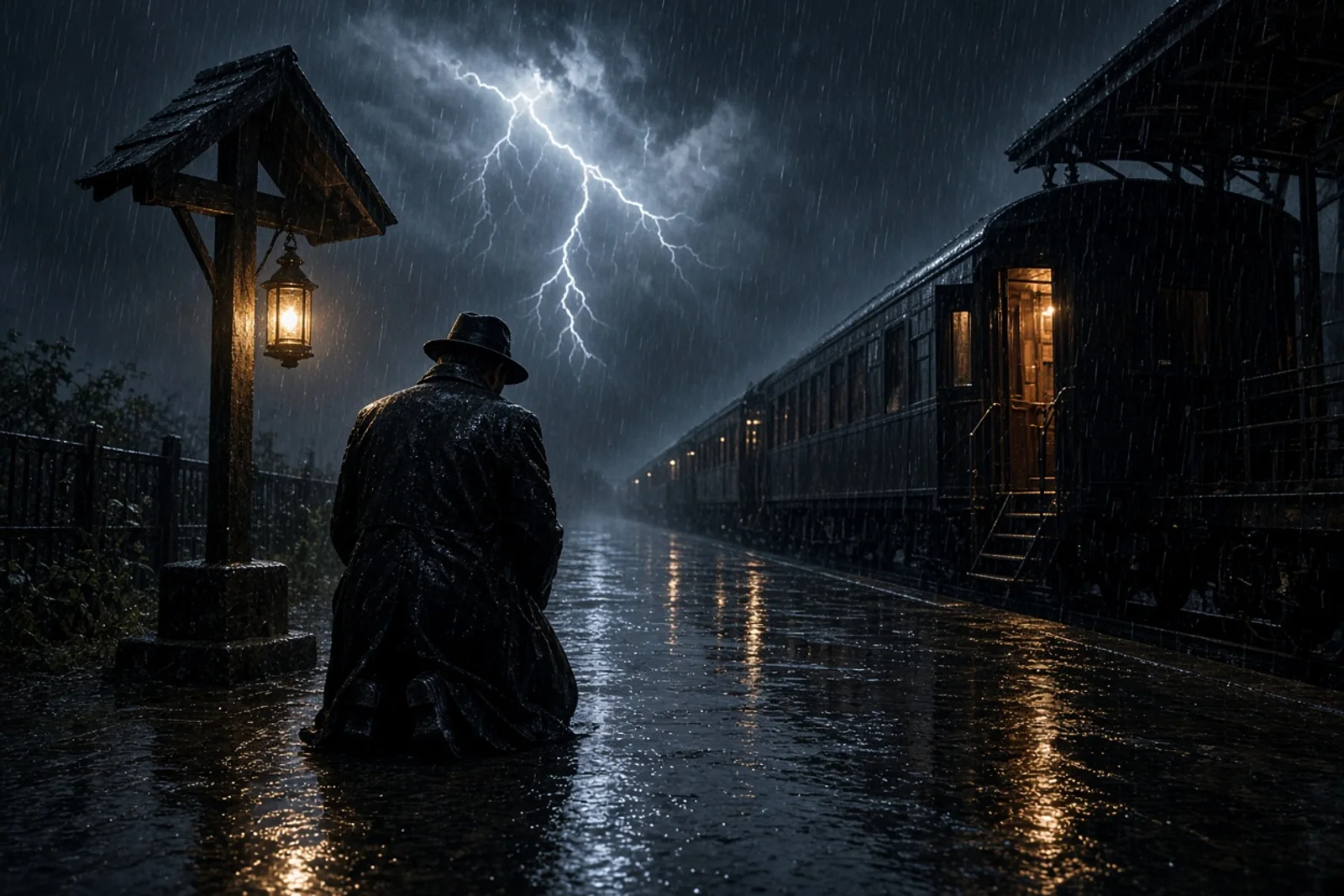
The tram lurched on the wet rails toward the outer suburbs, its upper deck empty except for the two men and the rain that streaked the windows. I had come along because the editor wanted copy on a parish boundary dispute and Trollope had offered to show me the ground. Greene sat opposite, notebook open on his knee, saying little. He watched the priest’s hands as they moved over the damp pages of a small black book, marking places with a blunt finger.
Trollope had been an actor once. The only sign left was the way he paused before certain sentences, as though testing their weight on a stage. He spoke of Josephus and the dates of the Gospels while the tram swayed. Greene asked short questions, never the same one twice. When the tram reached the end of the line we walked the last streets to the convent. The parlour smelled of pitch pine and wet wool.
Vivien had corrected him on a single word in print. That was how it began. He told me once, months later, that he had written “worship” where the proper term was something narrower. The letter she sent back was precise. He kept it. After that the dinners and the walks became arguments about what could be known and what could only be held. He wanted the marriage. She would not have it without the Church. So he began the lessons.
He still wrote for the paper, late nights at the desk, cigarettes burned to the tips. The other reporters noticed he no longer joined the usual talk after closing time. Some mornings he arrived with the same shirt, the cuffs damp from the walk back from the presbytery. Trollope never pressed. He simply set out the next point and waited. Greene fought each one on paper first, then aloud on the tram.
One afternoon the rain kept us inside the parlour longer than usual. Trollope had to catch another tram south. Greene stayed behind, staring at the empty grate. He said nothing about God that day. He spoke instead of the school he had left and the six months with the analyst. The words came out flat, as if he were filing a routine paragraph. I wrote nothing down.
By winter the instruction had moved past the historical questions. Greene still attended, but the notebook stayed closed. He walked the streets after the sessions, sometimes until the lamps came on. The editor complained once about missed deadlines. Greene finished the piece anyway, handed it in without comment, and left for the cathedral again.
February was raw and short of light. The reception took place on a weekday afternoon when the nave was nearly empty. Trollope stood with him at the side altar. I waited near the door because Greene had asked me to bring a copy of the paper for the priest afterward. No one raised their voice. The words were the ordinary ones. When it was finished Greene shook hands with Trollope, collected his coat, and walked out into the street without looking back at the building.
He married Vivien that autumn. The paper transferred him soon after. I saw him once more before he left, outside the same presbytery, waiting for Trollope again. He carried no notebook this time. He said the instruction had ended but he still had questions that arrived at inconvenient hours. Then he asked whether I had kept any of the tram tickets. I had not.
Years later his books began to arrive at the office. The first ones carried no inscription. One of them mentioned a tram ride in passing, a detail no one else would have noticed. I read it on the same upper deck, the rain still streaking the glass. The priest had died by then. Vivien lived on in the house they had made after the wedding. Greene kept moving, always with the same small black book in his case, the pages marked now in his own hand.