




Healing of Anne-Marie Ménage at Lourdes
Tuberculous peritonitis cured
FaithTap · Oct 6, 2026 · 11 min read
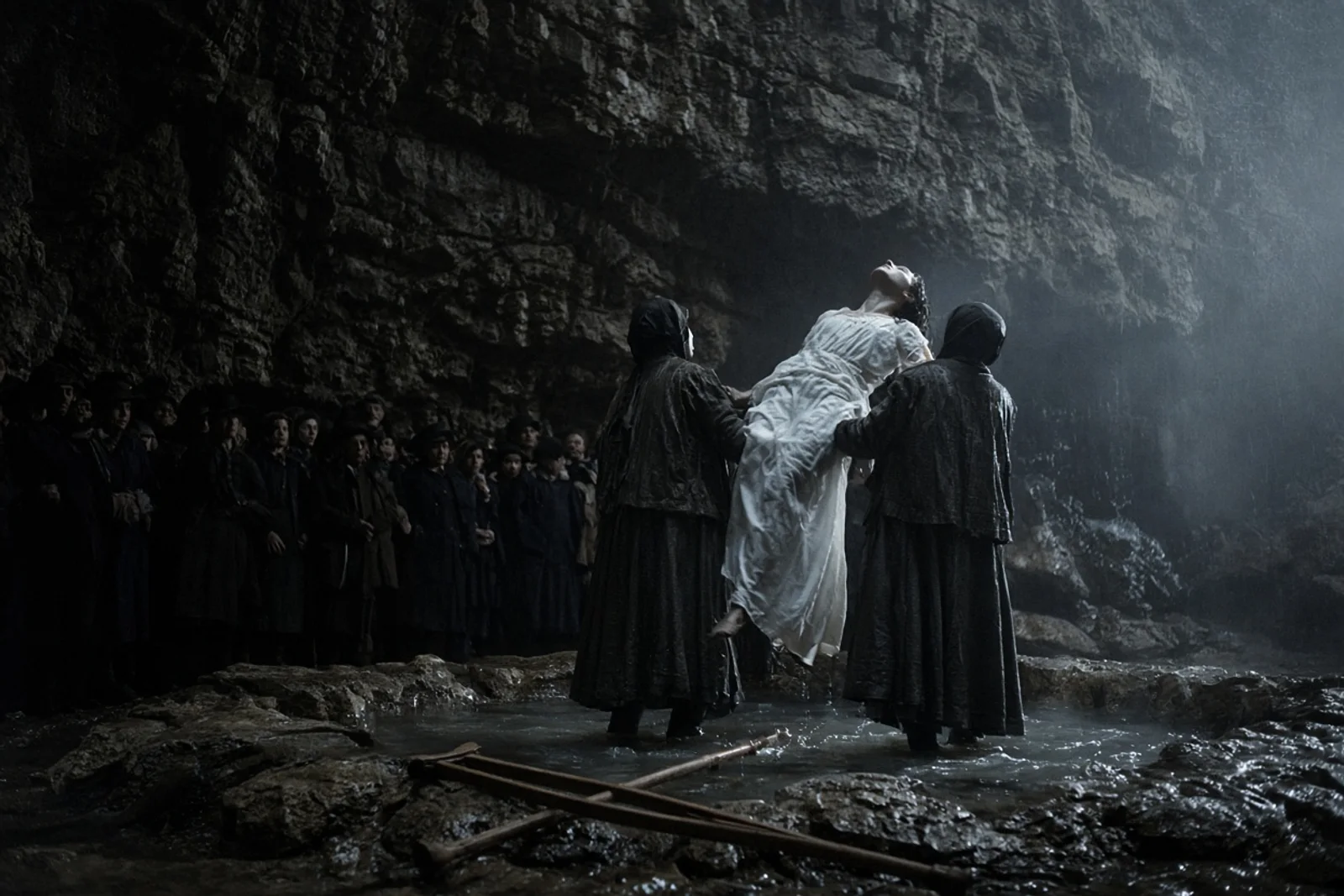
The train from Marseille had rattled through the night with the sick in the forward cars and the rest of us squeezed toward the back. I kept my place on the wooden bench near the door so I could carry water or fetch the doctor if anyone called. Marie Thérèse Canin lay two rows ahead, wrapped in the same gray blanket she had used every time the pilgrimage left the station. At thirty-eight kilos she weighed less than the rucksack I carried for her. The carriage smelled of camphor and damp wool.
She had not spoken since we crossed the Durance. Her eyes stayed half-open, watching the ceiling without seeming to register it. The fistula in her side leaked through the dressings; the nurse changed them twice between stations. When the train slowed at Tarbes she stirred enough to ask for the basin. I held it while she retched, though nothing came up.
We reached Lourdes just after dawn on the seventh. The Rosary group filed onto the platform under a thin rain. I took one handle of her stretcher and a man from the parish took the other. The stones along the path to the hospital were slick. Marie Thérèse did not complain when the frame jolted. She only closed her eyes tighter.
On the morning of the ninth the sky cleared. The Eucharistic procession moved at the usual hour, the monstrance carried beneath the white canopy. I walked beside the stretcher that carried her. The line of sick stretched ahead and behind us, faces turned toward the priest. When the blessing reached our section the canopy paused. Sunlight caught the gold and threw a sharp reflection across the blankets.
Marie Thérèse drew a sudden breath. Her hands, which had lain open on the cover, clenched once. Then she pushed herself upright on one elbow. The movement was so quick that the stretcher-bearer on my left lost his grip. She swung her legs over the side and stood. The blanket slipped to the ground. She took two steps toward the canopy, bare feet on the gravel, then stopped and looked down at her own hands as if they belonged to someone else.
A murmur ran along the line. The priest continued the blessing without turning. I stayed where I was, still holding the empty stretcher. Marie Thérèse walked the remaining distance to the edge of the crowd and waited until the monstrance had passed. Then she turned and came back to me.
“I need to eat,” she said. Her voice was ordinary, the way it had sounded before the last operation.
We returned to the hospital ward together. She ate the evening meal at the long table with the others: soup, bread, a piece of cheese. She finished what was on her plate and asked for a second piece of bread. The sister serving watched her but said nothing. After the meal Marie Thérèse stood again and walked the length of the corridor without support. She stopped at the window and looked out at the Gave.
The next morning the Medical Bureau examined her. Three doctors were present. They measured the fistula site, listened to her chest, and asked her to walk the room several times. One of them made notes on a pad. They weighed her on the same scale used for all pilgrims. The number was recorded. She dressed afterward without help and returned to the ward.