




Healing of Vittorio Micheli at Lourdes
Pelvic bone cancer healed
FaithTap · Oct 2, 2026 · 11 min read
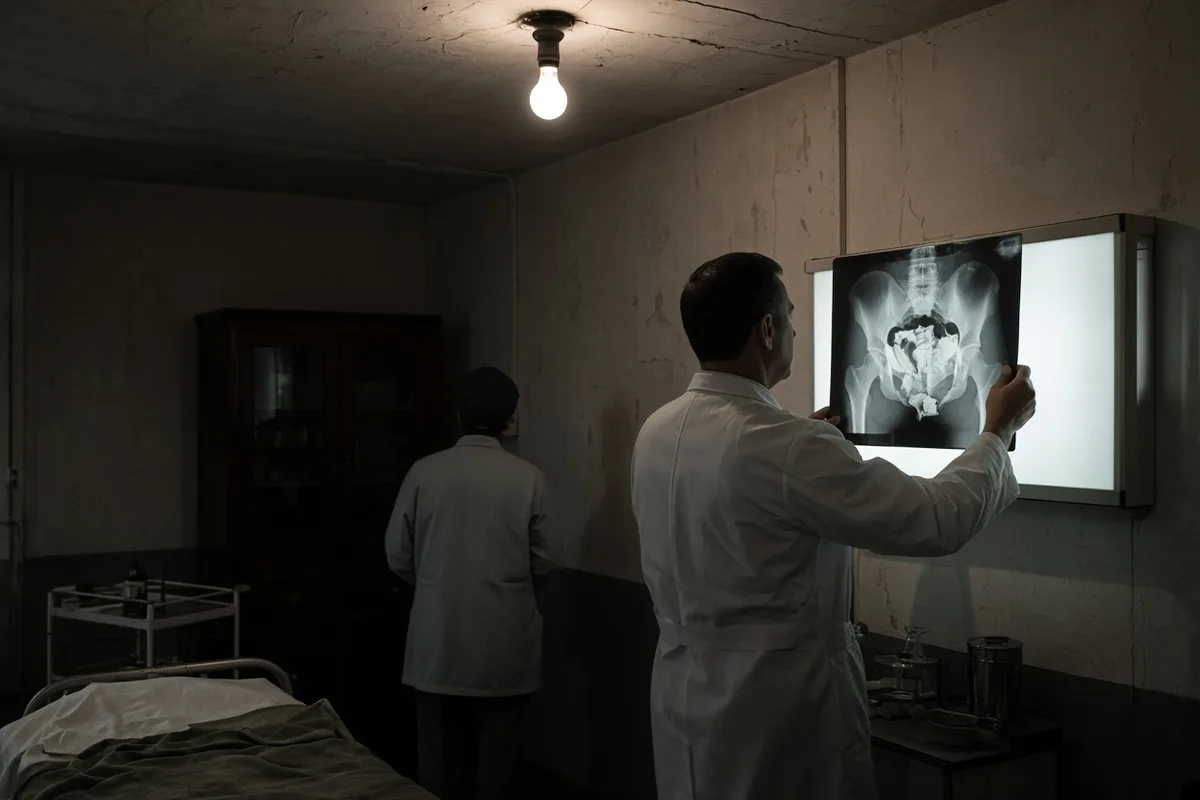
The water in the pool felt colder than the air that morning. I stood at the edge with two other attendants, sleeves rolled to the elbows, waiting for the next stretcher. The man on it lay rigid, his left leg encased in plaster from hip to ankle. Someone had written his name on a tag tied to the cast: Micheli, V. He was twenty-four by then, though the face above the blanket looked older.
His brother, the priest, walked beside the stretcher and spoke quietly to him. Micheli answered once, then closed his eyes again. The pain had kept him from eating for weeks. The journey from the Italian hospital had taken two days by train and bus. He had arrived the evening before with a temperature and a fresh dose of morphine already wearing off.
We lifted the stretcher onto the wooden platform above the pool. The spring water came from the rock at a steady flow, always the same temperature, always the same pale green. Micheli’s eyes opened when the first splash reached his skin. He did not speak. We lowered him in slowly, keeping the cast above the surface as best we could. His brother prayed the usual words. I kept my hands under the stretcher rails and watched the surface of the water move against the plaster.
After the immersion we carried him out and wrapped him in a dry sheet. He said nothing about relief. Most men said nothing at that moment. We wheeled him back to the dormitory barrack where the Italian pilgrims were housed. He lay on the cot with the sheet over him and asked only for water. By evening he had taken a little bread.
The next day he joined the procession to the grotto on crutches, the cast still in place. I saw him again at the evening blessing of the sick. He sat in a folding chair near the front, head bowed. When the monstrance passed he lifted his face for a moment, then lowered it. No one around him claimed any change.
On the return train he sat upright for longer stretches. He stopped asking for the morphine tablets his brother carried. By the time the group reached the Italian border he was eating the bread and cheese offered at each station stop. He still used the crutches, but the effort no longer left him pale.
At the military hospital the doctors ordered new films. The osteolytic area that had eaten through the ilium and the acetabular roof now showed bone where none had been visible six weeks earlier. The biopsy site in the gluteal muscle had healed without trace of the sarcomatous cells previously recorded. The surgeons who had declined radiotherapy because the disease was already too advanced now declined further intervention because they found nothing to treat.
The case moved to the International Medical Committee in 1969. Members reviewed the original radiographs, the biopsy slides, the post-pilgrimage films, and the testimony of the attending physicians. The same panel examined the records again in 1971. Their conclusion remained the same: the reversal could not be accounted for by any known medical process.
Micheli returned to Lourdes every year after that. He worked as a brancardier for the military pilgrimages, carrying other stretchers to the same pool. In 1976 the bishop of Tarbes and Lourdes formally recognized the cure as the sixty-third miracle recorded at the shrine. Micheli was present for the declaration.