




Ida Scudder Opens First Medical School for Women in India
Missionary doctor trains Indian women as physicians
FaithTap · Sep 29, 2026 · 11 min read
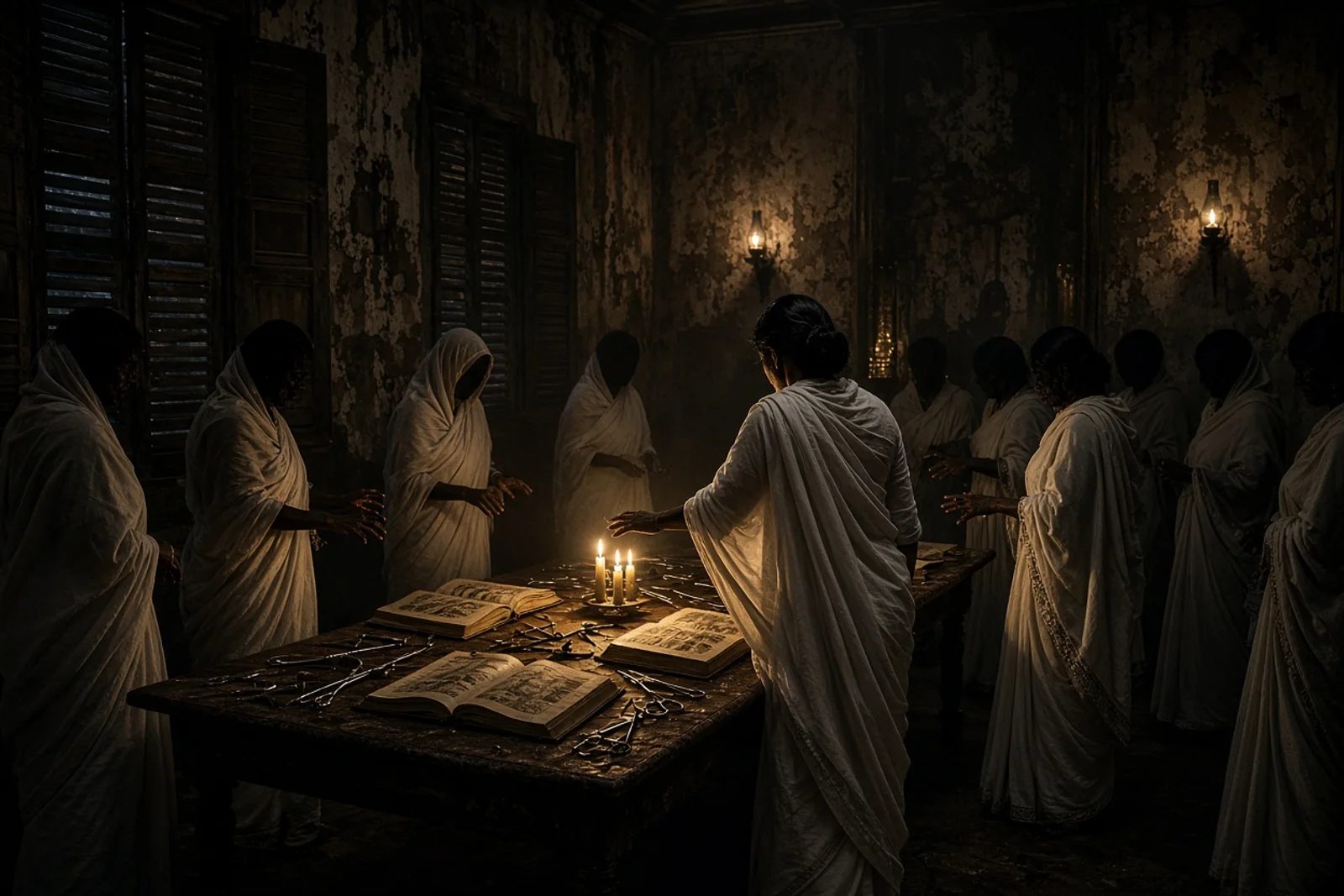
The lamp flickered low in the mission bungalow when the first knock came. I was sweeping the veranda floor, barefoot on cool stone, when the man appeared out of the dark. He stood rigid, eyes fixed past me, asking only for the doctor. Ida’s father stepped forward, bag already in hand, but the man shook his head once and turned away without another word.
Two more knocks followed before midnight. Each time the answer was the same. No man could enter those rooms. By sunrise the three young wives were gone, and the compound felt emptied of sound. Ida stood at the edge of the courtyard long after the last body had been taken, her hands still knotted in her apron. She did not speak of leaving that day, yet the next boat that carried mail to America also carried her request for schooling.
I stayed behind when she sailed. Letters came now and then, short lines about classes and winters that froze the ink in the well. Four years passed before word reached Tindivanam that she had finished at Cornell and was coming home. By then her father had grown thinner, and the mission ledger showed more names crossed out than added.
She stepped off the train in Vellore carrying one trunk and a leather case of instruments. Annie Hancock walked beside her, both of them already speaking of a room where women could be examined without the curtain being pulled shut by husbands. Within a week they had cleared the back veranda of the family house and set out a table, two chairs, and a basin. Patients arrived first as whispers, then as a line that reached the gate.
Her father died before the first monsoon after her return. Ida buried him beside the old fort wall and returned to the veranda the same afternoon. The number of women who came each day doubled. In two years the count reached five thousand names written in her own hand.
A banker in New York sent ten thousand dollars to name a ward after his wife. Ground was marked for a proper building with forty beds and wide windows that let in the hill breeze. When the Mary Taber Schell Hospital opened, the first girl left on its steps was given the same name as the donor. Ida carried the child inside herself.
By 1918 the hospital wards were full and the veranda could no longer hold the women who arrived each morning. Ida called a meeting under the neem tree and said she would start classes for Indian women who wanted to become doctors. One hundred and fifty-one applications arrived in the first month. She turned away more than she accepted, yet the rooms she rented above the dispensary filled with young women who had never before held a microscope.
I kept the supply cupboard and the appointment book. The students practiced on each other first, then on the patients who agreed. At night they studied by lantern while Ida walked the wards, checking temperatures and correcting posture at the operating table.
Gandhi came in 1928. He walked the length of the new hillside campus at Bagayam, asked about water supply and caste rules in the wards, and left without promising money. The buildings rose anyway, stone by stone, funded by letters Ida wrote on every ship that crossed to America.