




Ida Scudder Opens Medical School for Women in India
Doctor trains Indian women physicians.
FaithTap · Sep 27, 2026 · 11 min read
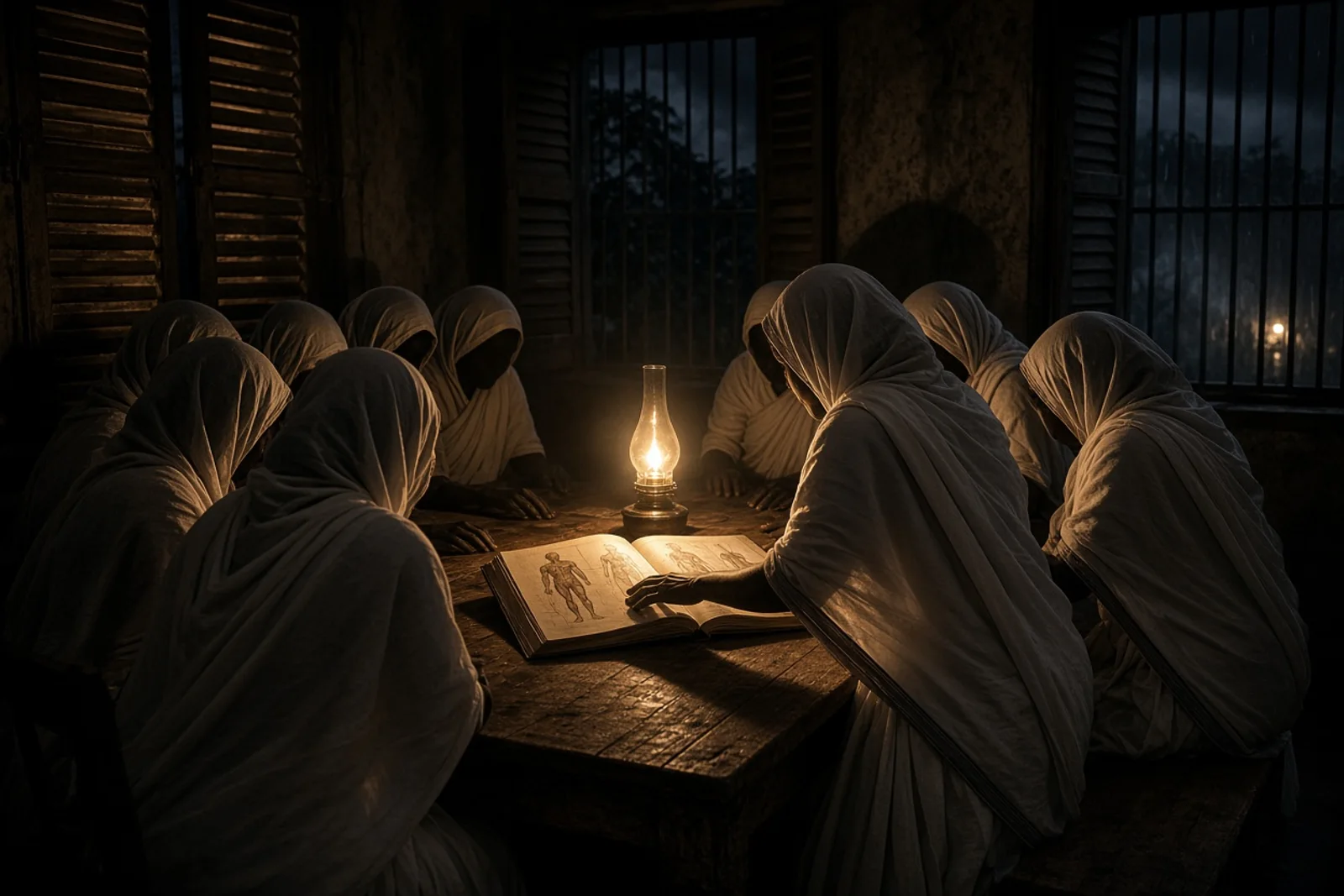
The dust from the bullock carts still hung in the air when the first bundle of letters arrived at the dispensary door. I stood by the window, the same one where the oil lamp had burned through that terrible night years before, and watched Ida Scudder tear the string. Her hands moved quickly, the same way they had when she stitched a gash on a woman’s arm the week we opened the little room with one cot.
She read the first page aloud to Annie Hancock, who had come back with her from America. One hundred and fifty names already. Young women from towns we had never visited, some of them barely able to write their own addresses. Ida set the letter down and looked across the table at me. Neither of us spoke for a moment. Outside, the afternoon heat pressed against the shutters.
I had seen the three knocks come to this same house when I was still a girl carrying water. The men had stood in the lane, each refusing the father who offered to go. By morning the three young wives were gone. Ida had been in the next room then, not yet a doctor, only the daughter of the mission. After that night she left for Philadelphia and later for Cornell, the first women allowed inside those lecture halls. When she returned in 1900 her father was already ill. He died before the first bricks for the larger building were laid.
We began in the family house with whatever medicines arrived in crates from New York. Patients came on foot and on litters. The banker’s gift of ten thousand dollars let us raise the forty-bed hospital two years later. It was named for his wife, Mary Taber Schell. By then the line at the gate stretched past the old fort wall. I learned to boil instruments and to keep the ledger that showed who could pay and who could not.
Ida never stopped writing letters home for more money and more teachers. The Reformed Church sent what it could. She rode out on horseback to the villages, sometimes with only a lantern, to bring women who would not otherwise leave their courtyards. In the operating room she worked until her shoulders shook from fatigue. I held the basins and counted the minutes between breaths.
When she first spoke of a school for Indian women to study medicine, the men at the mission board shook their heads. They said the country was not ready. Ida answered that the country had been ready the night those three wives died. She kept the plans in a folder on the desk, adding names of possible teachers whenever a letter came from America. The war in Europe slowed the shipments, but the applications still arrived.
On the morning we posted the notice, I walked with her to the gate. The paper was tacked to the wooden frame where the daily patient count was usually written. Within a week the first replies reached us. The women came from families that had never sent a daughter beyond the village well. Some traveled three days by train, carrying tin trunks and letters of permission signed by fathers or uncles who still doubted the plan.
We cleared the long veranda behind the hospital and set out benches. Ida stood at the front with a skeleton she had brought from Cornell, the same one she had posed with in her student photograph. She pointed to the collarbone and asked the first class to name it. Their voices were quiet at first, then steadier as the weeks passed. Annie Hancock kept the roll book. I carried the trays of slides from the small laboratory we had fitted into a storeroom.
By the second year the board agreed the school could accept men as well, though the first entering class remained almost entirely women. Forty missions eventually joined the effort. The buildings spread across the rocky ground west of town, each new wing paid for by another trip Ida made to the United States. She returned thinner each time, her voice hoarse from speaking at churches and clubs, yet the crates of equipment kept coming.