




Immaculée Ilibagiza Forgives Rwandan Genocide Killers
Survivor of 91-day hiding chooses forgiveness and reconciliation after losing family.
FaithTap · Sep 30, 2026 · 12 min read
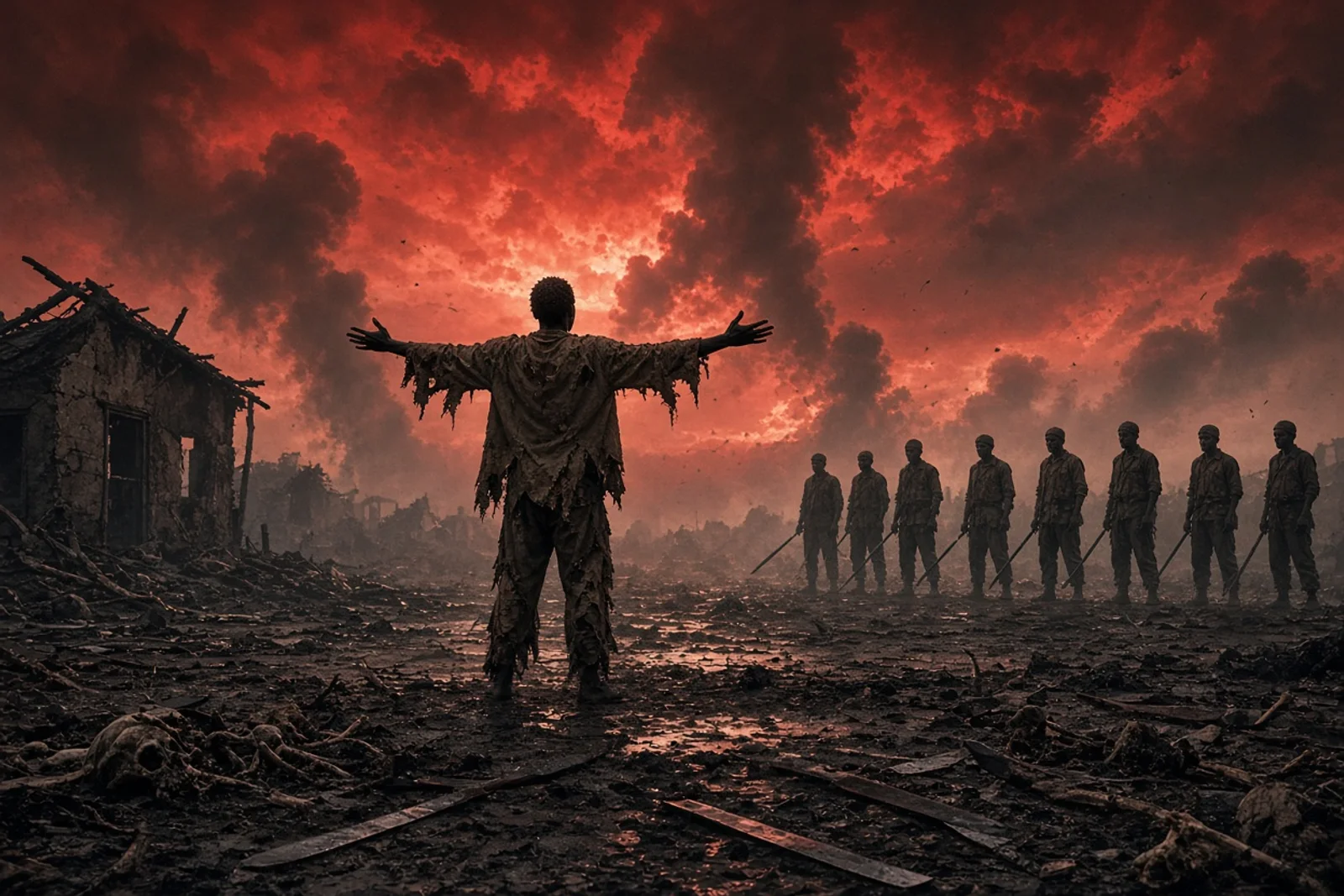
The wardrobe scraped across the floorboards and the lock turned. I pulled my knees tighter to my chest, the way we always did when the pastor came back inside, and felt the girl beside me settle her weight against my shoulder. Immaculée sat opposite, her back straight against the plaster even though there was no room for it. The small window high on the wall let in a strip of late light. Outside, voices moved through the garden, calling names.
We had been inside eight days. The pastor brought rice and water once after dark and took the bucket away. None of us spoke above a whisper. The tall ones stayed on their feet in shifts so the rest could stretch their legs across the tile. My calves burned from the angle. Immaculée kept her rosary between her fingers and moved the beads without sound.
She told us about Damascene on the twenty-second night. The killers had taken him near the river. They stripped him and struck him with the flat sides of their machetes, asking again and again where his sister had gone. He told them he pitied them. He said he would pray for them. Then he asked what they were waiting for. The men hesitated, and he repeated it. They finished the work after that. Immaculée’s voice stayed even when she said the last part. I watched her hands on the beads and counted my own breaths until the pastor’s footsteps passed the door again.
Her father had come to the house three miles from their village on the second morning. He gave her the rosary and told her not to look back. She had wanted her purse and a book, but he shook his head. She walked away under a covered hat and never saw either parent again. Her mother was cut down near the school. Her second brother died in the stadium with the others who had gone there for shelter. She learned these things only after the roads opened.
Search parties came twice in the first month. Men climbed the fence and pounded on the pastor’s doors. We heard them through the window, boots on the veranda and then inside the rooms. One afternoon they stood directly beneath us. A voice called Immaculée’s name. She closed her eyes and did not move. The men left when the pastor showed them the empty rooms upstairs. After they were gone she leaned her head against the wall and kept still for a long time.
We lost track of days by the quality of the light on the ceiling. Lice moved through our hair and under our collars. The smallest girl developed a cough she tried to smother in her sleeve. At night, when the house was quiet, two of us would slip into the adjoining room to stand upright for a few minutes. The window there faced the path where the killers sometimes passed. We kept low and never spoke.
Ninety-one days ended on a morning when the pastor came without the usual caution. He rolled the wardrobe aside and told us the soldiers had taken the main road. We stepped out one by one into the hallway. The air felt thin after the bathroom. Immaculée walked to the front window and looked at the hills across the river. Nothing moved on them except wind in the grass.
Months later the courts began their work. I went with her to the holding area outside the district office because she asked. The man they brought out was smaller than I expected. His name was Felicien. He had played with her as children and later hunted her through the village, shouting her name at every door. Now his wrists were bound and he would not lift his face. She stood in front of him until he raised his eyes. Then she told him she forgave him.
He blinked once and looked away. She repeated it. The words left her mouth and hung in the air between them. She said she wanted him to be free of her, that she would not stand in the way of whatever he had to face inside himself. He said nothing in return. The guards led him back through the gate. She turned and walked the length of the compound without stopping.