




Irena Sendler Smuggles 2,500 Children to Safety
A Polish social worker carried children out of the Warsaw Ghetto in toolboxes and ambulances — and buried their real names in jars so their families could find them.
FaithTap · Sep 26, 2026 · 10 min read
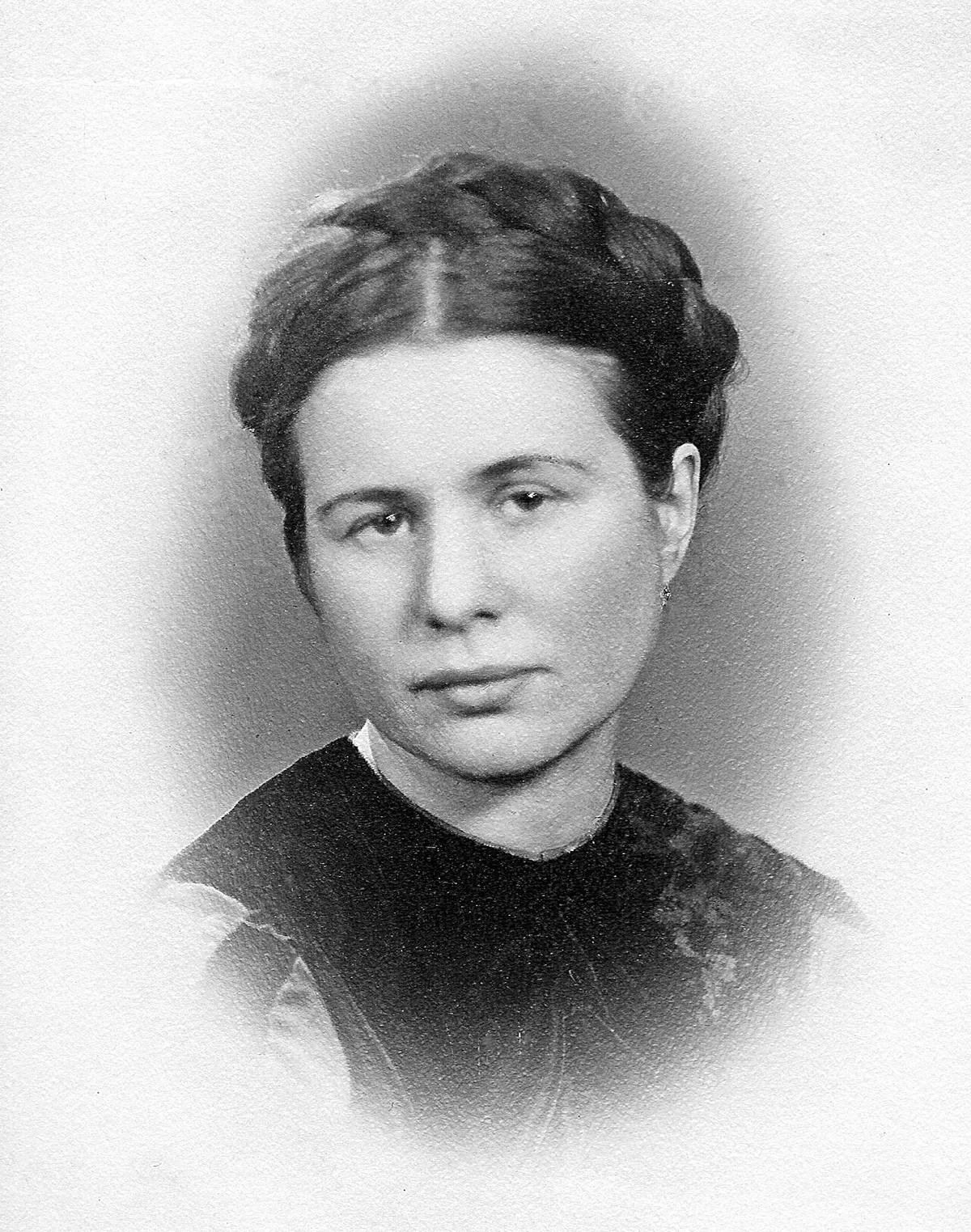
The toolbox is heavier than it looks. I know because I have carried it myself, down Żabia Street, past the guard post, my hands sweating through my gloves even in the cold, and inside, wrapped in a blanket too thin for October, a child who has been taught since Tuesday not to cry. I worked beside Irena Sendler in those years, in the Warsaw Social Welfare Department, and I tell you now what I saw, because someone who was there should say it plainly, without dressing it up: we were ordinary people doing an unbearable thing, and we did it anyway.
Before the war she was already the kind of woman who noticed who was hungry in a room. She had grown up watching her father treat the poor and the Jewish patients of Otwock without asking who could pay, and something of that had settled into her the way water settles into stone. When the Germans came in 1939 she was twenty-nine, a senior social worker, and the department kept functioning under occupation the way a heart keeps beating in a body that has been told it is already dying. We fed the poor. We fed the elderly. And when the ghetto walls went up in November of 1940, sealing nearly four hundred thousand people into a few square kilometers of the city, we found that our jurisdiction, on paper, still extended inside.
I remember the first time she came back from an inspection visit with her face gray as the plaster dust in the stairwells. She did not describe what she had seen in full sentences. She described numbers. Typhus counts. The distance between a working pump and a starving block. She had gotten a permit, official, stamped, allowing her to enter the ghetto to check on sanitary conditions, and she used that permit the way a locksmith uses a key that was never meant to open the door it opens.
Inside, she found the people running the Jewish welfare operations, and she began working with them, quietly, carrying in medicine sewn into linings, money folded into the soles of shoes, clothing stacked under crates of what looked like ordinary relief supplies. She wore, for a time, a yellow star herself, out of some instinct I never heard her fully explain, solidarity or camouflage or both, and once she forgot to remove it walking out, and a German officer beat her for it. She did not stop wearing it because of that. She stopped because someone told her it made her more conspicuous, not less, and conspicuous was the one thing none of us could afford to be.
By the autumn of 1942 the deportations had already gutted the ghetto. Two hundred and eighty thousand people, taken to Treblinka, gone in a matter of weeks that felt like they lasted a single held breath. Those of us on the outside who had been helping in scattered, half-organized ways were pulled into something with a name now — Żegota, the Council for Aid to Jews — and Irena became one of its central figures almost immediately, because she already knew the ghetto's back doors, its sewer grates, its overworked orphanages, better than anyone wearing a Polish armband had any right to know them.
What was left to save, by then, were mostly children. The adults who remained were being hunted block by block. So in September of 1943, four months after the ghetto itself had been leveled to brick dust and silence, she took charge of Żegota's department for the care of Jewish children, and she took a new name for the work — Jolanta — the kind of name you say into a telephone so that if the line is tapped, the person listening hears nothing that leads anywhere.
I want you to understand what smuggling a child actually looked like, because it did not look like courage. It looked like a woman with tired eyes riding in the back of an ambulance that was supposed to be carrying typhus patients, one hand resting on a crate, the crate breathing. It looked like a delivery of goods through the courthouse that bordered the ghetto wall, a building with one foot on each side of the line the Germans had drawn, so that a child could walk in a Jewish citizen and walk out the other entrance a Christian orphan, if no one asked her to speak. It looked like body bags, God forgive us for what that says, driven out in trucks meant for the dead, and once — I heard this from her own mouth, flat, without drama, the way she said everything that should have broken her voice — a baby hidden beneath a toolbox, silent the entire ride because someone had given it something to make it sleep.
Some children walked out through the sewers. Some were carried out in sacks of grain or under piles of rags in a cart, and I remember one summer afternoon watching a wagon roll past a checkpoint with a dog barking in the back, trained, we all understood without saying it, to cover the sound of a hidden child crying, the driver's face arranged into the particular boredom of a man who has made this same crossing a hundred times and intends to make it look that way the hundred-and-first.
Once outside, the children could not simply vanish into the city as themselves. Żegota forged papers — new names, new baptismal certificates, new invented grandmothers — and Irena placed them, one by one, into convents and orphanages she had cultivated relationships with for years. The Rodzina Marii orphanage took many of them. So did the religious houses out past the city limits, in Chotomów, in Turkowice near Lublin, where the sisters asked fewer questions than the times demanded and answered none at all when the wrong men came asking.