




Macrina the Younger Turns Family Estate into Monastery
Sister transforms household into community of prayer and charity.
FaithTap · Oct 2, 2026 · 11 min read
The river ran low that summer, its banks cracked where the reeds had been cut for the winter mats. I stood knee-deep in the shallows with two other women, rinsing the last of the wool, when Macrina came down the path from the house. She carried no basket, only a folded length of coarse cloth over one arm. Emmelia walked a few steps behind her, slower now, one hand on the younger woman’s shoulder for balance.
We kept working. Macrina stopped at the water’s edge and watched the current pull a loose thread from the cloth she held. “We will not need the fine looms again,” she said. Her voice carried across the water without effort. Emmelia said nothing at first, only looked at the house above us, its shutters already half-closed against the heat.
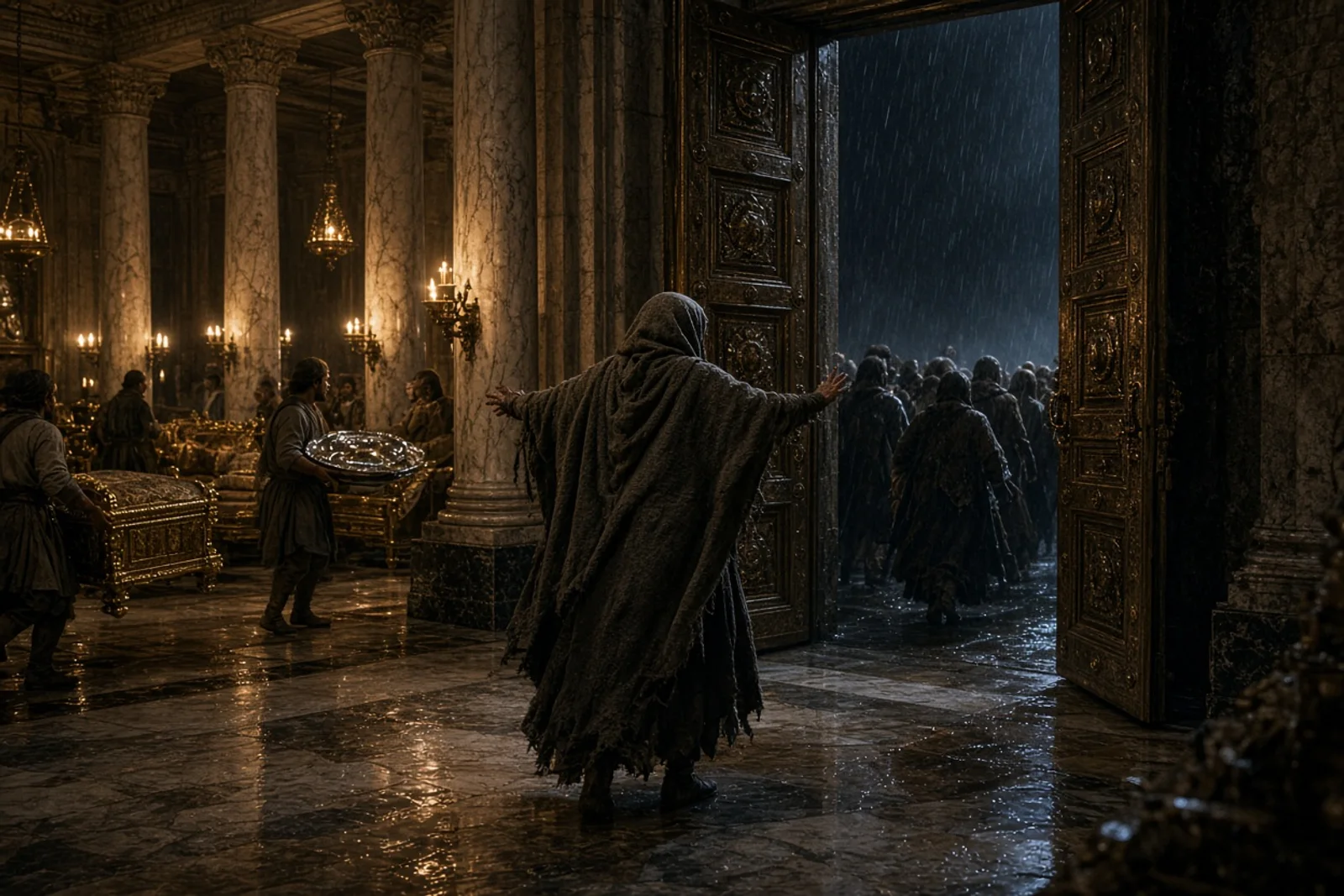
By the next morning the dining hall had been emptied of its couches. The long table remained, but the silver dishes were gone, packed into chests that Basil’s men carried away to Caesarea. In their place stood plain benches and a single copper bowl for the common meal. I helped carry the benches in. Macrina marked each one with a piece of chalk so the same women would sit together each day and learn one another’s names.
Peter, still a boy then, followed his sister from room to room. He carried the smaller chests. When she stopped to speak with the older servants, he waited without fidgeting, eyes on the floor. One afternoon she took him aside near the chapel wall and told him he would learn letters from the Psalms only, nothing else. He nodded once and went back to his task.
The women who had come from the village arrived in small groups. Some brought their own blankets. Others arrived with nothing but the clothes on their backs. Macrina met each one at the gate and asked only two questions: whether they could keep silence after the evening bell and whether they were willing to share whatever they had. Most answered yes. A few turned back before the sun set.
Emmelia’s strength left her by degrees. She still rose for the first prayers, but afterward she sat in the shade of the portico while Macrina moved through the work. One evening, when the lamps were already lit, Emmelia called her daughter to the bench beside her. They spoke quietly. I was close enough to hear Emmelia say that the estate now belonged to the women who prayed there, not to any single name. Macrina answered that she would keep it so.
Basil visited once that year, between journeys. He walked the grounds with his sister, stopping at each new building. The bathhouse had been turned into a storehouse for grain; the old guest rooms now held pallets for the sick. He asked whether any of the women wished to leave. Macrina said none had asked. He left at dawn the next day without further comment.
The first winter under the new rule was hard. Snow reached the lower windows. We rose before light to break the ice on the water jars. Macrina moved among the pallets each night, checking for fever. When one of the older women died, she washed the body herself and laid it in the chapel before the others woke.
By spring the garden plots had been marked out behind the chapel. Every woman who could stand took a row. Macrina worked at the end of the longest row, sleeves rolled above her elbows, the same as the rest. The soil there had never been turned before. We broke it with wooden spades because the iron ones had been given away.