




Raoul Wallenberg Saves Thousands in Budapest
Swedish diplomat issues protective passports amid Holocaust
FaithTap · Sep 25, 2026 · 10 min read
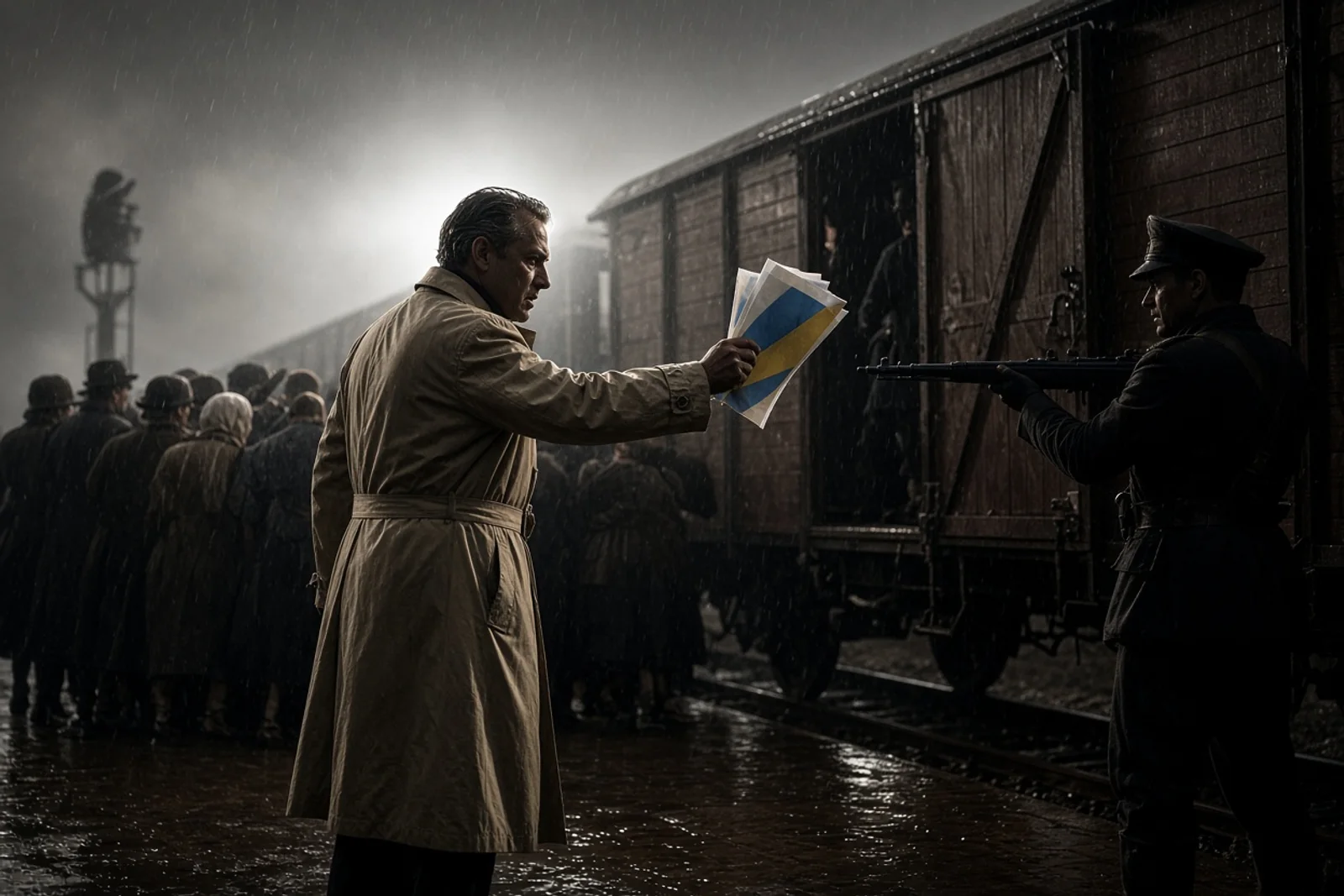
The rain had turned the cobblestones slick outside the Swedish legation when I first saw him step from the black car. He carried a leather satchel and wore a raincoat too thin for the weather. Inside the building the corridors already smelled of wet wool and fear. People waited on every stair, clutching old letters from relatives in Stockholm or photographs of cousins who had once lived there.
He began signing papers that same afternoon. The protective documents carried the Swedish crown and a number. Each one listed a name and a birth date. By the end of the week the line outside stretched past the corner. I stood in it with my mother and received two sheets that declared us under Swedish protection. The ink was still damp when we folded them into our coats.
We moved into one of the buildings he had rented on the Pest side of the Danube. Swedish flags hung from the windows. Guards posted at the door wore armbands with three crowns. The Arrow Cross men who patrolled the street sometimes stopped and stared up at the flags, but they kept moving. Inside, families shared rooms and cooked on small stoves. Wallenberg came through twice a week with lists, checking who still needed medicine or extra blankets.
By late September the deportations from the provinces had stopped, yet Budapest felt no safer. Trucks appeared at night and took people from the outer districts. We heard the trains leaving from the eastern station. Wallenberg sent staff members to the platforms with stacks of fresh documents. They handed them through the windows of the cattle cars when the guards looked away.
October brought the coup. Horthy was removed. The Arrow Cross took the ministries and began new roundups in daylight. On the first day after the change I watched from an upper window as men in green shirts dragged families from a neighboring house. Wallenberg arrived in a car with Swedish plates. He walked straight to the officer in charge and pointed at the building. His voice carried across the street. This property belongs to the legation. The officer hesitated, then ordered his men to stand down.
The death marches started soon after. Columns of people walked west along the river road toward the Austrian border. Many had no shoes. Wallenberg drove along the route with a driver and two assistants. At each group he stopped and demanded to see papers. When someone held up a Swedish document he pulled that person out of line. The guards protested but usually let the claim stand. He repeated the process at every bend in the road until the car could hold no more passengers.
One afternoon he boarded a train that had already begun to move. He climbed onto the steps of a freight car and moved from person to person, matching names against his list. Several guards followed him down the length of the train. He kept handing out documents until the locomotive slowed at a signal. When it stopped he stepped off with twelve people and walked them back toward the city.
Inside the safe houses the number of residents grew each day. We slept in shifts. Soup kitchens ran from morning until the pots were empty. Wallenberg’s office employed typists who worked through the night producing more certificates. He paid for food and fuel with money sent from Stockholm and from private donors in the city.
Eichmann returned in the middle of October. Wallenberg met him once at a dinner arranged by neutral diplomats. They sat at opposite ends of a table. Eichmann spoke about finishing his assignment. Wallenberg answered that the war was ending and asked what purpose remained. Eichmann said he would continue until the final order. The conversation ended without agreement.