




Roger Williams Founds Rhode Island
Exile creates haven of tolerance
FaithTap · Sep 29, 2026 · 11 min read
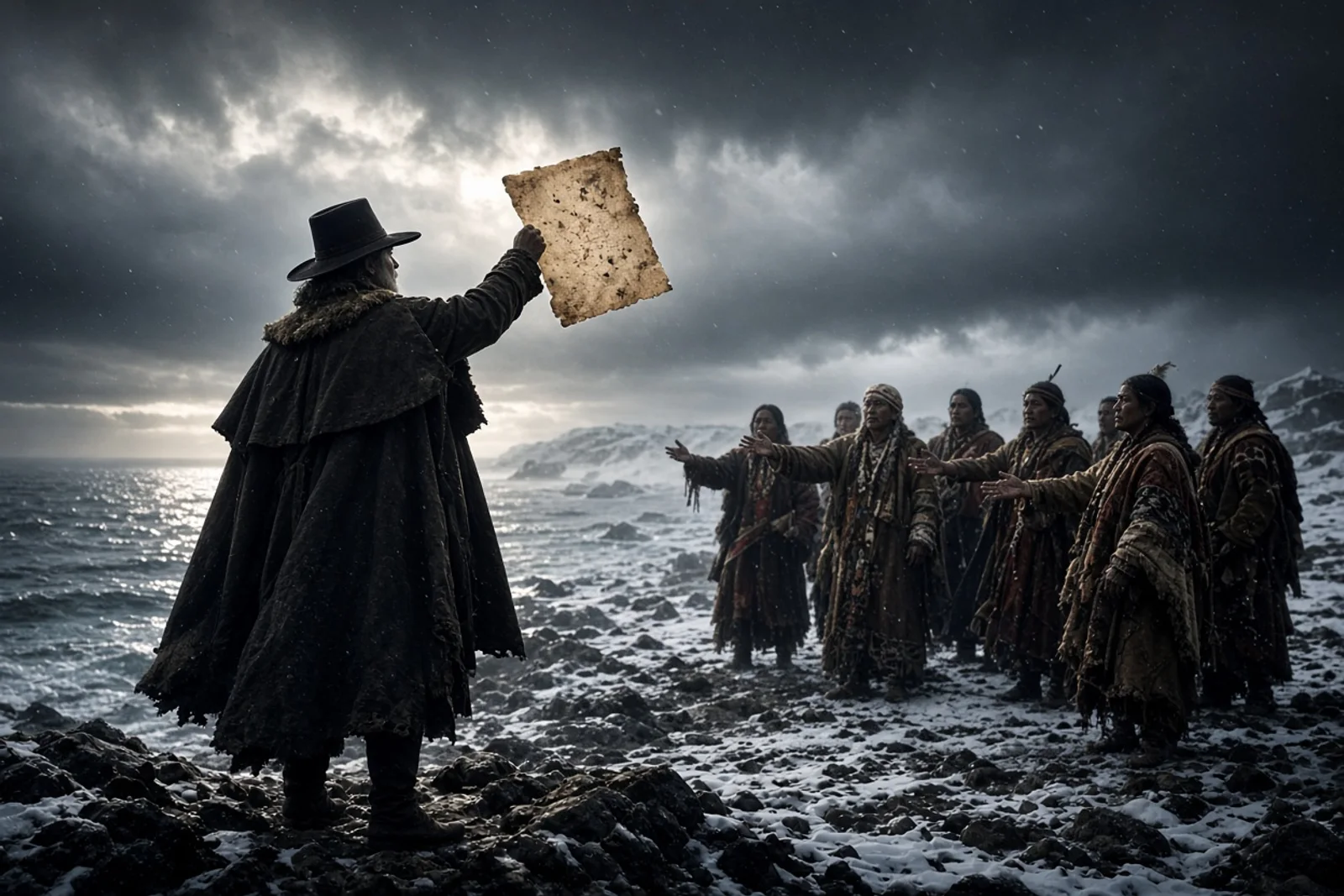
The river ran fast under the canoe that morning. Ice had broken only weeks before, and the current still carried chunks that knocked against the hull. I gripped the paddle and watched Roger Williams lean forward, eyes on the western shore. We had come down from the fields at Seekonk after the letter arrived. Winslow’s words were plain enough. We were inside Plymouth’s line. Move or be moved.
Four of us had followed him from Salem the spring before. We cleared ground near the Seekonk and set posts for houses. The ground was stony but workable. Then the messenger came on horseback with the governor’s warning. Williams read it once, folded it, and said we would look across the water. He had already traded with the Narragansett and knew the names of their sachems. He wanted no quarrel.
We pushed off at first light. The Seekonk widened as we went south. Williams sat in the bow, calling distances. The air smelled of salt and thawing mud. After an hour the river bent around a point of land thick with cedars. We kept close to shore to stay out of the wind. My hands were raw from the paddle. No one spoke much.
A flat rock rose from the water ahead. Men stood on it, wrapped in mantles. One raised a hand. The shout carried across the surface. “What cheer, netop.” Williams answered in their tongue. The men on the rock laughed and waved us closer. We held the canoe steady while he spoke. They pointed south and west, toward the cove where the rivers met. One of them tossed a fish into our boat, still twitching.
We rowed on. The shoreline changed from marsh to steeper banks. Fox Point slid past on our left. The water grew brackish, then opened into a broad cove. Two rivers emptied here, their mouths close together. A narrow trail followed the eastern edge. On the far side of that trail a spring came out of the hill. Williams stood in the canoe and looked at it for a long time. The water was clear and fast.
We landed near the spring. The ground was soft underfoot. Williams walked the slope and marked a spot with his heel. He said the house would stand there, facing the trail and the cove beyond. We unloaded what tools we had brought. By midday we had stakes driven for the first frame. The Narragansett who had greeted us from the rock came later with maize and dried meat. They watched us work but kept their distance at first.
Over the next days more men arrived from Seekonk. We carried the posts across in two canoes. The spring gave good water. We dug a shallow basin and lined it with stones so the women who would come later could fill buckets without stepping in mud. Williams spent hours at the cove edge, watching the salmon push upstream. They moved in such numbers the surface broke constantly. He said the place had fed people for longer than any of us could count.
He met with Cononicus and Miantonomo on the flat ground above the spring. The talks lasted two afternoons. Williams brought English goods wrapped in cloth. The sachems accepted the exchange and marked the bounds with their own men. No writing passed between them, only spoken agreement and the presence of witnesses on both sides. Williams returned to the spring and said the land was ours to use as long as the peace held.
He named the settlement Providence that same week. He spoke the word while we ate by the fire. It was meant as thanks and as promise. Anyone driven out for their beliefs could come, he said, and find ground. The rule was simple. No man would be forced to a church or fined for staying away. The civil order would rest on the people who lived here, not on ministers.