




St. Alphonsus Liguori Founds Redemptorists
Bishop starts mission to the abandoned.
FaithTap · Oct 1, 2026 · 10 min read
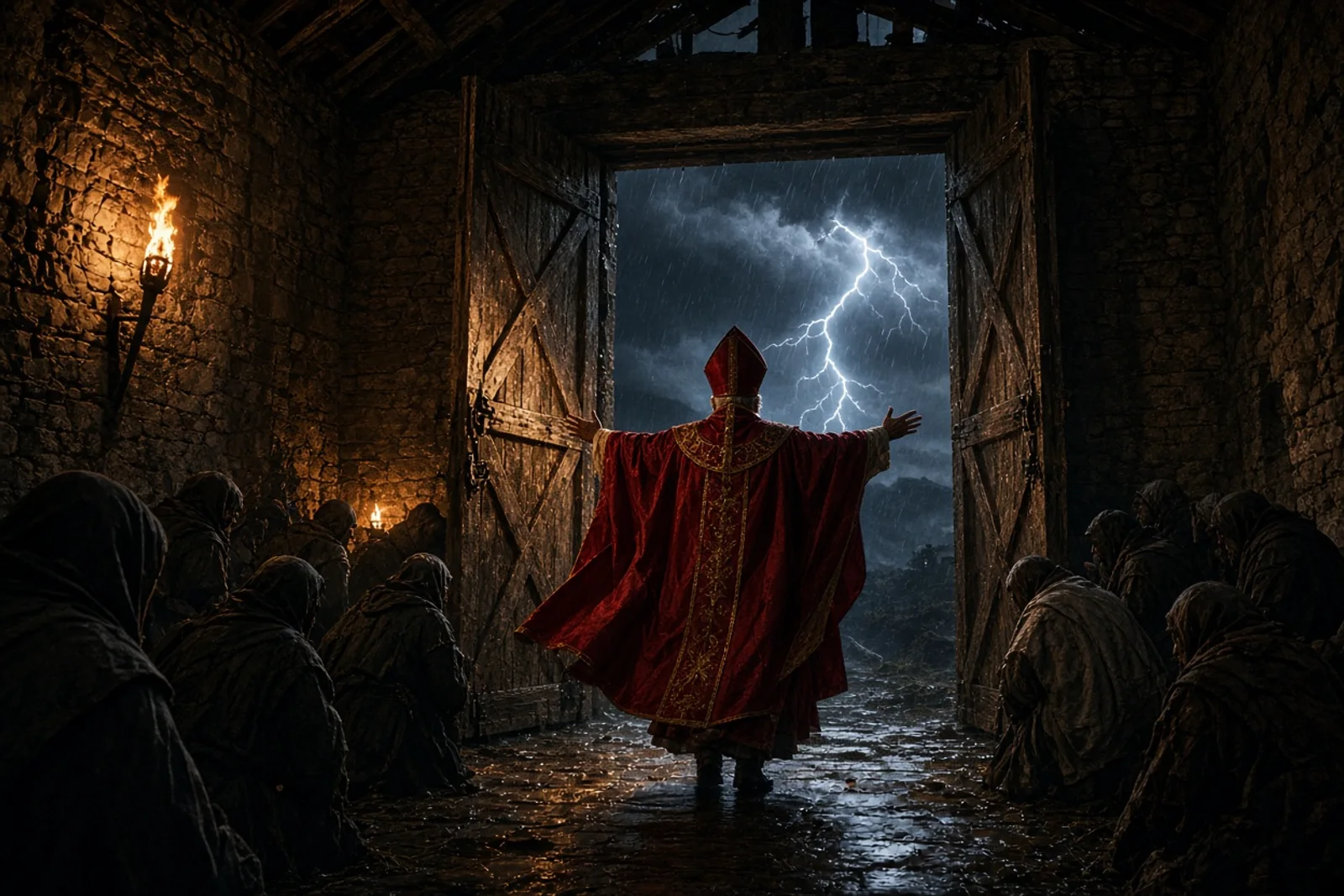
The wind cut across the ridge that morning, sharp enough to slice through the wool we wrapped around our shoulders. I had climbed from the lower pastures with three others, goats trailing behind us on ropes, because word had spread that the priest from Naples was still at the sanctuary and would speak again before the light faded. We reached the stone wall just as the bells rang for none. Inside the small chapel the air was warmer, thick with the smell of damp stone and the oil lamps they kept burning day and night.
Alphonsus Liguori stood near the altar rail, his cassock frayed at the hem from weeks of walking between villages. He looked smaller than I remembered from the summer, shoulders bent as if the mountain air itself pressed on him. Two of his companions knelt on the floor, sorting bundles of bread and cheese they had carried up from the coast. A woman from the village swept the steps outside. None of us spoke much. We waited for him to begin.
He did not preach that day the way he had before. Instead he listened while we told him what the winter would bring for the flocks and how many of the older men had already stopped coming down for Mass because their legs would no longer carry them. He nodded, asked the name of each child who had died since spring, and wrote nothing down. When the last of us finished, he stayed silent for a long time. The only sound was the wind against the shutters.
That evening one of the sisters from the nearby convent arrived on foot. Her name was Maria Celeste Crostarosa. She asked to speak with Alphonsus alone. They walked the narrow path behind the sanctuary wall until the sun dropped behind the ridge. When they returned, his face had changed. The lines around his eyes had deepened, but there was a steadiness in the way he set his shoulders that had not been there before.
He gathered the small group that had traveled with him. I stayed at the edge of the room because no one had told me to leave. Sister Maria Celeste spoke first. She said the Lord had shown her that Alphonsus was the man chosen to gather priests who would stay among the poorest and never leave them for the cities. She spoke without raising her voice. Alphonsus listened with his hands folded, eyes fixed on the floor tiles.
The next morning he sent one of his companions down the mountain with a letter. We did not know where it went. In the days that followed more men arrived, some from Naples, some from towns I had never heard of. They slept on straw in the stable and ate what the shepherds could spare. Alphonsus rose before first light each day and walked the paths with us, stopping at each hut to ask after the sick. He never refused to hear a confession, even when the penitent could barely speak above a whisper.
On the ninth of November the air turned colder. Frost lay on the stones when we gathered again in the chapel. Alphonsus stood at the front with seven others. He wore the same worn cassock. One by one they knelt and promised to live together under a rule that would send them out to the abandoned places and keep them there. No one wrote the words on paper that day. They spoke them aloud and answered one another with the same phrase: to preach the Gospel to the poor.
I watched from the side door. The light coming through the high window caught the dust rising from the floor. Alphonsus’s voice was steady, but his hands trembled once when he lifted them to bless the small group. After the last man had spoken, he turned toward the door where we stood and looked at each of us for a moment. Then he walked out into the yard and began the descent toward the first village below the ridge.
In the weeks that followed the new community stayed at the sanctuary. They divided what little food remained and took turns walking the higher trails to reach families who had not seen a priest in years. Alphonsus himself went down only once more before the snow closed the paths. He carried a bundle of hymns he had written in the Neapolitan dialect so the shepherds could sing them at night when the wind grew loud against the roofs.