




St. Vincent de Paul Organizes Charities
Priest founds Daughters of Charity.
FaithTap · Sep 26, 2026 · 11 min read
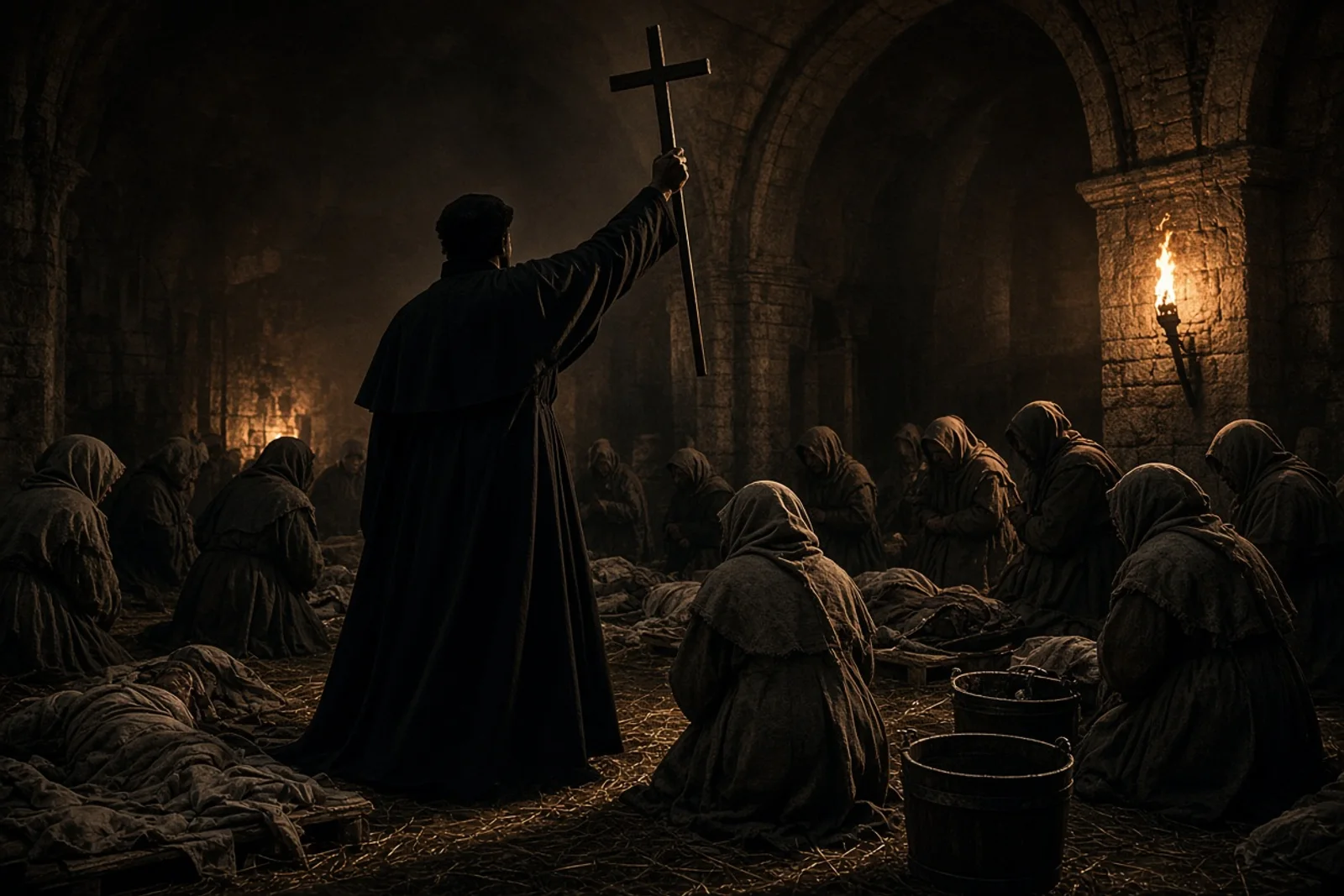
The rain had stopped just before dawn, leaving the stones along the rue Saint-Antoine slick underfoot. I carried the bundle of linen tighter against my side and kept walking toward the small house where Antoine Le Gras had lain for months. Word had reached the parish that he was gone. No bells yet. Only the gray light and the sound of shutters being opened one by one.
Inside the doorway a woman in black stood speaking with two men from the parish. Louise de Marillac looked smaller than I remembered from the times she had come to distribute bread at the church door. Her eyes were dry, but the lines at the corners of her mouth were new. She nodded once when the older man said something about the will, then turned and saw me waiting with the clean cloths.
She took them without asking my name. “These will serve for the child,” she said. Michel was thirteen and still needed watching when the fever came and went. She set the bundle on a bench and asked if I knew the way to the apothecary on the next street. I told her I did. She asked if I could go now. I went.
By midday the house was quiet again. Louise stayed at the bedside until the priest finished the prayers. Afterward she walked out into the yard and stood for a long time looking at the wall. A neighbor brought soup. She thanked him but did not eat. When Vincent de Paul arrived near evening, she met him at the gate. He had come from the Gondi house, still in his travel cloak. They spoke for only a few minutes. I heard her say she would not marry again. He answered that God had already shown her the road.
Two weeks later she moved to a smaller set of rooms near the Fossés Saint-Victor. The rent was lower and the street narrower. She kept her son with her and began to write out the hours of her day on a single sheet of paper. Mass at first light. The Little Office at noon. Meditation after supper. The rest of the time she spent visiting the sick in the quarter. I carried her basket on the first of those rounds. The houses we entered smelled of damp straw and sour milk. She knelt on the floorboards beside each pallet and asked the same questions: how long the pain had lasted, whether the children had eaten that morning, what the priest had said when he came.
Vincent began to visit her there once a week. He brought news from the missions in the villages north of the city. The women who had started the Confraternities were growing tired, he said. Their servants did the actual washing and feeding while the ladies signed the receipts. He needed hands that did not mind the dirt. Louise listened without interrupting. One evening she told him about the four country girls who had asked her for work. They could read a little and knew how to keep accounts. She wondered whether they might live together under one roof and learn the same prayers each morning before they went out.
He did not answer at once. He had already refused to become her confessor once, saying the work with the Ladies kept him too busy. Now he looked at the narrow room and the table where she had laid out the bread and the small flask of wine. He asked how she would feed four extra mouths. She said the parish would give what it could and the rest would come from the same women who already sent money for the poor. He left without promising anything.
Spring came late that year. The river stayed high and the roads out of Paris stayed muddy. Louise took the girls into her rooms anyway. They slept on pallets along one wall and rose before daylight to say the rosary together. She taught them to fold the linen so it would not tear when carried through the streets and how to speak to a woman whose husband had just died of the fever. At the end of each week she wrote a short letter to Vincent describing what they had done. He answered in his own hand, sometimes with a single line of correction, sometimes with a list of families who needed another visit.
By summer the arrangement had grown into something larger than the four girls. Other young women arrived from the villages where Vincent had preached. They came without dowries and without the protection of a family name. Louise set them to work at the Hôtel-Dieu two days a week, carrying basins and changing dressings under the eye of the sisters already there. The work was heavier than anything in the parishes, but none of them asked to leave. At night they returned to the Fossés Saint-Victor and ate the same soup.