




T. S. Eliot Joins Church of England
Poet converts and is baptized
FaithTap · Sep 22, 2026 · 11 min read
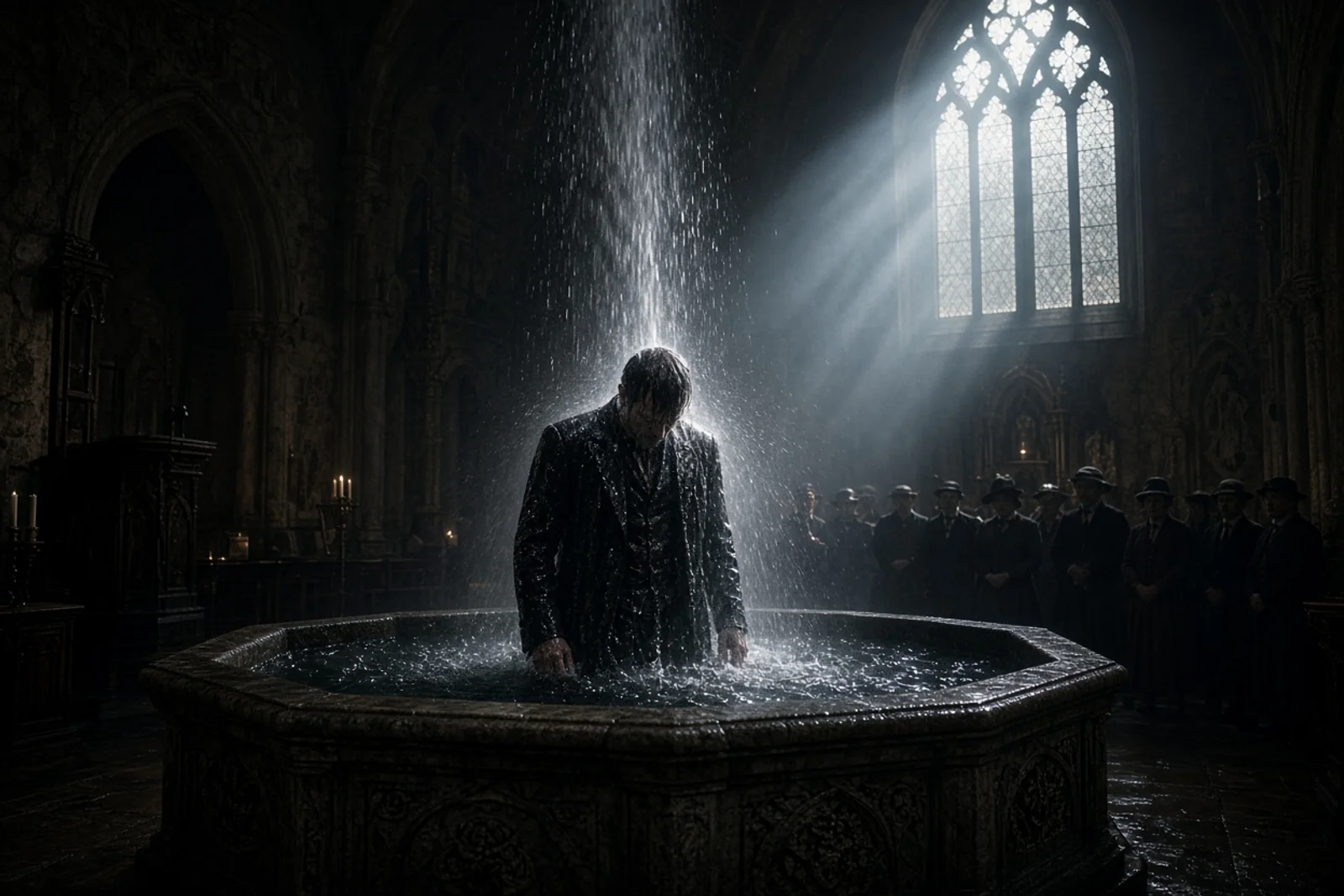
I pulled the collar higher on my coat as the motorcar turned onto the lane toward Finstock. Rain had fallen through the night and the hedgerows still dripped onto the windscreen. The driver cut the engine fifty yards short of the church and sat with his hands on the wheel while I stepped out. The building stood low and grey, its door already shut from inside. A single lamp burned above the porch.
Eliot had arrived earlier with Stead. They had come separately, Eliot by train from London and Stead from his parish duties. No one else waited in the lane. The churchwarden had been asked to keep the key turned until the service ended. I stayed outside because that was the arrangement. From the road I could hear nothing except the wind moving through the yew trees.
Stead had agreed only after Eliot insisted on absolute privacy. The clergyman disliked any show of feeling in such matters and had given his word that the registers would record the names without further notice. Eliot wanted the same restraint from everyone else present. I had known him since the early days of The Criterion and had seen how he measured every public word. That morning he measured this one as well.
The door opened again after nearly an hour. Eliot came out first, hat in hand, his face still damp from the font. Stead followed and locked the door behind them. They spoke for a moment on the step, then separated. Eliot walked toward the waiting car without looking back at the building. I fell into step beside him. Neither of us mentioned what had just taken place inside.
The next morning we drove the short distance to Cuddesdon. Bishop Strong met us in the chapel there. The confirmation was brief and followed the order set down in the prayer book. Eliot answered the questions in the same low voice he used when reading proofs. Strong laid his hands on him and spoke the appointed words. When it was finished we returned to the motorcar and Eliot asked the driver to take the longer road back to Oxford so he could reach his rooms before midday.
In the months that followed he continued at Lloyds Bank during the week and kept the same hours at his desk. He still edited The Criterion and met contributors in the same rooms. The only change anyone outside a handful of people could notice was that he now attended early services at St Stephen’s, Gloucester Road, on Sundays. He did not speak of it unless asked directly.
Virginia Woolf heard the news through mutual friends and wrote to him at once. She asked whether he now handed round the plate and what he felt when he prayed. Eliot answered her letter in his usual measured sentences and let the matter rest there. He had already told another correspondent that he hated spectacular conversions and would not supply any account of his own.
By the time he wrote the foreword to For Lancelot Andrewes the following year, the fact was public. He stated his position plainly: classicist in literature, royalist in politics, anglo-catholic in religion. Some readers treated the sentence as a sudden turn. Those who had watched him through the years after The Waste Land knew the ground had been prepared longer than any single morning in Finstock.
He left Lloyds Bank in 1925 and joined Faber and Gwyer, later Faber and Faber. The daily work of reading manuscripts and corresponding with authors occupied the same hours the bank had once taken. In the evenings he wrote. Ash-Wednesday appeared in 1930. The lines carried the same attention to rhythm and exact word that had shaped his earlier poems, yet the subject was now the movement of a soul toward order rather than the fragments of a ruined city.