




The Four Chaplains Sacrifice on SS Dorchester
Chaplains give life jackets to soldiers.
FaithTap · Sep 27, 2026 · 11 min read
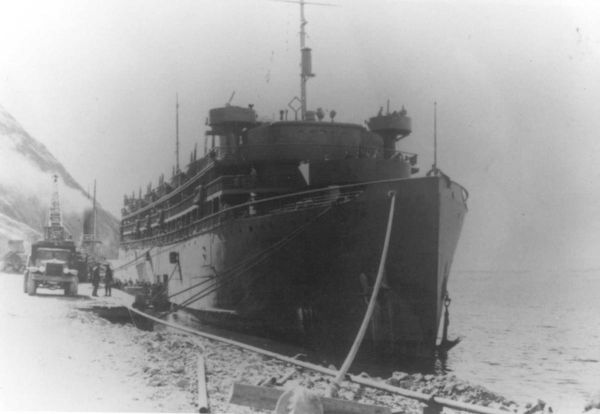
The deck lurched once, then the lights died. I was already moving before the second explosion rolled through the hull, one hand on the ladder rail, the other dragging a man who had been asleep in his shorts. Oil smoke filled the companionway. Men shouted names that had no answers. I reached the open deck and the cold hit like a fist.
The Dorchester listed hard to starboard. Lifeboats swung and crashed against the hull. Some were already in the water, overloaded and capsizing. I saw Petty Officer Mahoney stumbling toward his cabin, bare hands clenched against the wind. Rabbi Goode stopped him with a word and pressed a pair of gloves into his fists. Mahoney tried to refuse. Goode told him he had two pairs. Mahoney took them and turned away. The rabbi stayed where he was.
Father Washington moved along the port rail, steadying men who could not find their footing. He spoke in the same low voice he used at services. Lieutenant Fox worked the starboard side, guiding the wounded toward the remaining boats. Poling knelt beside a sailor whose leg was bleeding and tied a tourniquet with his own belt. None of them wore life jackets.
The storage locker was open. The four chaplains passed out what remained inside. When the last jacket was gone, they stepped back as one. Each reached for the straps across his own chest. Fox handed his to a soldier still in underwear. Goode gave his to a merchant seaman who could not swim. Washington placed his over the shoulders of a boy no older than eighteen. Poling did the same for the next man in line. They did not call names or look for faces that matched their own faiths. They simply gave what they had.
I slid down the cargo net into the water. The shock took my breath. Oil coated my face and stung my eyes. I kicked away from the hull and found a piece of broken hatch. Around me the sea was full of red pinpoints where life jackets blinked. Some of those lights already floated without men attached. I heard voices calling for mothers and for God. Then I heard the chaplains.
They had climbed onto the high side of the deck as it tilted. Their arms were linked. Fox’s voice carried first, then Washington’s, then Goode’s, then Poling’s. The words blurred across the water. I could not make out the prayers, only the rise and fall of four voices together. A hymn followed. The notes traveled farther than the screams. The ship went under stern first. The four figures stayed upright until the water reached their waists, then their chests, then their shoulders. One light on the deck stayed burning for a few seconds after they disappeared.
I lost track of time after that. The cold moved inward from my hands and feet. I kept the hatch under my chest and counted the red lights that still moved. Some went out one by one. Others stayed steady until rescue boats reached them. The Comanche came first. Men in the water tried to swim toward her searchlight. The Escanaba circled later and pulled more aboard. I was one of those pulled up on a cargo net. My hands would not close on the ropes, so two sailors lifted me under the arms.
On the cutter the survivors lay in rows. Some had oil in their lungs and coughed until they could not breathe. Others stared at nothing. No one spoke the names of the chaplains at first. Later, when the count was taken, we learned that 672 men had gone down with the Dorchester. The cutters brought 229 of us to shore. One more was found days afterward.
The four chaplains were not among them. Their life jackets had been given away. Their voices had stayed on the water until the ship took them. Congress later struck a special medal for what they had done. It was awarded once and never struck again. The citation listed their names and the date. It did not need to say more.