




The Healing of Anne-Marie Ménage at Lourdes
Chronic infection healed.
FaithTap · Sep 21, 2026 · 9 min read
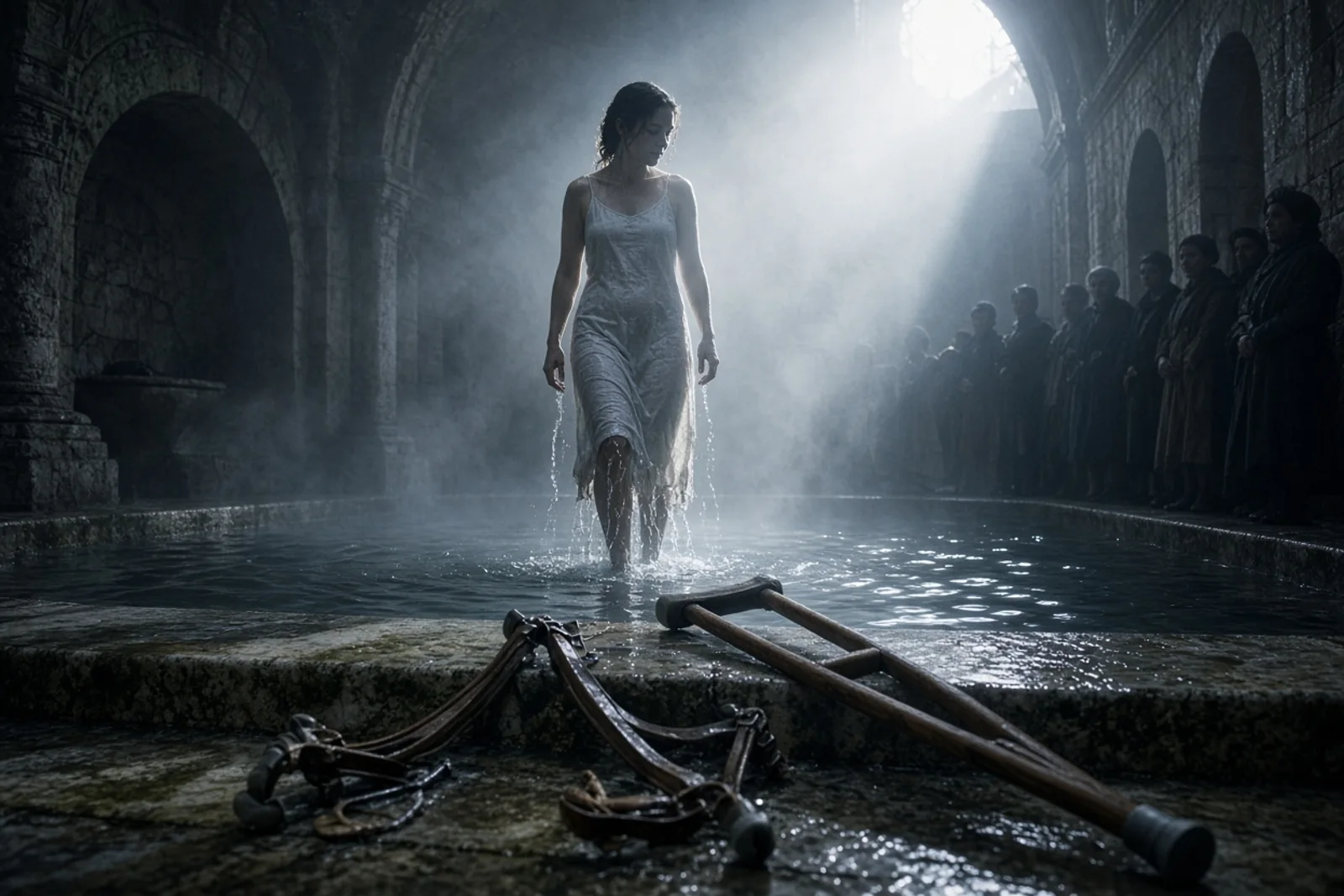
The bell for Mass had already rung when I reached the chapel door, my veil still damp from the morning mist outside Rennes. I slipped into the choir stall beside Sister Marie Marguerite and tried not to stare at the way her swollen legs pressed against the wooden kneeler. The bandages under her habit had been changed only an hour earlier, yet the seepage had already begun again.
She had not walked unaided since the previous spring. The oedema that began in her feet had climbed to her knees and then higher, and the pain in her face from the neuralgia made even the simplest turn of the head a visible effort. We had all watched her try to keep the turn-table duties as long as she could, answering the little bell and sliding the tray of bread or messages through the grille. Then the cardiac attacks grew worse and the doctor ordered her to stay in the infirmary wing.
That morning she sat upright only because the novice had propped cushions behind her back. Her breathing came in short pulls. When the priest raised the Host, her right hand, resting on the stall rail, suddenly straightened. The fingers that had been curled for months opened flat against the wood. She drew one long breath and the sound of it carried across the chapel.
The swelling did not go down gradually. It left her legs as if someone had untied a knot. The bandages, loosened at once, slid down beneath her habit and pooled around her ankles. She looked at them, then at me, and stood. The shoes she had not worn in eight years were under the stall; she stepped into them without help and walked the length of the choir to the sacristy door before anyone else moved.
We followed her out. She went straight to the turn-table, pulled the little wooden shutter, and waited for the first call. By noon she had answered three visitors and carried the tray herself to the refectory. The doctor who had been summoned arrived after Vespers. He examined the legs, asked her to flex each foot, and said nothing for several minutes. Then he asked whether she had taken any of the medicines left on the table beside her bed. She answered that she had used only the water from Lourdes throughout the novena.
He returned the next morning and the morning after that. Each time he left without altering the chart. By the end of the week she was again rising at four for Matins and working the turn-table until Compline. The community said nothing aloud about the change, but the infirmary bed stayed empty.
The war years kept the house quiet. We heard the news of the fighting in the east and the shortages that reached even our suppliers, yet Sister Marie Marguerite continued without relapse. The cardiac crises did not return. The renal symptoms that had begun in 1924 stayed absent. She answered the grille, mended linens, and attended every Office. The doctor who had seen her in 1937 continued his visits until 1945, each time recording the same unchanged state.
In November 1945 three physicians met at the archbishop’s request and reviewed the records. They found no medical explanation for the sudden disappearance of the oedema and the other symptoms on a single morning. A Canonical Commission examined the testimony early the next year and sent its report forward. On 20 May 1946 Cardinal Roques declared the cure miraculous and attributed it to the intercession of Our Lady of Lourdes.
Sister Marie Marguerite remained at the turn-table through the end of the war and for several years afterward. She died in the convent infirmary in her eighty-ninth year, the same bed she had left empty on the morning the bandages fell.