




The Healing of Francis Pascal's Daughter
Infantile paralysis cured
FaithTap · Oct 2, 2026 · 9 min read
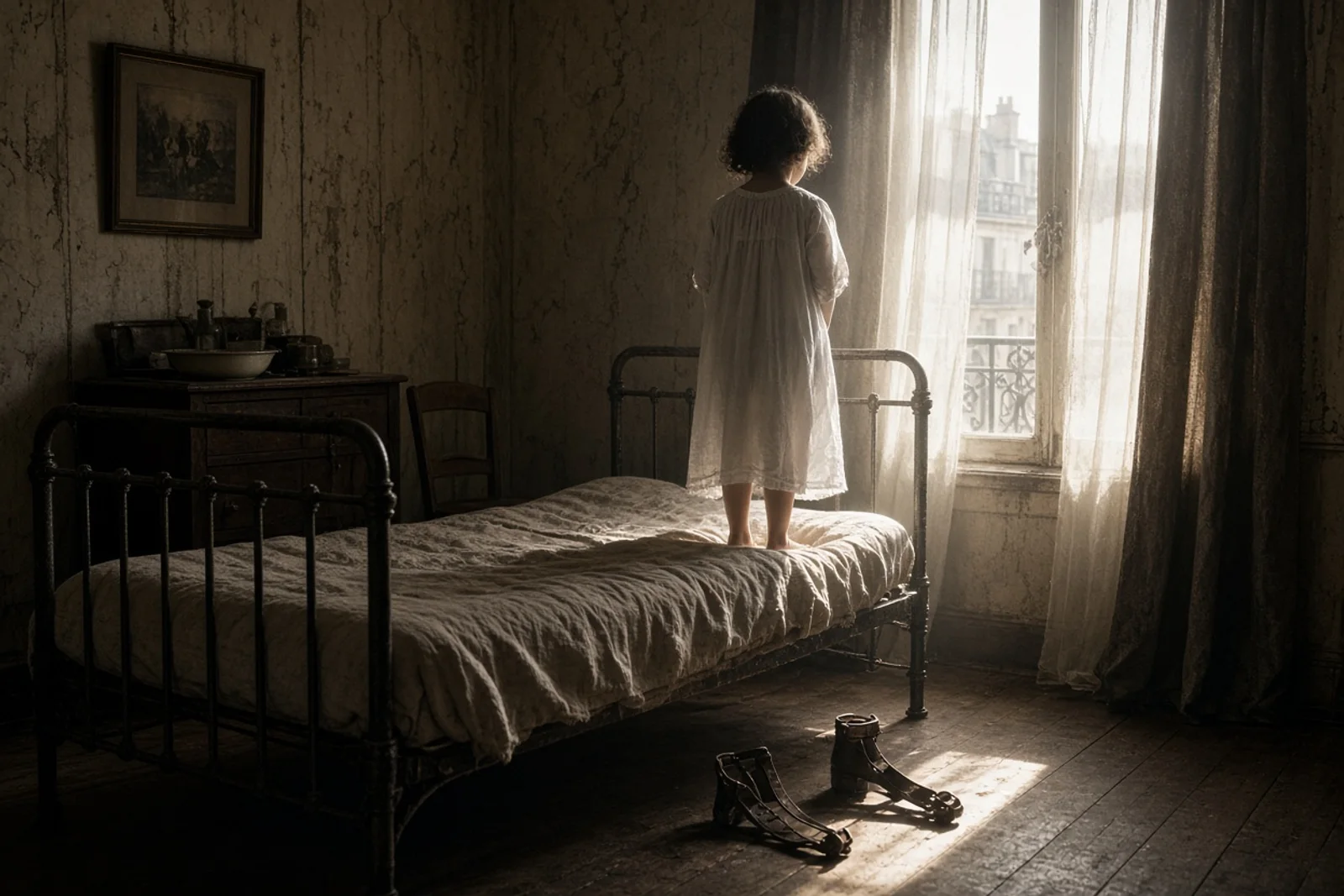
The water in the first piscina still carried the chill of the morning when they brought the boy down. I had been helping at the baths since dawn, sleeves rolled past my elbows, the stone floor slick under my shoes. The child lay rigid across his mother’s arms, eyes open but seeing nothing, arms and legs locked straight as if the meningitis had turned bone to iron. She had carried him from the train herself. No one offered to take him from her.
She gave his name quietly—Francis Pascal, three years and ten months—and said the doctors in Beaucaire had already counted twelve of their own who agreed there was nothing left to try. The last one had told her to keep the curtains drawn so the boy would not know the difference between day and night. She had brought him anyway.
We lowered him into the water the first time on the last day of August. He screamed once, a thin sound that stopped as soon as it started, and went rigid again. His mother’s face stayed blank. When we lifted him out she wrapped him in the same towel she had carried from home and walked back to the hospice without speaking.
Two days later she returned. The line at the baths had not shortened. She waited her turn again, still carrying him. This time he did not cry when the water touched him. He lay still while the attendants supported his head. When she lifted him free he blinked, once, twice. Then his right hand moved.
She stopped halfway back to the hospice. The boy was looking at the row of wheelchairs lined against the wall. One of them held an old woman being pushed toward the grotto. Francis pointed with the same hand that had been stiff the hour before.
“Look, Maman,” he said. “The lady’s wheeling a little carriage.”
His mother’s knees gave. She sat on the path with the child still in her arms and did not move until someone came to help her stand.
I followed them only as far as the door of the hospice. Inside, the doctor who had examined him on arrival was called again. He asked the boy what color the shutters were on the building across the courtyard. Francis answered without hesitation. The doctor asked again, then stepped outside and came back with his own coat over one arm. He held it up and asked what it was. The boy said it was a coat. When the doctor asked the color, Francis said blue.
The next morning the mother took him home to Beaucaire. The family doctor there, a man named Darde, met them at the station. He had signed the papers declaring the child blind and paralyzed before they left. Now he watched the boy walk the length of the platform without falling. He asked Francis what the red car parked at the curb was. The boy answered at once. Darde wept in the street.