




The Healing of Jean-Pierre Bély's Sister
Multiple sclerosis cured
FaithTap · Sep 24, 2026 · 10 min read
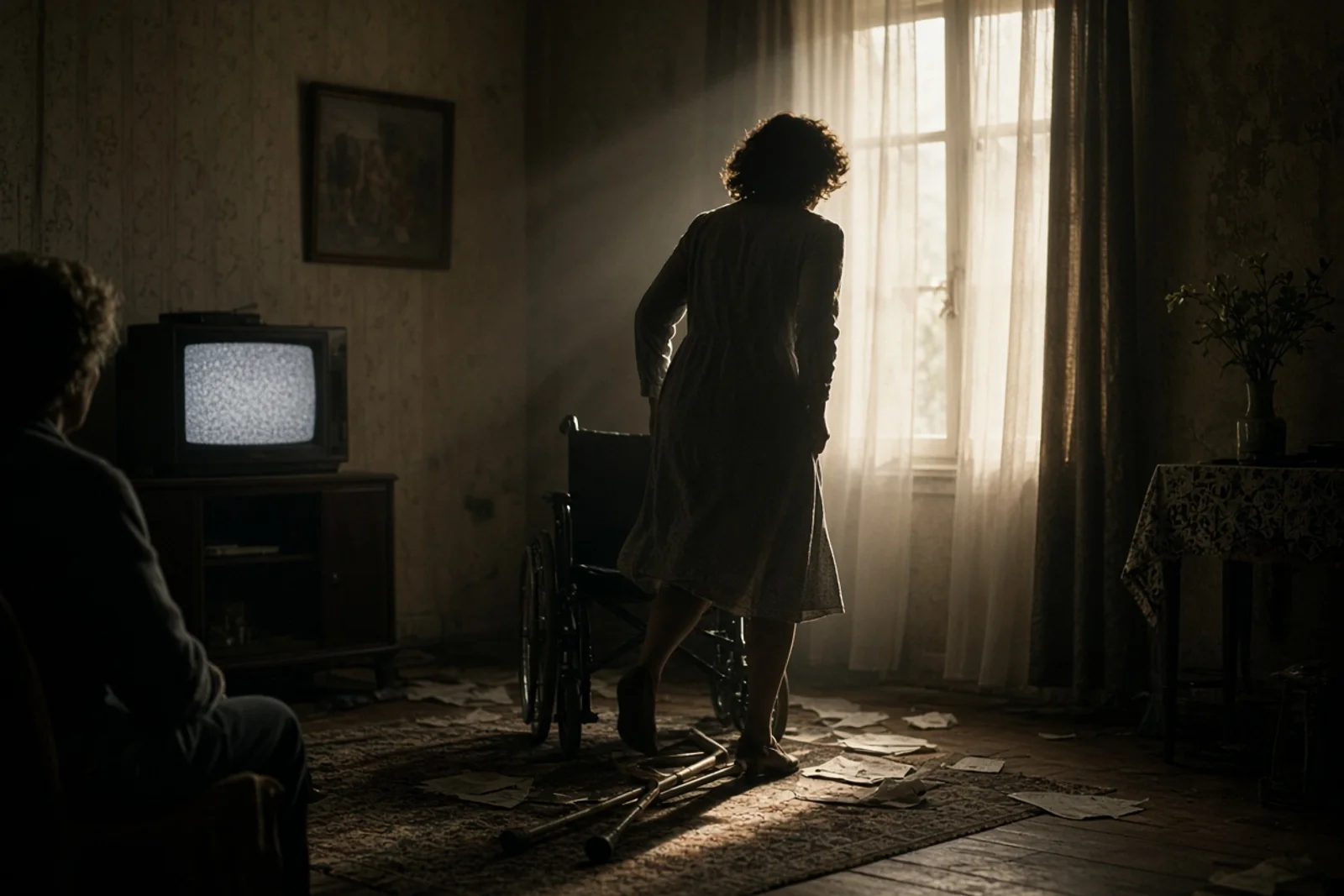
The air on the Esplanade still held the damp of the night rain when the procession formed. I stood near the side rail with two other helpers, watching the line of wheelchairs and stretchers move toward the altar set up under the open sky. Jean-Pierre Bély sat in one of the chairs, his head tipped slightly forward, hands resting on a blanket that covered his legs. He had arrived the day before from Angoulême with the diocesan group, already marked as needing the anointing.
We had been told his name and his age, fifty-one, and that the multiple sclerosis had left him unable to stand for more than a few seconds. The chair was pushed by a volunteer from his parish. Bély spoke little, but his eyes followed the statues and the passing priests. When the bishop reached his row, the oil was applied to his forehead and palms while the prayers were read. The moment passed without any visible change. He was wheeled back into line with the others.
Later that afternoon the group returned to the hotel. Bély remained in the chair through the evening meal. One of the women from his diocese helped him with the plate. No one expected movement. The next morning, when the buses lined up for the return journey, he asked to be helped to stand so he could use the lavatory. The helper reached under his arms as usual. Bély’s legs took the weight.
He did not fall. He took two steps, then three, holding the door frame. The helper called another person. Within minutes several pilgrims had gathered in the corridor. Bély walked the length of the hallway and back without support. His face showed no strain. He said only that the stiffness had gone.
I was still at the sanctuary when word reached the medical office. A doctor from the bureau asked to see him before the group left. Bély walked into the examination room unaided. The doctor tested reflexes and balance, then asked him to repeat the walk. The notes were written quickly. No one claimed the outcome at that hour. The bus left for Angoulême with Bély seated but no longer strapped in.
Three days later Patrick Fontanaud opened his surgery door in La Couronne and found Bély standing on the threshold. The doctor had last seen him in the wheelchair two weeks before the pilgrimage. He later described the moment as one that made him question the limits he had been taught. Bély walked the short distance to the examination table and sat without assistance. Fontanaud checked the same neurological signs that had been recorded for years. The findings no longer matched the previous files.
Bély returned to ordinary activities. He cared for his two children and resumed work that had been closed to him since the diagnosis in 1984. The wheelchair remained folded in a storage room. No relapse appeared in the following months. The case was reported to the Lourdes medical bureau the next spring, as required for any claim of sudden recovery.
The international committee began its reviews in 1988. Neurologists and psychiatrists examined the original records, the post-event examinations, and Bély’s own account. Ten years of repeated checks followed. The committee concluded that the recovery had been sudden, complete, and lasting, yet stopped short of declaring a medical explanation impossible. In February 1999 the bishop of Angoulême, Jacques Perrier, issued the formal recognition that placed the healing on the official list as the sixty-sixth accepted since 1862.
Bély attended the announcement at Lourdes. He stood at the back of the crowd during the public reading. Later he spoke of the anointing and the rosary prayers as the context in which the change occurred, without claiming any special vision or voice. The medical file remained open for further study if new evidence appeared. No such evidence has altered the recorded sequence.