




The Healing of Jeanne Fretel's Brother
Tubercular peritonitis cured
FaithTap · Sep 26, 2026 · 10 min read
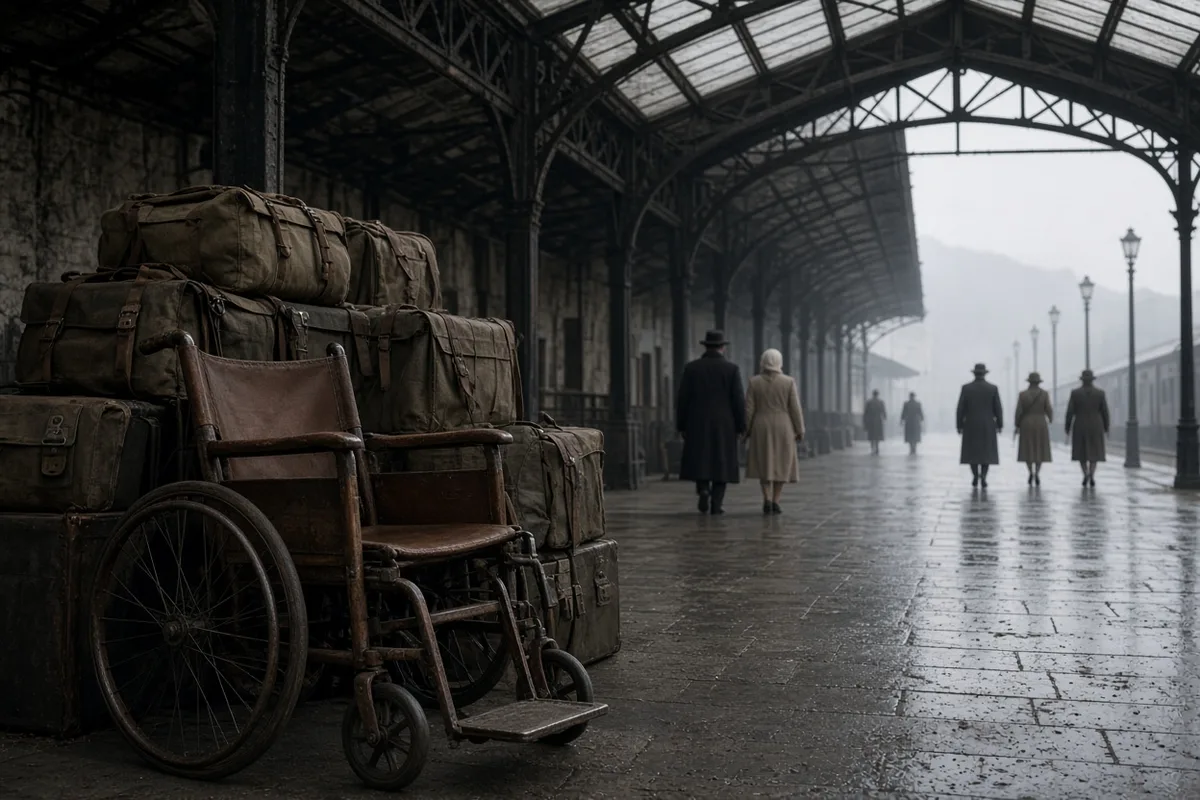
The stretcher creaked under the weight of the canvas as we lifted it from the train platform. Rain had slicked the stones, and the October air carried the smell of wet wool and coal smoke from the engine. I kept one hand on the frame to steady it while the other gripped the strap. The woman inside did not stir. Her face had the gray look of someone already halfway gone, skin stretched tight over bone, eyes sunk deep. A priest walking beside us murmured the rosary in a low voice that matched the rhythm of our steps.
We reached the Domain just before the afternoon procession. The friends who had brought her from Rennes stayed close, one of them carrying a small bundle of her things. They had planned the trip for their own daughter and changed the ticket at the last moment. No one explained why they chose this particular sick woman instead. They only said the bed had been empty and the train was leaving.
Inside the basilica the air was warmer, thick with candle smoke and the sound of many voices. A doctor from the bureau stood near the entrance, checking names against a list. He glanced at the stretcher, asked the diagnosis, and wrote something down without looking up again. Tubercular peritonitis, seven years. Coma for days now. The priest asked if the Blessed Sacrament could be given. The doctor nodded once.
They placed the fragment between her lips. Nothing changed at first. Then her eyelids moved. She swallowed. Someone shifted the stretcher so she could see the altar. By the time the procession reached the grotto she was awake enough to be propped on pillows. The friends stayed with her through the evening prayers. I went back to the hospital trains to help unload the rest of the arrivals.
Night came on quickly. The spring ran steady under the rock, the only sound besides the wind moving through the trees. Most of the pilgrims had gone to their lodgings. A few wheelchairs remained along the path. Hers was one of them. She sat upright, hands folded, staring at the water. No one had helped her drink or bathe. The doctor on duty had already recorded that she refused both.
I passed by once more on the way to the night shift. She turned her head when she heard the footsteps. Her voice was steady. She said the fever had left her while she sat there. She could feel the difference in her skin, the way breathing no longer hurt. The friends who had brought her came running when they heard. One of them touched her forehead and began to cry. The other went to find the priest.
By morning the color had returned to her face. She stood without help and walked the length of the esplanade. The same doctor who had noted her arrival now examined her again. He listened to her chest, checked the abdomen, asked her to describe the pain that had been constant for years. She said there was none. He wrote the findings in the register and added the date: 9 October 1948.
She remained in Lourdes another day to satisfy the bureau’s first questions. Then she returned to Rennes. The medical commission there reviewed the old X-rays and the new ones. They could find no trace of the lesions that had been documented for seven years. The case moved forward slowly after that. Five years passed before the International Committee met on it. The vote was two-thirds in favor of calling the recovery inexplicable by any known means at the time.
She never returned to nursing. Instead she entered the Benedictines and later lived alone as a hermit. She came back to Lourdes every year for the Rosary, always arriving on the same date. When asked what had happened beside the spring she answered the same way each time: she did not know. She only knew the illness had ended and that she had been given time she had not expected.