




The Huguenot Village of Le Chambon-sur-Lignon
French Protestants hide 5,000 Jews from Nazis
FaithTap · Sep 30, 2026 · 10 min read
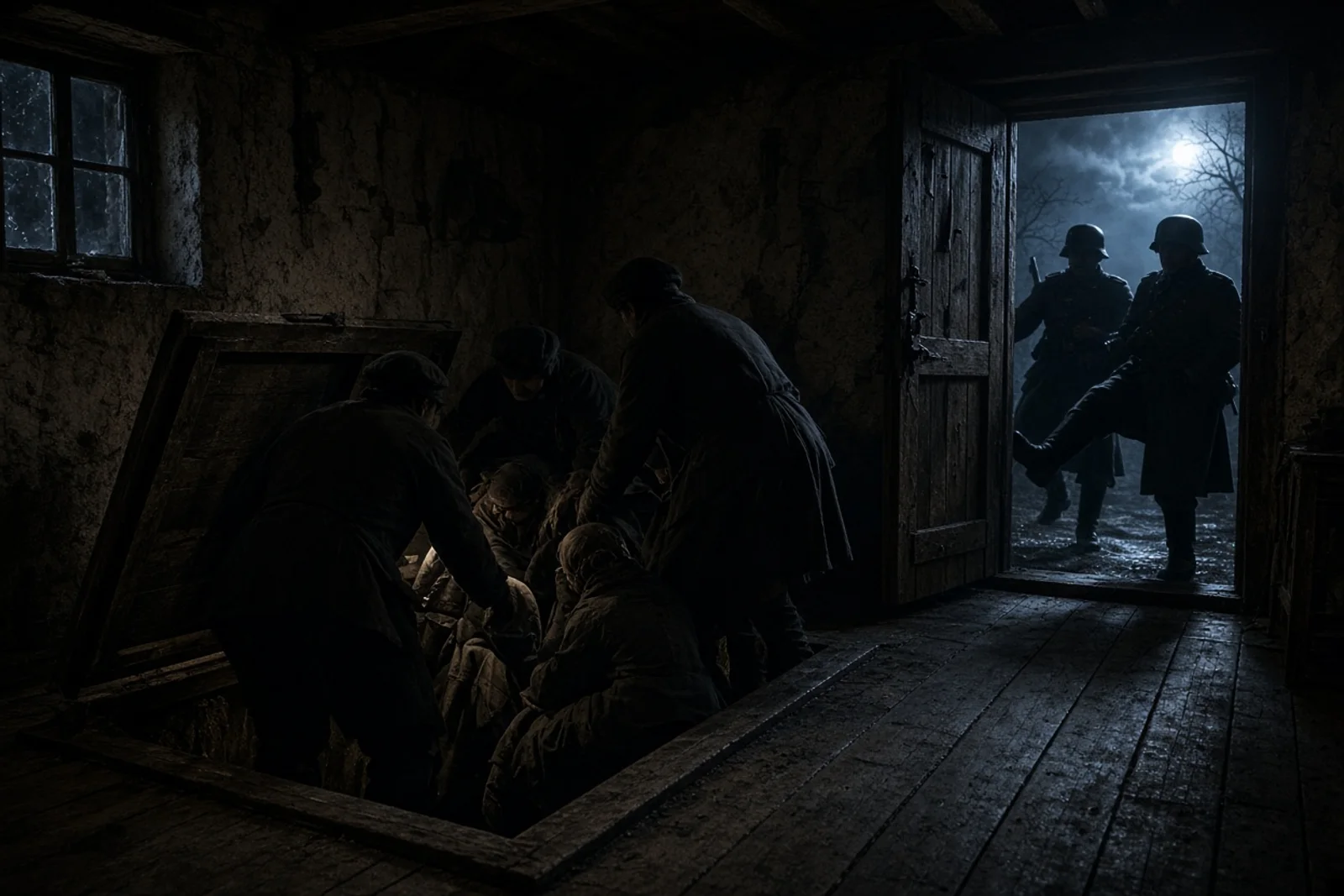
A cart wheel cracked on the frost-rutted road above the Lignon, and I steadied the horse with one hand while the other stayed on the shoulder of the girl beside me. She had not spoken since we left the station at Tence. Her coat smelled of the camp at Gurs, sour wool and disinfectant, and her fingers kept tracing the edge of a cardboard tag that still carried her number. I told her the village lay just beyond the next stand of pines. She nodded once.
We reached the square at dusk. Magda Trocmé stood on the steps of the presbytery with two blankets already folded over her arm. She took the girl without asking a name or a destination, only whether she had eaten that day. The girl shook her head. Magda led her inside and set a bowl of soup on the table before the child could sit. No one else in the room looked up from their mending or their books. That was how it began for us.
By the following week the empty rooms above the school had mattresses on the floor. André Trocmé came each morning with a list of farms that still had space. He never raised his voice when he spoke to the children, yet the room grew quieter when he entered. He carried a small black notebook and wrote down only the things they needed—shoes, a coat, a letter sent to a relative in Switzerland. The notebook never left his coat pocket.
One afternoon a man arrived from Marseille carrying a suitcase that rattled with false papers. He handed them to me without ceremony and asked if I knew where to hide the next group that would come on the Thursday train. I told him the forest track behind the sawmill. He nodded and left before I could ask his name. Later I learned it was Edouard Theis, the assistant pastor, though he never used the title when he moved people.
Winter closed the roads. The burle wind cut across the plateau and left the children coughing in the unheated dormitories. We moved the smallest ones into farm kitchens where the bread ovens stayed warm through the night. A boy from Strasbourg kept a diary in which he drew the same tree every day, adding one branch each time a new child arrived. He showed it only to me.
In spring the first police notice appeared on the mairie door. It asked for declarations of all foreigners. André read it from the pulpit on Sunday and said nothing more. The following week the same notice had been torn down and replaced with a poster for a traveling cinema that never came. No one mentioned the change.
A group of older boys from the public school refused to join the youth movement the Vichy inspector tried to start. They stood in the courtyard and told him they made no distinction between the children they knew and the ones they did not. The inspector left the same afternoon. The boys returned to their lessons as though nothing had happened.
By summer the presbytery itself held twelve children. Elizabeth Kaufmann slept in the room above the kitchen and wrote in a diary she kept under her mattress. She recorded the exact hour each new face appeared at the door and the hour each name was changed. She never asked why the changes were necessary.
One evening André stood at the window and watched a black car slow on the road below. He did not move until the car passed. Then he turned and asked whether anyone had checked the hayloft behind the church for fresh straw. We had not. He walked out without another word.