




The Miracle of Calanda
Amputated leg regrows overnight
FaithTap · Oct 3, 2026 · 11 min read
The cart had already passed when I reached him that afternoon outside Castellón. Miguel Juan Pellicer lay in the dust with his right leg twisted under him, the tibia snapped clean through. His uncle Jaime Blasco lifted him onto a mule and turned toward Valencia. I watched them go and thought the break would mend in time.
He reached the hospital there after a few days of hard travel. Five days later he left again, the leg now swollen and dark. The road to Zaragoza took him fifty days on foot. By the time he arrived at the hospital of Our Lady of the Pillar the flesh had turned black and the smell reached the ward door before he did.
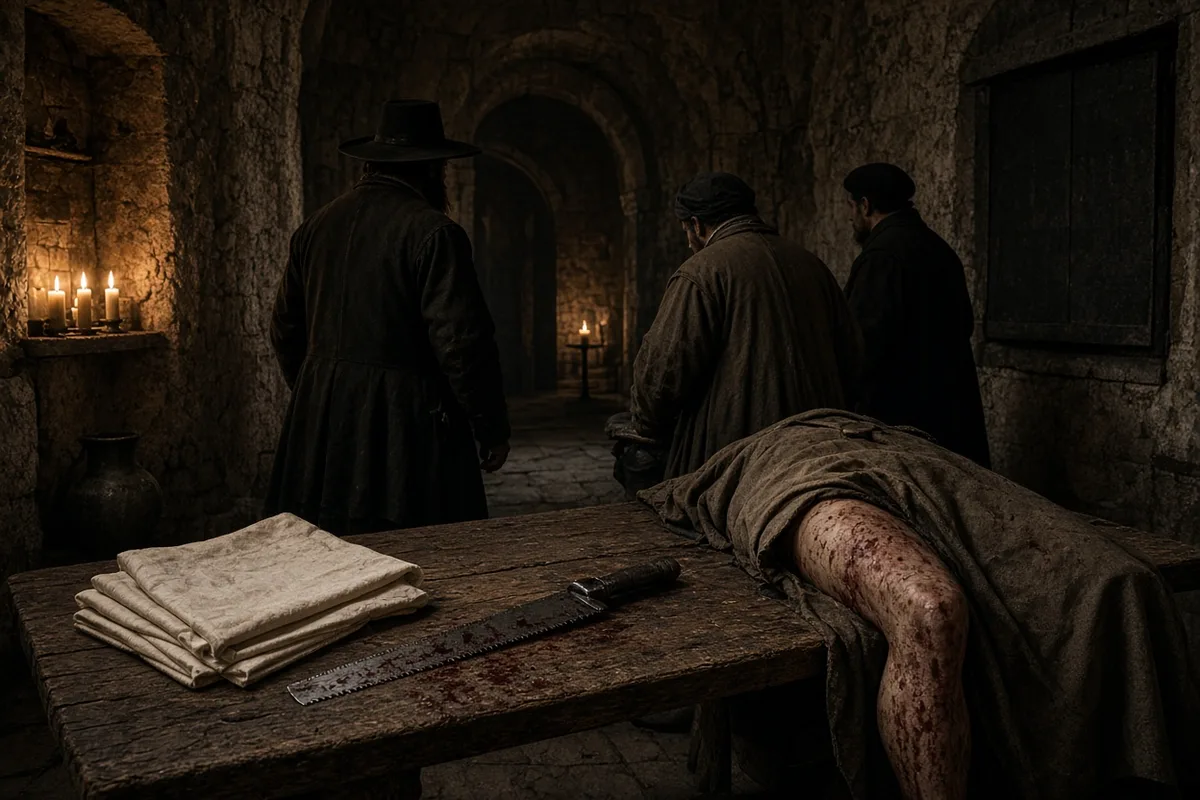
I was living in Zaragoza then and saw him often enough after the surgeons finished. Juan de Estanga and Diego Millaruelo took the leg four fingers below the knee in mid-October. They buried what they cut away in the hospital plot. Miguel Juan stayed on for months while the stump healed. When they gave him a wooden peg and crutches he applied for a begging license at the sanctuary. The priests granted it. Every evening he asked for a little oil from the lamp that burned before the Pillar and rubbed it into the scarred end of his leg.
For nearly two years he moved through the same streets I walked. People knew the one-legged man who came to mass each morning. He returned to the hospital for check-ups and Estanga examined the stump each time. In the spring of 1640 he decided to go home to Calanda. He rode a donkey the last stretch and arrived during the second week of Lent.
I went back to Calanda myself that month to settle a family matter. On the evening of 29 March a soldier took Miguel Juan’s usual bed, so he spread a blanket on the floor of his parents’ room. His mother entered after ten o’clock to check the fire. She saw two feet under the cloak. She called her husband. They pulled the cloak away and found their son lying there with both legs whole.
They shook him awake. He told them he had dreamed he stood again inside the sanctuary, rubbing oil on the leg that had been gone. The three of them stayed in the room until first light. By mid-morning the judge of Calanda arrived with two surgeons. They measured the leg, noted the old scars from a childhood cyst, a dog bite, and the cart wheel itself, and wrote what they saw. The report left for Zaragoza the same day.
On 1 April the royal notary Miguel Andréu came from Mazaleón with the parish priest of that village. Ten people who had known Miguel Juan both before and after the amputation swore to what they had seen. Their statements were sealed and carried away.
Word reached Zaragoza within days. On 25 April Miguel Juan and his parents walked the road back to the city they had left two years earlier. Crowds lined the streets. Men and women who had dropped coins into his cup now touched the restored leg and asked how it felt. He answered that it was still weak and the toes would not yet straighten.
The archbishop ordered a formal inquiry that opened on 5 June. Twenty-four witnesses were chosen from more than a hundred who offered to speak. All hearings were held in public. The surgeons Estanga and Millaruelo testified under oath that they had cut the leg away and that the wound they treated afterward matched the one now healed. The hospital priest and the assistant surgeon confirmed the same. No one raised a dissenting voice in the record.