




The Miracle of the Andes Survivors
Rugby team survives 72 days after plane crash in Andes.
FaithTap · Sep 24, 2026 · 10 min read
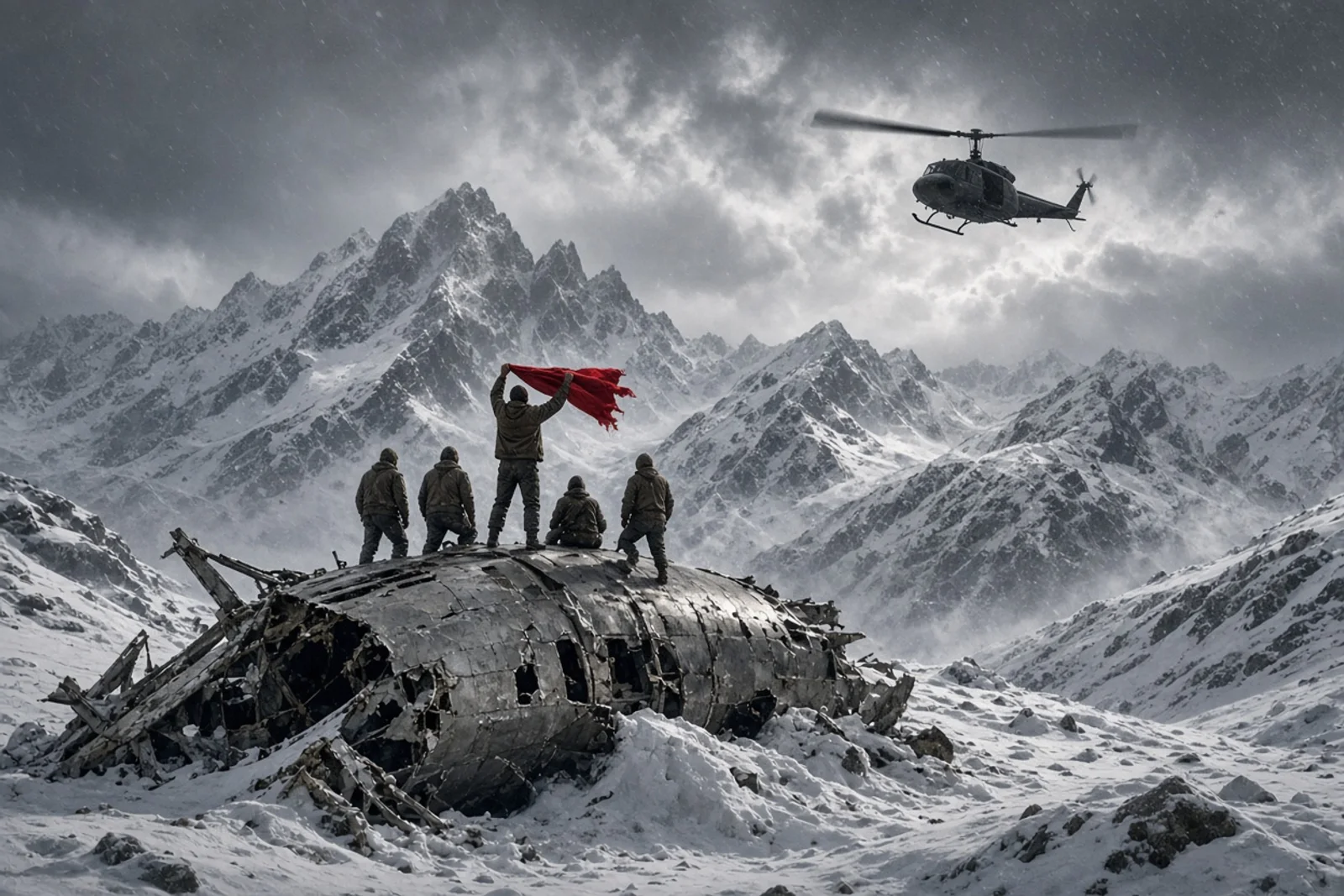
The right wing sheared clean through the fuselage and the tail section spun away into white nothing. Metal screamed and then there was only the hiss of wind across torn insulation. I came to with my face pressed against someone’s boot and the smell of jet fuel thick in my nose. Panchito Abal lay two seats away, eyes open but seeing nothing. The co-pilot was already gone, blood frozen black on his collar. We counted heads by voice at first, then by touch when the light failed. Twenty-nine of us still breathed when the sun dropped behind the ridge.
We stacked the loose seats into a crude wall and pulled the wounded inside the broken hull. Roberto Canessa moved from one man to the next, pressing snow against gashes that would not stop bleeding. Nando Parrado sat with his mother until her breathing stopped sometime after midnight. No one spoke the word rescue that first night. The altitude pressed on the chest like a hand.
Morning brought a sky so clear it hurt. We melted snow in twisted seat backs and passed the aluminum cups hand to hand. The chocolate and wine lasted three days. After that the only thing left was the quiet inventory of bodies already stiff under the tarps we had rigged.
Canessa was the first to say it aloud. He stood outside the fuselage with two others, the wind cutting across their faces, and told us what the body does when it has nothing else to burn. No one argued. We waited until the next death before anyone moved.
The first cut was made with a piece of window glass. The man doing it kept his eyes on the snow the whole time. We cooked nothing at first; the cold made fire impossible. We swallowed what we could and turned away when the stomach rebelled. The names we avoided saying while we ate.
By the tenth day the snow had buried the smaller pieces of wreckage. We dug a narrow trench around the fuselage so the wind would not seal us in completely. Parrado kept a tally on the inside wall with a burnt match. Each mark stood for another morning we had not died.
The avalanche came on the afternoon of the twenty-ninth. It poured through the open tail like water and packed the fuselage solid. Eight more died where they lay. We clawed at the snow with seat frames and bare hands until the air pockets gave out and the screaming stopped. Canessa’s voice was the only one still steady when we finally broke through to the surface again.
After that the living moved slower. We kept the dead wrapped and set them in a line outside the fuselage where the sun could reach them. The decision had already been made; we simply continued it. No one kept count of how many times we returned to the line.
Parrado and Canessa began walking on the thirty-fifth day. They took what food they could carry and left the rest of us to hold the fuselage against the next storm. We watched their figures shrink against the white slope until the ridge took them. No one expected to see them again.