




The Moravian Missionaries at Herrnhut
Renewal movement begins 24-hour prayer watch
FaithTap · Sep 30, 2026 · 10 min read
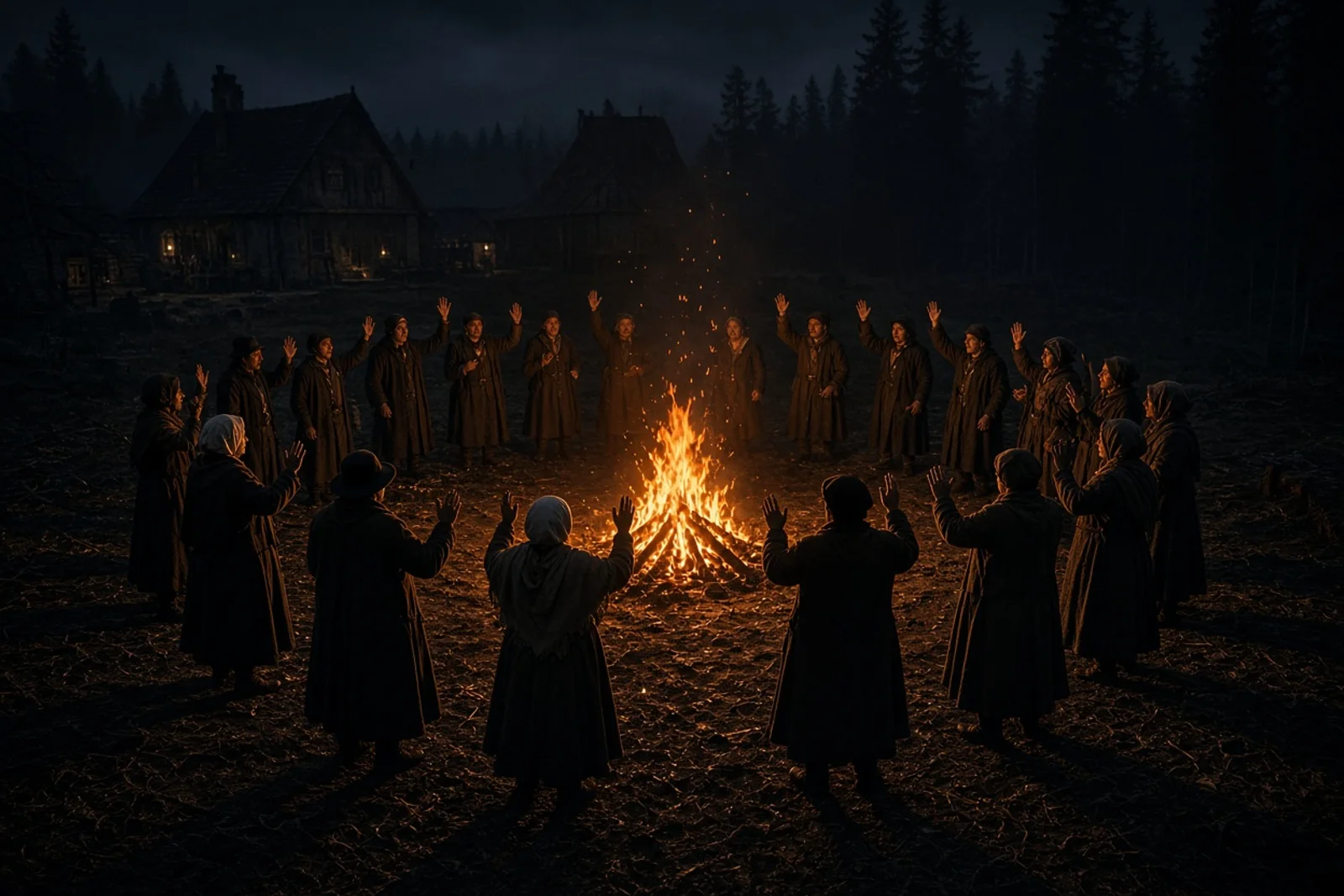
I was hauling a sack of rye toward the drying shed when the word reached us. Someone had written our names on a board by the meeting house door, and the shifts were already filling. The count had given the order himself the night before. No one would sleep through the dark hours again until every hour had a voice raised in prayer.
The village sat on the edge of his land, eighty kilometers from Dresden, a scatter of timber houses and barns where we had gathered after the flight from Bohemia. Most of us were weavers or carpenters or men who had once worked the fields under other lords. We spoke little of the old country now. The new work was here, and the new rule was that prayer would not stop.
I signed for the hour before dawn. My hands still smelled of grain when I walked to the long room that first evening. Candles stood on the table, and a single lantern hung from the beam. Twelve men sat on the benches. None of us looked at the others for long. We had lived together for months, yet the silence felt heavier than any work we had shared.
The first voice rose from the far end. It was a thin sound at first, then steadier as the man found his place in the psalm. When he finished, the next took it up without pause. The words passed from one to the next like a bucket along a line. Outside, the wind moved through the pines. Inside, only the low murmur continued.
I took my turn near midnight. The room had grown colder. My knees ached against the bench. I spoke the verses I knew, and when I stopped the man beside me began at once. No one asked how long we would keep this going. The board at the door already showed names through the next day and the day after that.
By the third night the shifts had lengthened. Women came as well, sitting on the far benches with shawls over their heads. Children were sent home after the evening meal, but a few older boys stayed to carry wood for the stove. The count walked through once, his boots loud on the boards, and stood at the back without speaking. When he left, the prayer went on.
On the fifth morning a messenger arrived from the neighboring village. He brought news that the same watch had begun there. Someone read the letter aloud between shifts. A few men nodded. No one smiled. We had expected the work to stay inside these walls.
The rain came on the seventh day. Water ran under the door and pooled near the stove. We moved the benches and kept the voices steady. One man coughed through his entire hour and still did not miss a line. Another fell asleep sitting upright and was shaken awake before his turn ended. The board outside now carried names into the next week.
Zinzendorf returned from Dresden on the tenth day. He stood in the doorway during the noon shift and listened. Later he spoke with the elders in the count’s house. We heard nothing of what passed inside, only that more names had been added and that the watch would not end when the first month closed.