




The Rescue of Danish Jews by Fishing Boats
Danish citizens ferry 7,200 Jews to safety in Sweden
FaithTap · Sep 29, 2026 · 12 min read
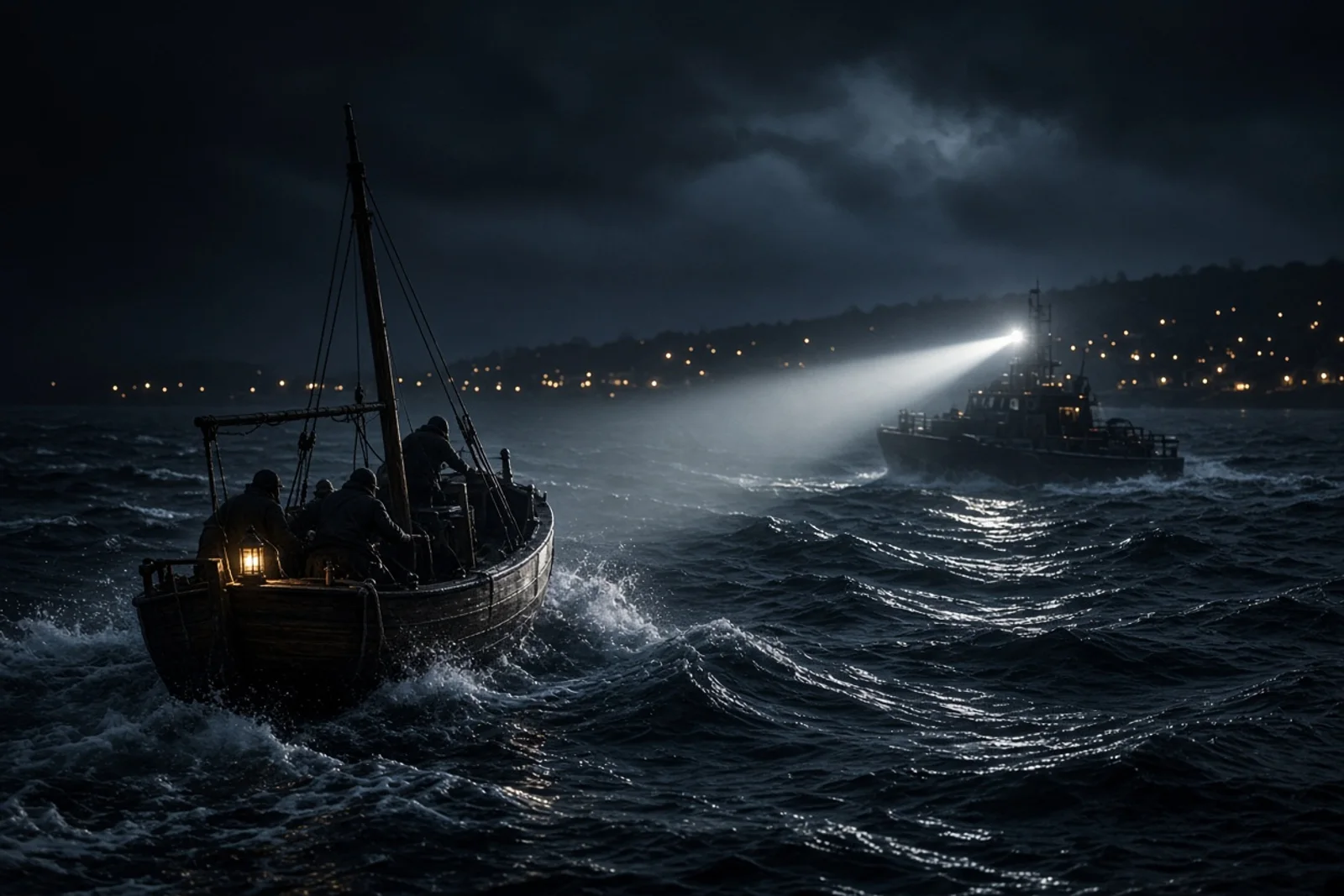
The engine coughed once and died. I killed the running lights and let the hull drift against the pilings while the others listened for patrol boats. Salt air stung my eyes. Someone below deck shifted, cloth against wood, then went still again.
We had taken eleven that night. Two women held a baby wrapped in an oilskin. A boy of six sat on a coil of rope, knees pulled to his chest, watching the water through the hatch. His father kept one hand on the boy’s shoulder and the other on a small suitcase that held their papers and a single photograph. The mother stayed quiet, eyes on the far shore we could not yet see.
Preben came down the path with two more. He moved without hurry, the way he had learned to move when Germans were quartered in the village. He spoke low to the newcomers, pointed them toward the ladder, and counted heads. When the count reached thirteen he nodded once and stepped aboard himself. The boat settled deeper.
We pushed off before the next patrol cycle. The straits lay flat under a thin moon. Four miles to Sweden. Fifty minutes if the engine held. The boy’s father asked nothing. He only watched the dark line of the Danish coast fall away.
Earlier that week the warning had reached us through the usual chain. A German naval attaché had spoken to a Danish politician, who had passed the word to the Jewish community in Copenhagen. Rabbi Melchior had stood in the synagogue during the New Year service and told the congregation to leave at once. Families packed what they could carry and caught trains south and north, some to Falster, some straight to the fishing villages along the Sound. In Snekkersten the houses near the water filled with strangers who spoke in whispers and waited for dark.
We ran the boats at night because the Gestapo searched by day. We took no more than twelve at a time so the freeboard stayed low enough to look like an ordinary herring boat. Preben kept the list in his head. He never wrote names. When the Germans seized the government in late August he knew the roundups would follow, and they did, on the first night of October.
The boy on the rope coil began to shiver. His mother wrapped a sweater around him without speaking. The engine turned over on the third try and settled into its steady knock. Spray lifted over the bow and ran down the deck. No one complained.
A larger boat passed us going the other way, lights doused, low in the water. We did not signal. Each crew worked its own stretch of coast. Some used rowing boats when the engine fuel ran out. A few swimmers reached the Swedish side on their own, though most did not try. The water stayed cold even in early autumn.
We made landfall at a narrow inlet north of Helsingborg. Swedish police waited on the beach with blankets and coffee. They counted us again, wrote the names in a ledger, and directed the adults toward a train that would carry them farther inland. The boy’s father lifted the suitcase and set it on the platform. The boy looked back once at the boat, then turned and followed his parents.