




The Story of the Trapp Family's Escape and Music
Austrian family flees Nazis and shares songs worldwide
FaithTap · Oct 1, 2026 · 10 min read
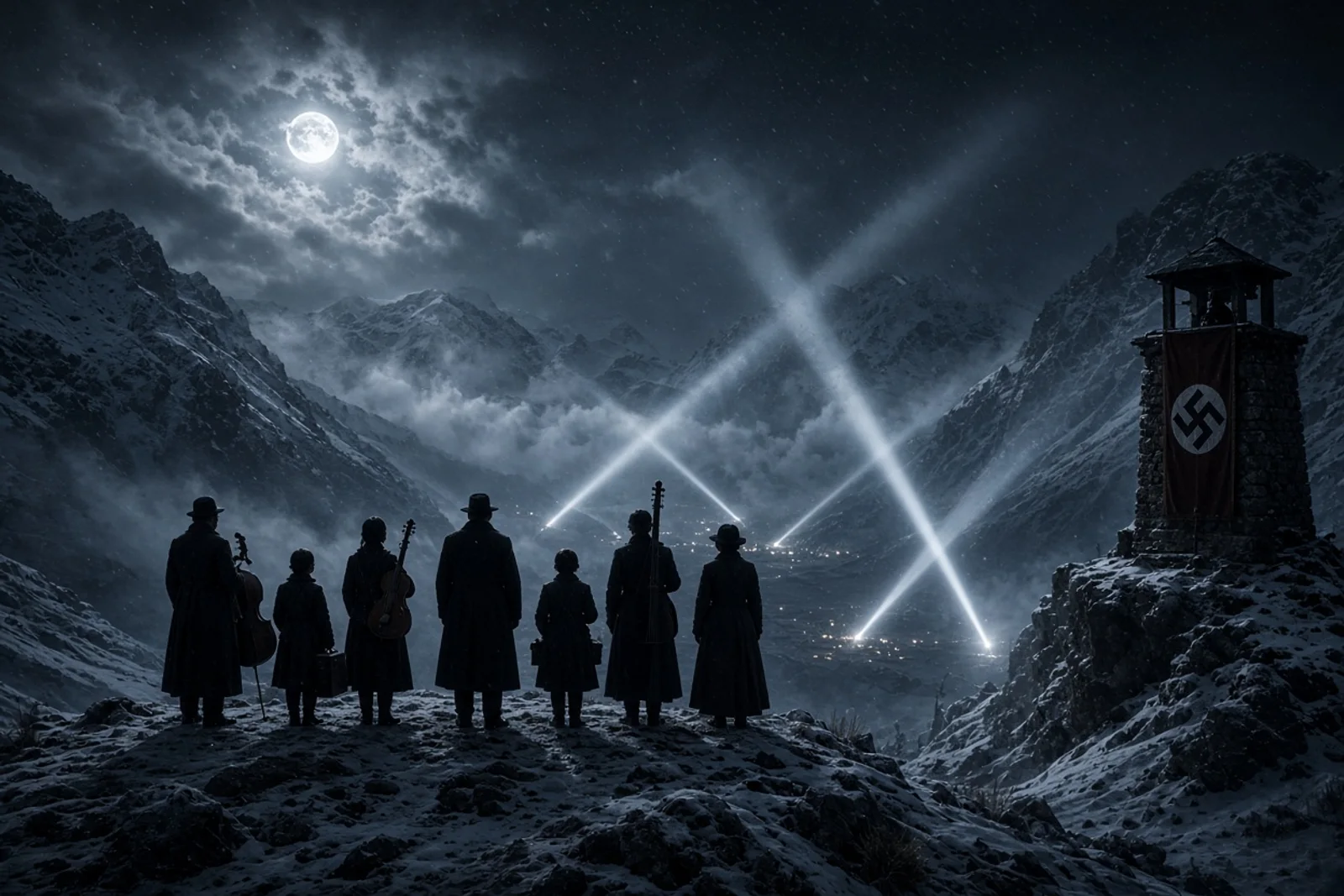
I stood by the rear gate with my hands on the cold iron, listening for the sound of the children’s footsteps on the gravel path behind the villa. The air smelled of cut grass and the river beyond the tracks. One of the older boys carried a recorder case under his arm. The youngest girl held her mother’s hand and looked back once at the house windows.
We crossed the rails in single file. A freight train idled on the siding, its metal sides still warm from the day’s sun. Georg von Trapp had already bought the tickets under the story of a holiday in Italy. Maria walked with her coat buttoned high; she was carrying the child who would be born in Philadelphia the next winter. No one spoke above a whisper. The stationmaster glanced our way but said nothing when he recognized the captain’s face.
The train to Italy left on time. I watched the carriages pull away until the last red lamp vanished around the bend. Then I walked back across the tracks alone. The villa stood empty behind its hedge. Inside, the music stands were still set up in the drawing room where we had rehearsed only three evenings earlier.
Father Wasner had come that last week with new madrigals copied in his careful hand. He stayed late, correcting the children’s Latin pronunciation by the light of the table lamp. Georg sat with his guitar across his knees and played the bass line without looking at the score. The voices filled the room and spilled out through the open windows into the garden. Lotte Lehmann had first heard them here and told them to enter the Salzburg competition. They won the prize in 1936 and then the bookings began.
After the train left, word spread quickly through the parish. Some neighbors said the family had simply gone on tour again. Others knew better. The borders closed the next morning. Heinrich Himmler later used the empty villa as a summer residence. I kept the rehearsal schedules and programs in a cardboard box under my bed for years.
The family reached London by way of the Netherlands. They sailed for New York with almost nothing left from the bank failure in 1935. Their first American manager changed the name from choir to singers. They added English madrigals and American folk tunes to the programs that had once been mostly Latin and German. The audiences grew. They bought a farm in Vermont and called the house Cor Unum.
Georg died in 1947. He was buried on the Vermont land. Martina died four years later in childbirth. The group kept singing with extra voices added until 1957. Maria Franziska and two of the younger children went to New Guinea for mission work. The others scattered across the country. Agathe taught kindergarten in Maryland. Werner farmed. Hedwig taught music. Johannes stayed to run the lodge that had once been the farm.
I never saw them again after the tracks that afternoon. Letters came from mutual acquaintances who had heard them in Boston or Chicago. One program listed a sonata by Sammartini played on antique instruments and a Dowland song. Another included Tyrolean folk tunes arranged by Wasner. The religious pieces remained the center. The family still sang for the same reasons they had sung in the Aigen church.
The last of the original seven children, Maria Franziska, died in 2014. Johannes is the only one of the later three still living. The lodge in Stowe receives guests year-round now. The family cemetery lies behind it on the slope. Georg, Maria, and Martina rest there under simple stones. The ridge above the graves faces west. On clear evenings the light reaches the markers last.