




The Village That Adopted a Leper Colony
Indian community cares for abandoned patients
FaithTap · Sep 28, 2026 · 10 min read
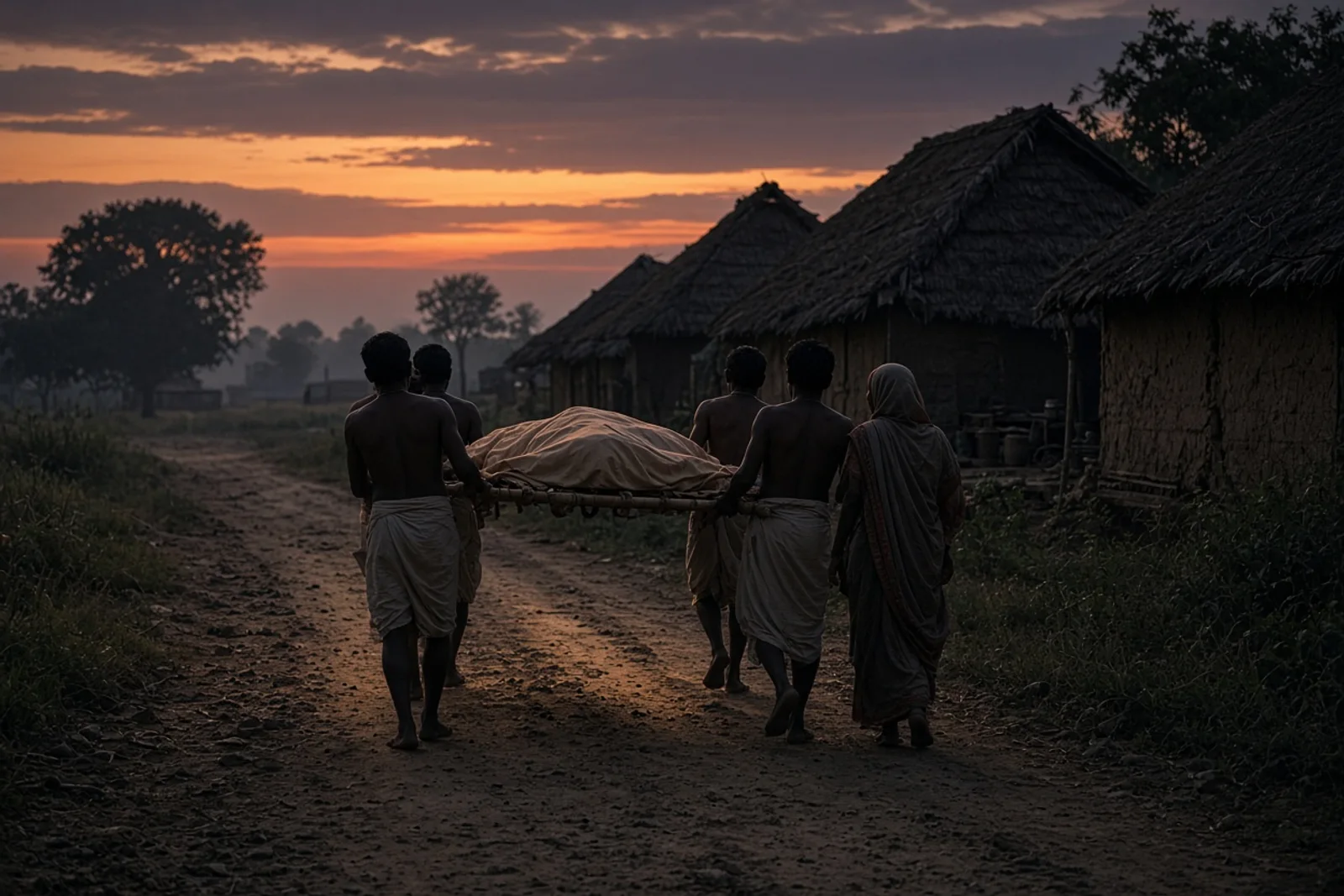
The dust from the road still coated my boots when the first patients arrived at the edge of the purchased land. Bishop Carolan had walked the boundary lines himself two weeks earlier, marking them with stakes cut from pine. He carried a rolled map and a small leather case for the deeds. We had cleared a strip wide enough for three ox carts and set posts for the first six huts. The ground sloped toward a creek that ran cold even in summer. No one else wanted the parcel. It sat too far from the main supply route and too close to the ridges the armies watched.
A woman came first on foot, carrying a cloth bundle and nothing else. She stopped at the last stake and waited. Her hands were wrapped in strips of old shirt. Behind her, two men supported a third whose feet dragged. They had walked from the rail line where the last train south had left them. Carolan met them at the creek. He spoke through an interpreter and pointed to the cleared ground. The woman nodded once and set her bundle down. By nightfall seven more had found the same spot.
We had no medicine yet beyond what the sisters carried in their cases. The sisters slept in one of the unfinished huts and rose before light to boil water. They marked each new arrival on a sheet of paper with a pencil stub. Names came slowly. Some gave only the village they had left. Cho Se-jun arrived on a morning when the sky stayed low and gray. He was thin and carried a small tin bowl. He said he had come from Sorok Island after the fighting reached the coast. He did not ask for food until we offered it.
The first bombing came on a clear afternoon. The planes flew low enough that we saw the markings under the wings. They dropped three sticks across the ridge above us. The huts shook. No one was hurt that day, but two of the new shelters caught fire from embers. We rebuilt them the next morning using the same poles. Carolan stayed on the ground with us and helped lash the thatch. He did not speak of the mistake the pilots had made. He only asked how many more stakes we needed to finish the next row.
Cha Bok-soon reached us in late summer. She had traveled alone after her family left her at a crossroads. She wore a faded skirt and carried nothing. When she spoke her voice stayed quiet. She asked where the chapel would stand. Carolan showed her the place marked for it and told her the sisters would hold services there once the roof was on. She nodded and went to help carry water from the creek.
The second bombing came at dusk. The planes returned lower. One stick fell among the huts. Two patients were killed outright. We buried them on the slope above the creek before the light failed. Carolan read from a small book by lantern. No one cried out. The next morning we moved the remaining huts farther apart and dug shallow trenches along the outer line. The sisters kept working. They changed dressings and counted the rice we still had.
Winter came early that year. The creek froze at the edges. We built a long low building from salvaged timber and used it for the worst cases. Cho Se-jun worked on the roof with us. He moved slowly but never stopped. Cha Bok-soon kept the fire going inside the sisters’ hut and boiled the bandages each evening. Monsignor Kim Hwa-tae arrived with fresh supplies in the spring. He brought two more sisters and a crate of bandages. He walked the boundary with Carolan and said the land would hold more if we cleared the upper slope.
The bombings stopped after the front moved south. We counted the new arrivals each week. By the second winter the village had thirty huts and a small chapel with a tin roof. Patients who could walk helped plant potatoes on the cleared ground. The sisters taught some of the younger ones to read from old schoolbooks. Cho Se-jun took charge of the evening count. He walked the rows with a stick and made sure no one was missed.
Cha Bok-soon stayed near the chapel. She kept a small garden beside it and gave the vegetables to those who could not leave their mats. When new people arrived she met them at the creek and showed them where to set their bundles. She never spoke of the family she had left. She only asked their names and told them the water was safe.