




Thomas Merton's Entry into Gethsemani
Writer Thomas Merton enters the Trappist monastery after years of secular life and publishes his conversion account.
FaithTap · Sep 22, 2026 · 11 min read
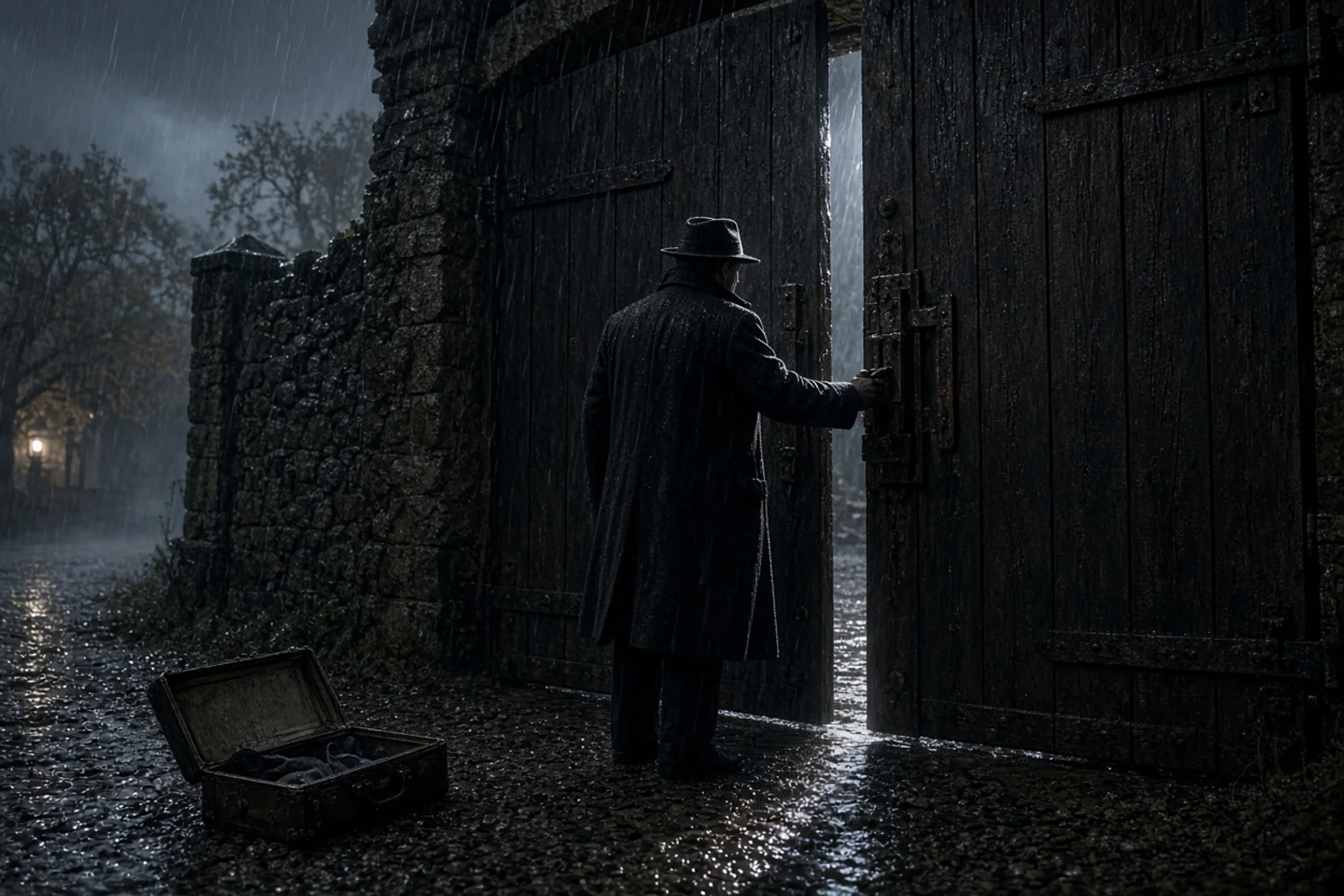
The car door slammed against the cold. I stood on the guest-house steps with a lantern, watching the driver pull away into the dark. The man left behind carried one suitcase and wore a coat too thin for Kentucky in December. He set the bag down on the gravel and looked up at the abbey walls as if they might move.
I took his name at the register. Thomas Merton, twenty-six, from St. Bonaventure. He asked if he could speak with the novice master in the morning. I told him the community would decide after three days. He nodded once and followed me inside without another word.
That first night the wind came hard off the knobs. I showed him the narrow room above the kitchen and left him with a bucket for the stove. Through the floorboards I heard him moving, then nothing. The silence of the house pressed down the way it always did after Compline.
Next morning I set him to work. He washed dishes in the scullery while the brothers ate. Steam rose around his wrists and the plates clattered when his hands shook from the cold water. Between meals he scrubbed the long corridor that led to the church. The novice master called him in twice that day. Each time Merton came out with the same quiet face, eyes lowered, and went straight back to the bucket.
On the second day he asked if there were any books he could read while he waited. I gave him the rule and a volume of psalms. He read at the table after the dishes were done, tracing the lines with one finger as if the words might slip off the page. At noon he carried slop to the pigs behind the barn. The animals crowded the trough and he stood among them without moving, watching the steam rise from their backs.
The third morning the abbot himself came to the guest house. Frederic Dunne spoke with him in the small parlor for nearly an hour. I waited in the hallway and heard only the low voices and the scrape of a chair once. When the door opened Merton stepped out, thanked the abbot, and returned to the dishes without looking at me.
That afternoon the decision reached him. He was to enter as a postulant. The formal words were spoken in the chapter room after Vespers. I stood at the back with the other brothers and watched him receive the plain black habit. His hands were still red from the wash water when he folded them to answer the questions.
The first weeks he learned the signs. We showed him the gestures for bread, for water, for the need to speak. He practiced them at the long table until the motion became smaller than a breath. At night in the dormitory I sometimes heard the rustle of his blanket when he rehearsed them again in the dark.
He stayed twenty-seven years. In 1949 the bishop laid hands on him in the abbey church and gave him the name Father Louis. The same hands that once carried dishes now lifted the chalice. The community watched him grow thinner and quieter, the way the stones of the enclosure grew darker with each winter.