




Toyohiko Kagawa Lives in Kobe Slum
Japanese Christian serves poorest and writes novels.
FaithTap · Sep 26, 2026 · 11 min read
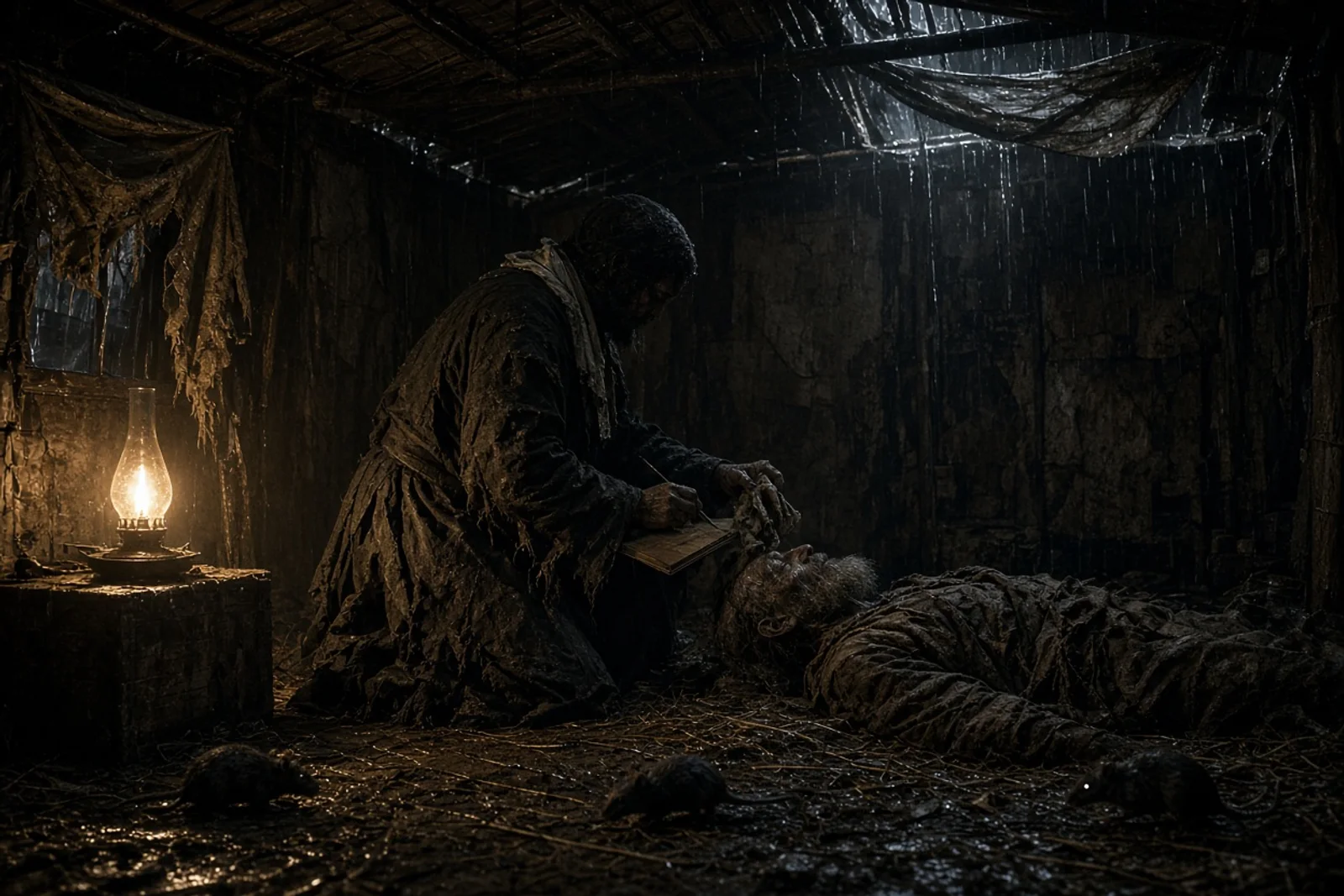
The rain had already soaked through my thin shirt when I first saw him drag the crate down the alley. He moved like someone who had never carried anything heavier than a book, shoulders hunched against the December wind off the harbor. The shed he stopped at leaned against the back wall of a fish-drying shed, its roof patched with newspaper. He set the crate down, wiped his hands on his trousers, and looked around as if he expected someone to tell him he had made a mistake.
I watched from the doorway of the next hovel. No one new came here unless they were running from something or selling something. This one looked too clean for either. He pulled a blanket from the crate, spread it on the dirt floor, and sat. Then he opened a small notebook and began writing by the light of a single stub of candle.
By morning the word had spread that a student from the theological school had moved into the empty shed. Some laughed. Others said he would last three days before the rats or the smell drove him out. I stayed away at first. The stipend he mentioned buying rice with was smaller than what most of us earned in a week hauling cargo, and I had no interest in watching another outsider try to save us.
He came to the common tap the second morning carrying two buckets. When the line moved slowly he waited without pushing. A boy with sores on his legs stood behind him. The student gave the boy his place and carried the water back for him. That evening he returned with a pot of thin porridge and set it on a flat stone near the tap. He did not call anyone. He simply ladled it into whatever bowls appeared.
I took some on the third night. The rice was undercooked and the salt was missing, but it was hot. He asked my name. I told him only the part I used in the slum. He wrote it down anyway. After that he began stopping at my doorway when he returned from the seminary. He never stayed long. He would ask what work was available that day or whether anyone had news of a family that had lost its room. Then he would leave before the lamps went out.
The shed had no door. At night the wind came straight through the gaps in the boards. He slept on the same blanket he had spread the first day, coat pulled over his chest. One morning I found him sitting outside with his eyes closed, hands on his knees, while two men argued over a stolen pair of shoes three feet away. He did not open his eyes until the shouting stopped.
By the second week the porridge pot had grown larger. He carried it himself from the seminary kitchen each evening. Sometimes a woman with a baby would appear after the men had eaten. He always saved a portion. The baby’s cough never improved, but the woman kept coming. One afternoon he asked me to help carry a second blanket to a family whose roof had collapsed. We walked three alleys over. The mother took the blanket without speaking. He thanked her as if she had done him a favor.
The seminary lectures continued. He left before dawn and returned after dark. On the days he missed the evening meal, the line at the tap grew shorter and voices rose faster. When he appeared again he carried extra rice and said nothing about the absence. I asked him once why he did not stay at the school where the rooms were dry. He answered that the poor could not come to him, so he had come to them. Then he asked whether the man two doors down had found work that week.
The infant mortality count was spoken of the way people speak of the tide. Everyone knew the number, no one repeated it aloud. When another child died he helped wrap the body and carried it to the edge of the district where the ground was soft enough to dig. He did not preach. He only said the name of the child once, as if fixing it in his own memory.