




Walker Percy's Turn After Illness
Physician-turned-novelist Walker Percy converts following a tuberculosis diagnosis and extensive reading.
FaithTap · Sep 22, 2026 · 11 min read
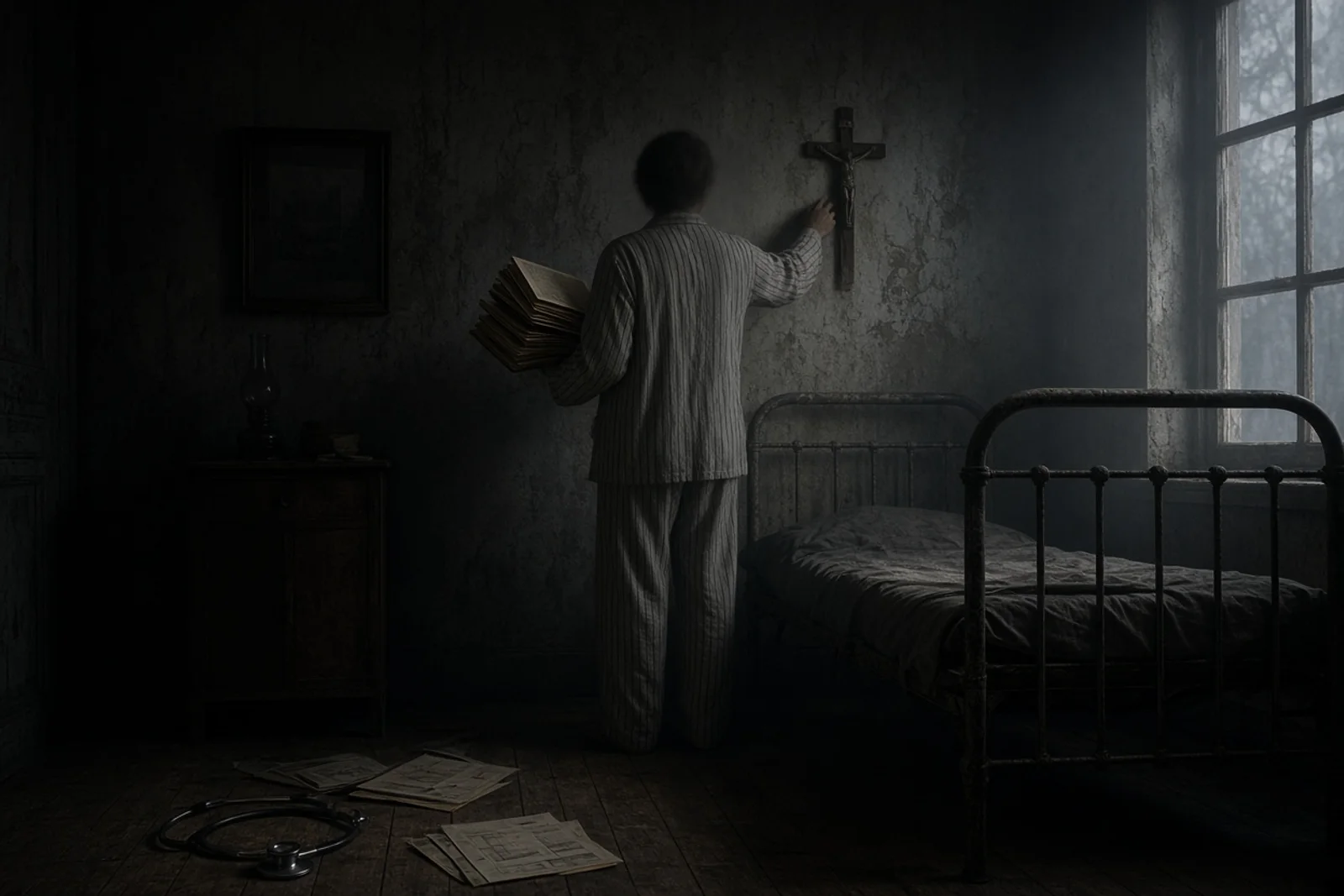
I pulled off the road outside Covington just after dawn, the air already thick with the smell of pine and damp earth from the night before. The house sat back from the lane, simple frame with a screened porch, and I could see Bunt moving inside with a coffee pot. Walker had written that they were settled, but the letter carried that same careful tone he used in Greenville years earlier, the one that left more out than it put down.
He met me at the door in shirtsleeves, thinner than the last time I had seen him at the sanatorium. We shook hands without much talk. Inside, books stood in stacks along the walls, some open face down on the table. Kierkegaard was there, and a few volumes of Aquinas he had asked me to track down in New Orleans the month before. He had finished the last of them the week earlier.
Bunt poured coffee and left us on the porch. Walker spoke first about the writing he had started again, the novel he had burned in draft. He said the pages felt different now, not because the sentences came easier but because he had stopped expecting them to explain everything. That was new. Before the illness he had measured every hour against what a laboratory could prove.
We walked the property line that afternoon. He pointed out where the girls would play once they were older. His voice stayed even, but he stopped twice to catch breath even on level ground. The relapse in 1945 had taken more out of him than he admitted at the time. He mentioned the months at Trudeau only when I asked. The bed rest had forced him through every book he could order, and the reading had not stayed inside the old boundaries of chemistry and diagnosis.
That evening Shelby Foote called from Greenville. Walker took the call in the kitchen and came back smiling in a way I had not seen since before his father’s death. They had argued about Faulkner again. After he hung up he stood at the window for a long time without saying anything. Then he told me he and Bunt had decided to enter the Church. The words came out plain, like a fact about the weather or the price of lumber.
I stayed three days. Each morning he worked at the table by the window, writing longhand on yellow legal pads. In the afternoons we drove into town for groceries or sat on the porch while he read aloud from a passage that had struck him. He did not claim the books had settled every question. He said they had shown him the questions were real and that pretending otherwise had become harder than facing them.
On the last morning I helped him carry a crate of old medical texts to the shed. He kept only one volume, a battered copy of The Principles and Practice of Medicine that had belonged to his uncle. Everything else went onto the shelf without ceremony. When I asked why he kept that one he said it reminded him of the exact point where the old map stopped being enough.
We shook hands again at the car. He did not ask me to stay longer or to come back on any schedule. Bunt waved from the porch. I drove back across the lake toward New Orleans with the windows down, the radio off, thinking about how little of the change showed from the outside. The house looked the same as when I had arrived.
Over the next months letters came every few weeks. He mentioned progress on the new manuscript and the names of priests he had met. In one he wrote that an ordinary Wednesday afternoon still felt long, but it no longer felt empty in the same way. He and Bunt attended Mass at a small parish in Covington. Their daughters were baptized there later.