




Watchman Nee Reads the Bible in China
Watchman Nee encounters Christ through Scripture and plants indigenous churches.
FaithTap · Sep 23, 2026 · 11 min read
The classroom at Trinity College smelled of chalk and damp wood when the evangelist arrived. Dora Yu stood at the front without notes, her voice carrying past the rows of boys who shifted in their seats. Most of us treated the required Bible hour as another lesson to endure. Nee sat two desks over, already fluent in the classical texts his tutor had drilled into him, yet quick to close the English Scriptures once the bell rang.
His mother had come that week to hear Yu speak at the mission hall. She returned the next evening and brought her son along. The hall held perhaps two hundred people, many of them students from the same schools. Yu spoke of sin and the need for a new birth, nothing elaborate, just the plain demand of the text she read aloud.
Nee listened without the usual detachment. After the meeting his mother stayed to speak with Yu. He waited near the door, hands in his pockets, watching the rain on the street. When they walked home she told him she had decided to follow Christ without reservation. He said little that night.
Three days later he returned alone to the hall. Yu was still there, speaking each evening. On the fourth evening Nee rose at the invitation and declared his own surrender. He was seventeen. His mother stood beside him, tears on her face, and they prayed together with others who had come forward.
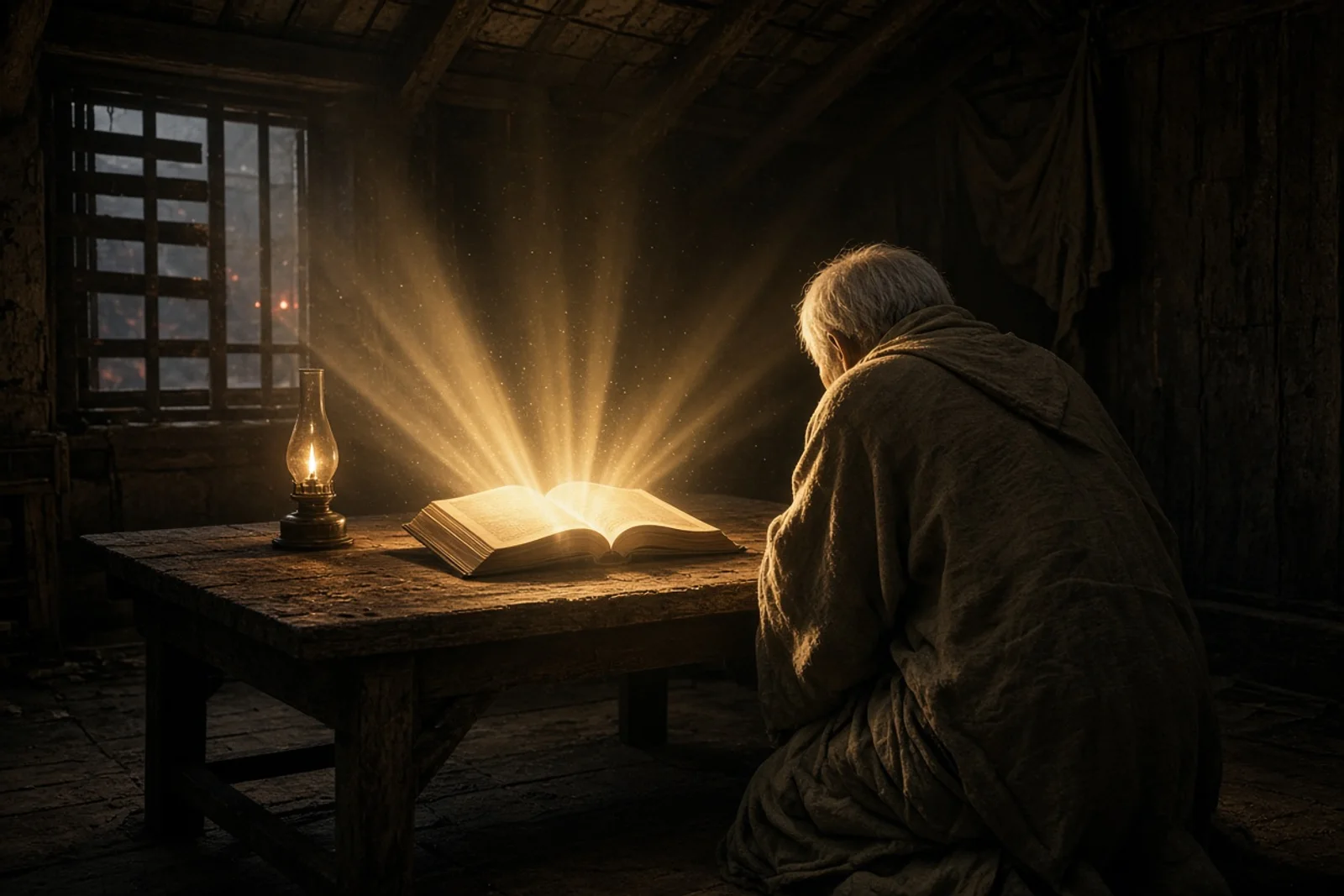
That same week he began carrying a Bible to every class. He read during meals, during the long walk between buildings, and late into the night by the window of the dormitory. Passages he had once skimmed now held him for hours. He marked verses with a pencil and copied them into a small notebook.
Wang Zai, another student from the college, noticed the change first. They began meeting in a rented room after supper, three or four of them at first, reading the same chapters and asking what the words required of them. Nee insisted they could not keep attending the Anglican services while claiming the Bible alone as their authority. The group grew uneasy but continued.
By summer the meetings had moved to a house near the river. They baptized one another in the shallows, having concluded that infant sprinkling did not match the record they studied. Margaret Barber, newly arrived from England, performed the immersions for Nee and his mother when they asked. She asked no fee and lived on whatever came without request.
Nee left the college the following term. He spent months at Dora Yu’s Bible school in Shanghai, copying notes and testing every teaching against the pages he carried everywhere. When he returned to Fukien he brought stacks of books Barber had lent him, most of them already marked with her own lines. He read them the same way he read Scripture, line by line, testing each claim.
The house fellowship continued. They refused foreign funds and foreign oversight, choosing instead to support one another by ordinary work. Nee took a job teaching for a time, then gave it up when the demands of study and visitation grew. The group printed a small paper they called Revival and handed it out without charge.