




William Penn Founds Pennsylvania
Quaker establishes peaceful colony
FaithTap · Sep 24, 2026 · 10 min read
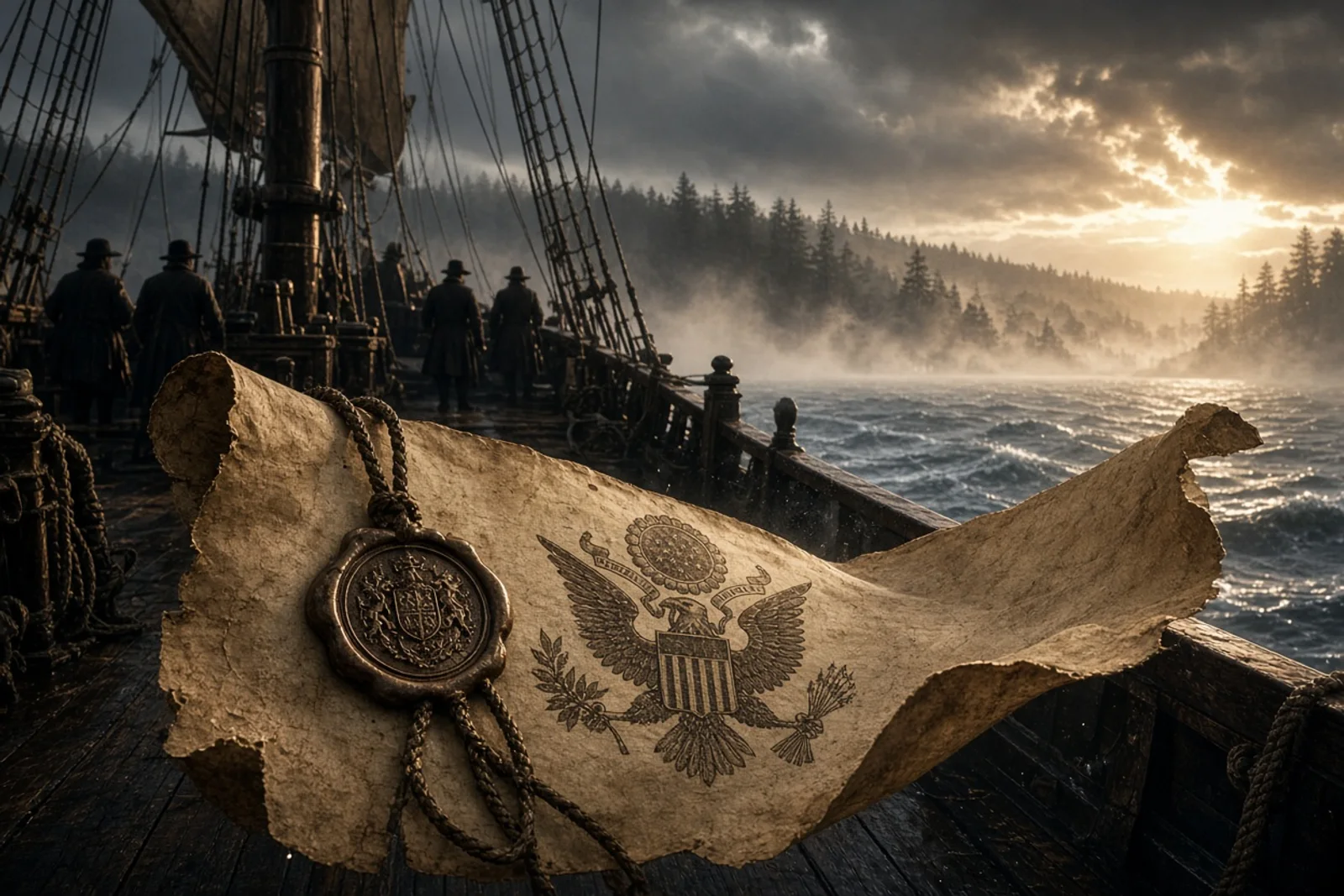
The rain had stopped but the gutters still ran dark with the filth of last night's watch. I kept to the wall as I crossed toward the Strand, the paper folded small inside my coat. Word had reached our meeting that William Penn meant to speak with the King again. Three of us had been taken the week before for refusing the oath at the assizes. One paid his fine and walked out. The other two stayed inside. I carried the letter because no one else would.
Penn's rooms above the bookseller smelled of ink and wet wool. He stood at the table with maps spread flat, the edges weighted by tankards. His wig sat crooked from the damp. He looked up when I came in and took the letter without opening it. "The Duke has spoken for us," he said. "The tract lies between the rivers. The King owes the debt still."
I had seen the Admiral's name on the old warrants. The son had inherited the claim the way other men inherit a house. Penn traced a line on the parchment with one finger. "Forty-five thousand square miles," he said. "If they grant it."
The petition went in on the twenty-fourth of June. I waited with the others outside the palace gate while the coaches came and went. No one spoke much. We knew the risk of asking for land when the Crown was already pulling the colonies tighter. The answer did not come that day or the next. Penn sent word through a servant that the matter had moved to the lawyers.
Winter closed in. Meetings continued in private houses because the public ones had been shut. I carried messages between Penn and the families who wanted to go. Some had already sold what they could. Others waited to see if the charter would be refused. Penn's own wife asked him once, in my hearing, what he would do if the King changed his mind. He answered that the land was the only way left for Friends to live without constant fines.
On the fourth of March the messenger came at dusk. Penn read the parchment twice before he set it down. The King had signed. The grant gave him and his heirs the province, with power to make laws and appoint officers. The boundaries ran west of the Delaware, north of Maryland, south of the New York line. The name had been written in as Pennsylvania. Penn struck through the last syllable with a pen and wrote "Penn's Woods" in the margin before he showed it to us.
The next months were spent buying ships and arguing with the agents who wanted to sell passage at double the price. I helped list the families who had already paid for land. Three hundred thousand acres went out in the first six months. Penn wrote a frame of government that allowed two houses and left only treason and murder as hanging crimes. Every case would go before a jury. He sent copies ahead so the settlers would know what waited.
I sailed on the ship that left in the summer of 1682. The crossing took nine weeks. We landed first at New Castle on the twenty-seventh of October. Penn stepped ashore in a plain coat and read the deeds aloud to the Dutch and Swedish men already there. They accepted the change of ownership without trouble. From there we moved upriver toward the site he had chosen for the city.
The ground was still mostly forest when we reached it. Penn walked the length of what would become the main street, marking corners with stakes. He had already named the place Philadelphia. We cleared ground for the first meeting house while the surveyors ran lines for the lots. Some of the earlier arrivals had built huts along the creek. Others waited in tents until the frame of government could be read to them.