



Canada Imposes Retaliatory Tariffs on U.S. Goods
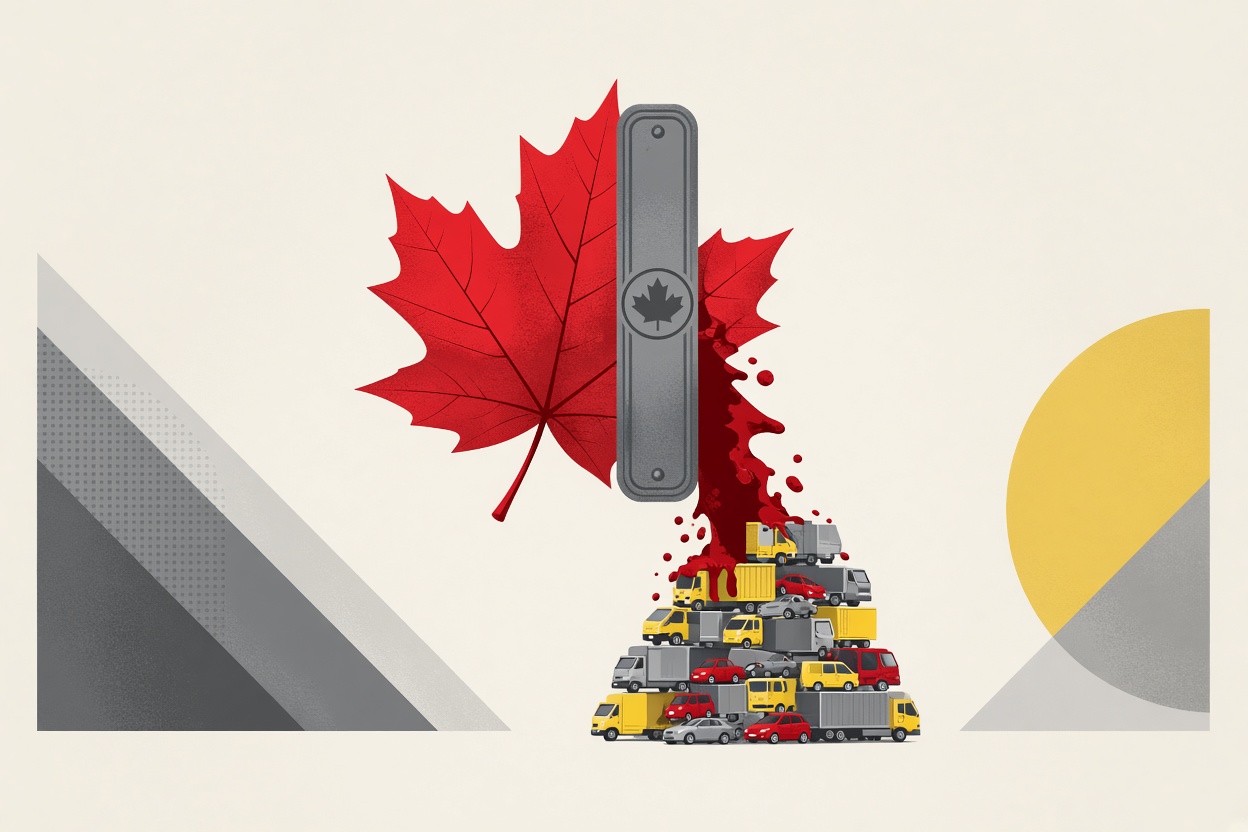
Canada’s retaliatory tariffs on roughly $20 billion of U.S. goods took effect Tuesday after trade talks collapsed, with levies of up to 50% on products including steel, aluminum, dairy, lumber, appliances, electronics and agricultural equipment. The measures could hit Michigan particularly hard because the state depends heavily on exports of vehicles, auto parts and other manufactured goods, while duties also include a 25% tariff on trailers and semi-trailers and higher charges on industrial inputs. The National Taxpayers Union Foundation estimates Michigan importers have paid about $23 billion in tariffs since January 2025, including roughly $10 billion on car and truck imports, or about $5,600 per household on average as businesses pass costs through supply chains. Prime Minister Mark Carney said Canada’s tariffs are intended to protect Canadian workers and reduce economic dependence on the United States, while Quebec announced purchasing measures expected to direct about $1.5 billion into its economy over four months. President Donald Trump has threatened further escalation, including higher tariffs on Canadian vehicles and possible restrictions on Bombardier aircraft sales unless it manufactures in the United States. Businesses and markets are facing pressure, with the TSX down more than 0.5%, while Michigan business groups urge Washington and Congress to seek a negotiated framework with Canada and Mexico to limit higher costs and worsening relations.
Where do you stand?