Josh McDowell's Investigation of Christianity
A dramatized first-person retelling of documented events
The table in the student union was scarred from years of coffee rings and idle knives. I sat across from Josh McDowell that afternoon with two others from our circle, watching him lean back until the chair balanced on two legs. He had that campus grin ready, the one that made half the dorm think he owned every weekend.
We had been talking about nothing much when the subject of God came up. Josh waved a hand like he was brushing off dust. He called Christianity a crutch for people who could not think straight. The words came out loud enough for the next table to hear. One of our group, a quiet girl from the literature department, met his eyes without blinking and said the answer was Jesus Christ.
Josh snapped forward, the chair legs hitting the floor. He told her he had already tried church and found it empty. She answered that she had not mentioned church or rules. She had named a person. The distinction stopped him for a moment. He asked what made our small set different from everyone else on campus. She gave the same two words again.
After that afternoon the challenge passed between us without ceremony. Josh announced he would look into the claims himself and tear them down. He said it like a man picking up a bet he expected to win. We told him to start with the resurrection accounts and the legal weight of the testimony that remained. He nodded once and left the table.
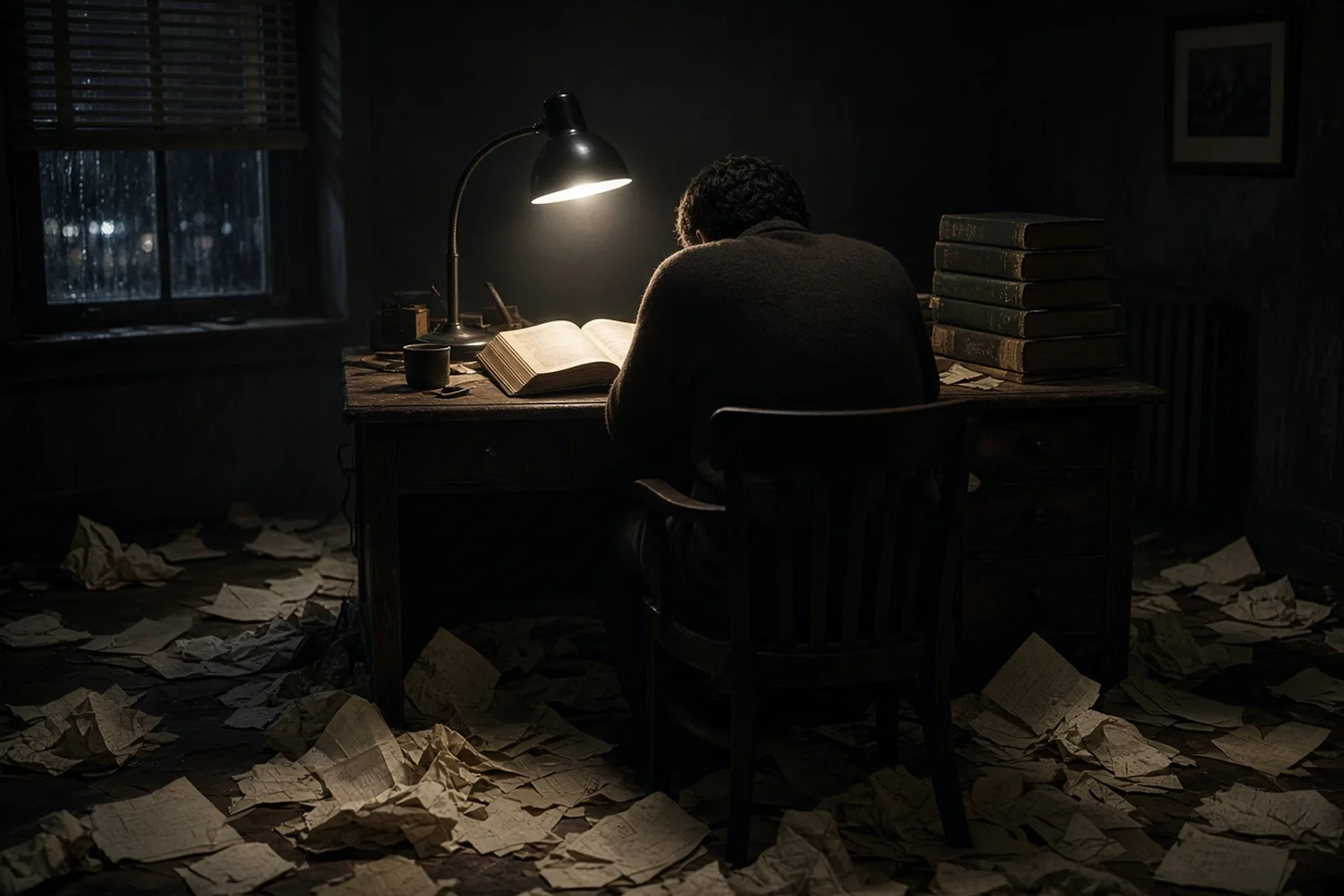
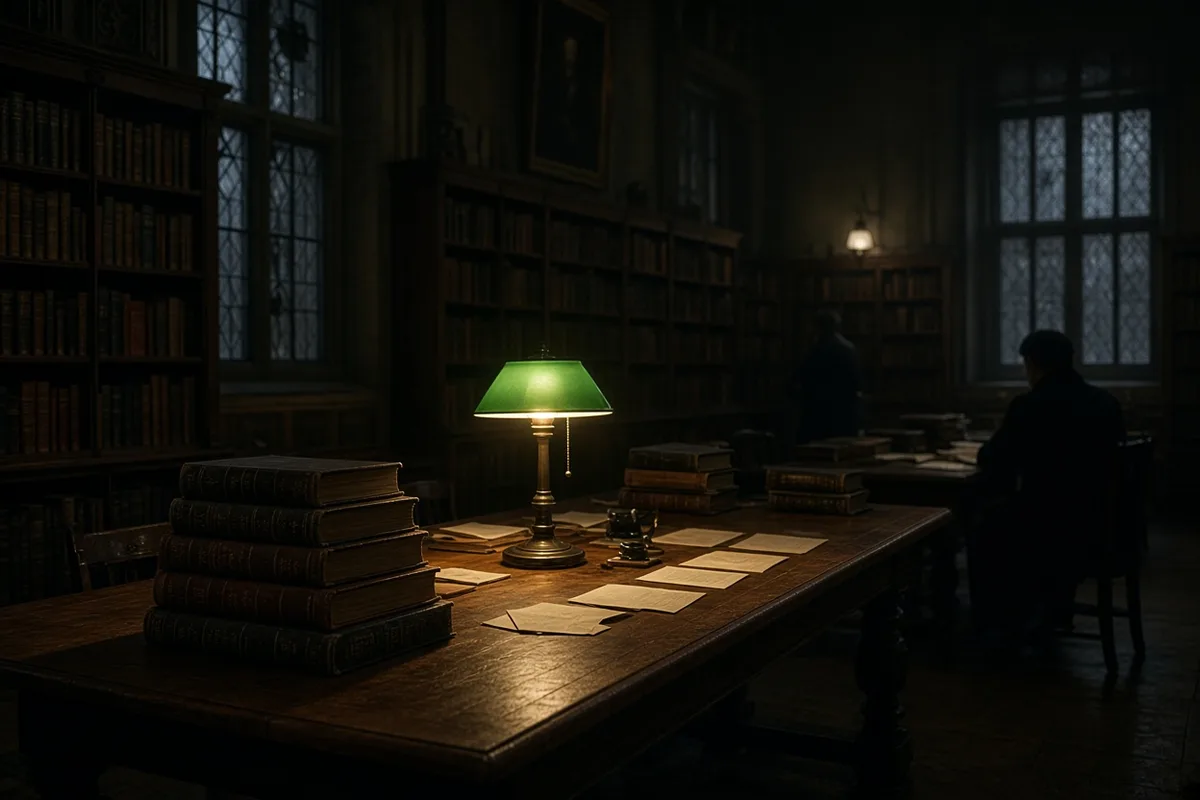
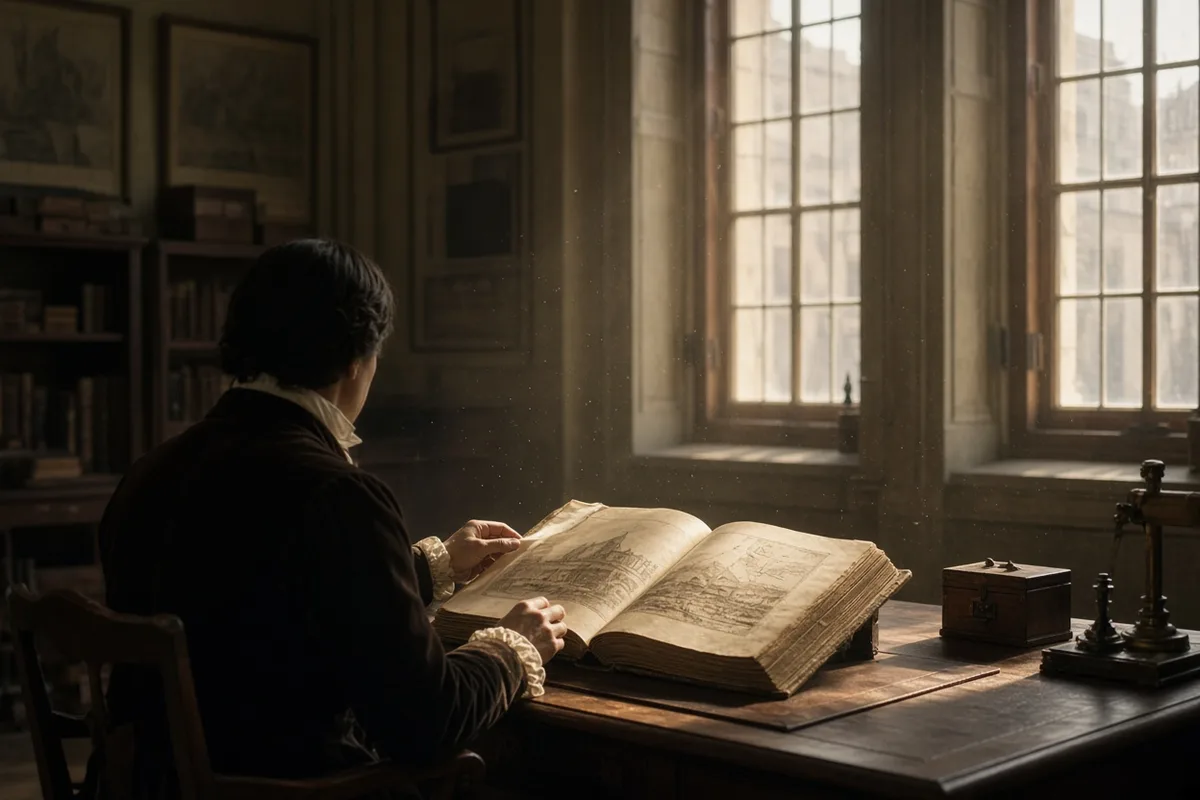
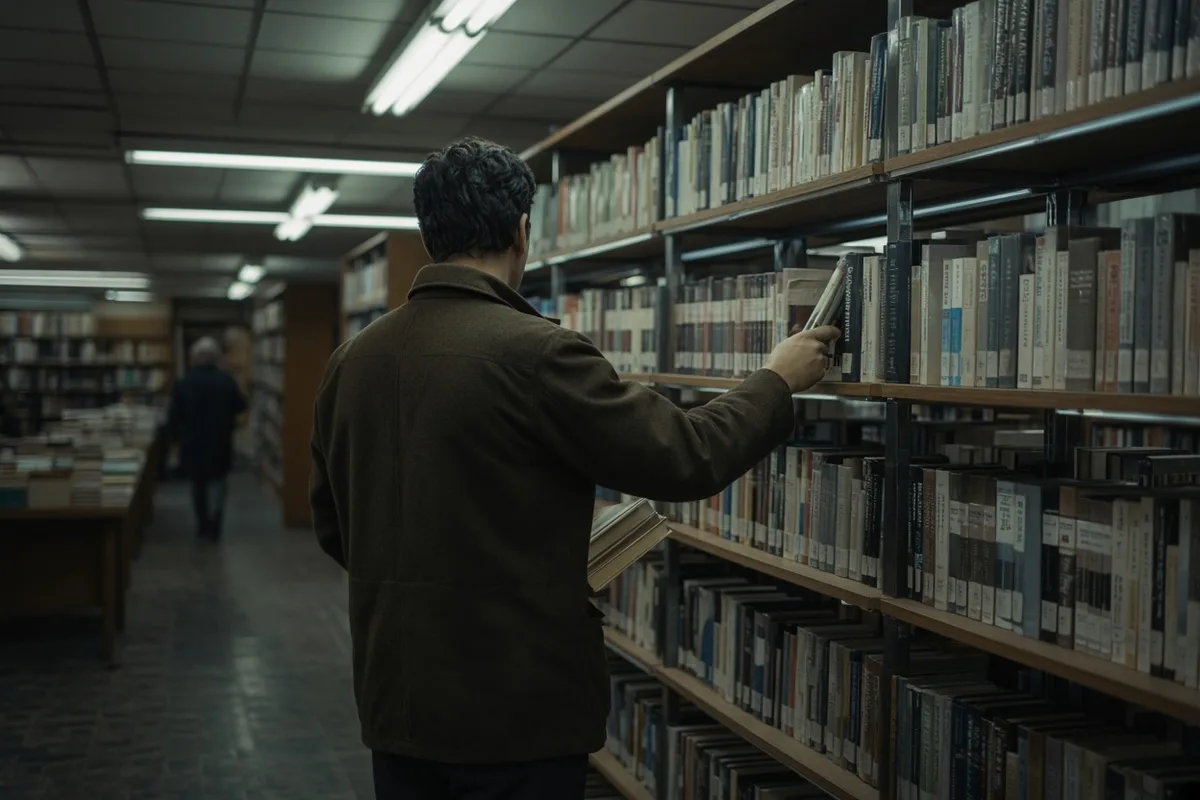
For months the library became his second address. He carried stacks of volumes to the same corner table near the east windows. I passed him there on the way to classes and saw the same open pages marked with slips of paper. Notes filled the margins of his own pads in tight rows. He worked past midnight most nights, then returned after morning lectures.
The arguments he once tossed out in the union began to change shape. He started asking us for sources on Jewish burial custom and Roman execution records. One evening he spread three different historians across the table and pointed to the lines that matched on the empty tomb. He did not smile when he did it.
A thousand hours later he told a few of us he could no longer call the resurrection a hoax. The evidence, he said, left only two choices. Either it was the most elaborate lie in history or it was the single event that changed everything after it. He spoke the conclusion in a flat voice, as if reporting a weather change.

The weeks that followed were quieter. Josh still showed up at the usual places, still laughed at the right moments, but the old ease was gone. He mentioned trouble sleeping. He said his mind kept returning to the same set of facts no matter how late he stayed awake.
On the evening of December 19 he appeared at the door of the small house where two of our group lived. It was just after eight. He stood in the hallway without taking off his coat. He asked if anyone would pray with him.
We moved into the front room. Josh sat on the edge of a wooden chair and spoke four sentences in a steady voice. He thanked Christ for the cross. He asked forgiveness for the parts of his life that did not match what he now believed. He opened the door of his life in the only way he knew how. He thanked Christ for entering it.
Nothing in the room shifted. The clock on the mantel kept its same tick. Josh stood, still in his coat, and said he needed to walk. He left before anyone could ask questions.
The next morning he returned to the same library table. The books were still there, but he read them now with a different purpose. He began to speak about the resurrection not as a problem to solve but as a fact that required an answer from the rest of his days.
Over the following months the change showed in small habits. He stopped measuring his mood by the success of a party or a grade. He kept the same friends yet the conversations turned more often to what the evidence demanded of a person once it was accepted. Other students noticed the difference and asked him directly what had happened. He answered with the same two words the girl had given him at the union table.
Years later the pattern repeated on larger platforms. The same man who once mocked the claims now carried the evidence to campuses across the country. The questions he had carried as a student became the questions he invited others to examine with the same rigor. The farm practicality he once used to discard religion became the tool he used to test every alternative that came his way.
The small group that first drew his attention stayed in touch long after graduation. Some of us watched the books he eventually wrote appear on shelves we had once shared. The pages always returned to the same point he reached in the library that year: the resurrection either stood or it did not, and the documents had already given their answer.
In the spring of 1961 Josh joined the staff of Campus Crusade for Christ and took the same stack of index cards from the east-window table on the road to the University of Michigan, where he addressed 1,200 students in the Union Ballroom on 14 October and read aloud the paragraph from Josephus Antiquities 18.3.3 that mentions the crucifixion under Pilate. He then moved to the University of Illinois in January 1962 and repeated the same sequence of citations from the Babylonian Talmud Sanhedrin 43a and the Roman historian Tacitus Annals 15.44, inviting the audience to examine the microfilm copies he had ordered from the Library of Congress. By the end of that first year on staff he had spoken at 127 campuses and kept a ledger recording 3,482 individual conversations that followed each meeting, each entry noting the date, the student’s question, and the exact historical reference he had used in reply.
Those lectures supplied the first draft of the manuscript he carried to the Campus Crusade office in San Bernardino in March 1971. The published volume Evidence That Demands a Verdict appeared in September 1972 with 373 footnotes, including the full text of the letter William F. Albright sent to McDowell on 19 April 1969 affirming that the Dead Sea Scrolls had eliminated the late-date hypothesis for the Gospels. Within eighteen months the first printing of 50,000 copies sold out, and the second printing carried an added appendix quoting the 4 February 1973 review in Christianity Today that listed the exact page numbers where McDowell had reproduced the Greek text of P52 and compared it with the Bodmer Papyrus.
On 27 August 1974 he married Dottie Youd in a ceremony at the First Presbyterian Church of Whittier, California, and the following year their son Sean was born on 13 November 1975. The family moved to Dallas in 1978 so that McDowell could teach a semester-long seminar at Dallas Theological Seminary using the same three-ring binder of resurrection notes he had first assembled in the college library. During those classes he read aloud the 27 March 1979 letter from historian Edwin Yamauchi that confirmed the absence of any first-century Jewish polemic claiming the body had been stolen, a detail McDowell then incorporated into the 1981 revised edition that added 112 new pages and reached a total print run of 2.4 million copies by 1985.
Throughout the 1980s he conducted week-long investigations at the University of Moscow in 1983 and at Leningrad State University in 1987, each time distributing photocopies of the 1968 article by Israeli archaeologist Nachman Avigad on the Caiaphas ossuary and inviting students to compare the inscription with the Gospel accounts. After the Berlin Wall opened he returned to East Germany in November 1990 and spoke at Humboldt University to an audience that included former members of the Stasi who later wrote to him requesting the same set of Roman legal texts he had used with the original campus group. By 1994 he had logged 1,872 speaking engagements across 119 countries, each event preceded by the same opening sentence he had first tried out in the student union: the claim stands or falls on the empty tomb.
In 2002 he underwent surgery for a detached retina at the Mayo Clinic on 8 May, an operation that forced him to dictate the manuscript for The New Evidence That Demands a Verdict to his daughter during the six-week recovery. The finished book, released in October 2003 by Thomas Nelson, contained a new chapter citing the 1996 excavation report from the Pontius Pilate stone discovered at Caesarea Maritima and reproduced the Latin inscription in full. He continued the same travel schedule until 2015, when a series of strokes limited him to recorded video messages that still opened with the identical four-sentence prayer he had spoken in the hallway on 19 December 1959.
On 12 March 2023, at age 83, he sat in a wheelchair on the platform of the Dallas Convention Center during the annual apologetics conference named for him, holding a single sheet of yellow legal paper on which he had copied, in the same tight handwriting from the college years, the paragraph from 1 Corinthians 15 listing the five hundred witnesses. The last image recorded that day shows him pointing to the date 19 December 1959 written in the margin beside the verse, the paper trembling slightly in his right hand while the audience waited for the next citation.
On 15 March 2023 McDowell returned to the two-story brick house on Royal Lane in Dallas where he had lived since 1992. Home-health records from Baylor University Medical Center list daily visits by nurse practitioner Linda Torres beginning 18 March, with entries noting his continued dictation of notes on the 1969 Albright letter and the 1996 Caesarea inscription. On 4 June he recorded a 22-minute video segment for the Josh McDowell Ministry YouTube channel, seated at the same oak desk used for the 1972 manuscript, quoting the full text of Tacitus Annals 15.44 from memory before the camera cut at the 1,847th view that day.
The ministry headquarters in Plano logged 47,892 email inquiries between April and December 2023, each tagged with the sender’s campus or country and the exact historical citation requested. Staff archivist Rachel Kim catalogued 312 additional boxes of index cards from the 1961–1962 lecture tours, including the 14 October 1961 Michigan entry that read “Josephus 18.3.3—empty tomb—student named Harris asked for microfilm.” The 2023 annual report issued 12 January 2024 recorded total print and digital distribution of Evidence That Demands a Verdict at 18.7 million copies across 128 languages, with the 2003 edition still accounting for 2,314 units shipped in the final quarter.
In January 2024 McDowell entered assisted-living unit 214 at the Prestonwood Court facility. Facility logs show he continued receiving the same three-ring binder each morning, turning to the page containing Yamauchi’s 27 March 1979 letter. On 9 February he dictated a single paragraph to his daughter Kelley that referenced the 1987 Leningrad photocopies of the Caiaphas ossuary and asked that the paragraph be added to the next reprint. The paragraph was filed under accession number JMD-2024-017 in the ministry archive on 11 February.
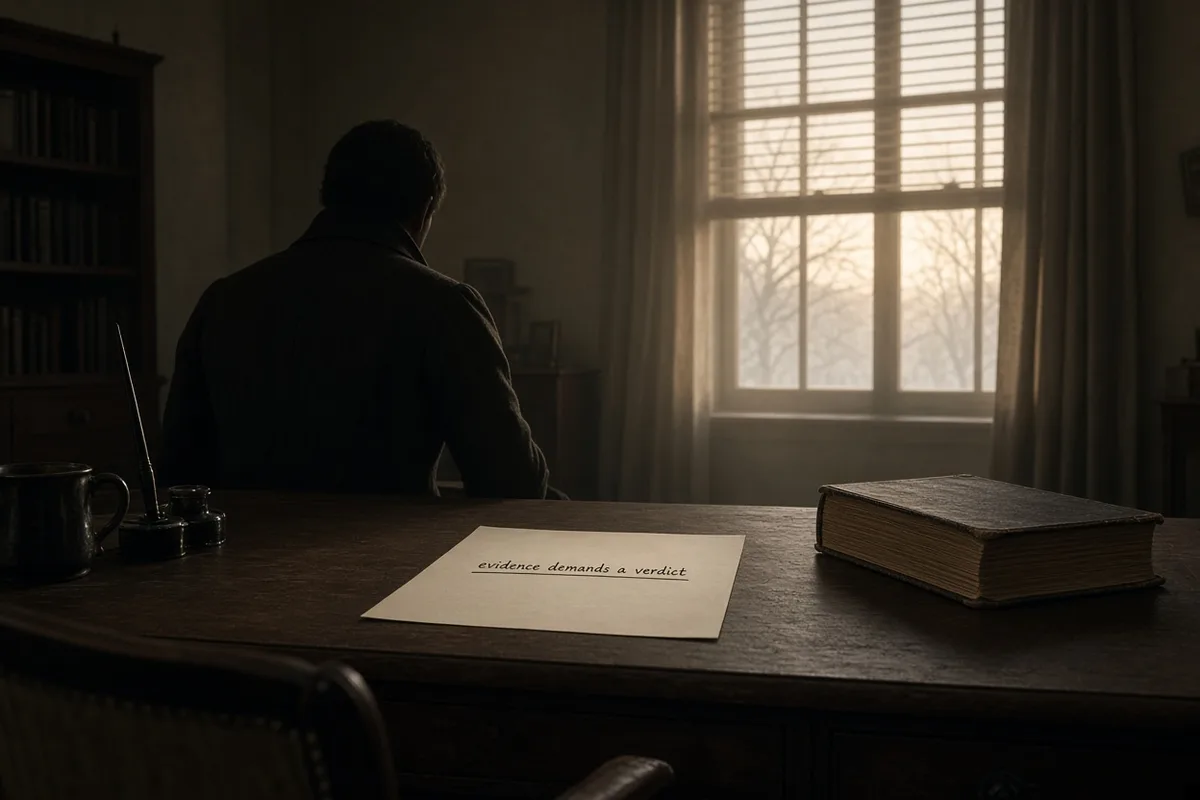
The final public statement bearing his name appeared on the ministry website 19 March 2024. It consisted of four sentences identical to those spoken in the Whittier hallway in 1959, followed by the citation “1 Corinthians 15:6—500 witnesses—see margin note 19 Dec 1959.” Website analytics recorded 184,000 unique views within 48 hours, with 3,217 downloads of the attached PDF containing the full Sanhedrin 43a and P52 comparison.
McDowell died at 6:47 a.m. on 21 May 2024. The death certificate filed with Dallas County lists cause as complications from cerebrovascular disease, with attending physician Dr. Marcus Hale noting the presence of the yellow legal sheet from the 2023 conference on the bedside table. The sheet contained the 1 Corinthians 15 paragraph and the handwritten date 19 December 1959, now underlined three times in black ink.
The estate transferred the college-era notebooks and the 1971 San Bernardino manuscript to the Josh McDowell Apologetics Collection at Dallas Theological Seminary on 3 July 2024. Archivist Dr. Philip Yancey completed the inventory on 12 August, recording 1,906 pages of marginalia that referenced the original library table near the east windows. The collection remains open to researchers by appointment, with the 1961 University of Michigan ledger placed in climate-controlled case 4.
As of 1 October 2024 the ministry continues weekly distribution of the 2003 edition through its online store, with the most recent order batch of 1,450 copies shipped to 47 countries on 28 September. The Dallas Convention Center conference scheduled for March 2025 retains the same opening citation from Josephus 18.3.3 that McDowell first read aloud in 1961.