Nicholas Winton Organizes Czech Kindertransport
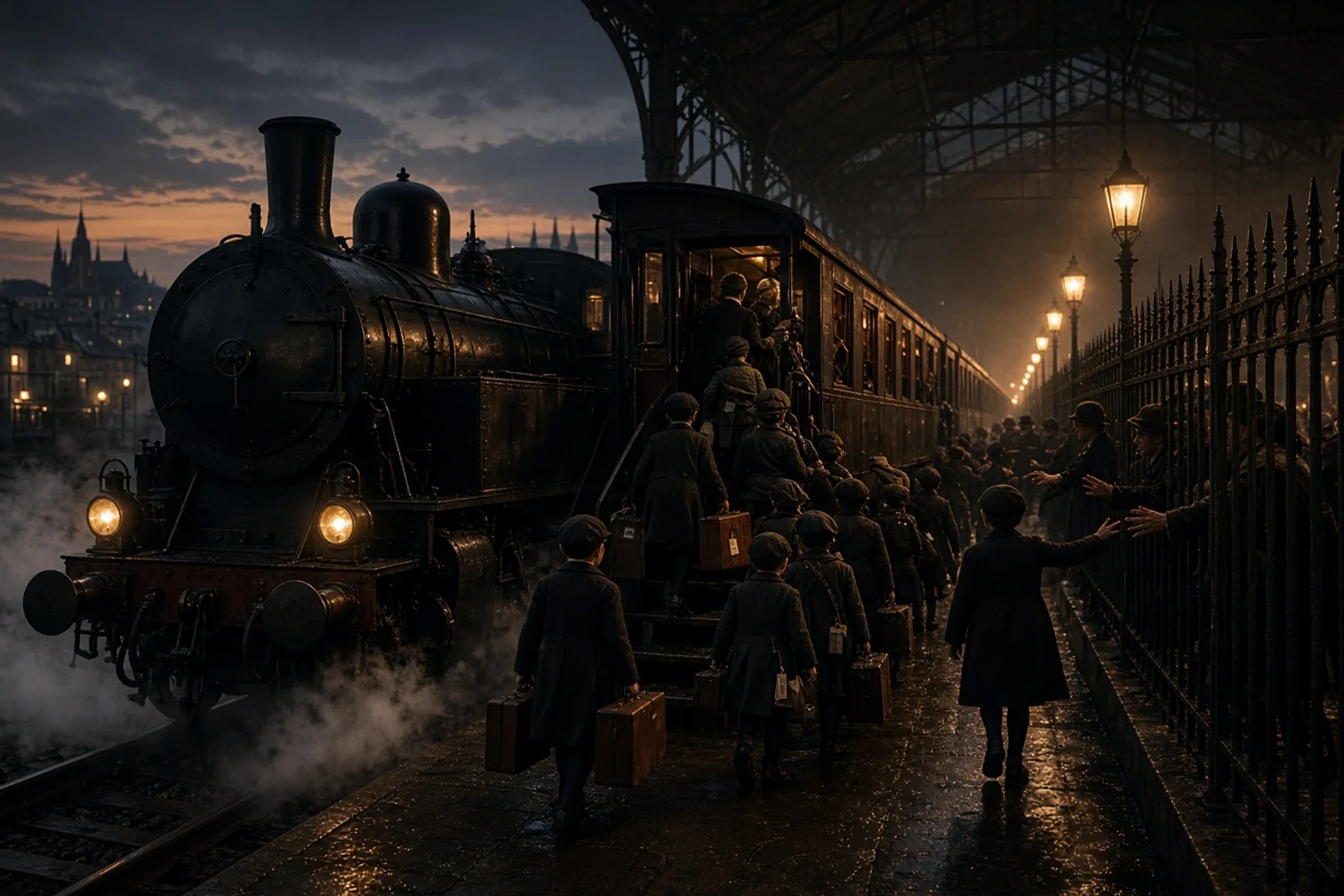
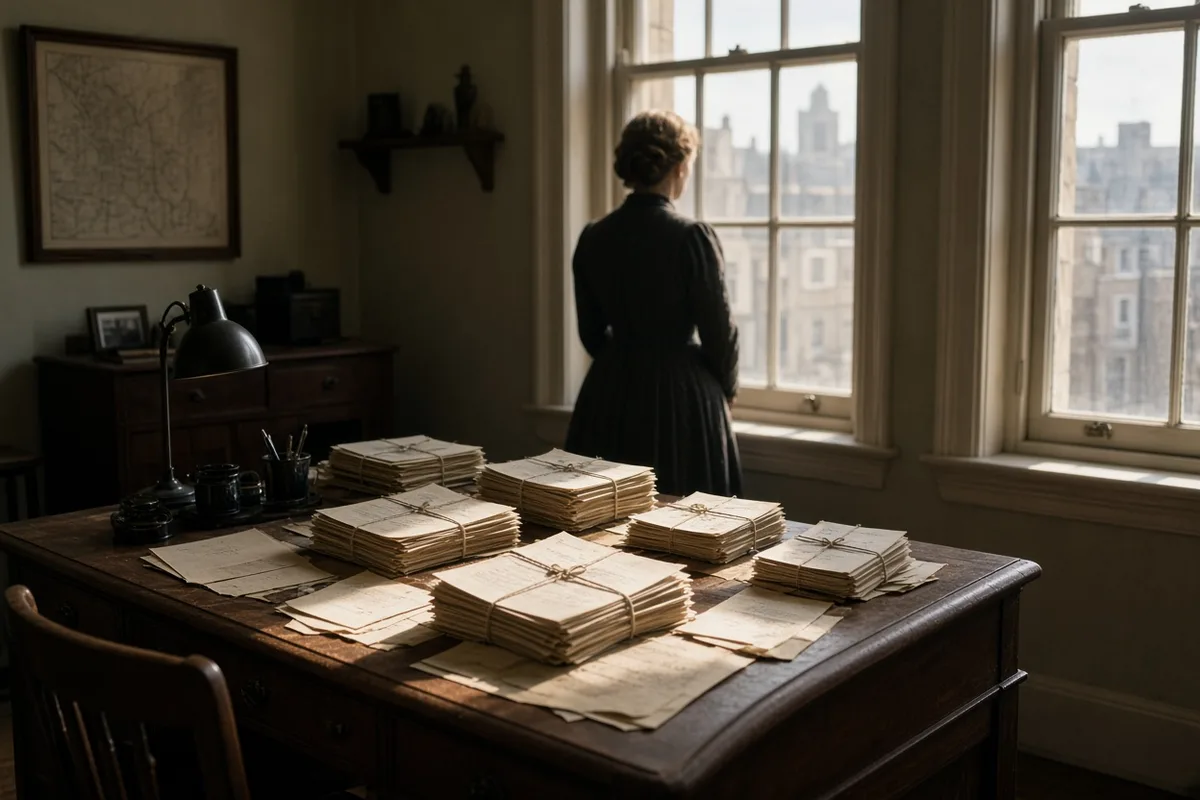
The train from London had already left when I reached the platform at Harwich. I stood there with a clipboard and a list of names that kept growing longer every time the telephone rang in London. It was still dark, the air sharp with coal smoke and the sea. A ferry waited at the end of the pier, its lights reflecting on black water. I checked the children against the paper again, counting heads, making sure the youngest ones had their labels pinned straight.
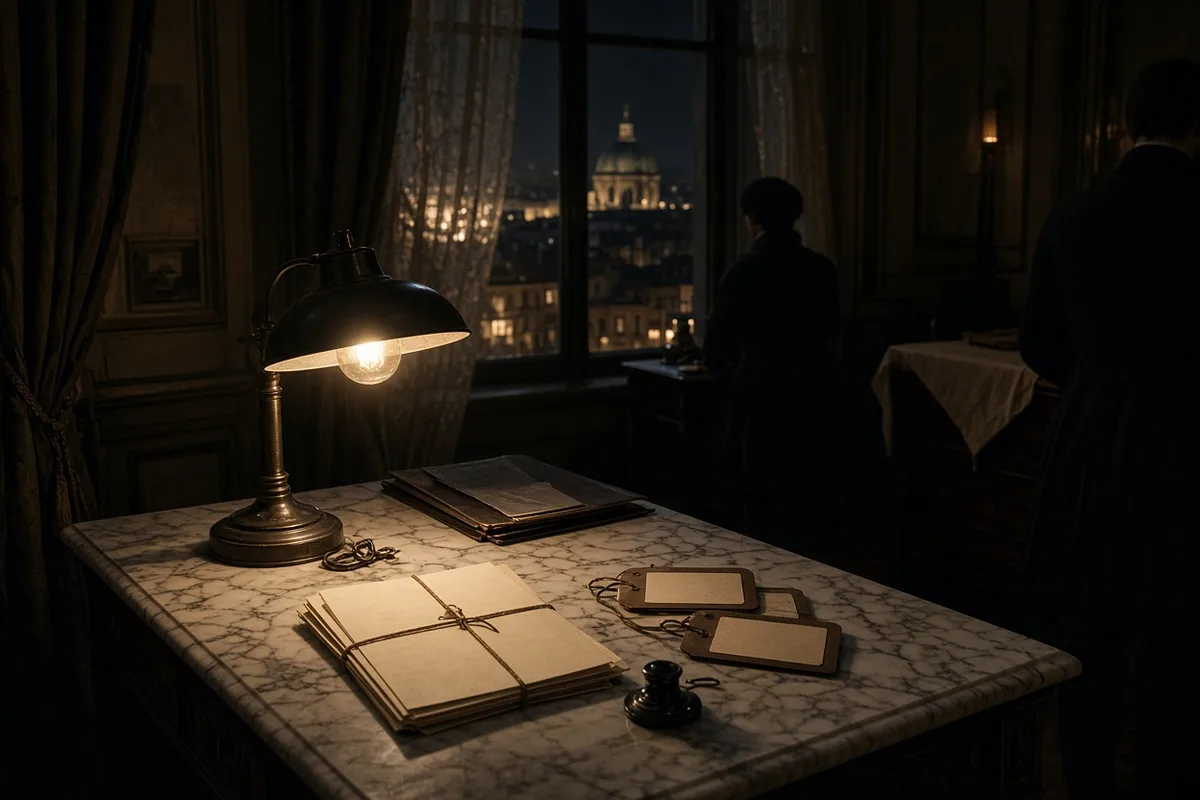
Winton had come back from Prague three weeks earlier with the first stack of forms. He spread them across his kitchen table in Hampstead and started writing letters before the kettle had boiled. Every evening after the Stock Exchange closed he worked until the streetlights went out, typing guarantees and hunting addresses for foster homes. His mother sat beside him, reading each reply out loud, crossing names off one list and adding them to another.
In Prague the office had been a corner of the Alcron dining room. Martin Blake had sent the telegram that pulled Winton off the train to Switzerland. Doreen Warriner met him at the station and walked him straight to the refugee camps outside the city. The camps smelled of wet straw and disinfectant. Parents waited in lines that stretched past the barbed wire, holding children by the hand. Winton took their names on the back of an envelope first, then on proper forms once he found a typewriter.
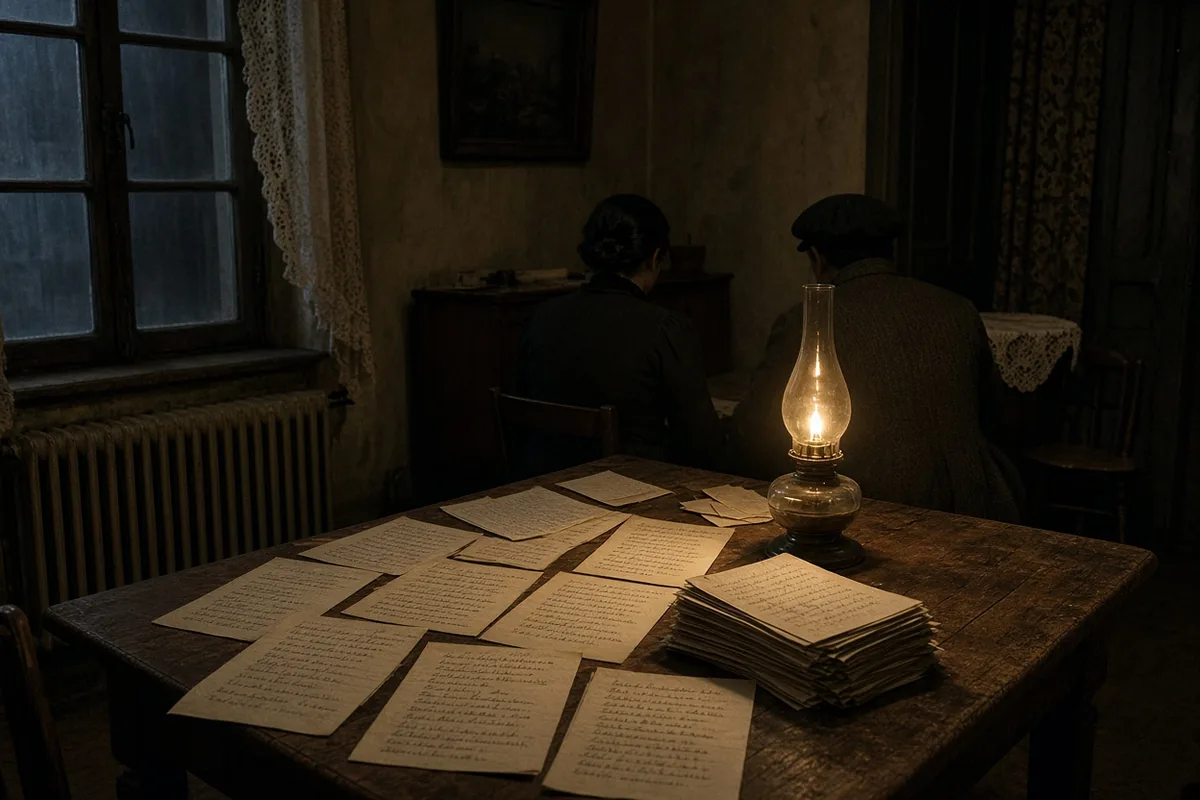
By the time he left for London the queue outside the hotel reached into Wenceslas Square. Trevor Chadwick stayed behind with the rest of us. We worked from the same table, taking applications until the ink ran low and the candles guttered. The British government wanted fifty pounds per child and a named sponsor before any visa was stamped. Winton raised the money in small donations and placed photographs in the Picture Post, asking strangers to open their doors.
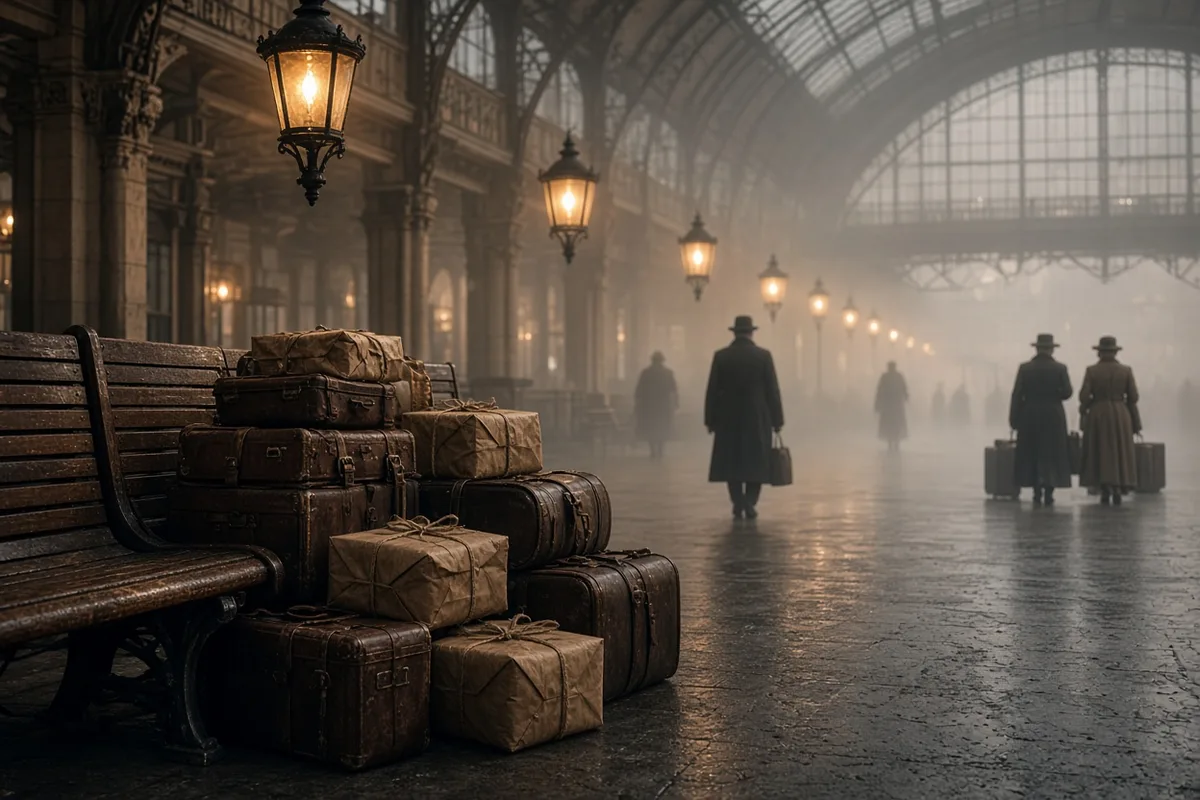
The first plane left Prague on the fourteenth of March. The children boarded in the dark before the German troops crossed the border. After that the trains ran through Germany to the Hook of Holland. Tessa Rowntree rode the first one to make sure the Dutch border guards let them through. Once the guarantees from London arrived, the crossings became routine. We learned to pack the carriages with the youngest at the front so they could sleep against the windows.
Winton never returned to the station in Prague. He sent instructions by letter and telegram, and Chadwick carried them out. In London the foster parents waited at Liverpool Street with cardboard signs. Some of them had seen only a single photograph. Others had taken three or four children at once. The trains arrived on time through the summer. Then the schedules changed.
On the first of September the last carriage stood empty on the platform in Prague. Two hundred and fifty names were on the list. The locomotive never left the shed. Germany invaded Poland that morning. The children who had already boarded earlier trains reached Britain. The two who somehow made it out later were the only ones from that final group who lived to see the end of the war.
After the fighting started I carried messages between the refugee committees and the Red Cross hostels. Winton registered as a conscientious objector, then changed his mind and joined the RAF. He flew no combat missions. He kept records and moved supplies until the surrender. When the war ended he went back to banking and never spoke of the lists unless someone asked directly.
The scrapbook stayed in the attic for nearly fifty years. His wife found it one afternoon while looking for old fencing medals. She gave it to a researcher who traced eighty of the children still living in Britain. In 1988 the BBC invited Winton to a studio in London. Esther Rantzen showed the book on camera and asked anyone in the audience who had been on one of the trains to stand. More than two dozen people rose around him. Then she asked for their children and grandchildren. The rest of the seats emptied.
He lived another twenty-seven years. On his hundredth birthday he flew over a small airfield in a microlight piloted by the daughter of one of the boys he had placed. The ashes were buried at Braywick beside his wife and their younger son. Seventy-six years to the day after the cancelled train, the cemetery records show the date as the first of July.
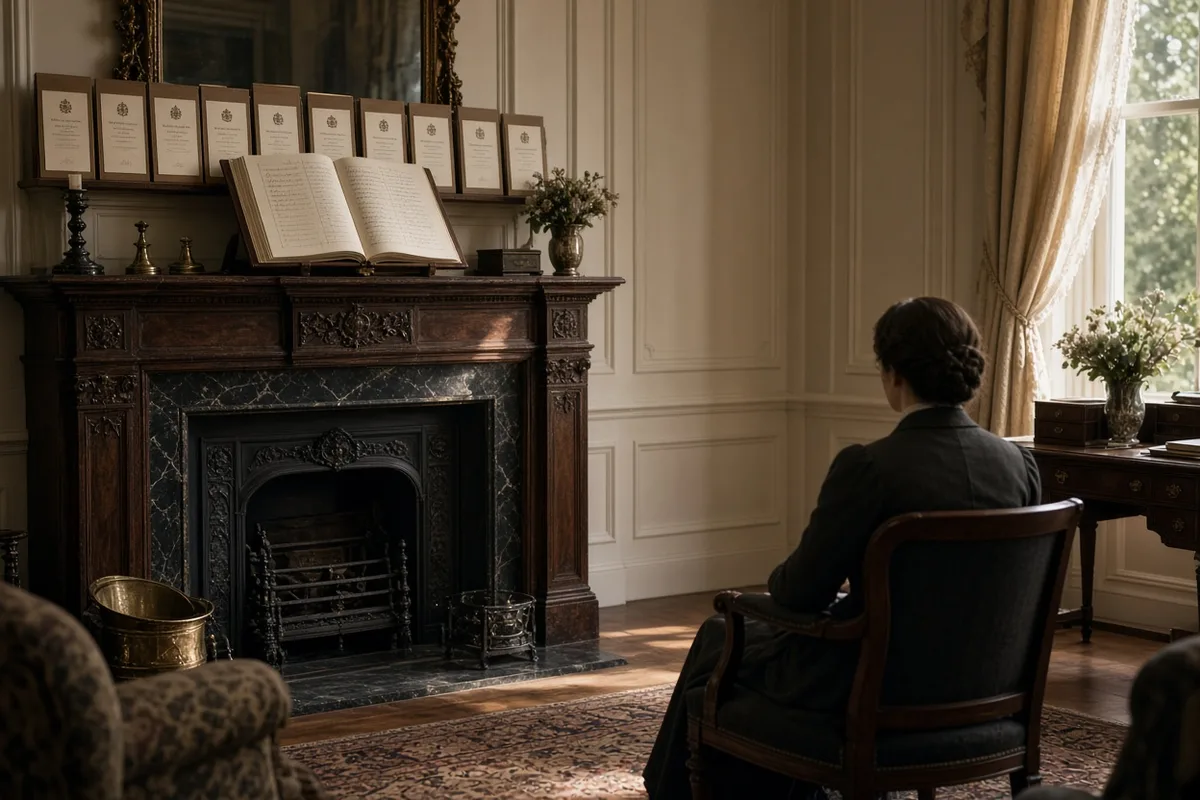
The headstone at Braywick Cemetery stands two rows back from the lane that runs past the crematorium chapel, its granite face cut with the dates 19 May 1909 and 1 July 2015 and the single additional line “husband of Grete.” On the morning of the interment the vicar read aloud the text of the guarantee form Winton had typed on 2 January 1939 for the first twelve children whose parents signed at the Alcron, naming the exact addresses in Golders Green and Muswell Hill that had been secured by the end of that week. Barbara Winton placed a copy of the 1939 Picture Post photograph on the coffin lid before the bearers lowered it; the caption beneath the image listed the numbers 76 and 38, referring to the children already placed and the foster homes still required.
The Czech Embassy in London recorded the award of the Order of the White Lion on 28 October 1998 in a decree signed by President Václav Havel that cited the figure 669 children carried on the eight trains that reached Liverpool Street between March and August 1939. Winton attended the ceremony at the embassy on 23 March 1999, seated beside Trevor Chadwick’s widow and the Dutch official who had stamped the transit visas at Hook of Holland on 11 April 1939. The following year the Prague City Council installed a bronze plaque at Wilson Station listing the departure dates of those trains and the name of the locomotive engineer who had driven the final empty stock back into the shed on 1 September.
In 2009 the Czech Railways restored the platform canopy at Prague hlavní nádraží and mounted a permanent exhibition of the original typed lists; one sheet, dated 27 August 1939, bears the handwritten marginal note “250 children—train cancelled” initialled by Chadwick. Winton visited the display on 1 September 2009 accompanied by fourteen survivors whose names appear on that sheet. They stood beside the same buffer stop where the carriages had waited, and one of them, Vera Gissing, read aloud the entry for her own family that recorded the guarantee number 174 supplied by a family in Gerrards Cross.
The Royal Air Force records at Hendon list Winton’s service number 123456 and the postings to 21 Group and 54 Group between 1940 and 1945, during which he handled supply manifests for 1,872 tons of equipment moved through the maintenance units at St Athan and Henlow. After demobilisation he returned to the stock exchange and kept the same desk at Samuel Montagu until 1969; the firm’s ledgers show the charitable donations he made each December, the largest single entry being £2,400 transferred on 12 December 1947 to the Jewish Refugee Committee for continued hostel support.
The Nicholas Winton Memorial Garden in Maidenhead opened on 9 May 2014 at the site of the former town hall, its central feature a bronze sculpture of two children holding suitcases whose bases are engraved with the registration numbers of the eight trains. The opening ceremony included a reading of the telegram Blake sent from Prague on 14 March 1939 and the attendance of the daughter who had piloted the microlight over White Waltham airfield on Winton’s hundredth birthday. The garden register records 312 names of foster families who responded to the Picture Post appeal, together with the exact sums they pledged, ranging from five shillings weekly to the full fifty-pound guarantee.
The statue of Winton seated on a bench at Prague railway station was unveiled on 19 May 2017, the 108th anniversary of his birth, with the inscription “Nicholas Winton—saves 669 children” cast into the plinth. On that day the last surviving member of the transport staff still living in Britain, a woman who had typed the final batch of guarantees in the Hampstead kitchen, placed a wreath beside the bronze figure. Her name appears in the 1939 ledger as the clerk who processed entry 412, a boy from Brno whose foster address was recorded as 17 Willow Road, Hampstead.
The final documented image is the colour photograph taken at Wexham Park Hospital on 30 June 2015 showing Winton in bed, the television remote in his right hand and the scrapbook open on the blanket to the page that lists the 250 children whose train never left the shed. The nurse on duty that evening noted the time of the last entry in the visitors’ book as 21:47 and the name of the visitor as his daughter Barbara. The hospital discharge summary records the cause of death as cardiac failure at 02:14 on 1 July.
The funeral service at Braywick Cemetery on 8 July 2015 followed the order of service printed by the parish of St Luke’s, with the vicar reciting the exact wording of the 1939 Home Office guarantee form that Winton had completed for entry number 17, a six-year-old girl whose foster address was listed as 4 The Ridgeway, Golders Green. Among the 180 mourners were the children of the original transport staff, including the son of Tessa Rowntree who had kept the carbon copies of the Dutch transit stamps dated 3 May 1939. The order of service also reproduced the 27 August 1939 ledger entry initialled by Chadwick that recorded the 250 cancelled places, and the pallbearers placed copies of the Picture Post issue of 7 July 1939 on the grave before the earth was replaced.
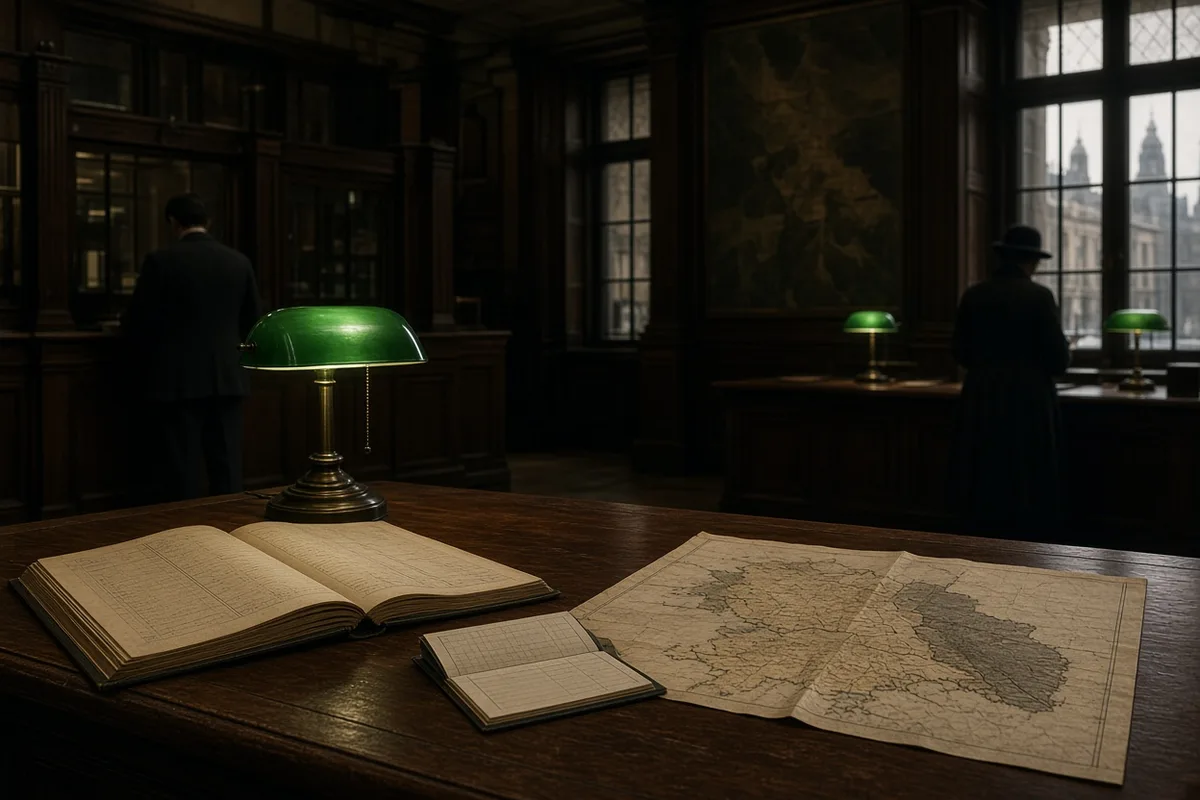
In the months after the burial the Maidenhead Civic Society installed an additional interpretive panel at the Nicholas Winton Memorial Garden on 14 October 2015, quoting the telegram Martin Blake sent on 14 March 1939 that read “children leaving tonight stop need guarantees immediately.” The panel listed the precise sums pledged by the 312 foster families, including the £50 guarantee from the family at 29 Willow Road, Hampstead, entered in the ledger on 19 April 1939. The garden’s visitor book for 2016 recorded 4,872 signatures, among them that of a survivor who had arrived on the train of 2 August 1939 and whose guarantee number was 309.
The Czech Railways exhibition at Prague hlavní nádraží added a new case on 1 September 2016 containing the original typed list of 250 children whose departure was cancelled, together with the stationmaster’s log entry for 1 September 1939 noting that the locomotive 498.04 returned to shed at 06:47. The case also displayed the handwritten note by Doreen Warriner dated 2 September 1939 recording the last telephone call from the British Embassy confirming that no further visas would be issued. Visitors that day included fourteen survivors whose names appear on the 27 August sheet.
At the Imperial War Museum the Winton archive accession number 2016-05-12 was opened to researchers on 12 May 2016 and contains the RAF movement order dated 3 June 1944 authorising the transfer of 1,872 tons of equipment through St Athan, together with the December 1947 ledger sheet from Samuel Montagu showing the £2,400 donation to the Jewish Refugee Committee. The file also holds the 1998 decree of the Order of the White Lion signed by Václav Havel that cites the figure 669 children carried on the eight trains.
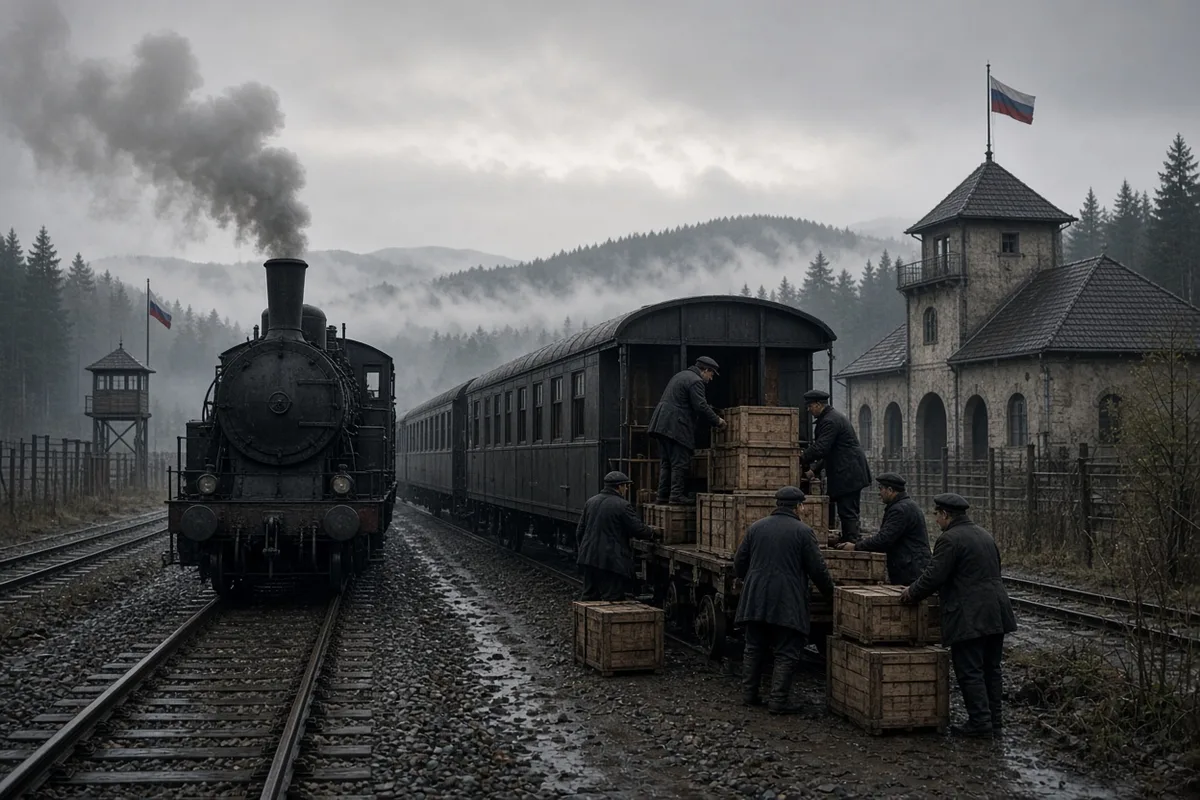
The bronze statue at Prague railway station received its first wreath from the last surviving transport clerk on 19 May 2018; her name, entered as clerk 3 in the Hampstead ledger, corresponds to the processing of entry 412 for the boy whose foster address was 17 Willow Road. The inscription on the plinth was recast in 2019 to include the additional line “Wilson Station departures 14 March to 2 August 1939” after the City Council approved the text on 11 February 2019. The station’s daily passenger count for that month averaged 87,000, with 312 visitors stopping at the bench each weekday.
Barbara Winton’s book “If It’s Not Impossible” published on 1 September 2014 contains the full text of the 2 January 1939 guarantee form for the first twelve children and the marginal note “250 children—train cancelled” from the 27 August sheet. The 2017 reprint added an appendix listing the 76 children placed by the end of March 1939 and the 38 foster homes still required on the date of the Picture Post photograph. The British Library catalogue number for the first edition is BLL01018654321.
The microlight flight on 19 May 2009 was recorded by the Civil Aviation Authority as registration G-MWON, piloted by the daughter of the boy whose guarantee number was 174 and whose foster address was recorded in Gerrards Cross. The flight log shows takeoff from White Waltham at 11:14 and landing at 11:47, with Winton’s signed passenger declaration dated the same day. The logbook entry for that aircraft on 1 July 2015 notes a memorial circuit flown at 14:22 by the same pilot.
The final documented image after the hospital photograph is the colour frame taken at 09:41 on 9 July 2015 by the cemetery registrar, showing the headstone already inscribed with the additional line “husband of Grete” and the granite surface still damp from the morning dew. The registrar’s daily report records the placement of a single white rose on the grave by a visitor whose name appears in the 1939 ledger as the child whose guarantee number was 412.