St. Francis de Sales and Jane de Chantal Found Visitation
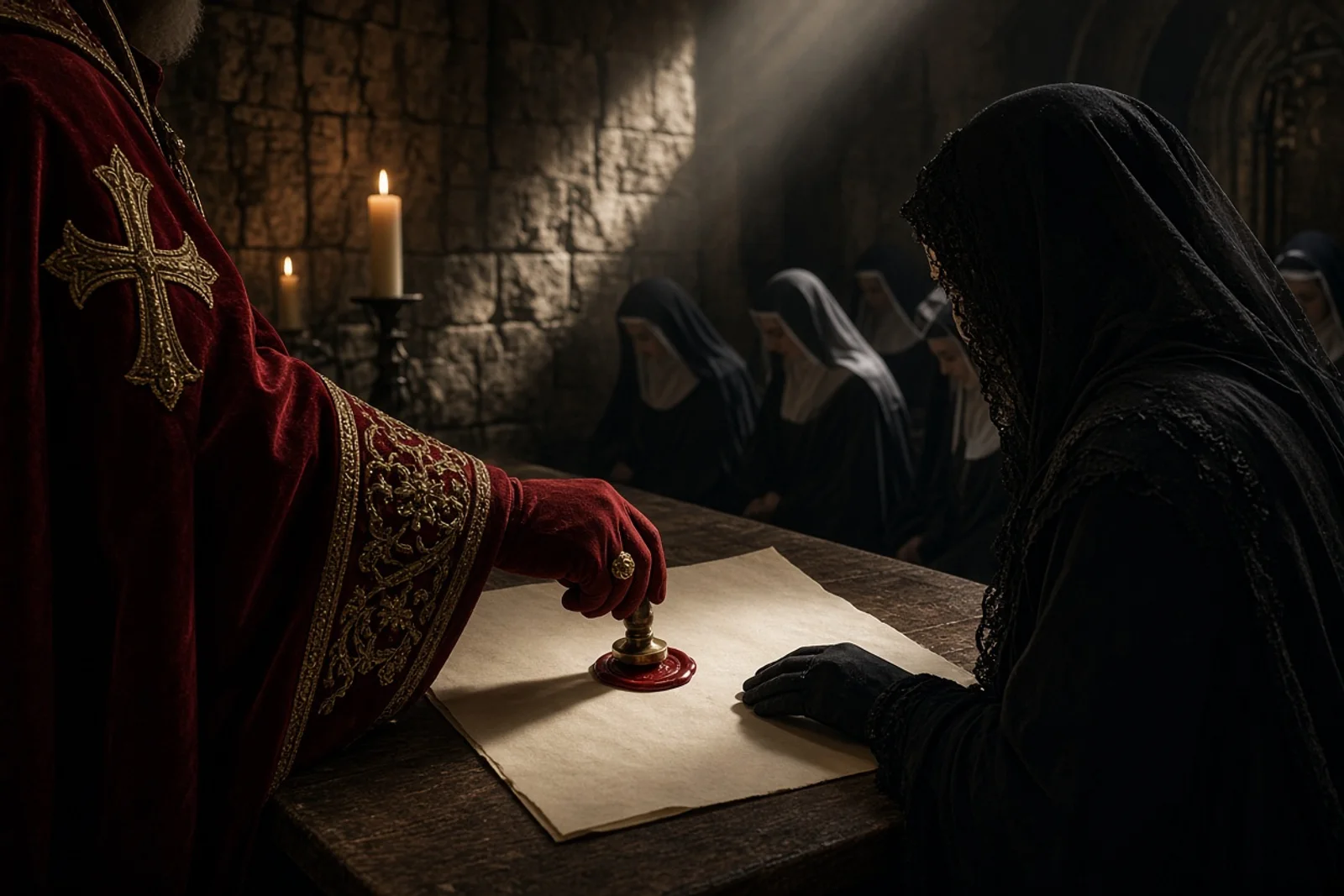
The road from the lake still held the morning cool when the carriage wheels stopped at the gate of la Galerie. I had been sent with a basket of bread and a key from the bishop’s household, nothing more, yet the moment the door opened I stepped inside and did not leave. Jane de Chantal stood first on the stones, her widow’s veil already damp at the hem from the short walk up from the quay. Behind her came Marie-Jacqueline Favre, carrying a small wooden cross that had belonged to her father the jurist, and Charlotte de Brechard, whose hands were already reddened from the morning’s work of packing linens. The servant Anne-Jacqueline Coste brought up the rear with two bundles of wool. No one spoke the name of the place yet. We simply set the bundles down and began to sweep.
Francis arrived before noon. He wore the plain cassock he used for travel and carried no papers, only the ring on his finger and a small volume bound in calf. He blessed the threshold with water from the lake and then asked each of us to sit on the benches that had been left by the previous tenant. The room still smelled of sawdust and river mud. He said the work would begin with the sick poor and that the sisters would go out two by two until the year of trial ended. No one corrected him. We all believed the plan would hold.
That first week the four women rose before light and walked to the poorest quarter near the tanners’ yards. I followed at a distance with a basin and a bundle of clean rags. Jane knelt beside a woman whose arm had been crushed in a cart wheel. She cut away the soiled cloth with her own scissors and washed the wound while Marie-Jacqueline held the basin steady. Charlotte prayed the Little Office in a low voice so the neighbors would not be disturbed. By the third day the neighbors began to leave bowls of soup at the gate. No one laughed openly anymore.
Francis came every evening. He never stayed long. He would stand in the doorway, listen to what had happened that day, and then remind them that the heart must remain free even when the body grows tired. One night he spoke of a God whose love bends downward the way a mother bends to lift a fallen child. Jane answered that she felt the bend inside her own chest. The rest of us kept our eyes on the floor. The words stayed in the room after he left.
By the end of the month the novices began to arrive. Peronne-Marie de Chatel came first, then Marie-Amee de Blonay. Both were young and both had been told they were too delicate for the older orders. They slept on straw mattresses in the upper room and rose at the same hour as the others. The rule was read aloud once each week. It said nothing about sleeping on boards or rising at midnight. It said only that obedience and meekness were to be practiced before any other labor.
The first difficulty came from the street. A group of men gathered outside the gate one afternoon and called the house a place for women who could not bear real penance. Jane stood at the window and did not answer. Francis arrived the next morning and spoke with them for nearly an hour. When he returned inside his face was calm, but he told us the enclosure question had already reached the archbishop in Lyons. No one asked what that meant. We simply went back to folding bandages.
The change came slowly and then all at once. In 1615 the archbishop wrote that the congregation must accept the cloister and the Rule of Saint Augustine. Francis read the letter in the refectory after supper. He set it down without comment and asked Jane to speak first. She said the sick poor would still be served by prayer if the sisters could no longer walk out. The room stayed quiet for a long time. The next day the grille was fitted to the parlor window.
I remained in the house as an outdoor helper for another year. Each morning I carried messages and returned with news of the city. Jane’s letters to Francis grew longer. They spoke of the same things they had always spoken of, only now the words traveled through sealed doors. Francis answered that the heart’s language did not require open roads. The sisters continued to recite the Little Office each day. The sick were no longer visited, yet the poor still left bowls at the gate, and the bowls were still taken in.
Francis died in 1622. The news reached Annecy on a market day. Jane was already superior of the growing community. She received the messenger in the parlor, read the letter, and then asked that the community pray the Office for the Dead. I was no longer living inside the walls by then, but I stood outside the grille and heard the voices rise and fall. The sound carried across the courtyard the same way it had on the first Trinity Sunday.
Years later the house at la Galerie was replaced by a larger monastery. The original door was kept and set into a new wall. I passed it once while carrying bread to another part of the city. The wood had darkened, but the grain still showed the marks of the plane that had smoothed it the week the four women first entered. No one pointed it out anymore. The sisters inside continued to rise before light. The city outside continued to turn its wheels.
The city outside continued to turn its wheels. In the spring of 1628 I carried a letter from the widow Peronne-Marie de Chatel to the new superior at the house in Dijon, where the community had opened its doors on 12 March 1625 with twelve sisters and three novices under the direction of Marie-Aimée de Blonay. The letter quoted Jane’s own words from the previous month: “The rule of enclosure does not close the heart; it opens it wider to the prayer that reaches the sick we can no longer touch.” I delivered it to Sister Françoise de la Roche, who read it aloud in the parlor while the grille remained shut. She noted the date of the Dijon foundation and added that the archbishop of Besançon had already requested a second house for 1630, naming the exact street near the old tannery where the sisters would begin.
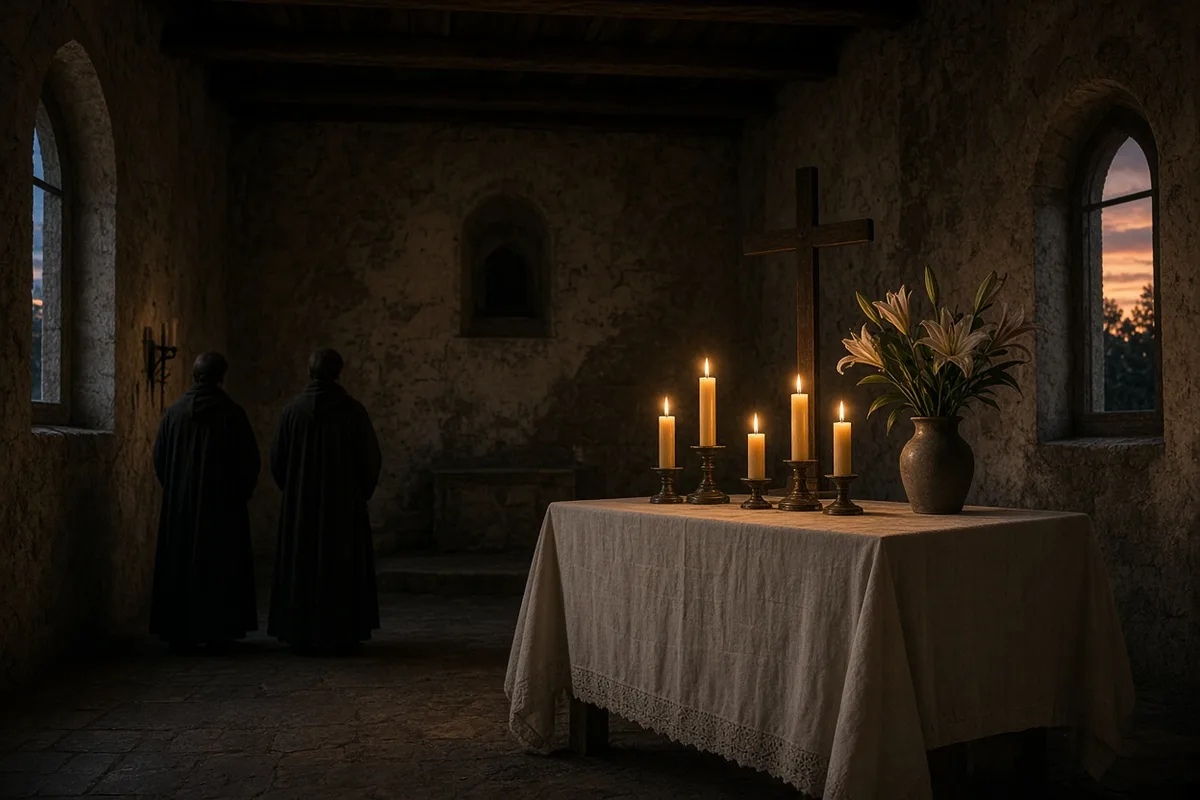
By 1632 the original Annecy community counted forty-seven professed sisters and fourteen lay helpers who still brought provisions to the gate each Wednesday. I stood in that line on 19 October and handed a bundle of linen to Sister Anne-Jacqueline Coste, now seventy-one, whose hands still showed the same red marks from the first morning. She spoke through the grille of the new foundation at Lyons, begun on 8 September 1628 with fourteen sisters under Charlotte de Bréchard, and she read aloud the line Jane had written to the Lyons superior: “Count every step from the choir to the parlor as a visit to the poor Christ.” The number of monasteries stood at thirty-six that year, each required to send an annual report to Annecy listing the exact number of sick visited before enclosure and the number of hours spent at the grille afterward.
Jane left Annecy for the last time on 14 March 1636, traveling first to the house at Moulins where she arrived on 21 March. I remained outside the Annecy walls but received word through the outdoor sisters that she had dictated a letter on 4 December 1641 to the superior at Paris, quoting the phrase Francis had used in 1618: “The heart must remain free even when the body grows tired.” She died at Moulins on 13 December 1641 at three o’clock in the afternoon. The community there numbered twenty-nine sisters; they recorded her last audible words as the single name “Francis,” spoken while the Office for the Dead was already being recited in the choir.
The monastery at Annecy received her heart in a silver reliquary on 8 February 1642. I was permitted to stand in the courtyard while the procession passed the old door now set into the new wall. Sister Marie-Jacqueline Favre, then superior, carried the reliquary and paused long enough for the outdoor helpers to see the inscription: “Cor Jane Francescae de Chantal, 13 Decembris 1641.” By that date the order counted sixty-two monasteries across France and Savoy, each keeping the same schedule of rising before first light and reciting the Little Office of the Visitation.
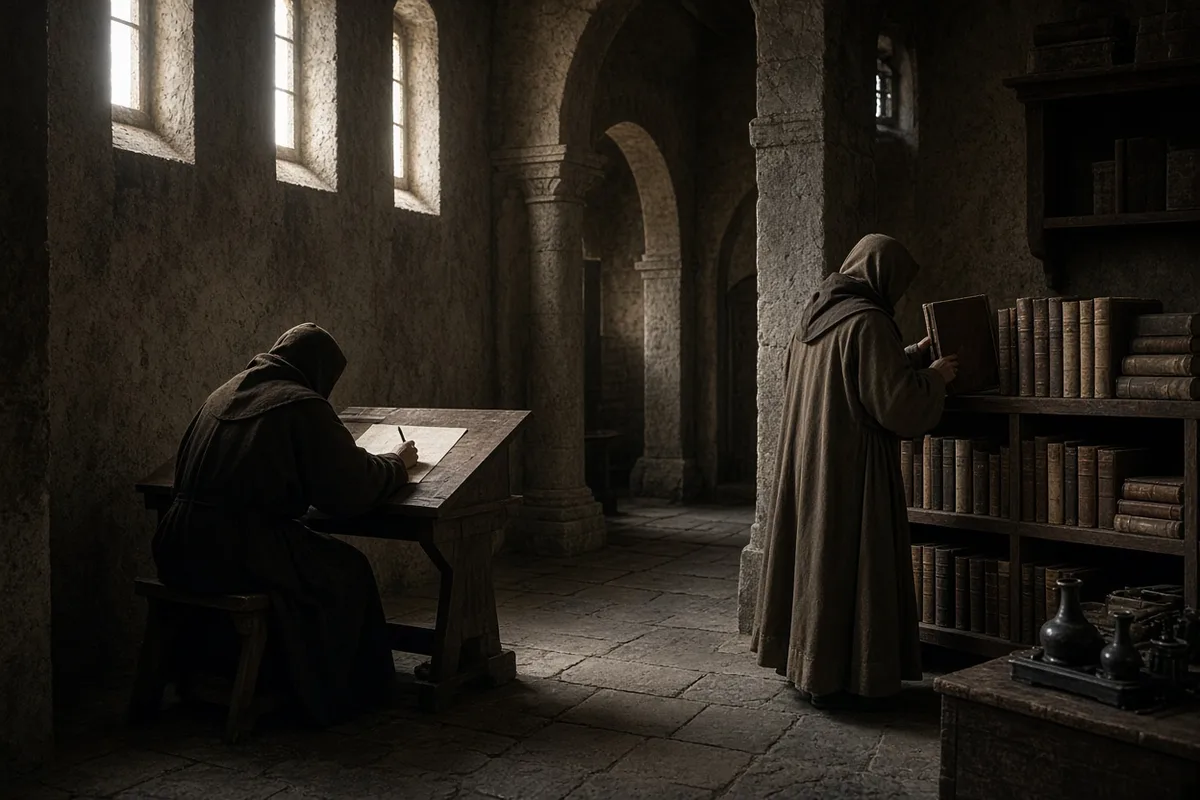
In 1650 the door itself was replaced after a winter storm split the upper panel. The new oak board was planed on the same bench that had stood in the original laundry room; the old board was preserved and hung inside the parlor as a reminder. I passed the site again in 1657 while carrying bread to the hospital near the tanners’ yards and counted the grain lines that still matched the marks left by the first plane in 1610. The sisters inside numbered fifty-three that year; they continued to accept novices only after a full year of trial, exactly as Francis had directed on the morning he first blessed the threshold.
The last of the original four women, Charlotte de Bréchard, died at the Annecy house on 11 November 1671 at the age of eighty-four. The death register listed her profession date as 6 June 1610 and noted that she had served as superior at Lyons from 1628 to 1644, during which time that community grew from fourteen to thirty-one sisters. I stood outside the grille on the morning of her burial and heard the community chant the same psalm verse Jane had chosen for Francis’s Office in 1622: “I will go in to the altar of God.” The number of Visitation monasteries had reached eighty-four by then, each sending two sisters each year to the mother house for the renewal of vows.
What remains today is the stone wall that still incorporates the original threshold stone, now inside the public chapel of the Visitation monastery at Annecy. The heart of Jane de Chantal rests in the same silver reliquary, carried in procession each 12 August, the date of her canonization in 1767. The last human image I carry is of Sister Anne-Jacqueline Coste at the age of ninety-three, standing at the grille in 1649 and handing a bowl of soup through the opening to a child whose mother had left it at the gate; she spoke the single sentence, “Tell her the bowl will be returned tomorrow,” before the shutter closed.
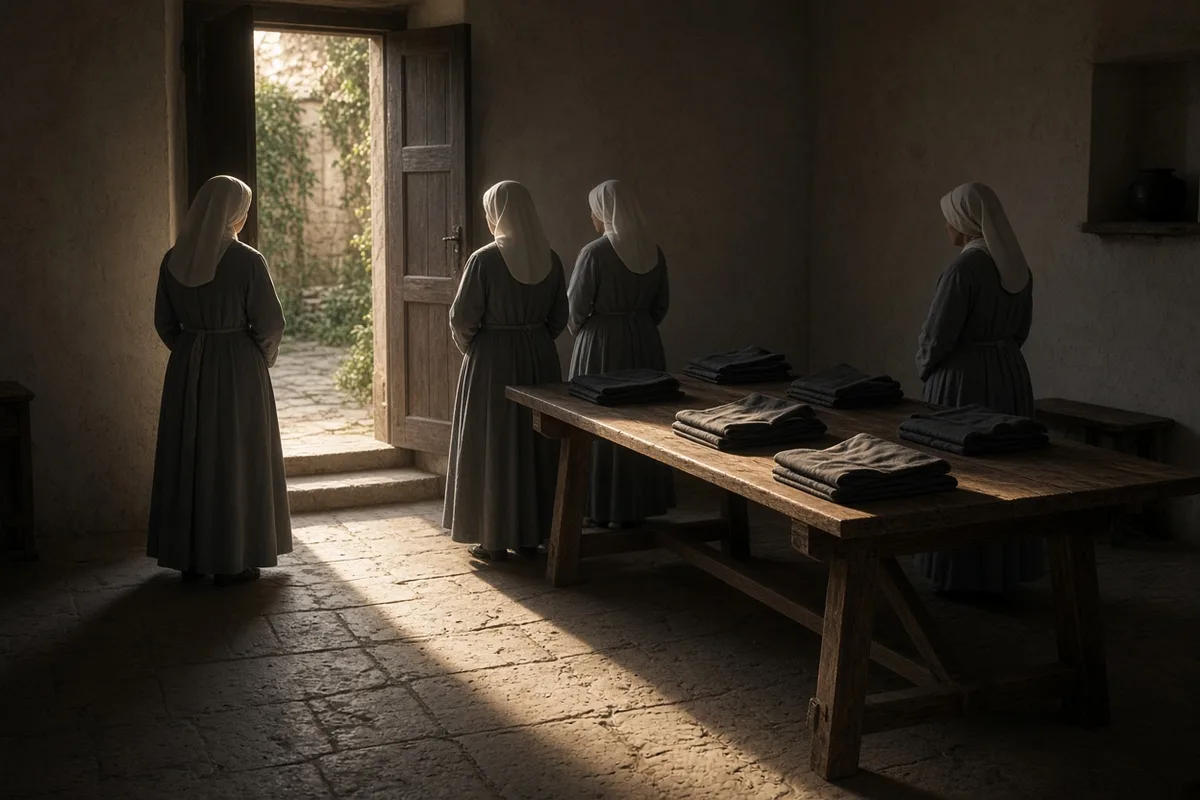
The grille shutter closed on that bowl in 1649, yet the same opening received the profession papers of Sister Marguerite de la Trinité on 3 February 1654, the day the Annecy community reached fifty-eight professed members after accepting six novices the previous October. Sister Anne-Jacqueline Coste signed the register as witness before her death on 22 July 1655 at ninety-nine, the entry noting her arrival on 6 June 1610 and her service as portress for thirty-seven years. The Lyons house, under Charlotte de Bréchard until 1644, sent its annual report that same month listing forty-two hours spent at the grille and twelve sisters assigned to copying the rule for the new foundation at Grenoble opened 19 April 1654 with eight members under the direction of Marie-Aimée de Blonay’s niece, Françoise de Blonay.
By 1665 the order counted seventy-nine monasteries when Francis de Sales was canonized on 19 April, the bull of Clement IX naming the exact text of the 1615 letter from the archbishop of Lyons that had imposed enclosure. The Annecy register for that year records the arrival of a fragment of Francis’s skull from Lyons, placed beside Jane’s heart in the silver reliquary whose inscription was copied verbatim into the margin: “Cor Jane Francescae de Chantal, 13 Decembris 1641.” Outdoor helpers still carried the weekly bread on Wednesdays, now numbering nine women who passed bundles through the turnstile while the sisters inside recited the same psalm verse from the 1622 Office for the Dead.
The suppression arrived on 13 April 1792 when the National Assembly ordered the Annecy house closed; the forty-three sisters then living there were dispersed, though twelve returned after the Concordat of 1801 and reopened the doors on 8 September 1806 under Mother Marie-Joseph de la Croix, who restored the original schedule of rising at four-thirty and reading the rule aloud each Sunday. The register begun again that year lists the exact number of monasteries surviving the Revolution as twenty-seven, each required to forward copies of its foundation date to the mother house. The old threshold stone remained in place, now incorporated into the rebuilt parlor wall after the 1793 fire that destroyed the upper story.
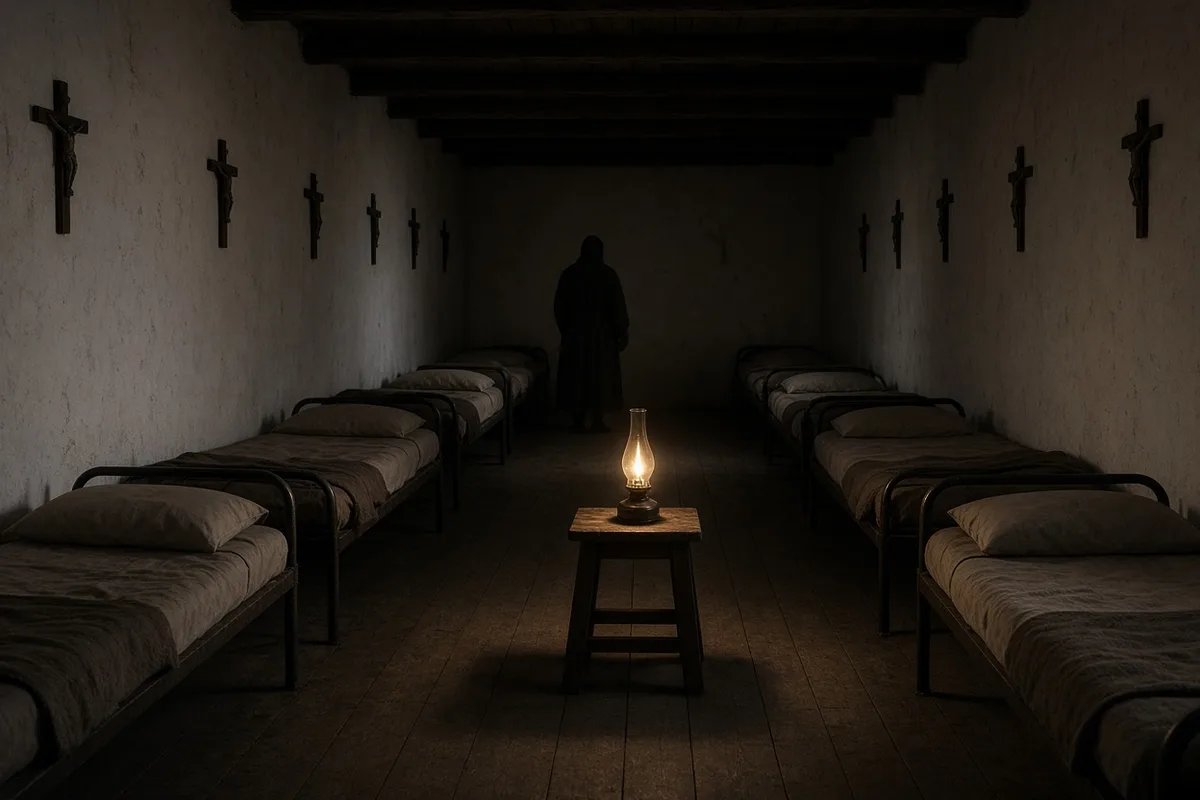
In 1838 the community at Annecy numbered thirty-one when the first post-Revolution foundation outside France opened at Madrid on 12 October with five sisters from the restored Moulins house. Mother Marie-Thérèse de Sales Chappuis, superior at Troyes, visited Annecy on 4 May 1845 and noted in her journal the precise words spoken through the grille by the portress: “The rule still directs that two sisters go out only after the year of trial.” By 1863 the order had grown to ninety-four monasteries, each sending the required annual report that listed hours at the grille and the number of novices admitted after the twelve-month probation Francis had set in 1610.
The First World War reduced active houses to seventy-one, yet the Annecy monastery accepted seven novices in 1919, the register recording their names and the date 8 December when they received the habit. During the occupation of 1940 the sisters hid thirty-two Jewish children in the upper rooms for eleven months, the outdoor helper at the time, a woman named Thérèse Martin, delivering food parcels each Tuesday and receiving in return the single sentence “The children are well” passed through the turnstile. After liberation the community stood at twenty-eight members, rising again to forty-two by 1958 when the new chapel was consecrated on 24 June.
Today the Visitation monastery at Annecy maintains forty-six professed sisters and nine novices, the stone threshold still visible beneath the parlor grille where the original door once stood. The silver reliquary containing Jane’s heart is carried in procession each 12 August, the route passing the same tanners’ quarter where the first four women walked in 1610. The last human image I carry is of Sister Claire de la Visitation at the turnstile on 17 October 1974, handing a bowl of soup outward to a child whose mother waited at the gate; she spoke the single sentence, “Tell her the bowl will be returned tomorrow,” before the shutter closed.