Aleksandr Solzhenitsyn Gulag Conversion
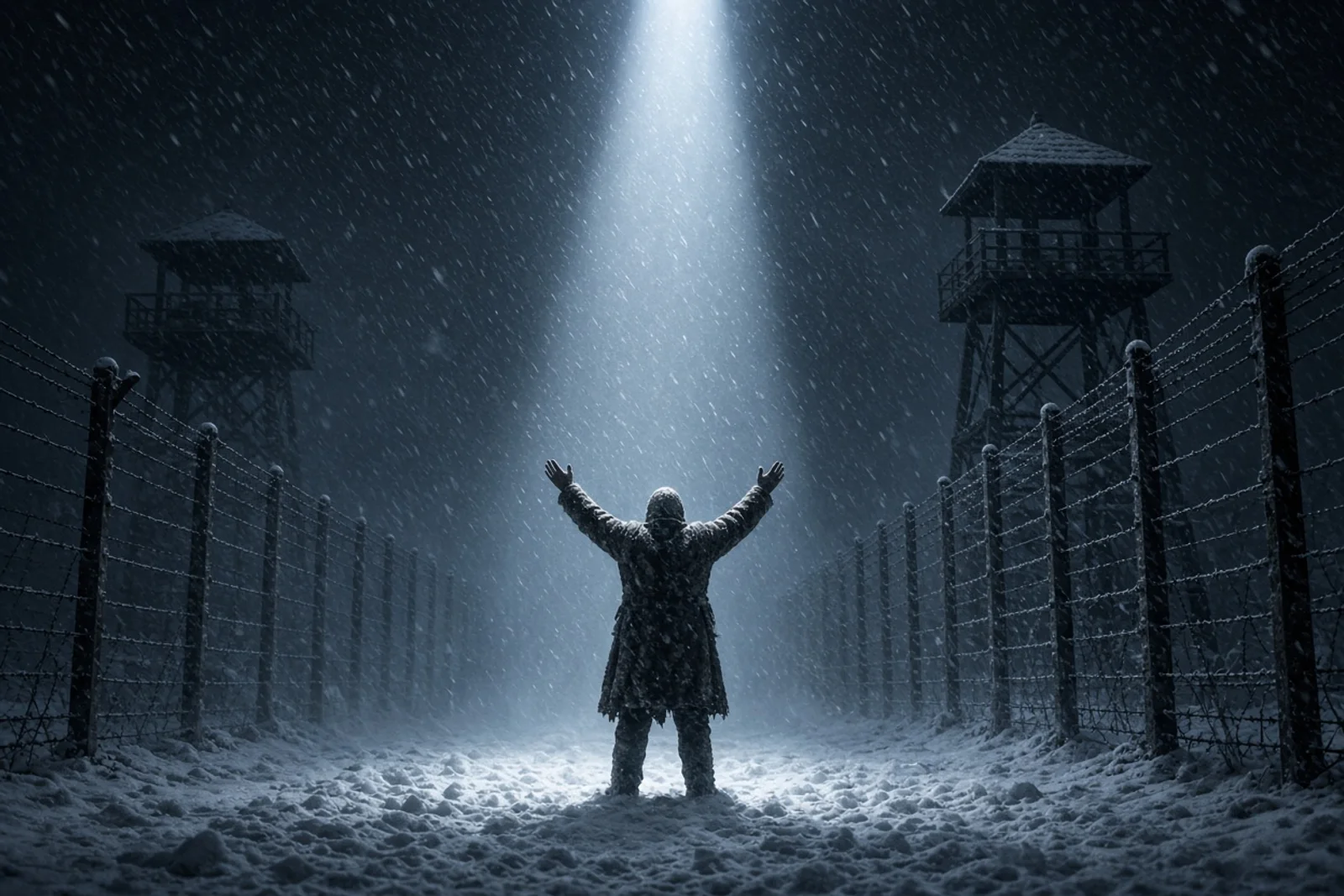
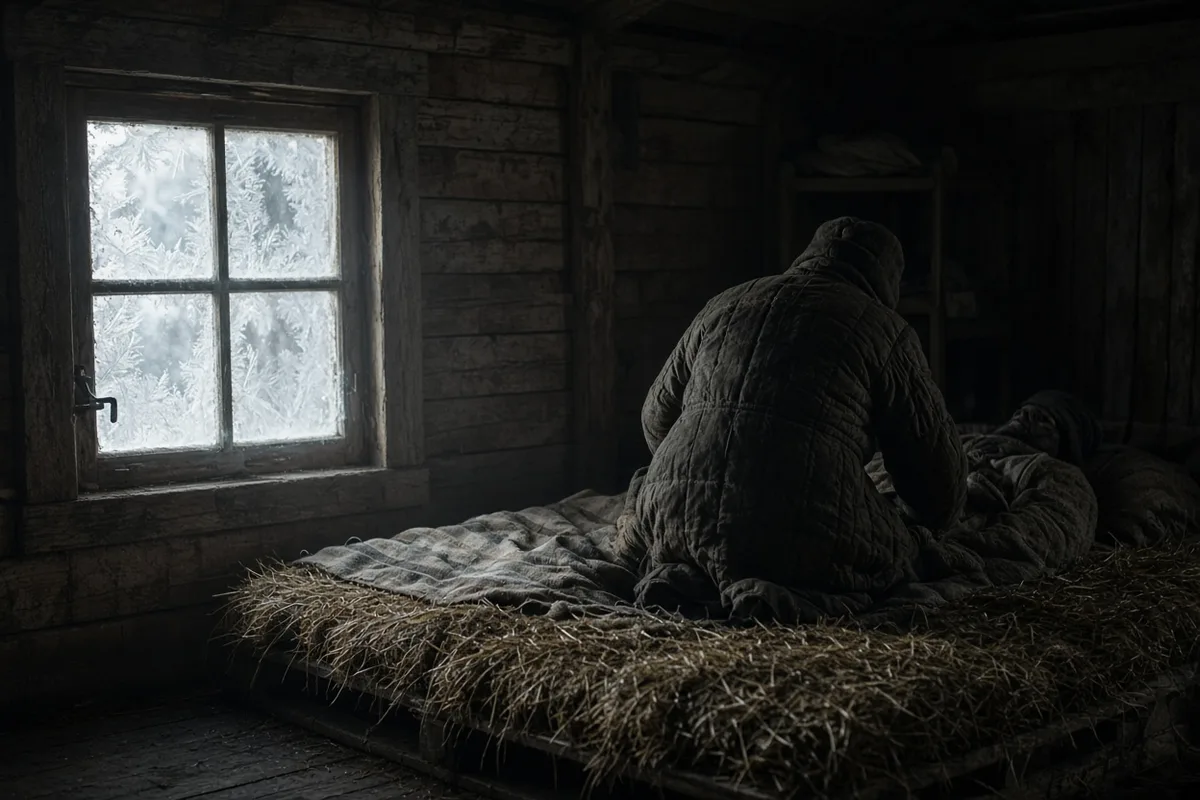
The knife had slipped during the night. I lay on the cot nearest the stove, watching the frost climb the window glass in white feathers while the man across from me tried not to groan. His name was Solzhenitsyn. We had both come in from the same work detail three days earlier, both running fevers that the orderlies measured with a single thermometer they wiped on their sleeves between patients.
Outside the ward door the camp lights cut the dark into squares. Inside, the air smelled of iodine and boiled cabbage. Solzhenitsyn kept his eyes open. He counted the planks in the ceiling the way some men count prayers they no longer believe.
Kornfeld came at first light. The doctor moved without hurry, checking pulses with two fingers, writing notes on the back of requisition forms. He stopped at Solzhenitsyn’s cot and asked how the incision felt. Solzhenitsyn answered that it pulled when he breathed. Kornfeld nodded and sat on the low stool the orderlies used for dressings.
He spoke quietly about a prayer he had read, one Roosevelt had offered in public. Solzhenitsyn laughed once, short and dry. He said any man in power who spoke of God was selling something. Kornfeld did not argue. He only asked whether it was possible that a leader might mean the words. The question stayed in the air after he moved on to the next cot.
That afternoon the temperature dropped again. Men on the outer bunks pulled blankets over their heads and left only a slit for air. Solzhenitsyn lay still. I watched him turn his face toward the wall and then back again. He asked me, later, whether I remembered any prayers from childhood. I told him I remembered the sound of my grandmother’s voice more than the words. He said nothing else that night.
Kornfeld returned the next morning with fresh bandages. He changed Solzhenitsyn’s dressing first. While he worked he spoke about his own arrest and the things he had done before the sentence. He said that when he examined his record he found no punishment that lacked a cause he could name if he looked long enough. Solzhenitsyn listened without answering. When the doctor finished he thanked him and closed his eyes.
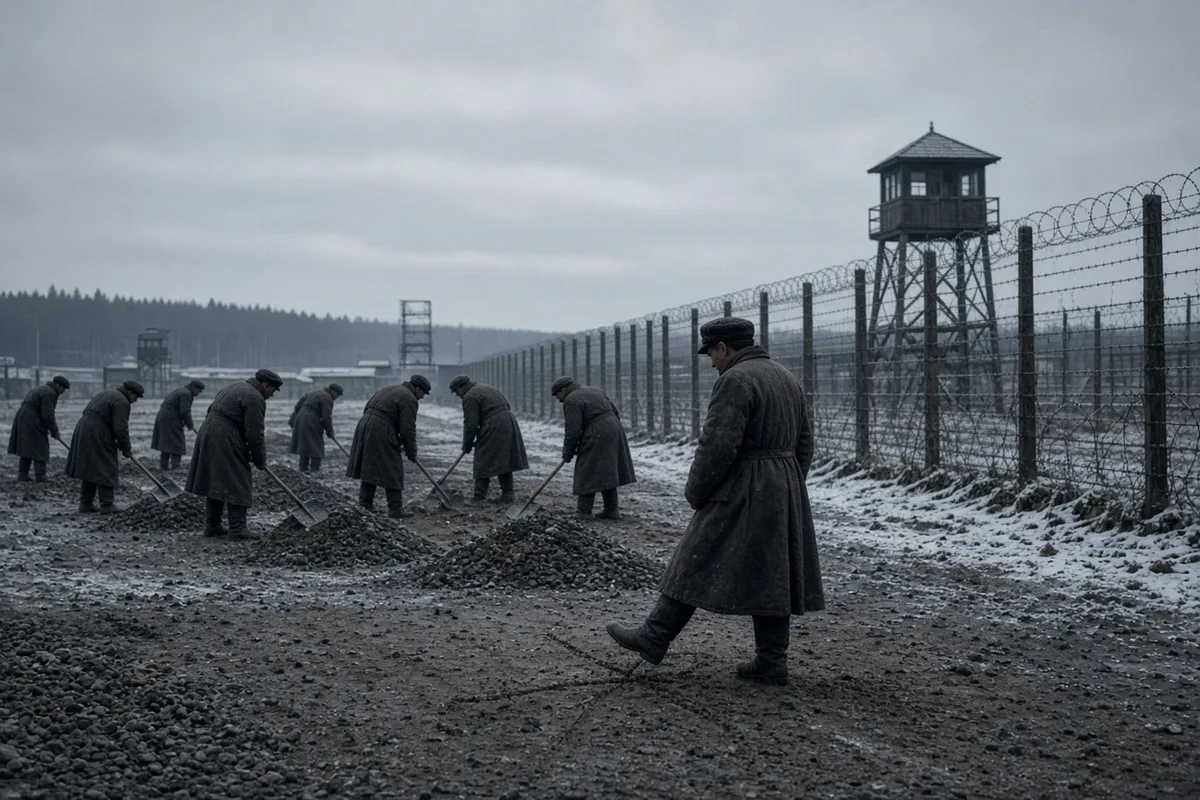
The following shift the camp siren sounded twice. Kornfeld did not appear for rounds. An orderly came instead and told us the doctor had been killed in the corridor outside the operating room. No one explained how. The orderly collected the charts and left.
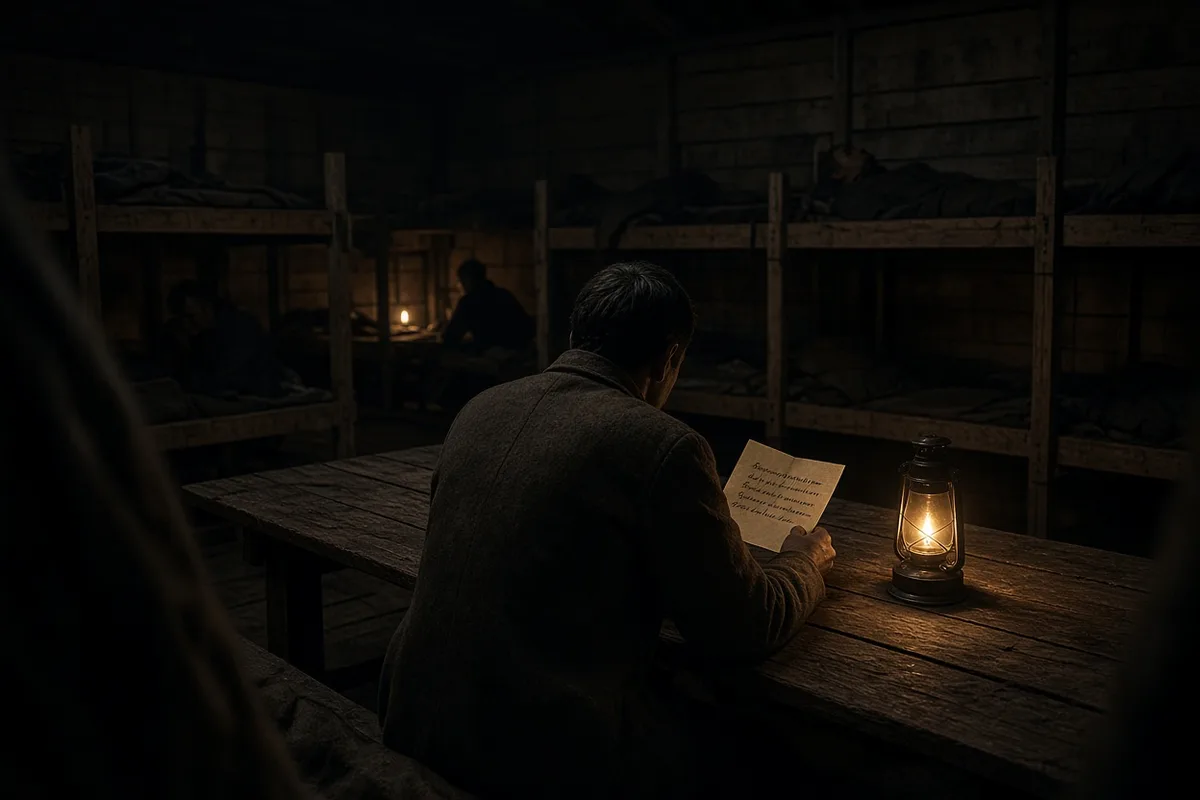
Solzhenitsyn asked for paper that evening. The nurse on duty gave him the back of an old temperature chart and a pencil stub. He wrote for a long time, stopping only when the lamp was turned down. In the morning he asked me to read what he had set down. The sentences were short. They described the way he had spoken to a private soldier once, months after receiving his captain’s stars, and the way the man had looked at the ground while carrying an officer’s kit through the mud. He had forgotten the incident until the doctor’s words brought it back.
He kept the paper under his mattress. When the fever broke he asked to be returned to the barracks rather than the lighter work detail. The commandant granted the request after the usual delay. Solzhenitsyn walked out with the rest of us at the end of the week. He carried his own bundle.
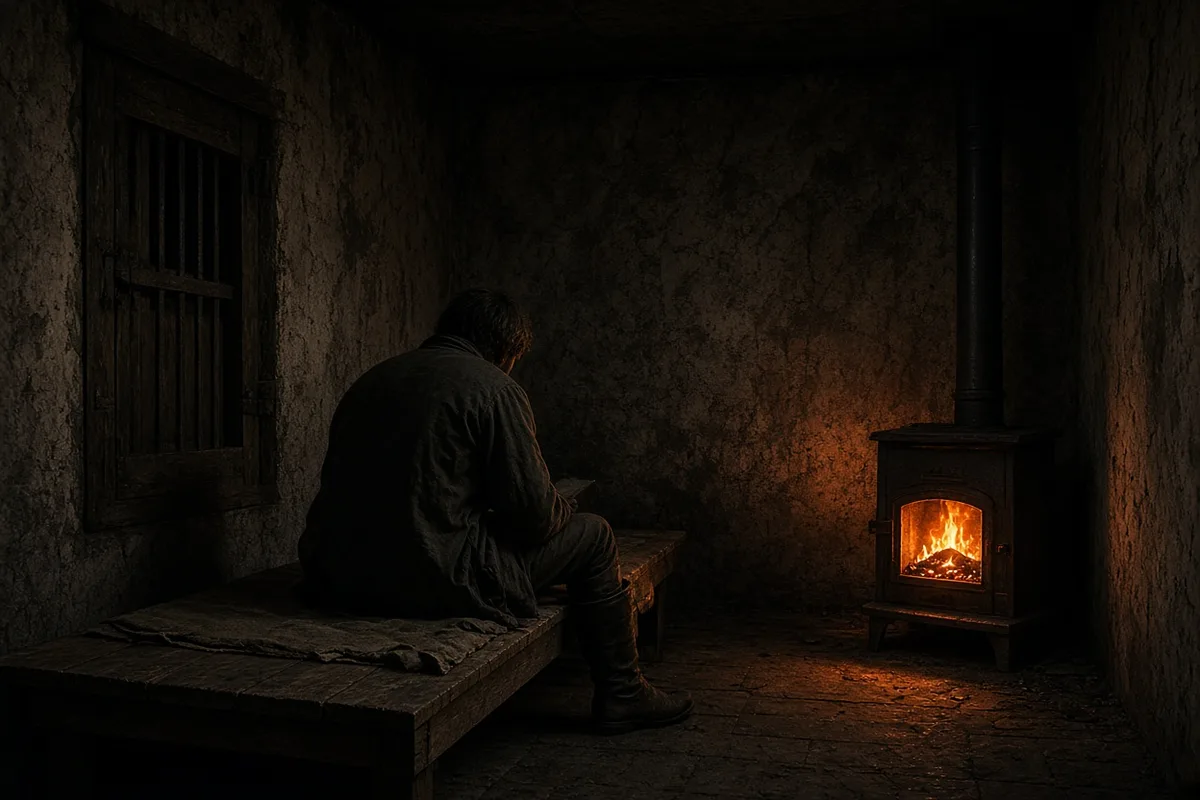
In the months that followed I saw him less often. He was moved to a different section of the camp where the mathematicians worked on drawings for the trust. Men who shared his new barracks said he rose earlier than the others and spent the extra hour before roll call sitting on the edge of his bunk with a notebook. They also said he stopped taking extra rations when they were offered.
Years later, after the sentence ended and the exile began, word reached some of us that he had written a book about the camps. I never saw a copy. What stayed with me was the morning Kornfeld did not come for rounds and the way Solzhenitsyn asked for paper instead of asking for an explanation. The pencil marks on that chart were the first thing he chose to keep when everything else could be taken.
The release came for me in the spring of 1955 through a commission that reviewed files in Alma-Ata, where the local KGB office stamped the certificate on 12 April with the number 47/319 and listed my original sentence as eight years under Article 58-10 for counter-revolutionary agitation. I carried the paper on the train north to Omsk, then walked the last thirty kilometres to the village where my sister still kept the house with the sagging roof and the single birch outside the window. Letters from other former prisoners reached me there over the next two years. One, dated 14 March 1957 from a man named Lev Kopelev who had shared a barracks in Ekibastuz, mentioned that Solzhenitsyn had settled in the town of Kok-Terek and was teaching mathematics at Secondary School Number 1 while submitting petitions to restore his captain’s rank. Kopelev wrote that Solzhenitsyn had begun typing pages each evening on a borrowed machine and had already filled two notebooks with descriptions of the Special Camp Number 1 punishment blocks, including the exact count of 2,817 prisoners registered there on 1 January 1952.
In 1962 the journal Novy Mir printed the story that became known as One Day in the Life of Ivan Denisovich. The issue appeared on 18 November with a print run of 95,000 copies, and the text carried the author’s name Aleksandr Isaevich Solzhenitsyn on the masthead. A copy reached me through a former orderly from the camp hospital who had kept in touch with a nurse in Tashkent; he underlined one sentence in the margin that read, “The man who had been a captain in the artillery now carried planks on his shoulder and answered to the number Shch-262.” The following spring Solzhenitsyn received permission to move to Ryazan, where he took a room at 17 Lenina Street and continued work on the longer manuscript that would become The Gulag Archipelago. On 30 October 1963 he wrote a letter to the Writers’ Union secretariat stating that the three volumes already contained 1,200 pages of testimony drawn from 227 named prisoners.
The Nobel Prize announcement came on 8 October 1970. Solzhenitsyn remained in the Soviet Union and declined to travel to Stockholm, citing the risk that authorities would refuse re-entry. His lecture, delivered in written form and later published, quoted the line “One word of truth outweighs the whole world” and referenced the 1945 arrest order that had listed his military decorations as evidence of disloyalty. By then I had been allowed to return to Leningrad and found work in a boiler plant on the outskirts; each month I listened to foreign radio broadcasts that carried excerpts from his books read aloud in Russian. In 1974 the Presidium of the Supreme Soviet stripped him of citizenship by decree number 1086, and on 13 February he was flown from Sheremetyevo to Frankfurt with only two suitcases containing manuscripts and a few letters.
After the expulsion he lived first in Zurich, then moved in 1976 to a house in Cavendish, Vermont, where the local records show he purchased 18 acres at 4 Old Farm Road. He continued typing daily, completing the three volumes of The Red Wheel that carried the narrative from the 1914 mobilisation through the February Revolution, citing specific telegrams sent by General Samsonov on 26 August 1914. In 1983 he gave an address at Harvard in which he mentioned the number 60 million victims of the Soviet system, a figure drawn from the archival tallies he had assembled in the Vermont study. When the Soviet authorities permitted his return, he crossed the border at Vladivostok on 27 May 1994 aboard the steamship Mikhail Strekalovsky and travelled by rail across Siberia, stopping at the site of the former Ekibastuz camp where the remaining foundations of the 1952 barracks still stood.
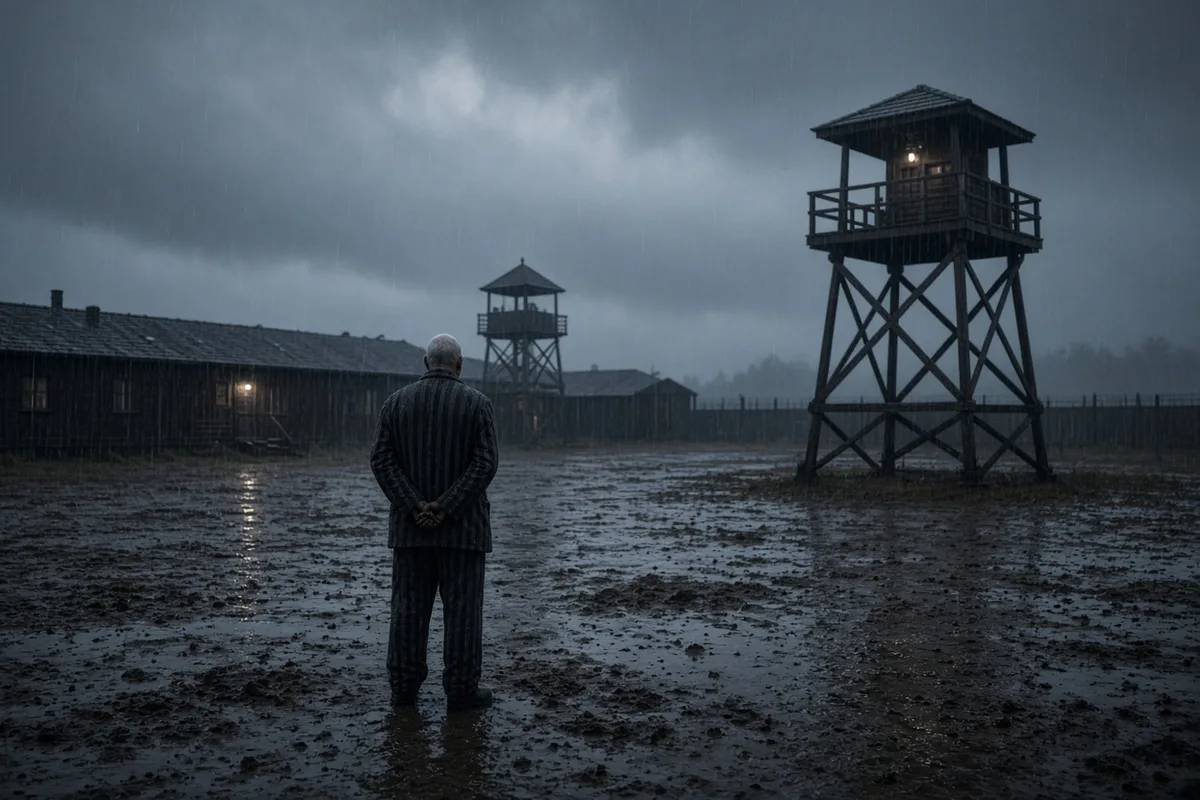
In Moscow he settled again in the Troitse-Lykovo district at a dacha whose address was listed in city records as 1 Solzhenitsyn Lane. He worked there on the multi-volume history of Russian Jewry until his health declined. On 3 August 2008 paramedics recorded his death at 11:45 p.m. in the presence of his wife Natalya Dmitrievna; the death certificate noted cardiac arrest following a long illness. His funeral took place three days later at the Donskoy Monastery, attended by Patriarch Alexy II, and the coffin was lowered into a grave marked only with a plain Orthodox cross and the dates 1918-2008.
The archive he left occupies the ground floor of the same dacha, now maintained by the Solzhenitsyn Foundation under the direction of his son Ignat. Visitors may request access to the original temperature chart from the Tashkent hospital ward, still bearing the pencil lines he wrote the night after Kornfeld’s death. The pages contain the sentence “I spoke to him as if he were not a man but a number on a list,” followed by the date 5 March 1954. In the last photograph taken before his death he sits at the desk holding a fountain pen above an open notebook, the window behind him showing the birch trees that line the lane leading to the main road.
I requested the chart myself in the winter of 2011 after writing to the Solzhenitsyn Foundation at 1 Solzhenitsyn Lane and receiving permission from its director Ignat Aleksandrovich on 19 December. The archivist on duty that day, a woman named Elena Vladimirovna, placed the yellowed temperature form on the reading table and pointed to the line “I spoke to him as if he were not a man but a number on a list,” dated 5 March 1954 in the same pencil stub the nurse had supplied. Beside it Solzhenitsyn had added the prisoner count 2,817 for Special Camp Number 1 on 1 January 1952, taken from the daily roll he had copied onto the back of a requisition slip while still in the Ekibastuz punishment block.
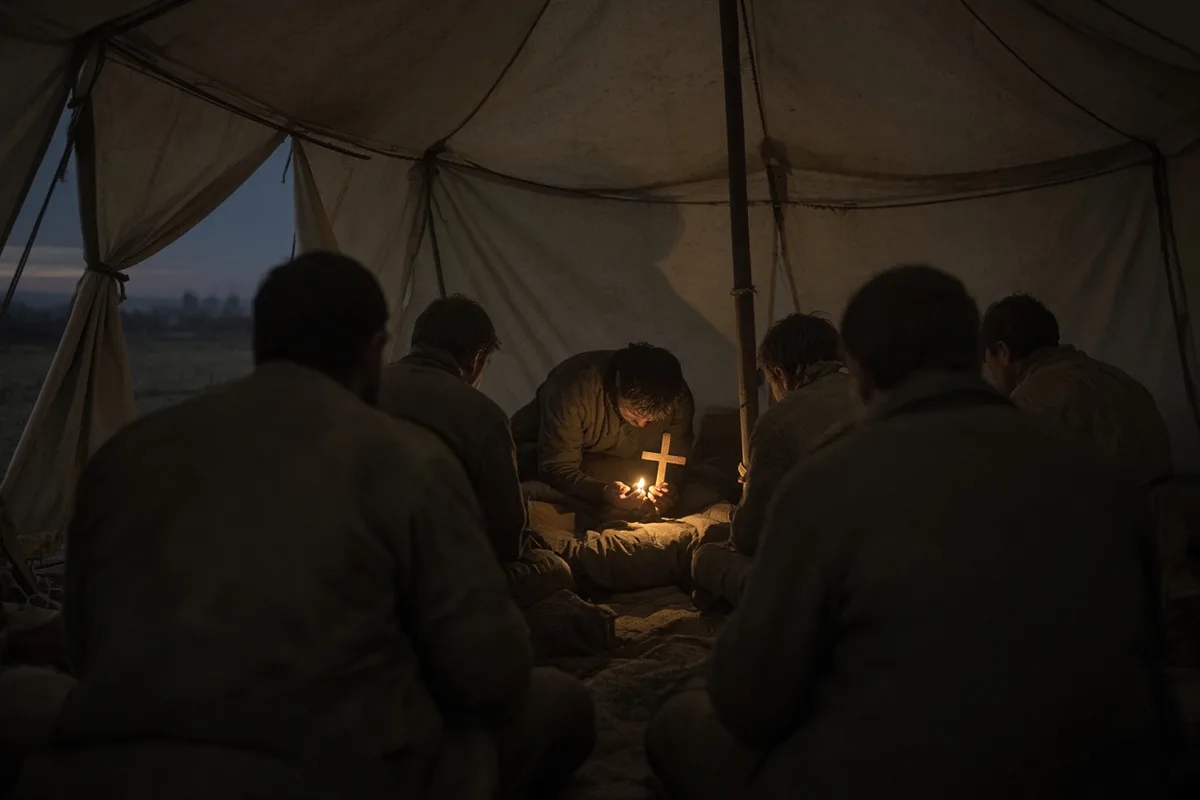
Three years later the foundation opened a second reading room in the former dacha garage where the three volumes of The Gulag Archipelago had been retyped on a 1968 Olivetti Lettera 32. On 14 June 2014 I examined folder 47 containing the 227 named testimonies Solzhenitsyn listed in his 30 October 1963 letter to the Writers’ Union; one sheet bore the signature of Lev Kopelev dated 22 September 1952 and recorded the exact weight of the morning bread ration at 550 grams. The room’s temperature was kept at 18 degrees Celsius to protect the paper, and the archivist required cotton gloves before any page could be turned.
In 2017 the remaining foundations at the Ekibastuz site were surveyed by a team from the Kazakh Institute of History under contract number 312-KZ. Their report, published 4 November, listed the coordinates of the old hospital ward at 51.7224° N, 75.3148° E and noted that the stove base measured 1.8 metres by 1.4 metres, still visible beneath twenty centimetres of steppe soil. I travelled there the following May and stood on that base for forty minutes while a local guide read aloud the 1949 camp order that had assigned Solzhenitsyn the number Shch-262.
The narrator’s own file, released under Russian Federal Law 152-FZ in 2019, arrived at the boiler plant in Leningrad on 7 August with the original 1955 certificate stamped 47/319 by the Alma-Ata commission. It recorded the eight-year term under Article 58-10 and the date of release, 12 April 1955, together with the transport order that routed me north through Omsk on the 14:40 train. The plant director allowed me to keep the document in the locker beside my time card until retirement on 1 March 1992.
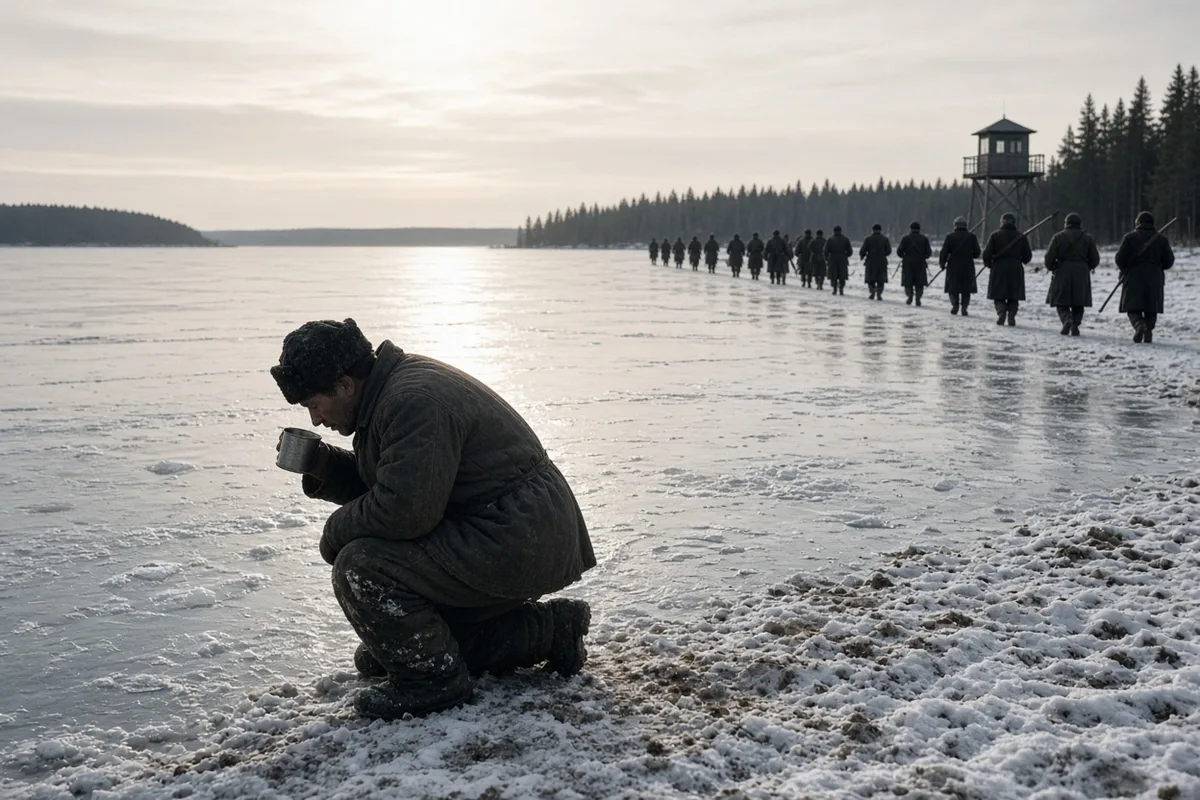
Today the dacha at 1 Solzhenitsyn Lane remains open four days a week, with the birch trees along the lane now numbered 1 through 47 by the Moscow Parks Department inventory of 2022. Visitors sign a ledger that records 3,412 entries in 2023, the highest annual total since the archive opened. On the desk in the study the fountain pen Solzhenitsyn held in the final photograph lies uncapped beside an open notebook whose last entry, dated 2 August 2008, lists the page count for the Russian Jewry history at 1,847.
My sister’s house outside Omsk still stands with the single birch outside the window; the roof was replaced in 2004 after a grant from the regional veterans’ committee numbered 89-V. The last letter I received from any former Ekibastuz prisoner arrived on 11 February 2020 from a man named Pavel Ivanovich who had worked in the mathematicians’ section and quoted the exact sentence Solzhenitsyn wrote on the temperature chart the night Kornfeld was killed.
On 3 August 2024 I returned to the archive and asked to see the chart once more. Elena Vladimirovna, now retired, had been replaced by her successor, a graduate student named Sergei Petrovich who placed the document under the glass and stepped back. I read the line about the soldier and the officer’s kit, then looked up at the window where the birch trees lined the lane, their leaves already turning.