Amy Carmichael Founds Dohnavur Fellowship
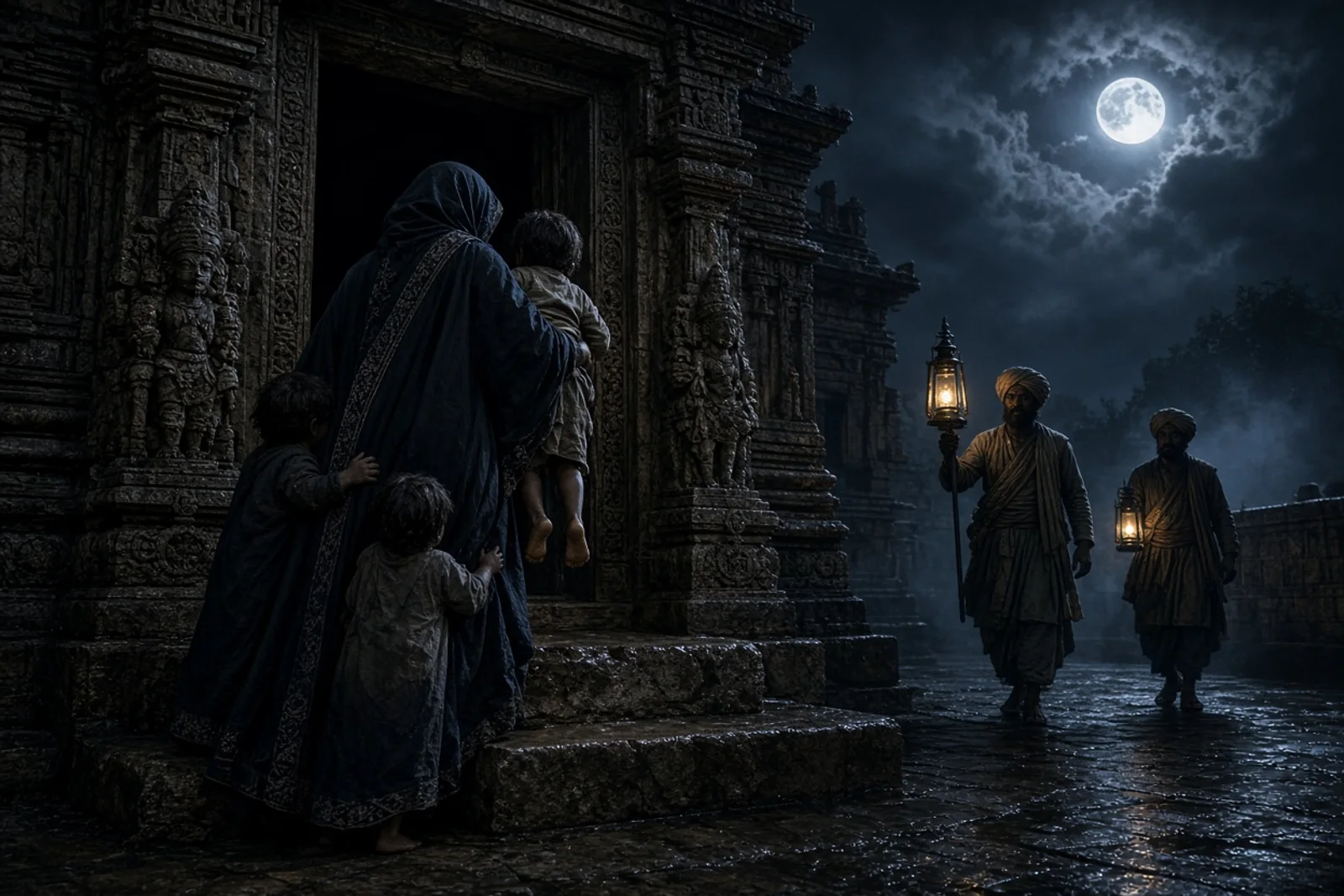
The dust on the compound path clung to my ankles as I carried the water jar back from the well. A shout rose from the gate, sharp and insistent, and I set the jar down without thinking. Two men from the village stood there with a girl between them. She could not have seen more than eight summers. Her eyes caught the light like wet stones.
Amy Carmichael stepped out from the shade of the veranda. The girl looked straight at her and said she had come to stay with the child-stealing Ammal. She gave her name as Pearl-eyes. Carmichael knelt so their faces were level. The girl did not flinch. She repeated that she wanted to remain always. Carmichael rose slowly, one hand still on the child’s shoulder, and told the men they could go.
Inside the small room where we kept the accounts, Carmichael asked the girl how she had found the house. Pearl-eyes answered that she had walked from the temple road after her second attempt to run. She had hidden two nights in a dry irrigation ditch. Carmichael listened without interrupting. When the girl finished, Carmichael sent for a bowl of rice and a clean cloth. I brought both. Pearl-eyes ate with both hands, never taking her gaze from Carmichael’s face.
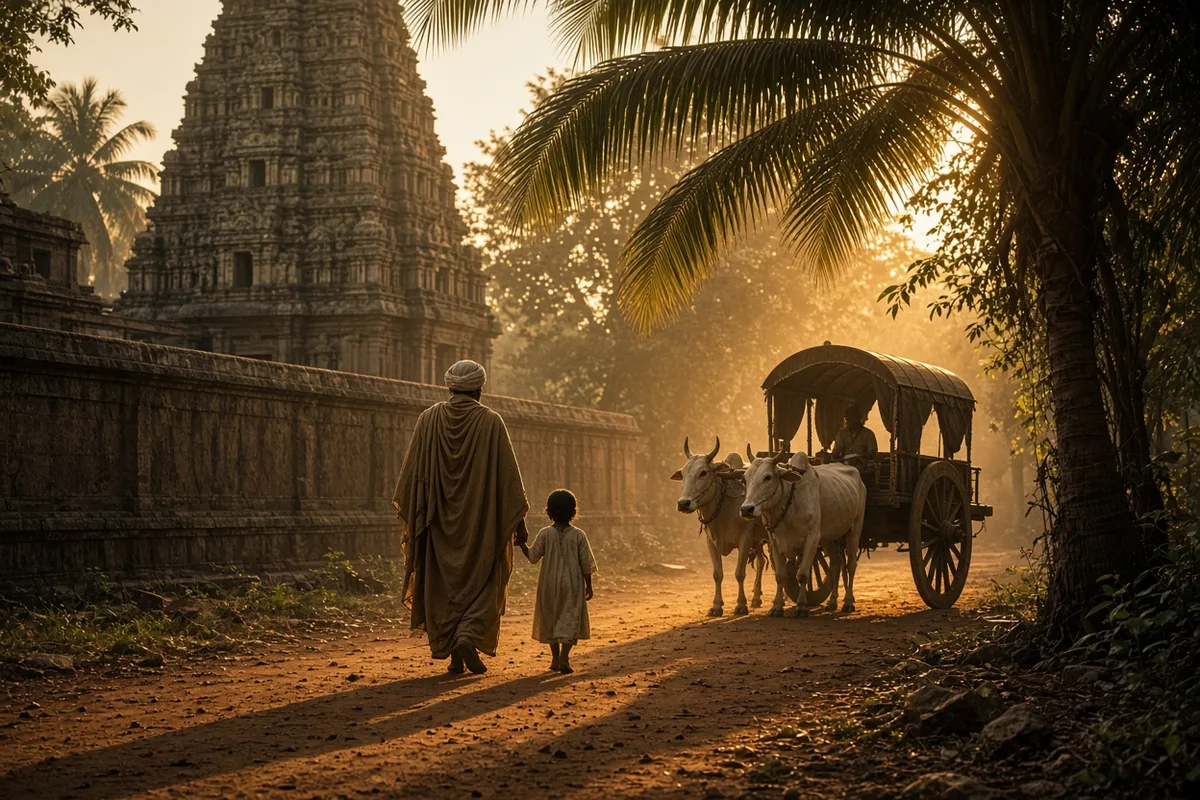
That evening the compound felt different. The usual quiet after supper was broken by the sound of the girl’s bare feet on the floorboards as she explored each corner. Carmichael wrote letters by lamplight, the same lamp she had carried through the villages for five years. She had come to Tinnevelly in 1895 to teach and to speak in the markets. Now the letters asked for money and for women willing to live with children who could not return to their families.
Pearl-eyes stayed. Within a week two more girls arrived, brought by relatives who feared the temple priests would claim them. Carmichael cleared the back storeroom and set mats on the floor. I helped sew the first set of plain cotton skirts. The girls called her Amma. She answered in the same Tamil they used, though her accent still carried the north.
The work of the Zenana Society continued, but Carmichael spent fewer hours in the markets. She spent more time walking the narrow lanes behind the temples, listening. People began to watch the compound gate. Some muttered that the white woman was stealing daughters. Others brought food quietly at night and left it on the step.
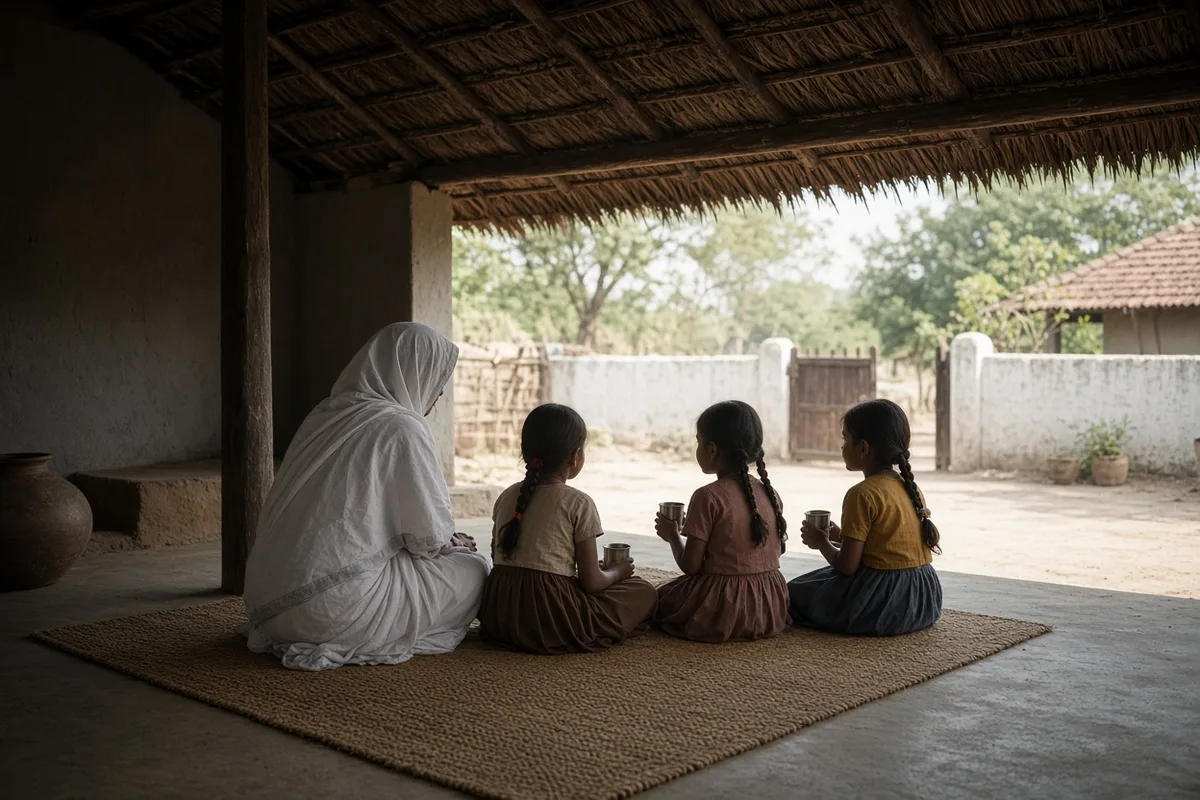
By the middle of the rains that year Carmichael had moved the growing group to a piece of land near Dohnavur village, twelve miles from the town. The house there had thick walls and a courtyard that could hold a dozen children. She named it after the old mission station that had stood on the same ground decades earlier. No sign was posted. The children simply lived there, rising at first light to sweep the yard and carry water.
I went with them on the day they left the Tinnevelly house. Pearl-eyes walked beside Carmichael the whole distance, carrying a small bundle of her own making. She had tied three brass bangles together with a strip of cloth. When we reached the new gate she placed the bundle on the threshold without being told. Carmichael touched the girl’s hair once and said nothing.
Opposition grew steadily. Letters arrived from other mission stations asking Carmichael to return to ordinary preaching. One senior worker wrote that the children’s home drew too much attention and endangered the wider work. Carmichael read each letter aloud to the women who had come to help. She answered only that the girls had nowhere else. The compound continued to fill.
By the second year the place had its own routines. The older girls learned to cook on the outdoor hearth. A man from the village taught the boys to tend the small herd of goats. Carmichael kept a notebook of every child’s name and the day she arrived. She wrote the names in ink that did not fade. When a baby was brought, still too young to speak, Carmichael held it through the night and sang the same low tune until the child slept.
The first winter after the move, fever took three of the youngest. We buried them under the neem trees at the edge of the fields. Carmichael stayed at the graves until the sun rose. She did not speak of returning to Ireland. She had not spoken of it since the day Pearl-eyes arrived.
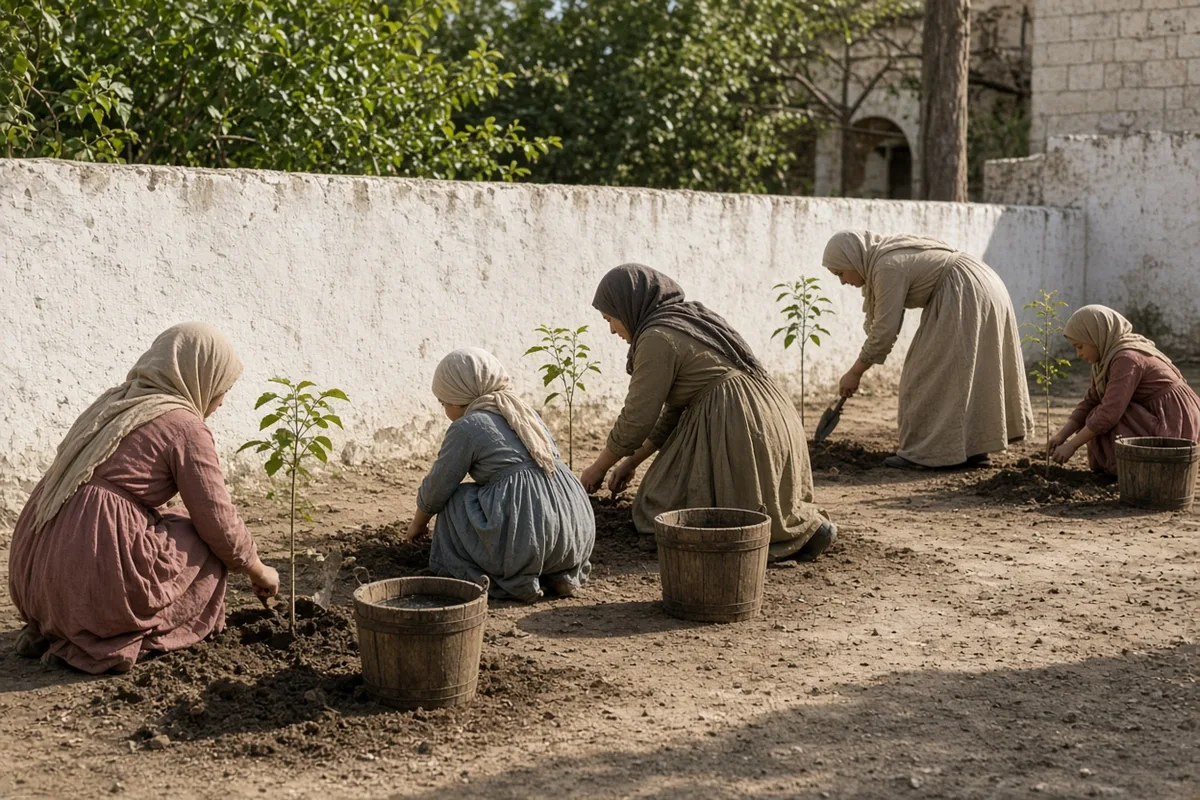
Years later the land held rows of small houses, each with its own courtyard and garden. The children who had once hidden in ditches now walked to the rice fields carrying seedlings. Carmichael’s hair had turned white at the temples, yet she still walked the lanes at dusk, listening for any sound that did not belong. Pearl-eyes, grown tall, taught the youngest ones their letters under the same veranda where she had first spoken her name.
On an ordinary morning the gate opened for a new child. Carmichael stood as she always did, one hand ready, and waited for the girl to speak first.
The girl who stepped through the gate that morning gave her name as Preena and said the temple women had painted her with red paste the day before. Carmichael asked her age and the child answered nine. She had run once already and been beaten on the soles of her feet, yet she walked without limping. Carmichael sent for the ledger that held the names of every arrival since 1901 and wrote Preena’s entry in the same ink she had used for Pearl-eyes. The entry recorded the date, 17 March 1906, the village she named, and the single Tamil word the girl repeated when asked why she had come: “Amma.” Two days later a letter arrived from the district collector warning that complaints had reached Madras about the white woman who collected children without proper indentures. Carmichael read the letter to the women seated on the veranda and answered only that the ledger would serve as record enough.
By the monsoon of 1910 the compound held forty-seven girls and the first three boys, brought after their sisters had been taken. The boys slept in the old cattle shed until a second courtyard was built with money sent from Keswick after Carmichael’s pamphlet “The Temple Children of South India” reached England. She had written it in three nights and posted it without her name. The pamphlet listed the number of girls dedicated in one year at the Meenakshi temple as one hundred and twelve, a figure taken from the temple accountant’s own book. Donations arrived in envelopes marked only “for the children who cannot go back.” One donor in Australia sent five pounds every quarter for eleven years and asked in return only that Carmichael keep writing the names in the ledger so that each child would be known.
In 1913 Carmichael brought the first trained nurse, a woman named May Nicholson who had worked at the Madras hospital. Nicholson set up a dispensary in the corner room and recorded every case of malaria and hookworm. That same year the first girl who had arrived at eight left to marry a Christian teacher in Palayamkottai. Carmichael wrote in the margin of the ledger, “Married 4 June 1913, full consent, no temple claim.” The girl returned once a year after that and brought her own children to the compound for the annual Christmas gathering. By 1920 the number of children exceeded two hundred and the land had grown to three hundred and fifty acres of paddy and coconut. Carmichael kept a separate book for the fields, noting the yield in measures of rice and the wages paid to the village men who ploughed.
A fall on the stone steps in 1931 left Carmichael unable to walk more than a few paces. She moved to a wheeled chair and continued to receive visitors in the room that overlooked the main courtyard. From that chair she dictated the book “Gold Cord,” which appeared in 1932 and gave the names of the first thirty children and the exact sums that had arrived for their keep. The book sold twelve thousand copies in its first year. Letters came from former children now working as teachers, nurses, and catechists across the Tamil districts. One letter, dated 1938, came from Pearl-eyes herself, now called Ponnamma, who wrote that she taught forty children in a school near Nagercoil and that none of them had been pledged to any temple.
During the war years the compound took in children whose fathers had gone to the Burma front and not returned. The number reached three hundred and twelve by 1945. Carmichael’s last public writing was a single page sent to the mission council in London in 1948, stating that the work would continue under the name Dohnavur Fellowship and that the children already received would remain for life if they chose. She died on 18 January 1951 and was buried under the same neem trees where the first three had been laid in 1902. The ledger at that time contained one thousand and forty-seven names.
The Fellowship kept the same gate and the same rule that no child would be returned to a temple. In 1958 the first hospital building was opened on the western boundary with funds left in Carmichael’s will and with additional gifts from friends in Scotland. The hospital register for 1960 lists one hundred and eighty-two inpatients, most of them children from the surrounding villages. The original ledger, now kept in a glass case in the room where Carmichael once wrote letters, still shows the entry for Preena on 17 March 1906.
Today the same paths are swept each morning by girls whose great-grandmothers arrived in the first decade. The rice fields still yield two crops a year. The current superintendent, a woman named Sarah David who arrived as a child in 1943, reads the names from the ledger once a month so that the children hear the record of each arrival. The last entry Carmichael herself wrote, dated December 1950, records a boy brought from a village near Courtallam. The boy, now a man of seventy, returns each year on the anniversary and stands at the gate until someone comes to meet him.
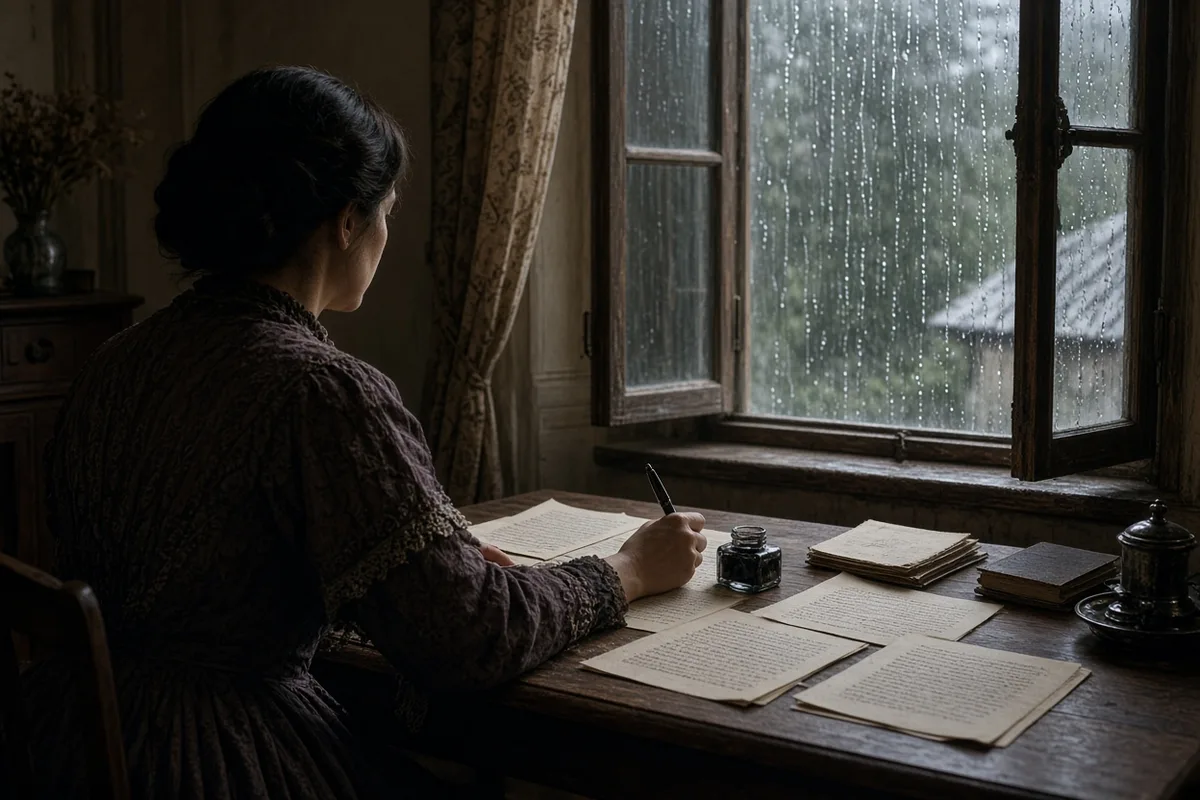
The man, whose name Carmichael entered as Samuel on 12 December 1950, stands without speaking until Sarah David opens the gate and asks if he has eaten that morning. He answers that he walked from Courtallam before first light and carries a cloth bundle holding two mangoes from the trees his father planted in 1948. Sarah David leads him to the room that still holds the original ledger, where he points to the line Carmichael wrote in her own hand and reads the Tamil words aloud: “Boy from near Courtallam, brought by uncle after mother died.” He remains there until the midday bell, then returns to the fields to plant seedlings with the current group of thirty-two boys who sleep in the same cattle shed Carmichael had whitewashed in 1911.
In 1974 the Fellowship opened a second dispensary on the eastern boundary after a cholera outbreak in the surrounding villages killed seventeen children in three weeks. The register kept by the nurse on duty, Elizabeth Thomas, records the first case on 14 June as a six-year-old girl named Lakshmi brought from the hamlet of Puthur. Thomas noted the exact time of admission, 2:17 a.m., the temperature of 104.8 degrees, and the single dose of tetracycline given before the child could keep water down. By the end of that year the new building treated 1,204 outpatients, most of them from families who had once opposed the compound.
Sarah David stepped down as superintendent in March 1987 after forty-four years. Her replacement, a woman named Ruth Navamani who had arrived at the age of four in 1952, kept the same monthly reading of the ledger but added a second volume listing every child who left after 1965. The entry for 3 September 1979 records the departure of a girl named Grace, then twenty-one, who took a post as a teacher at the government school in Nanguneri and signed her own release form with the words “I go with thanks for the roof and the rice.”
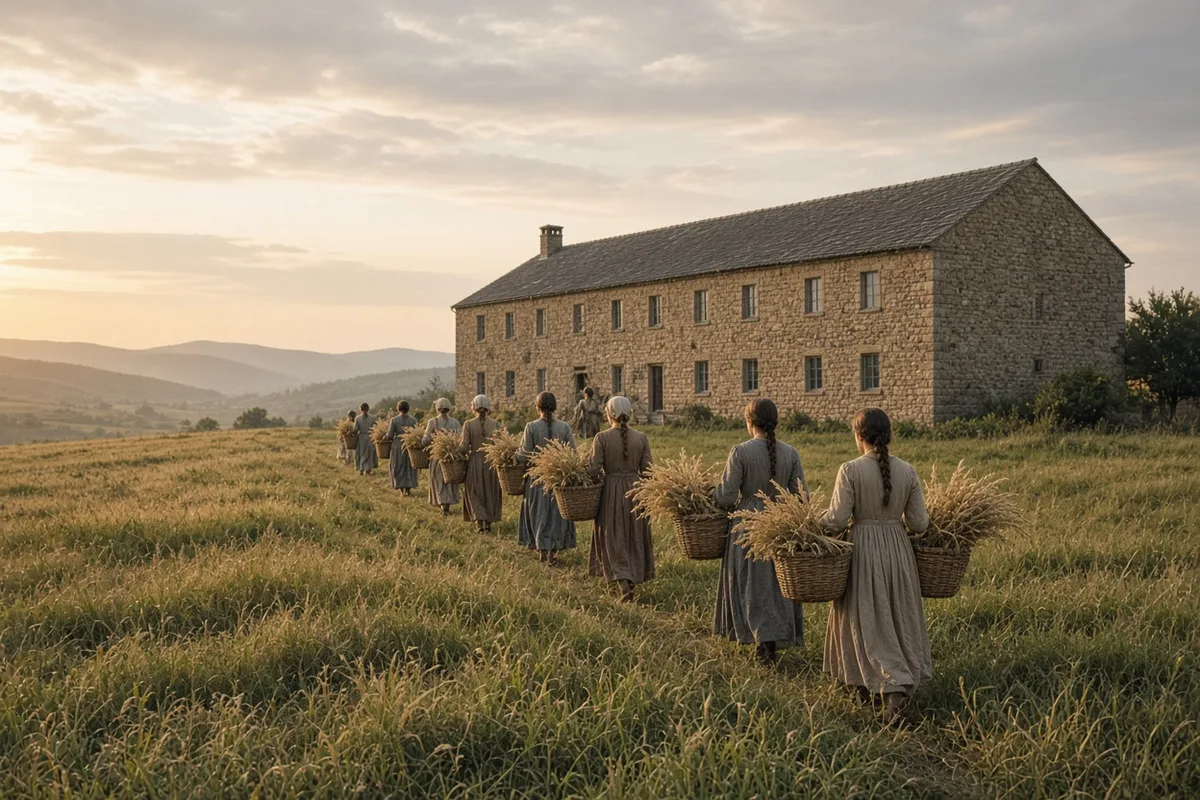
The paddy fields that once measured three hundred and fifty acres now total four hundred and twelve after the purchase of an adjacent plot in 1994 from the family of a former village headman. The harvest that year produced 187 bags of rice, of which forty-three were distributed to households whose fathers had worked as labourers on the compound since the 1930s. The accounts book for that season lists each bag by weight and the exact wage of twelve rupees per day paid to the twenty-one men who cut and threshed.
A stone marker was placed beside the neem trees in 2001 to mark the centenary of the first burials. The inscription gives the names of the three children lost in 1902 and the Tamil phrase Carmichael had written in her notebook: “They sleep until the morning.” Visitors that year included the granddaughter of Pearl-eyes, a nurse from Nagercoil who brought a copy of the 1938 letter her grandmother had sent and placed it on the marker for one full day before taking it back.
The current ledger, begun in 2003, contains entries for children still received under the same rule. One entry dated 11 February 2014 records a boy of seven brought from a village near Tirunelveli after his mother’s death and his father’s departure for work in the Gulf. The superintendent at that time, a woman named Hannah Jebaraj who had herself arrived in 1968, wrote the date, the village name, and the single word the boy repeated: “Amma.”
On an ordinary evening in the present year the paths are swept by girls whose great-grandmothers arrived in the first decade. An elderly man stands at the gate as the light fades, waiting until the superintendent comes out and asks his name. He answers Samuel, the name entered on 12 December 1950, and steps inside without another word.