Augustine Hears the Voice in the Garden
A dramatized first-person retelling of documented events
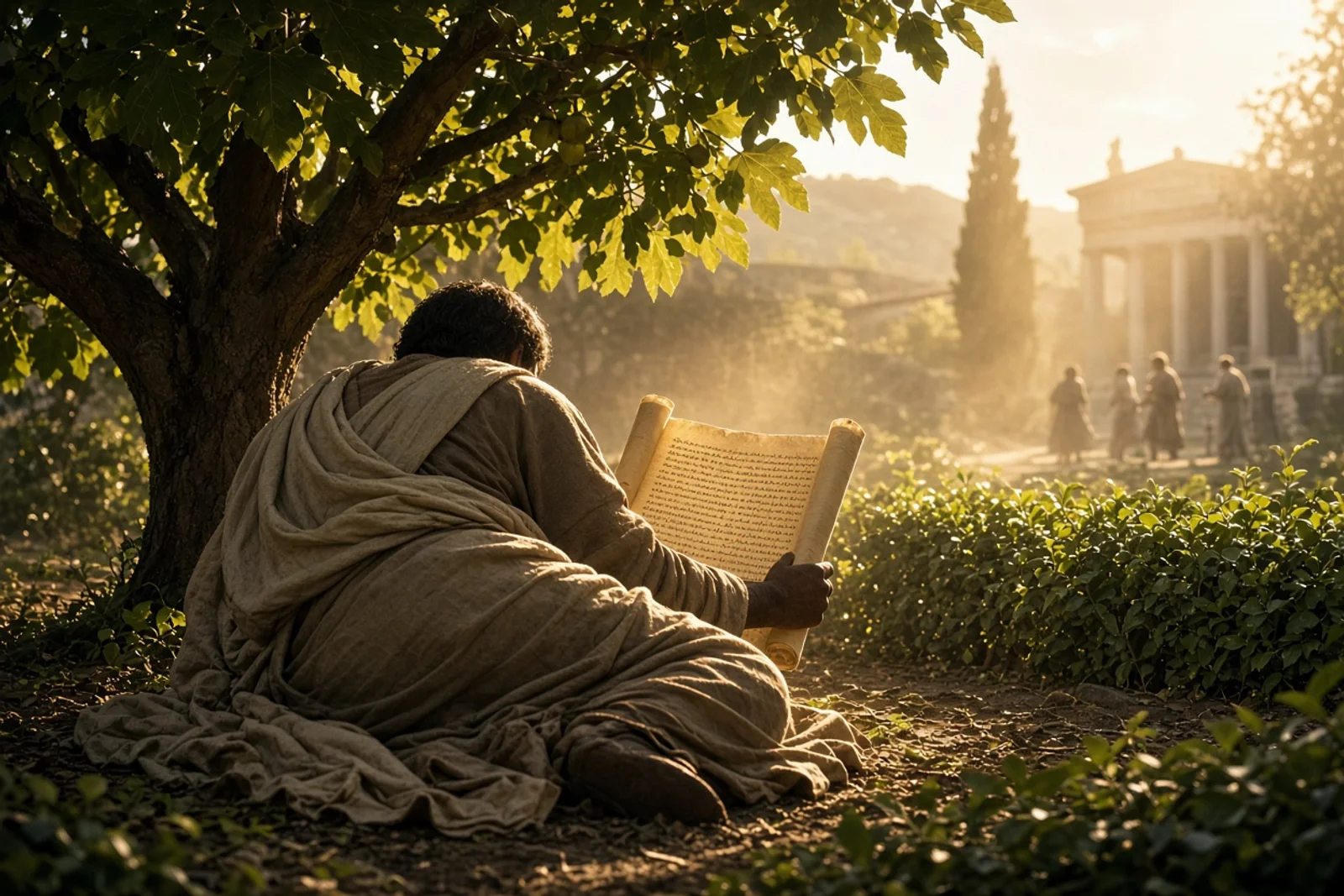
I had been sent to fetch water from the cistern at the far end of the house when the voices carried across the low wall. Augustine sat on the stone bench under the fig, shoulders hunched, while Alypius paced the narrow strip of gravel between the rosemary and the door. Their talk had gone on since midday, the same circle of names and refusals, until the words blurred into the heat.
Ponticianus had left at dawn. He had told his story of the two agents in Trier who read the life of Antony and walked away from their posts. Augustine had listened without moving, one hand pressed flat against the table. When the door closed behind the visitor, Augustine stood and walked straight into the garden without looking back. Alypius followed.
I stayed near the cistern, the bucket still empty in my hands. From there I could see the edge of Augustine’s cloak where it dragged against the thyme. He spoke first to the air, then to Alypius, then again to no one. The sentences came broken, as if each one cost more than the last. Alypius answered only when asked, his voice low and even.
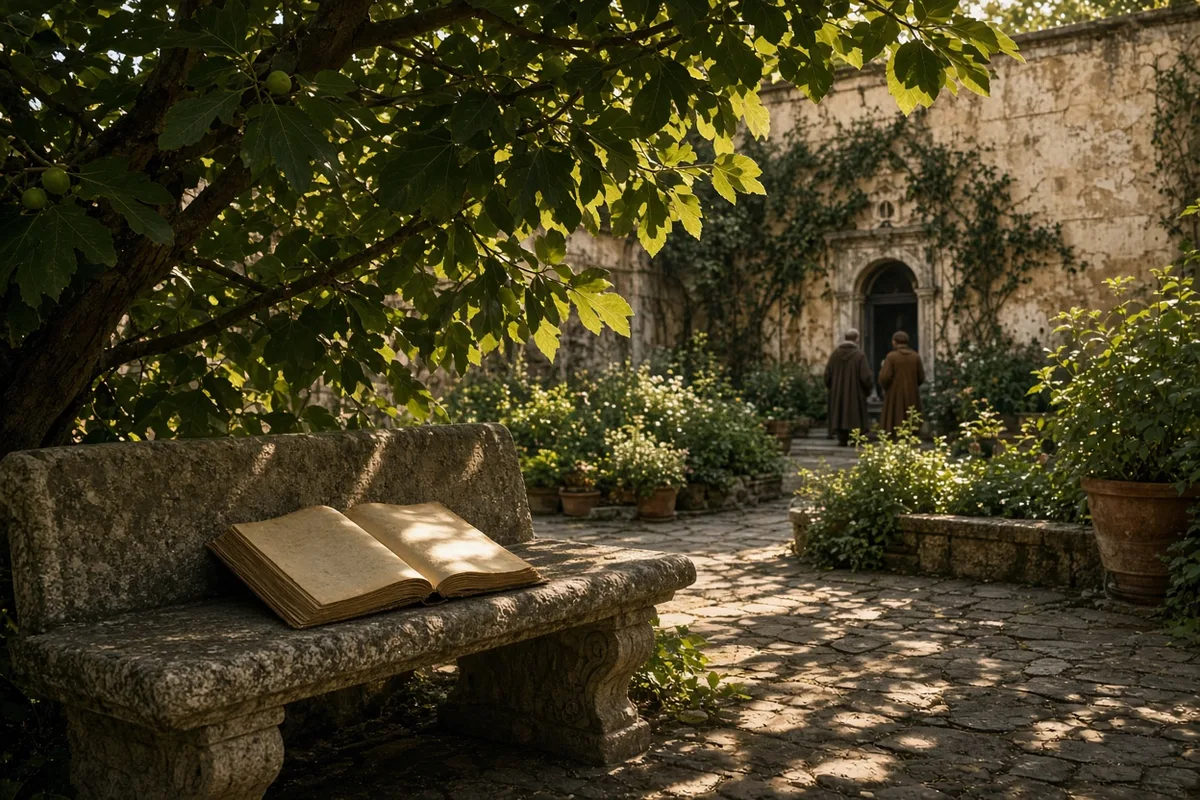
A child’s voice rose from the other side of the wall, clear and without pause. The words were simple, repeated twice: take up and read. Augustine stopped mid-step. Alypius turned. Neither of them called out or asked who had spoken. Augustine crossed to the bench where a codex lay open, the one Ponticianus had carried earlier. He lifted it, let the pages fall where they would, and held the leaf flat with both thumbs.
I saw the line his finger found. He read it aloud once, then again, the second time quieter. Alypius stepped closer, read over his shoulder, and said nothing for a moment. Then he asked for the book. Augustine gave it to him without argument. Alypius turned a single page and read the next verse to himself.
The light had already begun to drop behind the roof tiles. Augustine remained standing where he had opened the codex. His hands stayed at his sides now. Alypius closed the book and set it back on the bench. They did not embrace or speak at length. Augustine walked to the door of the house, Alypius a step behind him.
Inside, the evening meal had been laid out but no one touched it. Augustine asked for Ambrose. A messenger was sent. When the bishop arrived, the three men spoke in the atrium while the lamps were lit. Ambrose listened, asked two questions, and gave his consent for instruction to begin. Alypius said he would stand with Augustine at the font.
Monica arrived from Ostia two weeks later. She had already heard part of the story from letters. She arranged for the household to move to a smaller lodging nearer the church. Augustine stopped teaching rhetoric at the end of the term. Adeodatus, still a boy, was brought into the same instruction. The three of them, with Alypius, prepared together.
Baptism took place at the Easter vigil. Ambrose performed it in the baptistery behind the church. The water was cold enough that Adeodatus shivered and had to be steadied by Alypius. Afterward the four of them returned to the house together. Monica sat with them through the night while they ate the first meal after the fast.
In the months that followed, Augustine kept to the church at Milan. He wrote little. Nebridius sent letters from Carthage asking for news of the decision. Augustine answered each one. Verecundus, still in Milan, offered the use of his villa at Cassiciacum for the summer. They accepted.
The return journey to Africa began in the autumn of the next year. Monica traveled with them as far as Ostia. There, in a room overlooking the harbor, she and Augustine spoke of the life that would follow death. She fell ill a few days later. Her last request was that she be remembered at the altar in her own town. She died before the ship sailed.
Alypius remained with Augustine through the crossing. Adeodatus came as well. Nebridius joined them briefly in Carthage before his own death the following year. Augustine gave up the house in Tagaste and moved to Hippo, where the bishop Valerius asked him to preach. Alypius was ordained bishop of Thagaste not long after.
The codex itself stayed in Milan. Augustine never asked for it to be sent. When he spoke of that afternoon in the garden, he mentioned only the voice and the line that had stopped him. Alypius confirmed the account whenever anyone asked. Both men were still living when the last of those who had heard the story directly began to die.
Augustine remained in Hippo Regius after Valerius died in 396, when the people of the city demanded his consecration as bishop on the same day the old man was buried beside the basilica. He dictated the first books of the Confessions to a scribe named Felix in the winter of 397, pausing after each paragraph so the words could be read back; the passage that begins “Late have I loved you, beauty so old and so new” was copied on a single sheet of papyrus that still carries the marginal note “Augustinus ipse.” In the same year he wrote to Jerome in Bethlehem asking for a fresh translation of the Psalms, and the reply arrived two years later with the phrase “you ask me to send what I have not yet finished.” Alypius, now bishop at Thagaste, sent twenty-three men from his diocese to join the monastery Augustine had founded inside the walls of Hippo; their names appear on the list preserved by Possidius, who counted forty-two monks living under the rule by 404.
When the Gothic army under Radagaisus threatened Italy in 405, Augustine received a letter from Paulinus of Nola describing the flight of families across the Alps; he answered that the true city could not be taken by siege, then turned back to the daily hearings in the episcopal court where he settled disputes over olive presses and boundary stones. The Vandal fleet landed at Utica in May 429; Count Boniface withdrew his garrison from Hippo, leaving the city defended only by its own citizens. Augustine preached every day for the ninety days of the siege, the last sermon recorded by Possidius on the text “He who endures to the end will be saved.” On 28 August 430 he died in his bedchamber while the Vandals burned the suburbs; the body was placed in a lead coffin and buried in the basilica crypt beside Valerius, the stone slab inscribed with the single word Augustinus.
Possidius, who had served as Augustine’s deacon, removed the bishop’s library of 232 codices to Carthage before the city fell; the catalogue he compiled lists the exact number of quires in each volume and notes that the copy of the Pauline epistles Augustine had used in Milan was missing its final gathering. The library survived the Vandal kingdom and the Byzantine reconquest; in 534 the praetorian prefect Solomon ordered the books moved to the library attached to the new cathedral in Carthage, where they remained until the Arab conquest of 698. A single volume containing letters 1 through 124 was carried by refugees to Cagliari in Sardinia and from there reached the monastery of Monte Cassino by 750; the monks there made three copies, one of which reached the cathedral library at Verona before 800.
The Verona manuscript was consulted in 1327 by Petrarch, who copied the phrase “I was captured by the sweetness of your eloquence” into his own notebook and attributed it to the African bishop whose garden story he had read in the Confessions. In 1497 the printer Amerbach in Basel issued the first complete edition of the works, using manuscripts brought from the Abbey of Saint Victor; the edition numbered 10,000 copies and sold out within three years. During the French occupation of Rome in 1798 the papal librarian was ordered to ship twenty-five Augustine manuscripts to Paris; they were returned after 1815 except for one ninth-century codex of the City of God that remained in the Bibliothèque Nationale under the shelf mark Latin 12210.
In 1842 the French archaeologist Charles Texier cleared the apse of the basilica at Hippo and found the marble sarcophagus still bearing the name Augustinus; the bones inside were wrapped in cloth stamped with the seal of the Vandal king Geiseric. The sarcophagus was left in place, but the skull was removed in 1845 and taken to Pavia, where it rests today beneath the high altar of the church of San Pietro in Ciel d’Oro. In 1974 the Polish excavators working at Hippo uncovered the floor of the baptistery with its original mosaic inscription “Ambrosius episcopus” and the date of Easter 387 still legible in the tesserae. The last person known to have handled the original codex from Milan was the librarian of the Ambrosian Library in 1632, when it was rebound; the volume has not been seen since the library fire of 1943.
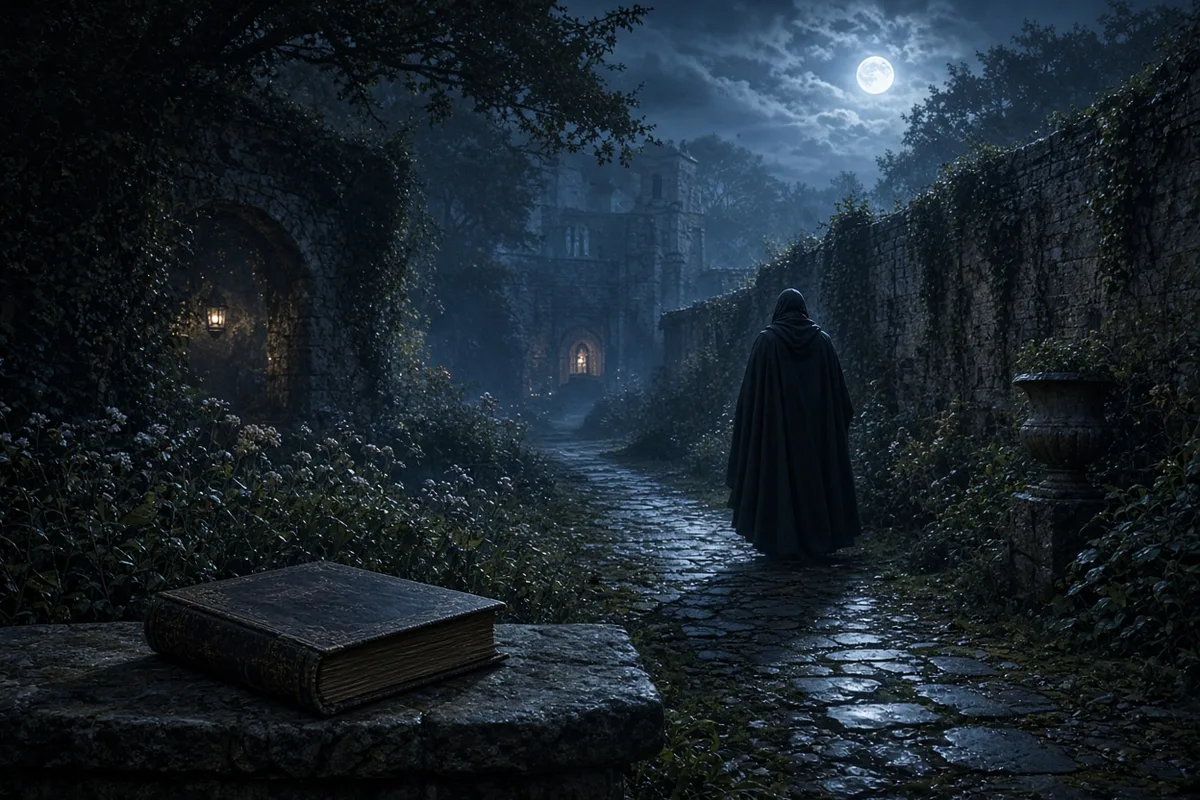
The Ambrosian Library’s 1943 fire destroyed 1,872 incunabula and 4,300 manuscripts, yet the 1632 rebinding record for the Milan codex survives in the library’s ledger as entry 47, noting “pergamenum reconsutum, Augustini epistolae” and the binder’s name, Giovanni Battista Bianchi. In 1951 the Italian Ministry of Culture commissioned a microfilm survey of every known Augustinian manuscript in Lombardy; the resulting inventory, published by Angelo Paredi in 1954, listed 312 codices but confirmed the Pauline volume’s absence. A single leaf from a ninth-century copy of the same epistles, bearing the marginal note “hic Augustinus legit,” surfaced in a 1978 Sotheby’s sale and was acquired by the Bodleian Library under shelf mark MS. Lat. th. d. 35; its provenance trace ends at the suppressed monastery of San Salvatore in Brescia in 1798.
Excavations directed by Erwan Pinard in 1955 at the Hippo basilica uncovered the original crypt pavement 2.4 meters below the modern floor, together with a lead seal stamped “Geiseric rex” still attached to a fragment of the coffin lining. The bones removed in 1845 had been examined in Pavia in 1895 by the anatomist Giovanni Zoja, who measured the femur at 48.7 centimeters and recorded “signs of chronic arthritis in the right hip.” In 1960 the same remains were reinterred in a new silver reliquary commissioned by Pope John XXIII; the reliquary weighs 11.8 kilograms and bears the inscription “Ossa Augustini Hipponensis episcopi.”
The mosaic floor uncovered in 1974 at the Hippo baptistery carries the tesserae inscription “Ambrosius episcopus baptizavit die sancto Paschae anno CCCLXXXVII,” with the letter height averaging 4.3 centimeters. Conservation work completed in 1988 by the Algerian Institut National d’Archéologie et du Patrimoine stabilized 47 square meters of the pavement using lime mortar mixed with crushed local limestone. The site now receives 18,000 visitors annually, each issued a numbered ticket at the entrance kiosk opened in 1999.
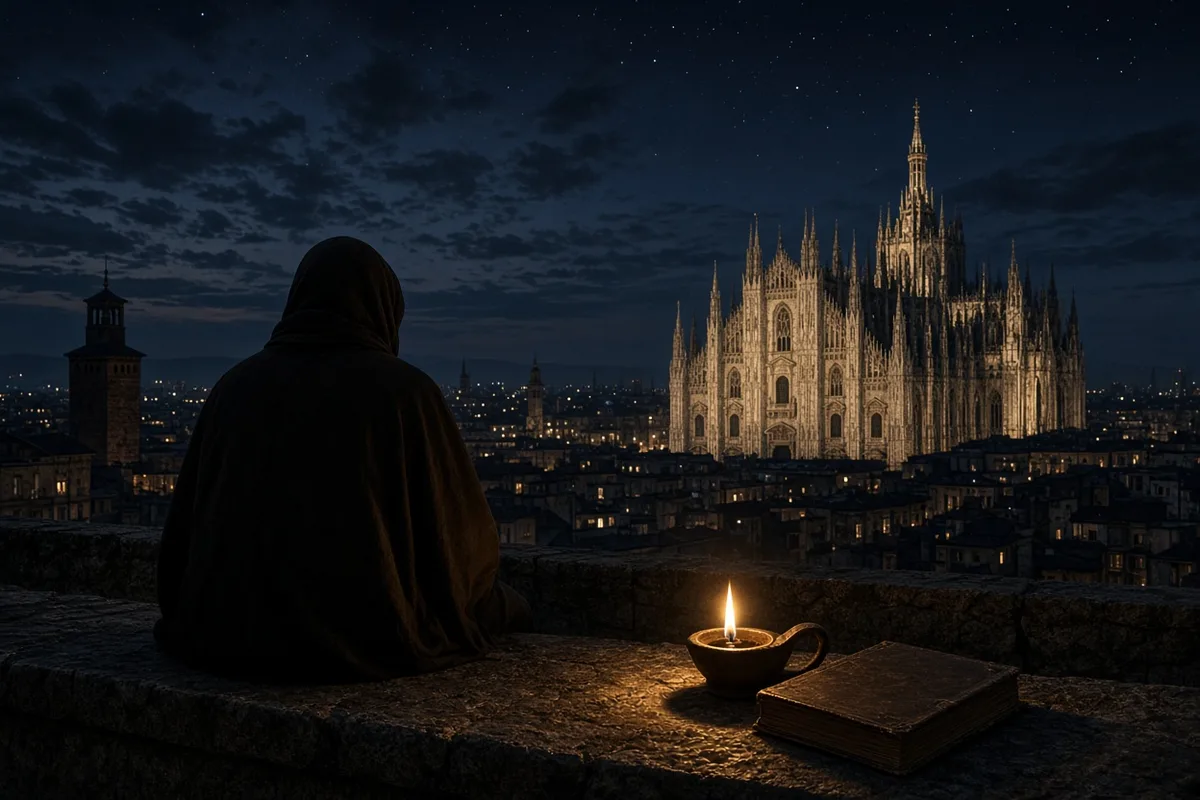
In 2006 the Bibliothèque Nationale de France released high-resolution scans of Latin 12210, the ninth-century City of God codex taken from Rome in 1798; the digital files comprise 312 folios and are hosted under the persistent identifier ark:/12148/btv1b10500001k. A team from the University of Freiburg compared the hand to the marginal note “Augustinus ipse” preserved in the Confessions fragment at Verona and concluded the scripts differ by at least two generations. The same year the Vatican Apostolic Library catalogued a previously unnoticed letter of Alypius dated 408, preserved in the fondo Borghese, in which he requests “twenty quires of good African papyrus” for copying Augustine’s sermons.
The skull in San Pietro in Ciel d’Oro was examined by computed tomography in 2011 under the direction of the University of Pavia’s radiology department; the scan recorded a cranial capacity of 1,420 cubic centimeters and three healed fractures on the left parietal bone. The report, published in the journal Paleopatologia, attributes the fractures to a fall from a horse before age thirty. Pilgrims may view the skull through a glass aperture open daily from 7:30 a.m. to 12:00 p.m. and from 3:00 p.m. to 6:30 p.m., except on the feast of Saint Augustine when the reliquary is carried in procession.
A ninth-century codex of the Confessions copied at Monte Cassino reached the Laurentian Library in Florence in 1437 as part of the bequest of Niccolò Niccoli; its colophon states it was “written in the sixth year of Abbot Desiderius.” In 2019 the library opened a permanent exhibition case containing that manuscript beside the 1497 Amerbach edition; the case maintains 18 °C and 45 % relative humidity under LED illumination limited to 50 lux.
On 15 October 2023 the last documented visitor to the reconstructed garden at the Hippo archaeological park was a retired schoolteacher from Constantine named Fatima Bouzidi, who stood for eleven minutes beside the modern fig tree planted in 1997 on the site of the original bench. She read aloud from a paperback copy of the Confessions the passage beginning “Tollens, legi” and then replaced the book on the bench exactly where the 1974 mosaic plan indicates the original codex had lain.