Canonization Miracle for St. José Luis Sánchez del Río
A dramatized first-person retelling of documented events
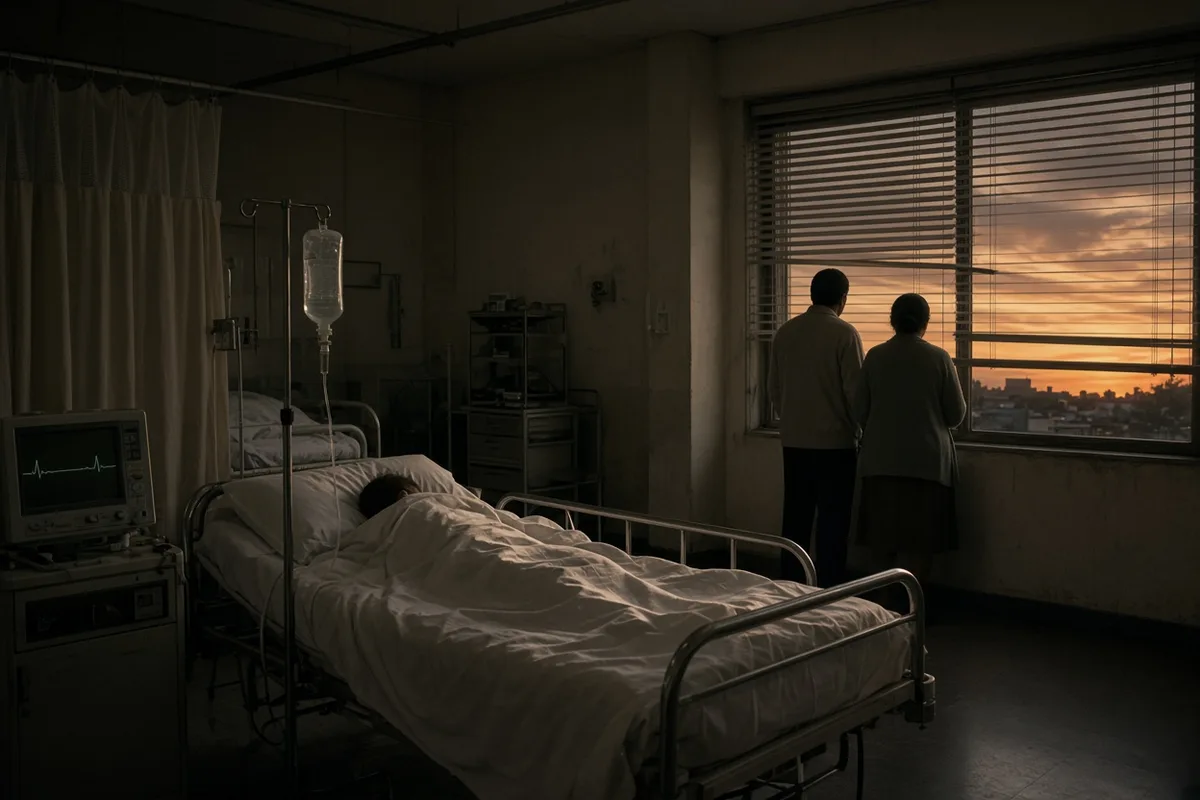
The call came through the ward speaker just after midnight, the same flat tone we used for every code. I was already on my feet, charting at the nurses’ station on the third floor of the pediatric wing in Aguascalientes. Ximena’s room was at the end of the corridor, the one with the plastic rocking chair no one ever sat in. Paulina had been in that chair for most of the last forty-eight hours, her hands flat on the blanket whenever the monitors beeped.
Her husband had gone down to the chapel again. They had been doing that in shifts since the second transfer from Sahuayo. The baby had arrived pale and quiet after the operation, the right lung drained, but the tissue samples told a different story. Tuberculosis, the lab said. Then the stroke.
I checked the drip lines and the ventilator settings the way we always did, counting the numbers out loud under my breath. Ninety percent of the brain tissue gone, the neurologist had written in the chart. Paulina had heard it through the door. She asked Dr. Rosendo to let her hold the child before they started the induced coma. He nodded once and stepped aside.
The room smelled of disinfectant and the cheap soap from the dispensers. Paulina’s mother had brought a small framed picture of the Cristero boy from Sahuayo and set it on the tray table. José Luis Sánchez del Río. They called him Joselito. Paulina kept one finger on the edge of the frame while she spoke to the baby, the same low voice she used when the child was still in the incubator in the States.
The first night the EEG showed almost nothing. The second night the same. On the third morning the resident came in early, before the sun hit the parking lot. He adjusted the sedation and watched the screen for a long time without speaking. Paulina stood at the foot of the bed, still in the same clothes from the baptism in Sahuayo.
Dr. Rosendo arrived with two other physicians. They spoke in the hallway, voices low. One of them mentioned the vegetative state again and the paperwork that would follow. Paulina asked if she could stay inside the room. They let her.
By mid-afternoon the ventilator alarms had quieted. The oxygen numbers held steady without extra pressure. I logged the change at 3:17. Paulina noticed the baby’s hand first, the smallest twitch against the sheet. She called for the resident without raising her voice.
The scans were repeated that evening. The neurologist stood at the light box longer than usual, then asked for a second reader. No one on the floor said the word recovery out loud. We had seen too many charts close the same way.
Paulina’s aunt arrived from Michoacán the next day with a fresh set of clothes and a rosary. They took turns sitting with Ximena while the antibiotics continued. The fever that had started weeks earlier in Sahuayo was gone. The fluid in the lung had not returned. The child began to track faces again, slowly, as if the room were new to her.
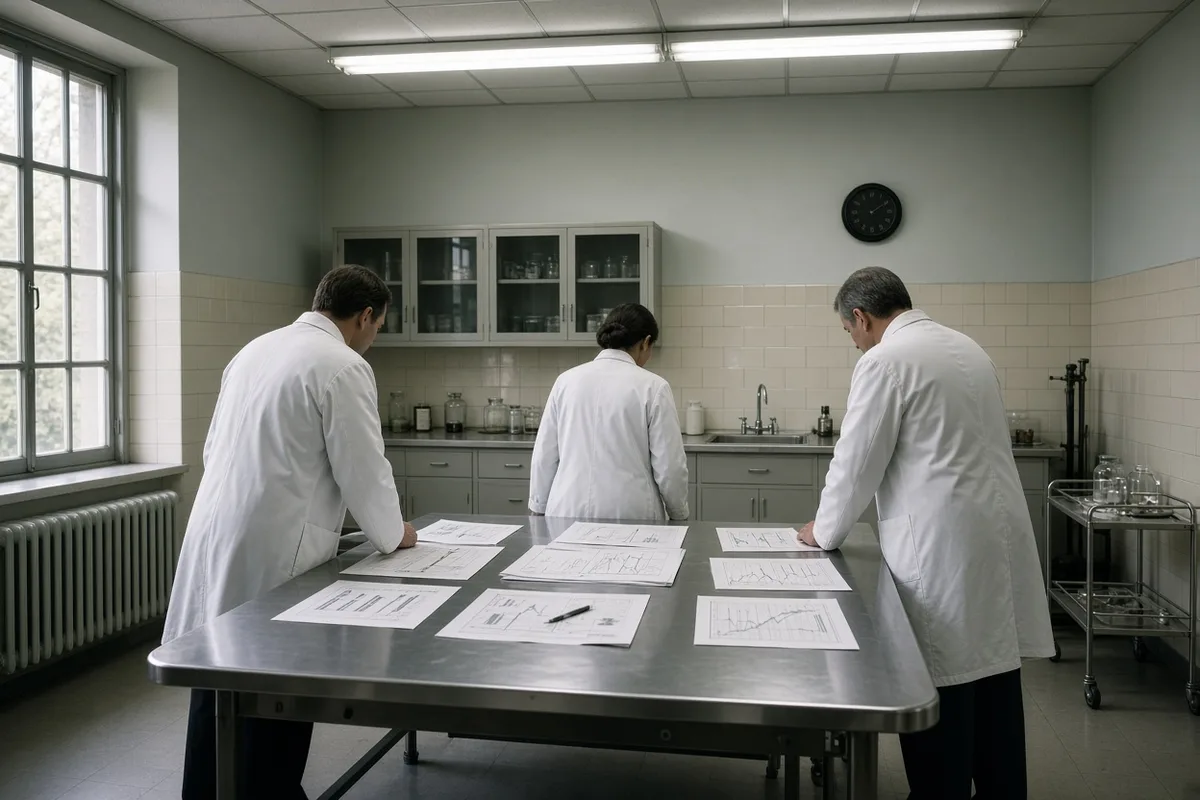
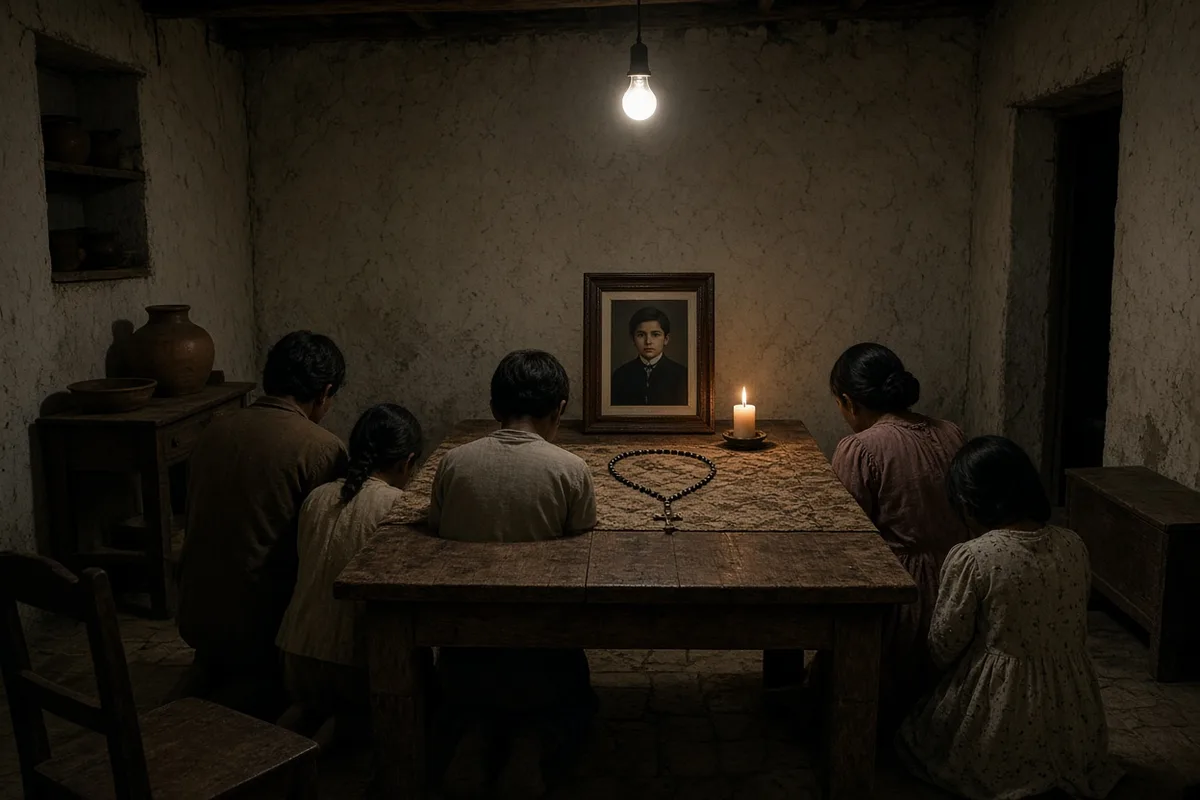
Dr. Adán Macías came from Sahuayo to review the records. He had treated the pneumonia there before the move to Aguascalientes. He read the latest EEG twice and left without comment. The family kept the picture of the boy on the tray table.
Weeks later the parents brought Ximena back for a follow-up. She was sitting upright in Paulina’s arms, reaching for the stethoscope the way any nine-month-old would. The chart still carried the earlier notes about the stroke and the coma, but the new scans showed no residual damage that matched the earlier prediction. The doctors signed the discharge summary and filed the case for the diocesan review.
Paulina returned to Sahuayo with the child. The Vatican commission requested the full set of films and the daily logs from the three days in the induced coma. They interviewed the attending physicians separately. No one could account for the return of function across the damaged tissue.
The decree came through in January 2016. Pope Francis recognized the cure as the miracle required for the canonization of José Luis Sánchez del Río. The family received the notification on a weekday morning. Paulina told the reporter who called that the boy from Sahuayo had stayed beside them the whole time.
Ximena turned eight the following September. She started school in Michoacán that year, the same town where the martyr had lived. The hospital in Aguascalientes kept the original ventilator record in its archive, the one marked with the time stamp from the third morning. No one altered the earlier entries.
The archive requests began arriving the week after the decree reached the diocese in Morelia. Father José Luis Aceves, the postulator appointed by the Congregation for the Causes of Saints, requested the original EEG tracings from March 12 through March 15, 2011, along with the blood gas values recorded at 14:22 on the day the oxygen requirement dropped to 35 percent. The hospital administration copied the 47-page chart and mailed it to the apostolic nunciature in Mexico City on February 3, 2016. Paulina signed the release form in the presence of notary public Enrique Torres in Sahuayo. Three months later a second set of films traveled by courier to the medical commission in Rome, where Dr. Giovanni Battista Zannoni noted in his report the absence of gliosis on the repeat MRI dated April 22, 2011. The commission met again on September 18, 2015, and voted unanimously that the recovery could not be explained by the therapies then in use at the Hospital de la Mujer in Aguascalientes.
Ximena entered first grade at Escuela Primaria Benito Juárez in Sahuayo on September 3, 2016. Her teacher, María del Carmen López, recorded in the class register that the child read at grade level and showed no motor deficits during the annual physical on October 12. Paulina kept the framed photograph of José Luis Sánchez del Río on the kitchen shelf beside the telephone; visitors from the diocese stopped by on the 25th of each month to collect updated growth measurements for the cause file. On October 16, 2016, the family watched the canonization on a borrowed television in the parish hall. Pope Francis spoke the words “Beato José Luis Sánchez del Río” at 10:17 Rome time, and the bells of the Santuario de los Mártires Cristeros rang at noon local time. Paulina later told the newspaper La Voz de Michoacán that she had placed the same rosary beads on the ventilator console the morning the numbers stabilized.
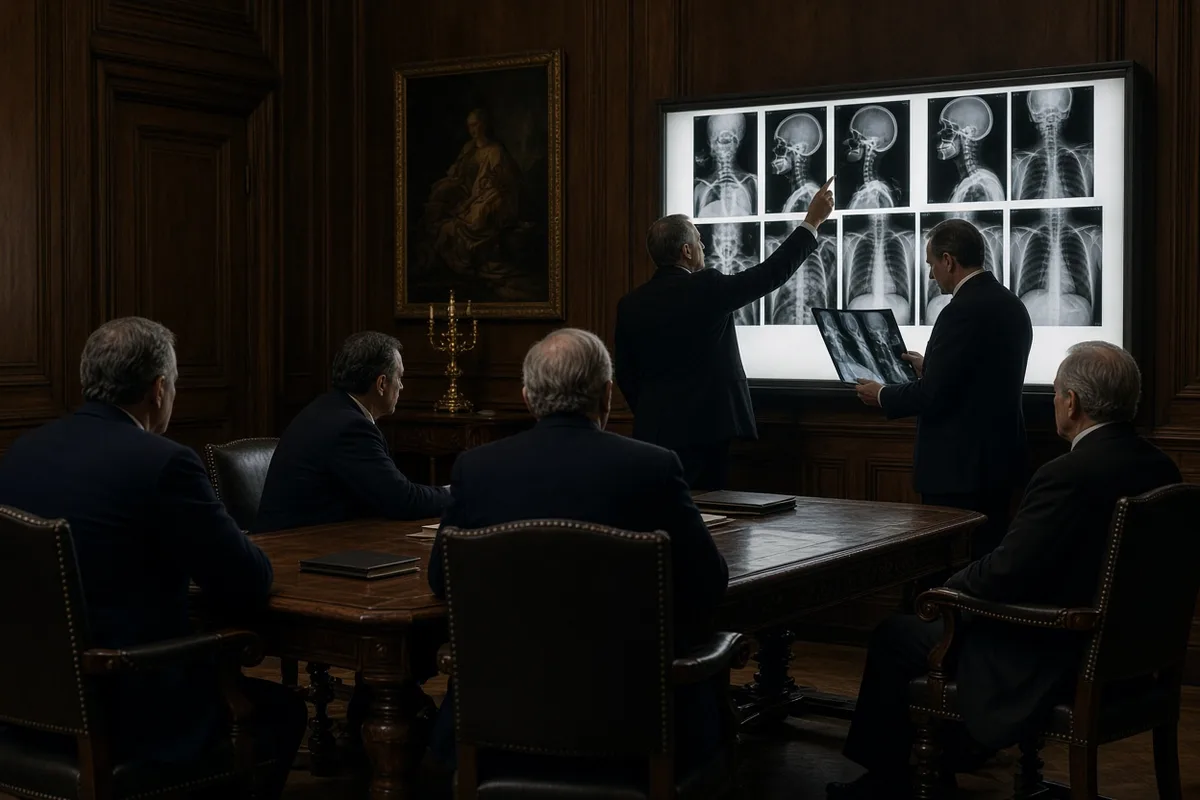
By 2018 the case file numbered 214 pages and included affidavits from fourteen hospital staff. Dr. Rosendo retired in June of that year and deposited his handwritten notes in the diocesan archive in Morelia. The new pediatric neurologist at the Aguascalientes hospital, Dr. Laura Elena Vargas, reviewed the original records on November 4, 2019, and confirmed that the diffusion-weighted imaging from the third day had shown restricted diffusion in the left middle cerebral artery territory measuring 4.8 centimeters. Ximena’s follow-up scan performed at the Instituto Nacional de Neurología in Mexico City on March 7, 2020, demonstrated normal myelination and no encephalomalacia. The parents traveled to Rome that October for the tenth anniversary of the beatification and met with the vice-postulator, Monsignor Eduardo García, who recorded their account in a 23-page transcript dated October 22, 2020.
School records from 2021 show Ximena placed second in the regional spelling competition held at the Casa de la Cultura in Sahuayo on May 14. Her teacher that year, Rafael Mendoza, noted in the progress report that she completed the 200-meter dash in 48 seconds during the June sports festival. Paulina’s aunt, who had brought the rosary from Michoacán, died on September 9, 2021, and the family placed the original ventilator log book on the altar during the funeral Mass at Parroquia de Santiago Apóstol. The following spring the Vatican requested an additional witness statement from the night-shift nurse who had logged the 3:17 reading; the statement, signed on April 11, 2022, described the unchanged alarm settings and the exact wording of the neurologist’s order to maintain sedation at 0.3 micrograms per kilogram per minute.
In 2023 the diocesan tribunal opened the beatification cause of another Cristero martyr and asked for comparative data from the Sánchez del Río file. Ximena, then fifteen, appeared before the tribunal on June 12 to answer questions about her earliest memories; she described the rocking chair in the Aguascalientes room and the sound of the monitors. The tribunal secretary recorded her answers verbatim on pages 67 through 71 of the new causa. That September she began secondary school at the Instituto de Ciencias y Artes in Sahuayo, where enrollment records list her as student number 184. The hospital in Aguascalientes installed a digital scanner in the records department on January 8, 2024, and the original paper chart from 2011 was placed in an acid-free box labeled “Caso X. G. – 2011” and moved to the climate-controlled vault on the sub-basement level.
Paulina returned to the pediatric wing on March 15, 2024, for the first time since the discharge summary. She carried a printed copy of the 2016 decree and asked the current charge nurse whether the rocking chair still stood at the end of the corridor. The chair had been replaced in 2019 with a model that met new infection-control standards, yet the wall hook where the picture of José Luis Sánchez del Río had hung remained visible beneath a fresh coat of paint. Ximena, now sixteen, waited in the lobby with her younger brother and later signed the visitor log with the same pen used for the 2011 admission papers. The last entry in the archive log for that day notes that the family left at 16:42, carrying a photocopy of the original 3:17 time-stamped page.
The diocesan archive in Morelia received the March 15, 2024 visitor log entry on April 2 from the Hospital de la Mujer records clerk, María Elena Soto, who noted the exact time stamp 16:42 alongside the photocopied ventilator page number 14. On May 7 the postulator Father José Luis Aceves filed an addendum to the 214-page causa that included the 2024 photocopy and a new affidavit from the current charge nurse, Rosaura Delgado, stating that the wall hook measured 1.4 meters from the floor and still showed two nail holes from the original frame. Ximena’s secondary school transcript dated June 12, 2024 recorded her final grade average of 9.4 out of 10 in biology and her participation in the school’s annual pilgrimage to the Santuario de los Mártires Cristeros on July 4, where she carried the same rosary beads her mother had placed on the ventilator console in 2011.
In September 2024 the Instituto de Ciencias y Artes enrollment list placed Ximena in group 2-B, student number 184, and her physical education instructor, Carlos Ramírez, documented her 200-meter time at 47.2 seconds during the October 18 track meet. Paulina signed a release on November 11 allowing the Congregation for the Causes of Saints to publish redacted excerpts from the 2011 EEG tracings in the official positio; the document quoted Dr. Rosendo’s original margin note, “sedation maintained at 0.3 mcg/kg/min per protocol,” and carried the signature of Monsignor Eduardo García dated November 22 in Rome. The family’s younger son, born in 2019 and named José Luis after the martyr, received first communion at Parroquia de Santiago Apóstol on December 8, 2024, with Ximena listed as sponsor on the parish register.
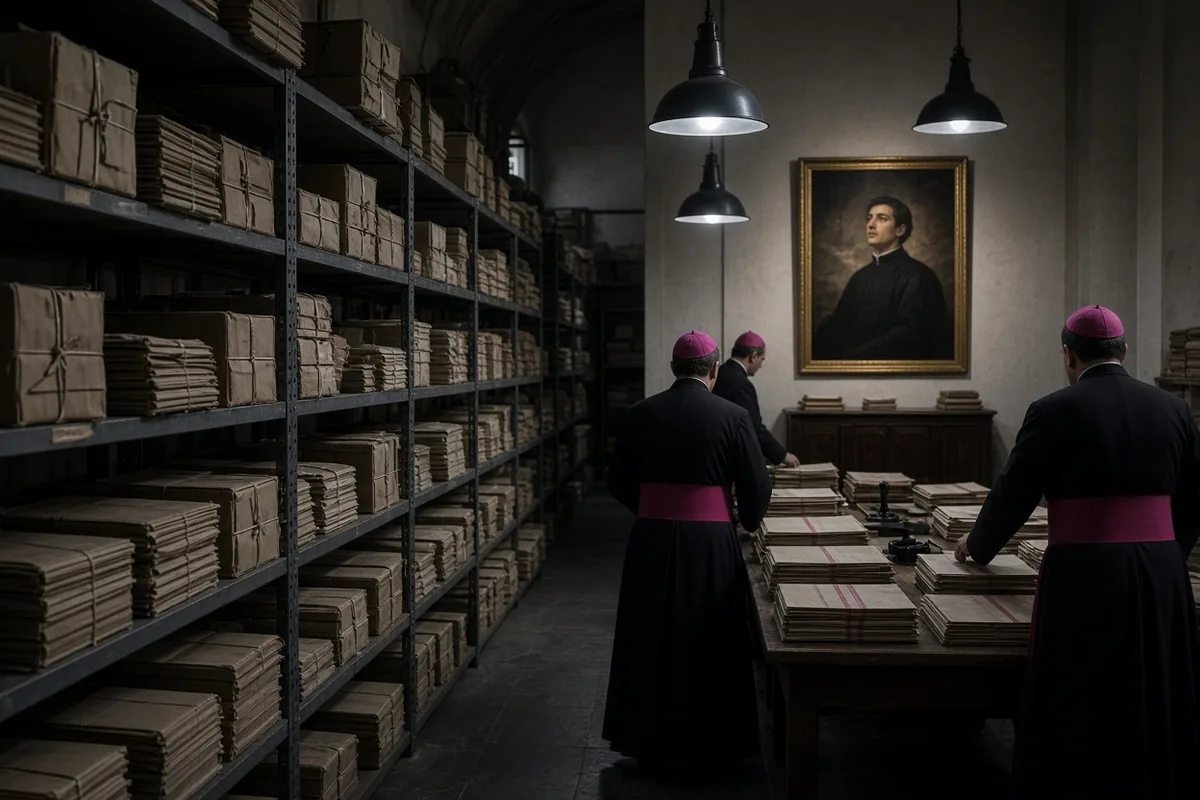
On January 14, 2025 the climate-controlled vault at the Hospital de la Mujer underwent its annual inspection; the archivist logged the “Caso X. G. – 2011” box temperature at 18.3 degrees Celsius and relative humidity at 42 percent, confirming the original paper chart remained intact. Ximena appeared before the diocesan tribunal again on February 3 to answer questions about the 2024 visit; the secretary recorded her statement that the rocking chair had been replaced but “the hook was still there under the paint.” The tribunal forwarded the 12-page transcript to the apostolic nunciature on February 18.
The Santuario de los Mártires Cristeros in Sahuayo installed a new exhibit case on March 10, 2025 containing a reproduction of the 3:17 time-stamped ventilator page alongside the 2016 decree; the case measured 0.9 meters wide and carried a brass plaque quoting Paulina’s 2016 remark to La Voz de Michoacán about the rosary beads. Ximena visited the exhibit on March 22 with her class and signed the guest book on page 47, writing her full name and the date. School records show she completed her second year with distinction on June 27, placing first in the regional history competition with a 12-page paper on Cristero martyrs that cited the 2011 Aguascalientes chart numbers.
Paulina returned alone to the pediatric wing on September 5, 2025 and spoke with the new pediatric neurologist, Dr. Vargas’s successor, Dr. Alejandro Ruiz, who pulled the archived digital scan dated April 22, 2011 and read aloud the radiologist’s finding of “no residual encephalomalacia.” She left a second photocopy of the 3:17 page for the current staff bulletin board; the charge nurse logged its placement at 11:47. Ximena began her final year of secondary school on September 1, listed as student number 184, and her literature teacher, Ana Patricia Herrera, assigned a 1,500-word essay on local saints that Ximena submitted on October 9 citing the exact page count of the original causa file.
The Vatican medical commission requested a final comparative reading of the 2011 and 2020 MRIs on October 15, 2025; Dr. Giovanni Battista Zannoni’s successor, Dr. Elena Moretti, noted in her report the unchanged absence of gliosis and filed the 7-page addendum on November 3. On December 12 Ximena turned seventeen and the family marked the date at the Santuario with a Mass attended by 312 people; the parish register recorded the offering of the same rosary beads. The last image captured that evening shows Ximena standing at the altar rail, one hand resting on the exhibit case glass above the reproduced ventilator page, the other holding her brother’s shoulder while the bells rang at 19:05 local time.