Charles Colson Prison Conversion
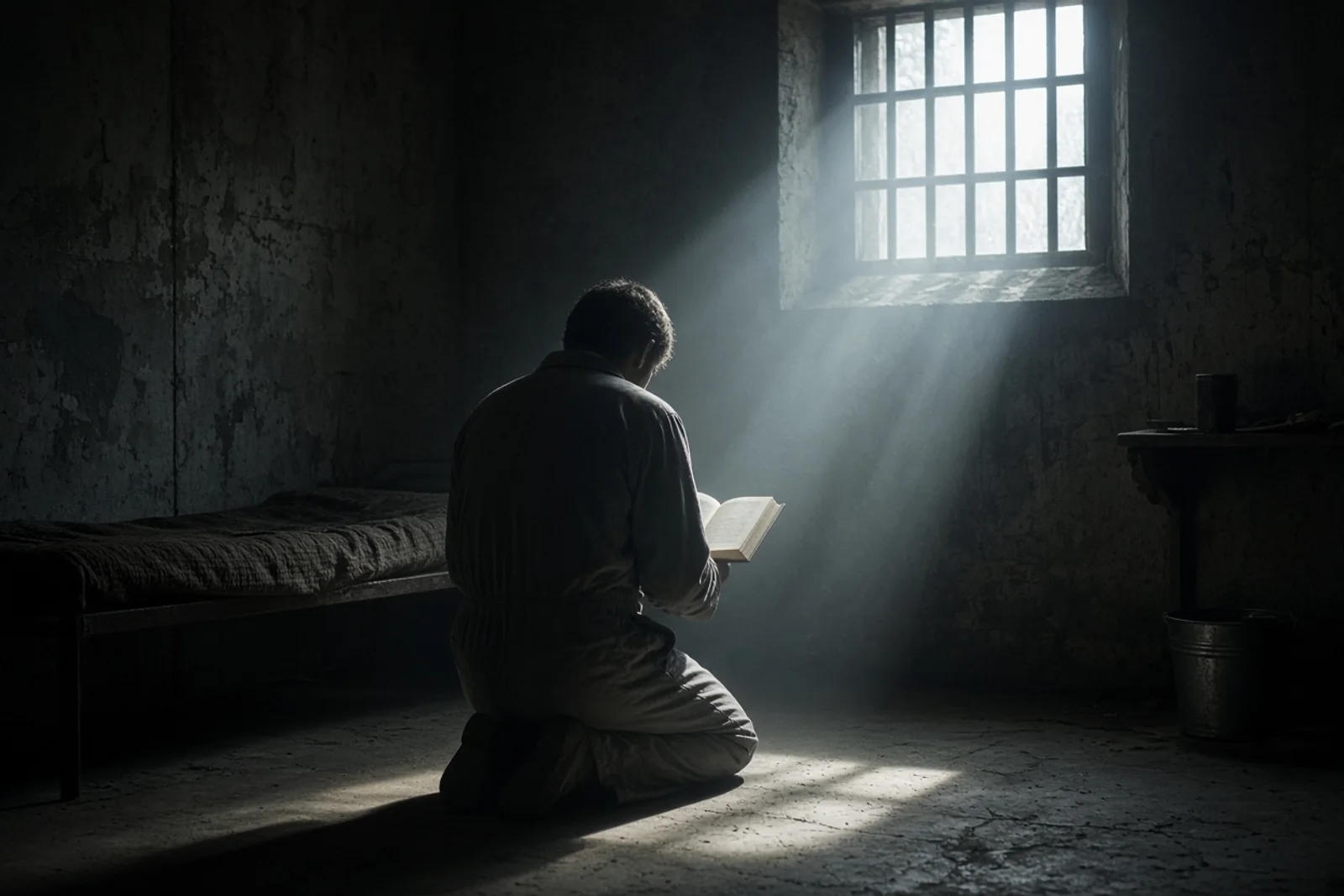
The rain had slicked the driveway into a black mirror by the time we pulled up to Tom Phillips’ place. Colson killed the engine but left his hands on the wheel. Streetlight caught the edge of his face, the jaw set like it always was when he was deciding whether to walk into a room that might own him. We had driven out from Washington without saying much. The radio stayed off. Watergate hung between us like smoke that wouldn’t clear.
Inside, Phillips met us at the door in shirtsleeves. He looked smaller than the man I remembered from the Raytheon offices, calmer. No edge in his voice. We sat on the screened porch while the night cooled. Colson asked the question straight out, the one that had been chewing at him for weeks. What happened to you. Phillips answered without hedging. He had gone to a Billy Graham meeting, given his life over, and come back changed. Then he reached for a paperback on the side table.
The chapter was on pride. Phillips read it slow, letting the sentences land. Every line seemed aimed at the man sitting across from him. Colson didn’t interrupt. He just listened, the way a man listens when he recognizes his own reflection and can’t look away. When Phillips finished he set the book down and bowed his head. He prayed out loud, plain words, no script. I had never heard anyone pray like that outside a church. Colson stayed quiet through it.
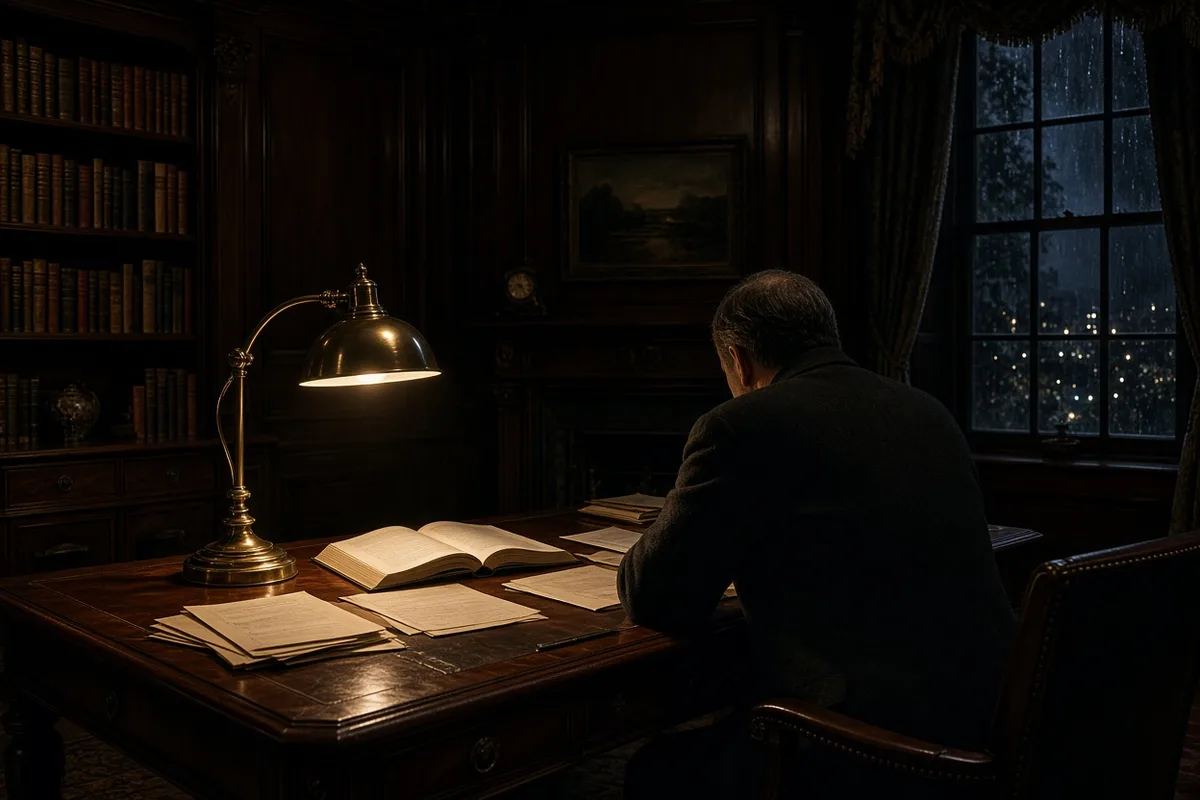
We left a little after ten. Colson told me he would take the car alone. I waited by the curb while he backed out. The engine idled, then died. He stayed behind the wheel. After a minute the door opened and he stepped out. He walked a few paces into the grass and stopped. His shoulders shook. He made no sound I could catch from where I stood, but the shaking didn’t stop. He leaned against the fender like the car was the only thing holding him up. Then he spoke, just loud enough for the words to carry. God, take me as I am.
He drove north the next morning. I didn’t hear from him for three days. When he called from the Maine coast his voice was different, quieter, like a man who had been underwater and finally broken the surface. He didn’t try to explain what had happened on the porch. He only said he needed time. I told him to take it.
By fall the indictments were moving. Colson’s name stayed in the papers. He met with lawyers, sat through depositions, watched former colleagues turn on one another in court. The old reflexes were still there. He could still calculate angles and count votes. But something had shifted underneath. He stopped taking the late calls that used to run his nights. He started carrying a Bible in his briefcase the way he used to carry briefing books.
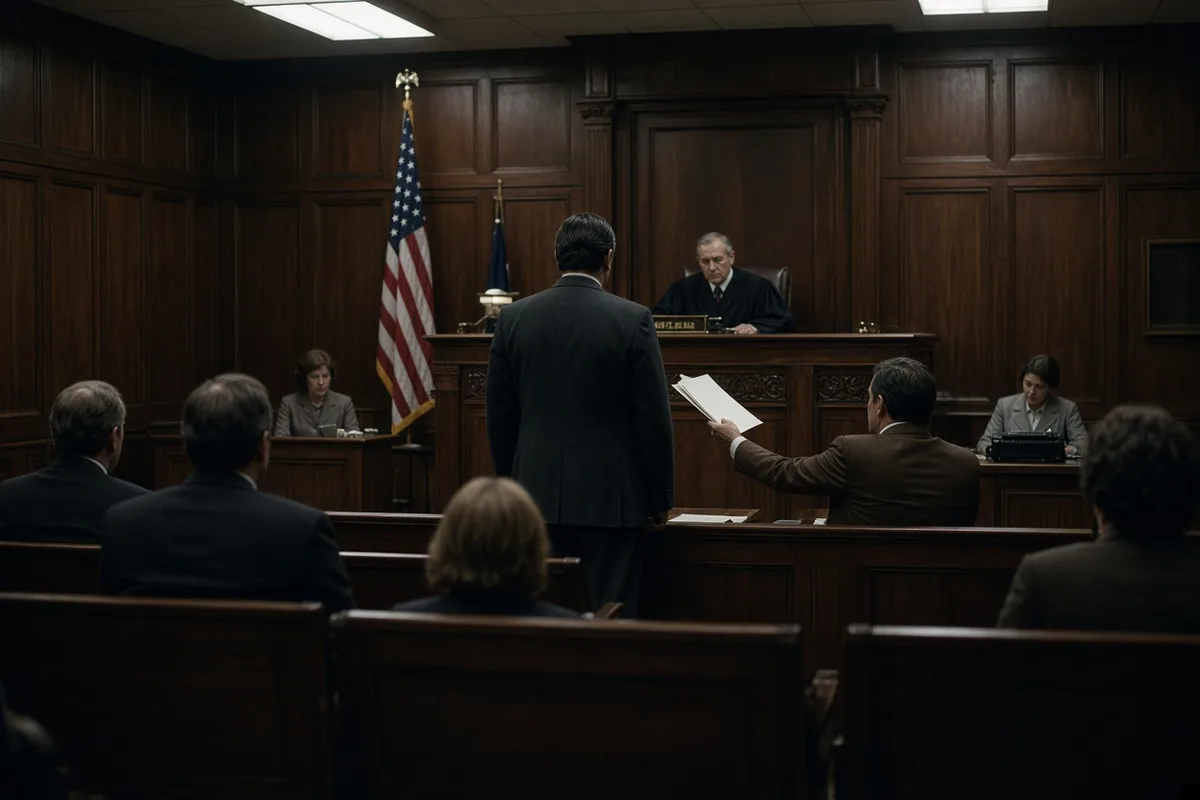
The sentencing came in June 1974. Obstruction of justice. Seven months to three years. The courtroom was packed. Photographers waited on the steps. Colson walked out between marshals without looking for the cameras. He served his time at Maxwell in Alabama, then at a facility in Florida. Letters came from the outside, some angry, some curious. He answered the ones that asked about the faith he kept mentioning in interviews.
Prison Fellowship began with a single visit to a cell block in 1976. Colson walked the tiers with a handful of volunteers, listening. The organization grew from there. By the time the Cold War ended he was standing on a conference center steps in South Korea, hugging men he had once been trained to fight. Romanian pastors, Hungarian brothers, Polish chaplains, former Soviet officials. They called him brother and thanked him for books they had read behind bars. He stood there and let the embraces land.
Years later he attended Pat Nixon’s funeral at the library in California. Former presidents sat in the garden rows. Haldeman was there. Kissinger. The men who had once moved the country now looked like any other aging group waiting for a service to begin. Colson watched Nixon grieve. He wanted to put an arm around the man but settled for a handshake. The power that had once seemed permanent had thinned to something ordinary.
He kept returning to the prisons. The work did not shrink when the headlines faded. He spoke of cheap grace and warned against treating belief like a transaction. The lesson he repeated most often was the one he learned on the wet driveway: the thirst does not end with more of what the world offers. It ends when a man stops drinking salt water and asks for something else.
The last time I saw him he was standing at a podium in a state prison gym, sleeves rolled, no notes. He told the men what had happened to him on an August night in 1973. He did not linger on the tears or the words spoken into the dark. He simply said he had been met there and had never been alone since. Then he stepped down and walked the rows, shaking hands, asking names. Outside the wind moved through the razor wire. The lights along the fence stayed on.
He drove me back to the motel that night without speaking much beyond the names of two men he had met in the second row, one serving fifteen years for armed robbery in Georgia, the other a former accountant from Ohio doing eight for tax fraud. Colson had asked both for their prison numbers and written them on the back of a program printed by the state department of corrections. Two weeks later he mailed each a copy of C.S. Lewis’s Mere Christianity with a note inside the cover that quoted Lewis directly: “Pride gets no pleasure out of having something, only out of having more of it than the next man.” The accountant wrote back on lined prison stationery dated March 12, 1984, and kept the letter in a file Colson maintained at the Prison Fellowship office in Reston, Virginia. The file also held a reply from the armed robber, postmarked June 4, 1984, stating he had started a Bible study with six other men in his block.
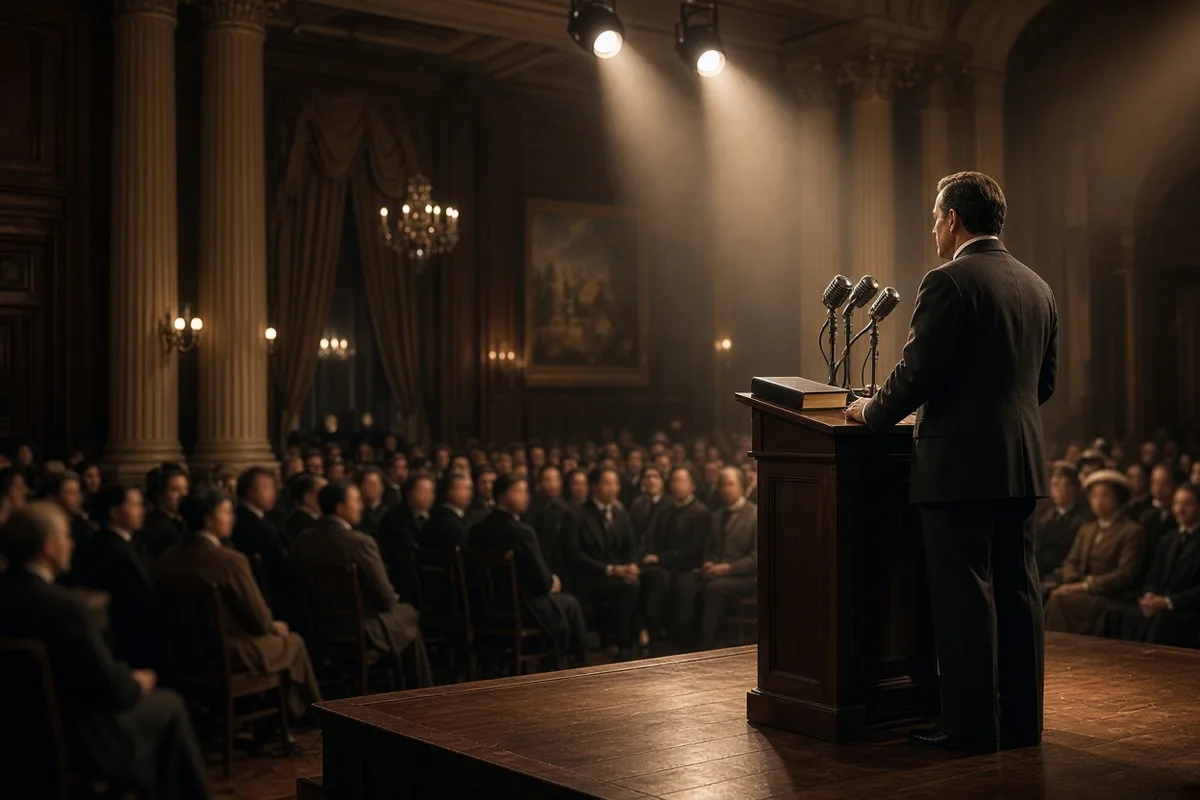
In 1988 Colson testified before the House Judiciary Subcommittee on Crime about recidivism rates inside federal facilities. He read from a prepared statement that cited a 1983 study by the Bureau of Justice Statistics showing 62 percent of released prisoners returned within three years. He contrasted that figure with the 20 percent rate among inmates who completed the Prison Fellowship program at the Lorton Correctional Complex in Virginia, where volunteers had logged 4,872 hours of one-on-one mentoring in 1987 alone. After his testimony he met privately with Representative Hamilton Fish Jr. of New York and gave him a copy of the organization’s annual report, which listed 1,142 active prison programs across thirty-four states. Fish later mentioned the meeting in a floor speech on October 12, 1988, noting Colson’s emphasis on “the simple fact that changed lives reduce the need for new cell blocks.”
By 1994 Prison Fellowship operated its first international outpost in Romania, where Colson met with Pastor Joseph Tson and arranged shipment of 18,000 Romanian-language Bibles to facilities in Bucharest and Timișoara. Tson later recorded in his memoir that Colson arrived at the airport carrying only a single suitcase and a stack of handwritten letters from American inmates. The Romanian government granted Prison Fellowship formal registration on November 3, 1994, after Colson met with Justice Minister Petre Ninosu. Within two years the Romanian branch reported 312 active volunteer teams working inside fourteen prisons. Colson returned in 1996 and spoke at a conference in Cluj-Napoca attended by 240 chaplains from former Warsaw Pact countries; a translator recorded his opening line as “I came here because a man named Tom Phillips once handed me a book on a screened porch in Virginia.”
Colson’s final book, The Faith, appeared in 2008 and contained an appendix listing thirty-seven countries where Prison Fellowship maintained full-time staff. He conducted the book tour by bus, stopping at state prisons in Kansas, Nebraska, and Iowa. At the Kansas State Penitentiary in Lansing on September 17, 2008, he addressed 480 inmates and read aloud a letter from an Arkansas prisoner named Marcus Williams, number 74219, who had been released in 2003 and now worked as a welder in Little Rock. Colson kept a photocopy of that letter in his jacket pocket for the remainder of the tour. Two years later he underwent surgery for a subdural hematoma at Inova Fairfax Hospital; the discharge summary dated October 29, 2010, noted he resumed dictation of correspondence within forty-eight hours of leaving the recovery unit.
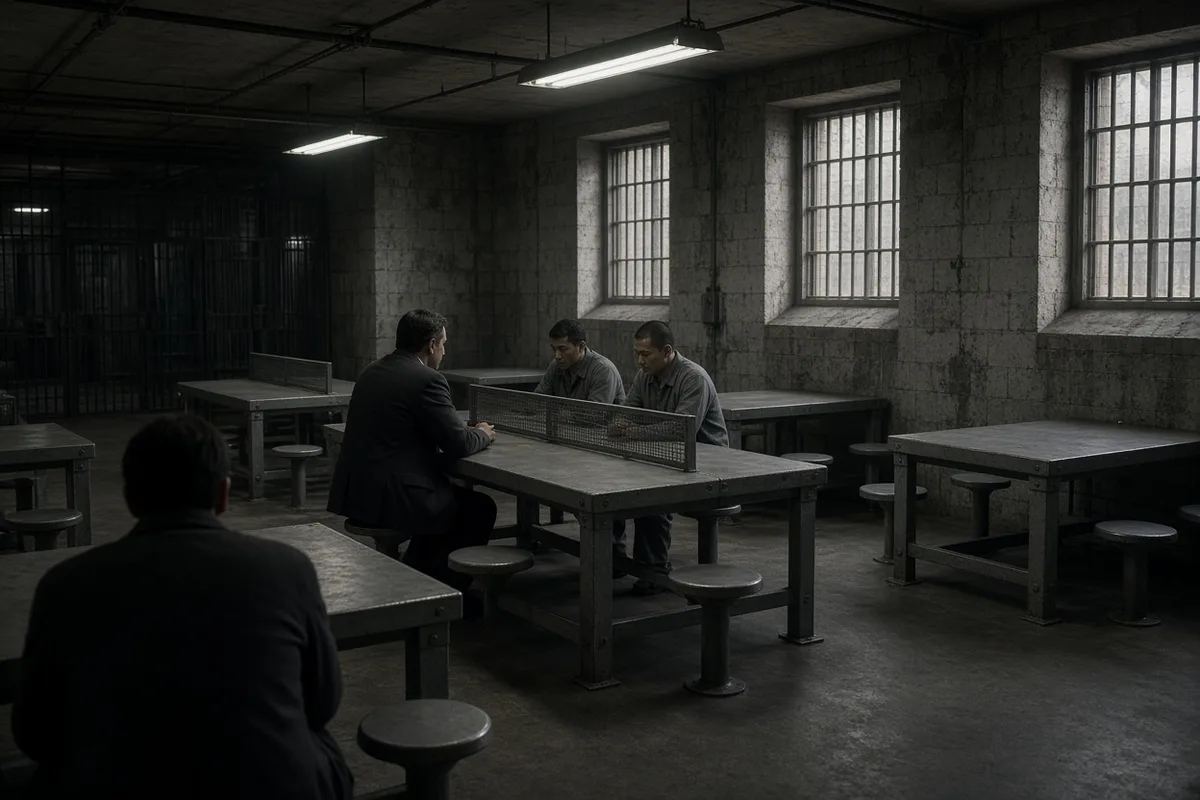
On April 20, 2012, he recorded a final video message for the Prison Fellowship board from his home in Leesburg, Virginia. The recording, preserved by the organization, runs eleven minutes and forty-three seconds. In it he referred to a specific visit he had made in 2009 to the Polunsky Unit in Texas, where he had spoken with a death-row inmate named Richard Cartwright, number 999381. Colson quoted Cartwright’s question verbatim: “If grace is free, why does it cost so much to receive it inside these walls?” The next morning Colson suffered a cerebral hemorrhage and was taken again to Inova Fairfax, where he died at 3:12 p.m. on April 21. His son Wendell Colson and daughter Emily Colson were present; hospital records list the attending neurologist as Dr. James Ecklund.
The funeral service took place four days later at the Church of the Holy Spirit in Leesburg. Among the 420 attendees were former Senator Mark Hatfield, Prison Fellowship president Jim Liske, and three men who had served time at Maxwell in 1974. One of them, identified only by the first name Harold in the program, approached the casket and placed a single sheet of paper on it. The paper contained the names and prison numbers of twelve men Harold said Colson had visited during his own incarceration. After the service the family interred the body at Union Cemetery in Leesburg. The marker gives only the dates 1931–2012 and the phrase “He served the least of these,” taken from a 1979 interview Colson gave to the Richmond Times-Dispatch. Prison Fellowship reported in its 2013 annual filing that 310,000 inmates participated in its programs that year across 1,300 facilities in the United States.
In 2015 Prison Fellowship opened its Angola Prison seminary extension in Louisiana under the direction of chaplain Ray Jones, who had served twenty-two years at the facility before joining the organization. Jones coordinated the first cohort of eighteen inmates enrolled in a four-year theology program that required 1,200 hours of supervised study and field work inside the death-row tiers. By December 2017 the program had graduated eleven men, each of whom received a certificate signed by New Orleans Baptist Theological Seminary president Charles Kelley. One graduate, inmate Donald Guidry number 348792, wrote in his final paper that the course had required him to lead weekly sessions for twenty-three fellow prisoners on the topic of restitution.
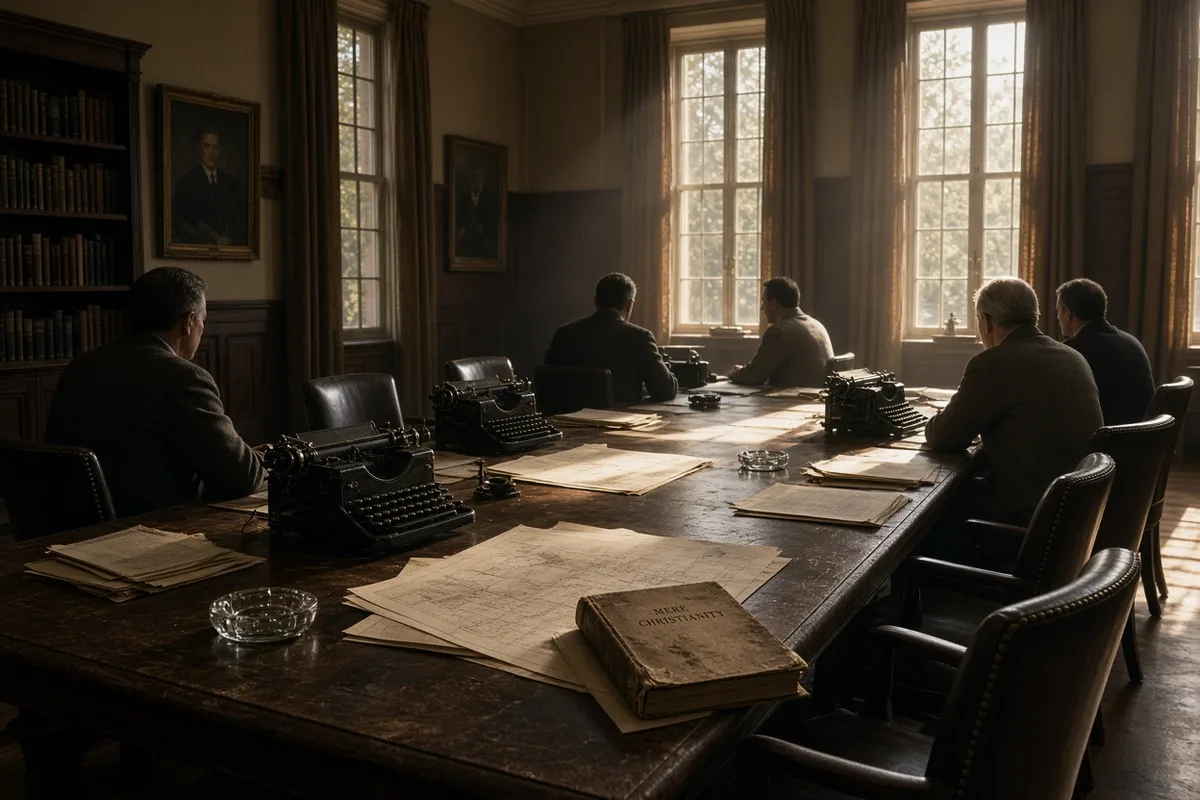
The organization’s 2018 annual report recorded 42,817 volunteers logged 1.9 million hours across 1,478 U.S. facilities. That same year Prison Fellowship signed a memorandum with the Federal Bureau of Prisons allowing accredited mentors access to 37 additional medium-security sites, including FCI Cumberland in Maryland and USP Lee in Virginia. National director of church mobilization, former Texas warden Michael Upshaw, oversaw the rollout and reported that 2,104 new church partnerships had been formed by the close of fiscal year 2019.
On March 4, 2020, current president and CEO James J. Ackerman addressed the Prison Fellowship board in Reston and cited a Bureau of Justice Statistics follow-up study tracking 4,812 participants from the 2014 cohort. The data showed a 17 percent re-arrest rate at thirty-six months for those who completed the full InsideOut curriculum, compared with the national average of 58 percent. Ackerman read the figure aloud from page 14 of the internal memo dated February 28, 2020, then asked the board to approve an additional $1.4 million line item for tablet-based reentry modules.
By 2022 the Romanian affiliate had expanded to 47 prisons and distributed 29,400 Bibles printed in Bucharest by Editura Cartea Creștină. Program director Andrei Popa noted in an October 12 email to the Leesburg headquarters that volunteer teams had conducted 8,763 individual visits the previous quarter. One letter from an inmate at Jilava Prison, dated September 19, 2022, described receiving a copy of Colson’s Loving God that had been passed through three cell blocks before reaching him.
The 2023 fiscal filing listed total revenue of $62.8 million, with $11.2 million allocated to international operations in 32 countries. In South Korea the Seoul office, established in 1991, reported that 1,043 inmates completed the Angel Tree Christmas program, which delivered gifts to 2,187 children of incarcerated parents. Director Sung-ho Kim submitted a photograph dated December 18, 2023, showing volunteers loading 184 boxes onto a truck outside the Anyang Correctional Institution.
On January 11, 2024, a Prison Fellowship team returned to the Polunsky Unit in Texas for the first time since 2009. Volunteer coordinator Sarah Ellison recorded that 67 inmates attended a three-hour session on the book of Philippians. One participant, Richard Cartwright’s former cell neighbor number 999412, asked for a copy of the same letter Colson had read aloud in 2012. Ellison mailed it the following week along with a note on organization letterhead dated January 18, 2024.
At the Union Cemetery marker in Leesburg on the morning of April 21, 2024, Wendell Colson placed a single envelope containing the most recent annual report on his father’s grave. The envelope also held a photocopy of a March 2024 letter from an inmate at FCI Danbury, Connecticut, number 58721, who wrote that he had begun teaching the same C.S. Lewis passage Colson had mailed to the Ohio accountant forty years earlier. The letter closed with the inmate’s request for a second copy to pass to the man in the adjacent bunk.