Chiune Sugihara Issues Visas to Jews in Lithuania
The line outside the consulate stretched past the iron fence and into the street, people pressed shoulder to shoulder under a thin rain that had started at dawn. I held my sister’s hand and kept my eyes on the second-floor windows where the light stayed on through the night. Someone said the man inside had already signed more than a hundred visas that morning. No one knew if the number was true, only that the door opened and closed and each time a new family stepped out with paper in their hands.
My sister and I had arrived from Vilna three days earlier after the Soviet authorities closed the border behind us. We carried the Curacao destination papers that had no real destination, only the Dutch stamp that looked official enough on first glance. The Japanese consul was the only one left in Kovno who might still stamp something that let us cross the Soviet Union. Every other legation had packed its files and left.
Zerach Warhaftig stood at the front with two other men from the delegation. They had waited since before sunrise, and when the gate finally opened they were shown straight through. The rest of us stayed outside. I could hear the scratch of a pen through an open window on the second floor, steady, without pause. An hour passed. Then another. No one left the building.
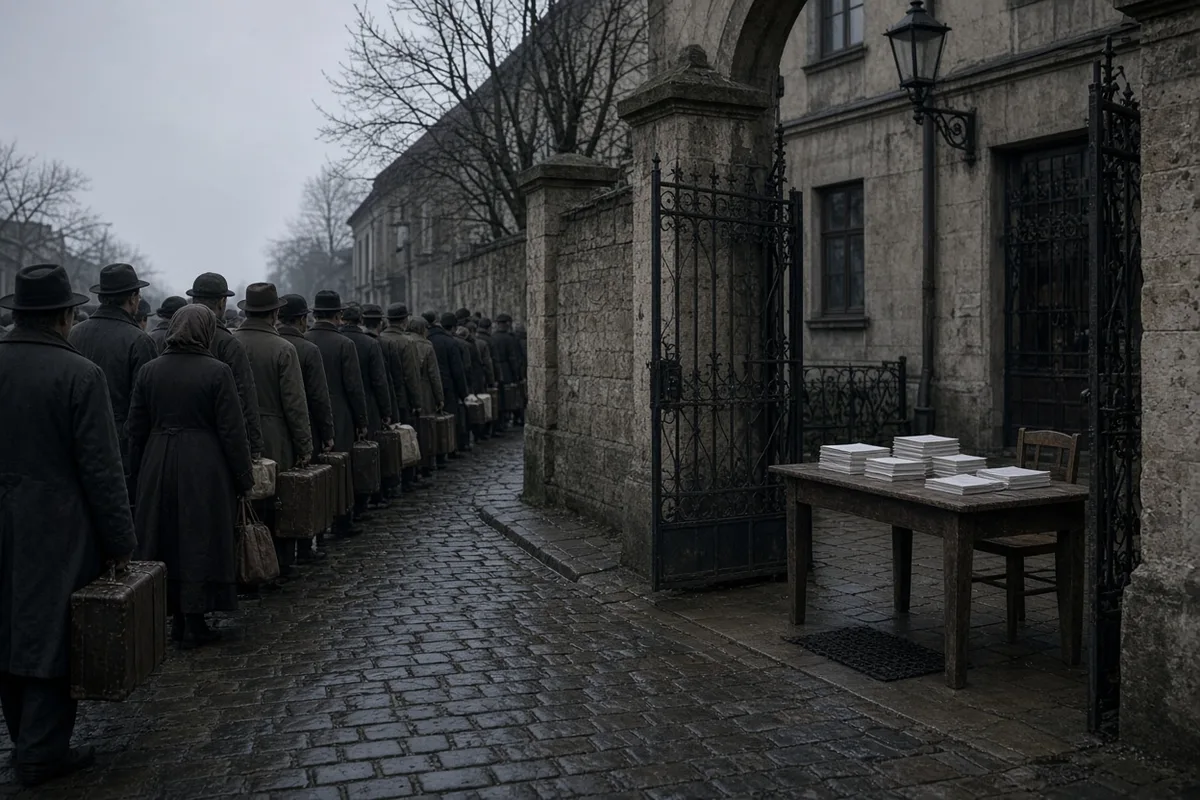
By midday the rain stopped and the sun pulled steam from the wet pavement. A woman two places ahead of us fainted and was carried to the shade of a linden tree. Her husband stayed in line, clutching their two children by the collars so they would not wander. Someone passed a canteen of water down the row. The children drank and handed it back without speaking.
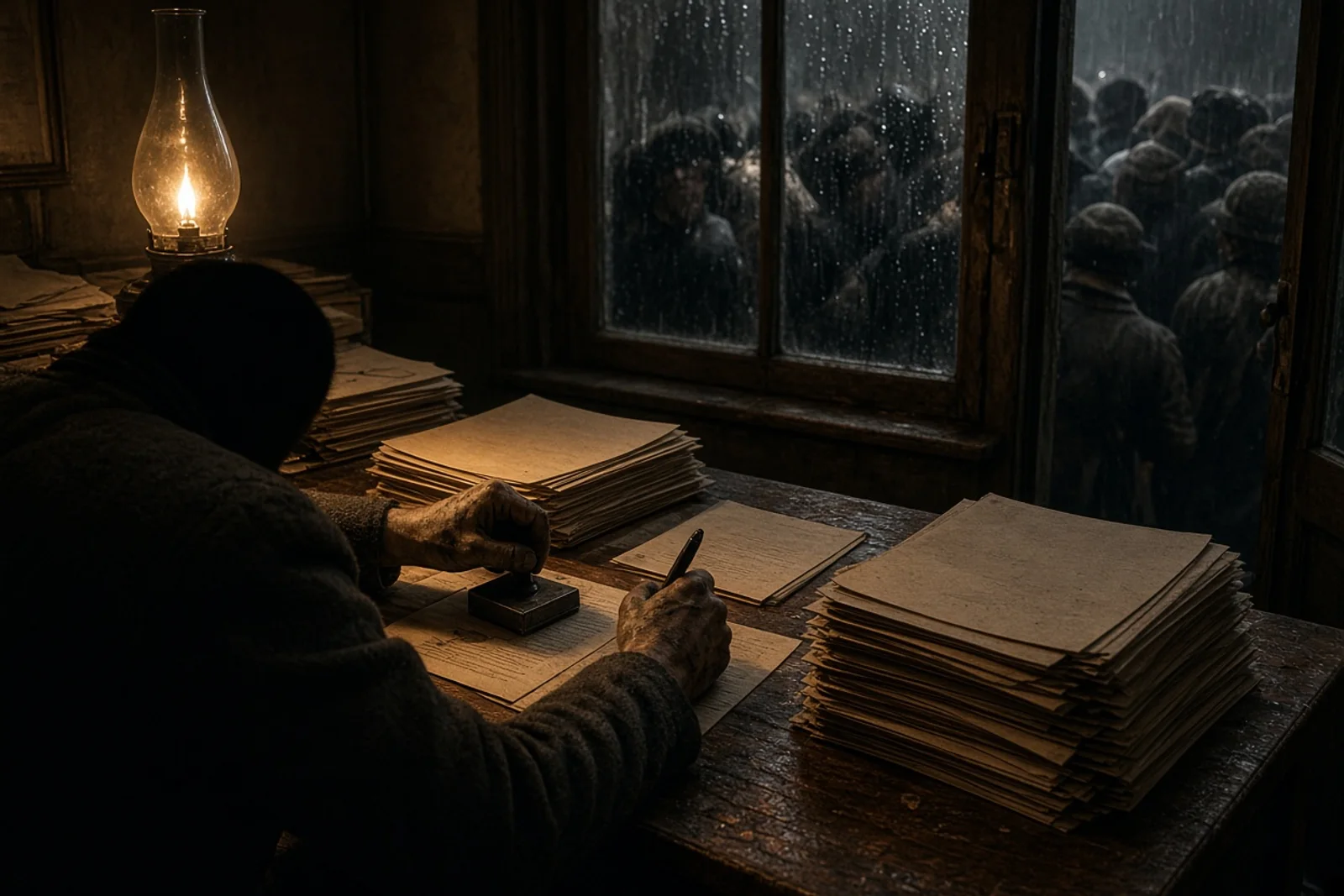
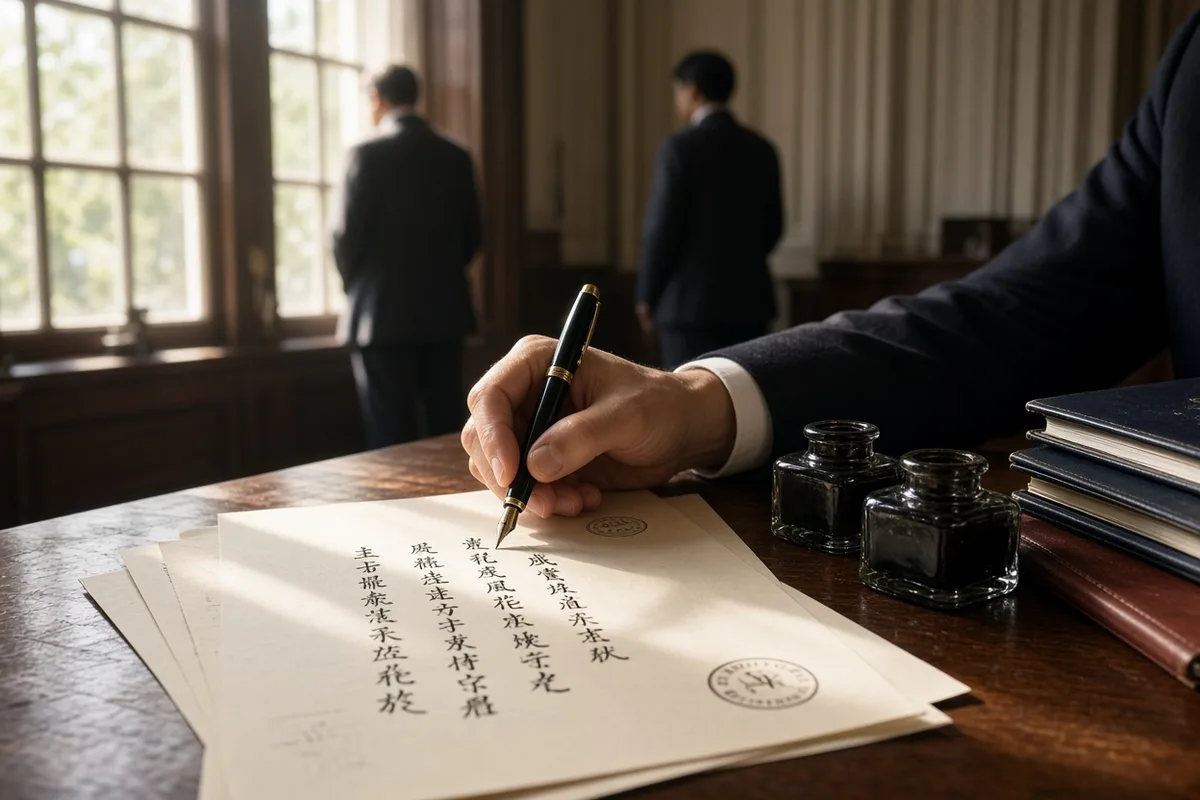
Inside, Sugihara worked at a desk that faced the street. I saw him once when the curtains shifted. He wore a white shirt with the sleeves rolled above the elbows. His wife stood beside him, blotting each page before the ink could smear. They did not speak to each other. The only sound was the stamp and the scrape of the chair when he rose to hand a visa through the window.
That evening the consulate door opened again and Warhaftig came out. He told the first twenty people in line to return the next morning with their passports. He said nothing about Tokyo or permission. He only said the consul would continue until the order came to stop. Then he walked away toward the river, shoulders bent as if the day had already used him up.
We returned at first light. The line had doubled. A Soviet militiaman stood at the corner watching, arms folded, but he did not move anyone along. By then the consulate had become the only place in the city where movement still seemed possible. Every other office answered requests with the same sentence: no transit, no exit, apply again in six months.
Sugihara’s wife began to bring tea to the people waiting on the steps. She carried a tray with small glasses and set it on the stone ledge without looking at anyone directly. When someone thanked her she nodded once and went back inside. Later I learned she had not slept more than three hours at a stretch since the first delegation arrived.
On the fifth day the reply from Tokyo reached the consulate. A clerk read the telegram aloud in the hallway so the people nearest the door could hear. The ministry required a final visa for the ultimate destination and proof of onward travel funds. Most of us had neither. Sugihara read the same telegram at his desk. He folded it, placed it under the ink blotter, and reached for the next passport.
The visas he issued carried a ten-day limit for passage through Japan. He wrote the dates by hand, sometimes changing the month when the calendar ran out. The paper was thin, the ink already fading at the edges before the holder left the building. Still, each sheet carried the weight of a train ticket across Siberia and a ship berth beyond.
My sister and I received ours on the eighth day. The consul looked at our Curacao papers, asked no questions about their validity, and stamped the transit visa across the top. His hand trembled once from fatigue, but the stamp landed straight. He did not ask for payment. He only said the train left from the station at the end of the week and that we should carry enough food for seven days.
By the time the consulate closed in September, the number of visas exceeded two thousand. Sugihara had begun signing them in the street when the office itself ran out of space. He stood at a small table under the awning, the queue moving forward one family at a time. The Soviet authorities had already posted the order that all foreign missions must depart by the end of the month. He ignored the deadline until the last passport was stamped.
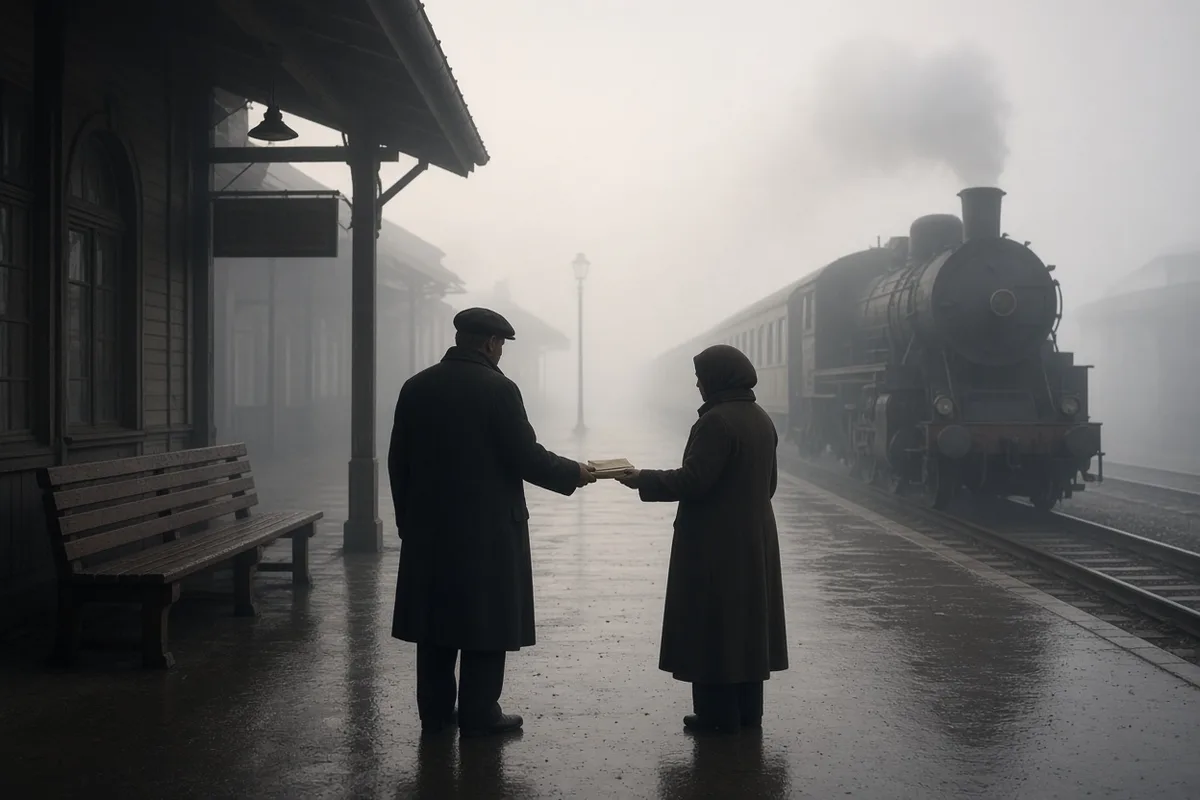
We left Kovno on a freight car attached to the Trans-Siberian express. The visa allowed us to cross the entire Soviet Union without arrest. At each checkpoint an officer examined the stamp, compared the photograph, and waved us through. No one asked about Curacao. The paper from the Japanese consul was enough.
In Vladivostok we boarded a ship for Tsuruga. The harbor smelled of coal and fish. Japanese officials collected the transit visas at the gangway and gave us temporary landing permits. We stayed three weeks in a dormitory near the station before another ship carried us across the Pacific. My sister kept the folded visa in her coat pocket until we reached Vancouver. She never threw it away.
Sugihara himself was recalled to Japan. He left Lithuania with his wife and the remaining blank visa forms in a single suitcase. Years later he would say the decision had been made in the first hour, when the delegation stood at the gate and he saw their faces. He never returned to diplomatic service. The visas remained the only record of those weeks in Kovno.
Some of the families reached Shanghai and stayed there until the war ended. Others continued to the United States or Canada when sponsors were found. The names on the list grew longer each time a new ship arrived, but the stamp was always the same. No one who held one was turned back at the Soviet border. That single fact outlasted every instruction that had tried to prevent it.
After we reached Vancouver the visa stayed in a tin box under my sister’s bed for the next five years. She found work sewing uniforms at a factory on Powell Street while I unloaded crates at the port. In 1944 a letter arrived from a man named Nathan Gutwirth who had crossed on the same freight train out of Kovno; he wrote that four hundred and twenty of the visa holders had already reached New York through the Hebrew Immigrant Aid Society office on Lafayette Street. The letter listed twenty-seven names from the Mir Yeshiva group who had boarded the Asama Maru in Tsuruga on 5 October 1940 and landed in San Francisco on 17 November. My sister read each name aloud before folding the page back into its envelope.
Sugihara left Kaunas on 5 September 1940 with his wife Yukiko and their infant son Hiroki. The Foreign Ministry sent him first to the consulate in Königsberg, then to Prague in 1941 and Bucharest in 1942. When the war ended he was held briefly by Soviet forces in Romania before returning to Japan in 1947. The ministry dismissed him that same year with a one-sentence letter citing “unauthorized issuance of documents.” He took a job selling light bulbs for the Nissho company in Yaizu and later worked nights as a translator for the U.S. occupation forces at the port of Shimizu. In a 1963 interview with the Mainichi Shimbun he said, “I did what I had to do at the time and never thought about the consequences.”
Survivors began writing to him in 1960 after Zerach Warhaftig, then Israel’s minister of religious affairs, located the old address through the Japanese Red Cross. One letter came from a woman named Miriam Ron who had stood in the rain outside the consulate on 28 July 1940 with her two daughters; she thanked him for stamping passport number 1847 and added that her older daughter now taught mathematics at the Technion in Haifa. Sugihara answered each letter by hand, often noting the exact date he had signed the visa. By 1970 he had received more than three hundred such letters, each one folded and stored in a cardboard box beside his desk.
In 1984 the Israeli ambassador in Tokyo presented him with a silver medal from Yad Vashem. The citation read that he had issued 2,139 transit visas between 9 July and 1 September 1940, allowing roughly 6,000 people to escape through the Soviet Union and Japan. At the ceremony Sugihara, then eighty-four, said only, “I wanted to help those people because they were human beings.” A year later, on 18 October 1985, he flew to Jerusalem for the formal Righteous Among the Nations ceremony at the Mount of Remembrance. His wife Yukiko accepted the medal on his behalf because he could no longer stand for long periods.
The house at 30 Vaižganto Street in Kaunas reopened as the Sugihara House Museum in 2001. The second-floor office still contains the original wooden desk and the iron stamp that read “Japanese Consulate Kaunas.” Visitors can see the ledger pages from August 1940 listing passport numbers 1200 through 2100 in his handwriting. On 27 July 2019 a group of twenty-five descendants of visa recipients planted a linden tree in the courtyard where the woman had fainted in the rain; each person tied a small tag to a branch with the name and visa number of the relative who had stood in that line.
Sugihara died at home in Fujisawa on 31 July 1986. His funeral at the local temple drew only family members and a handful of former colleagues from the Foreign Ministry. In the last months he often sat by the window looking at the sea and asked his son whether any new letters had arrived from the people who once waited outside the consulate in Kovno. The final letter in the cardboard box, dated three weeks before his death, came from a man in Montreal who wrote that he still carried the folded transit visa in his wallet and that the stamp remained legible after forty-six years.
My sister and I settled in Vancouver’s Strathcona district after the 1941 arrival of the Hikawa Maru. She worked twelve-hour shifts at the Army and Navy department store on West Hastings until 1953, when she married a tailor named Samuel Levitt who had arrived on the same 1940 crossing from Tsuruga. Their son David was born in 1955 at Mount Saint Joseph Hospital; he later studied engineering at the University of British Columbia and joined the firm that built the 1971 additions to the Port of Vancouver container terminal.
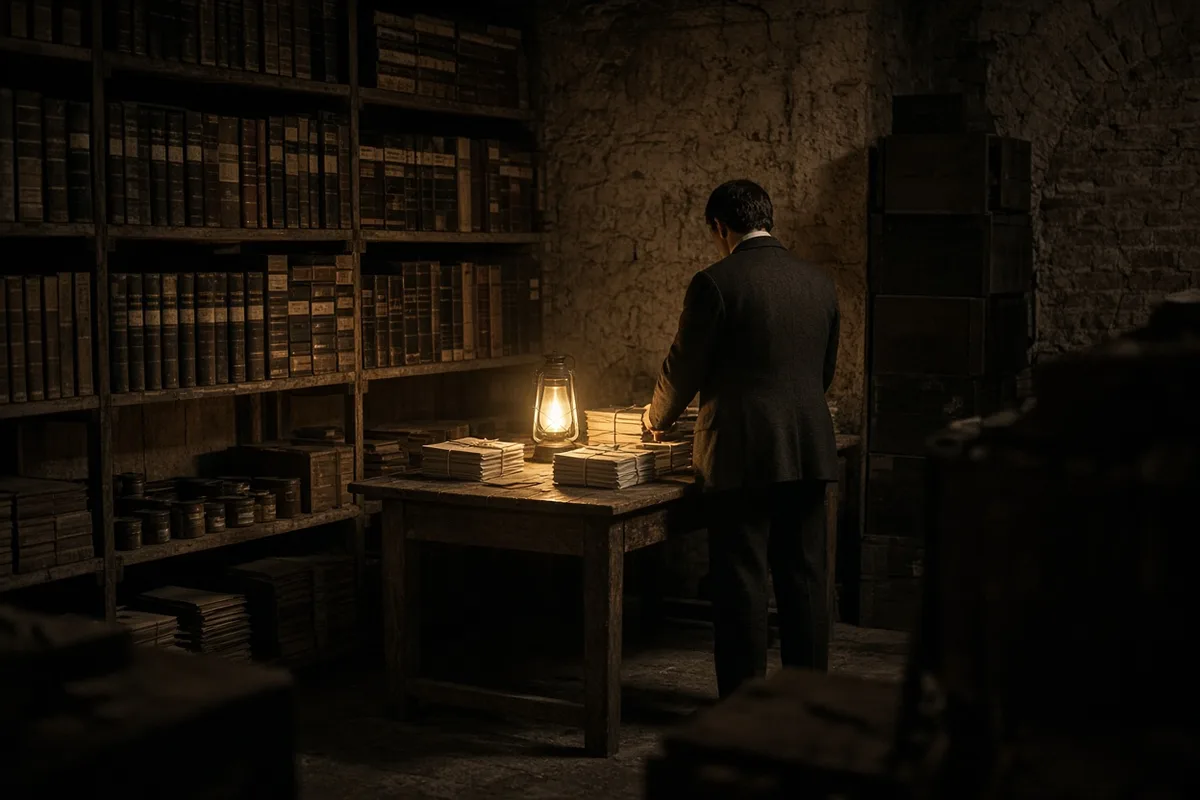
I kept the consulate ledger photocopy Zerach Warhaftig mailed from Jerusalem in 1968. The single sheet listed entry 1842 in Sugihara’s hand: “J. and R. Klein, Kovno, 27 July 1940, valid 10 days.” Warhaftig’s accompanying note stated that the original ledger page had been recovered from the Soviet archives in Vilnius in 1962 and deposited at Yad Vashem under accession number 4129/3.
In 1978 the Japanese Foreign Ministry issued a posthumous apology letter to Yukiko Sugihara, dated 10 October, acknowledging that the 1940 dismissal had been “an administrative error.” The letter referenced the exact ministry cable number 389 sent from Tokyo on 28 August 1940 that had ordered the consulate closed. Sugihara’s son Hiroki read the text aloud at a family gathering in Fujisawa that November; a recording of his reading is preserved at the Diplomatic Record Office in Tokyo under file B-3-2-8.
The Kaunas apartment at 30 Vaižganto Street was restored with original 1940 furnishings in 2001 under the direction of the Lithuanian Jewish Community. The second-floor window still carries the same brass latch that Sugihara used to pass visas directly to the street. On 9 July 2004 the Lithuanian government placed a bronze plaque beside the gate listing 2,139 visa numbers and the phrase “Japonijos konsulas Čijunė Sugihara” in raised letters.
One of the last surviving recipients, Jacob Gurevich of Montreal, wrote again in 1989 to Hiroki Sugihara. The letter, postmarked 14 March, described how Gurevich had used visa number 976 to board the 19 September 1940 train from Kaunas to Moscow, then continued on the Trans-Siberian with his wife and infant daughter. He added that the stamp ink on his passport remained visible beneath the Canadian citizenship certificate issued 12 May 1948.
In 2015 the Sugihara Foundation in Japan published the full list of 2,139 visa recipients in a 412-page volume. Entry 1842 appears on page 217 with the annotation “Klein, J. & R., arrived Vancouver 17 June 1941 aboard Hikawa Maru.” The foundation mailed a copy to every known descendant; my nephew David received ours on 3 November 2015.
My sister died on 22 February 2012 at age ninety-four. David placed the original transit visa, still folded inside its 1940 envelope, inside her coffin before the burial at Schara Tzedek Cemetery. The envelope bears the consulate’s purple ink stamp dated 4 August 1940 and the single handwritten word “Kaunas” in Sugihara’s script.
On 27 July 2019 the linden tree planted in the consulate courtyard bore twenty-five tags, each bearing a visa number and the name of the holder. One tag read “1842 – J. Klein.” A photograph taken that afternoon shows the tree’s lowest branch with the tag still legible, the ink having darkened slightly from the previous night’s rain.