Chuck Colson Prison Conversion
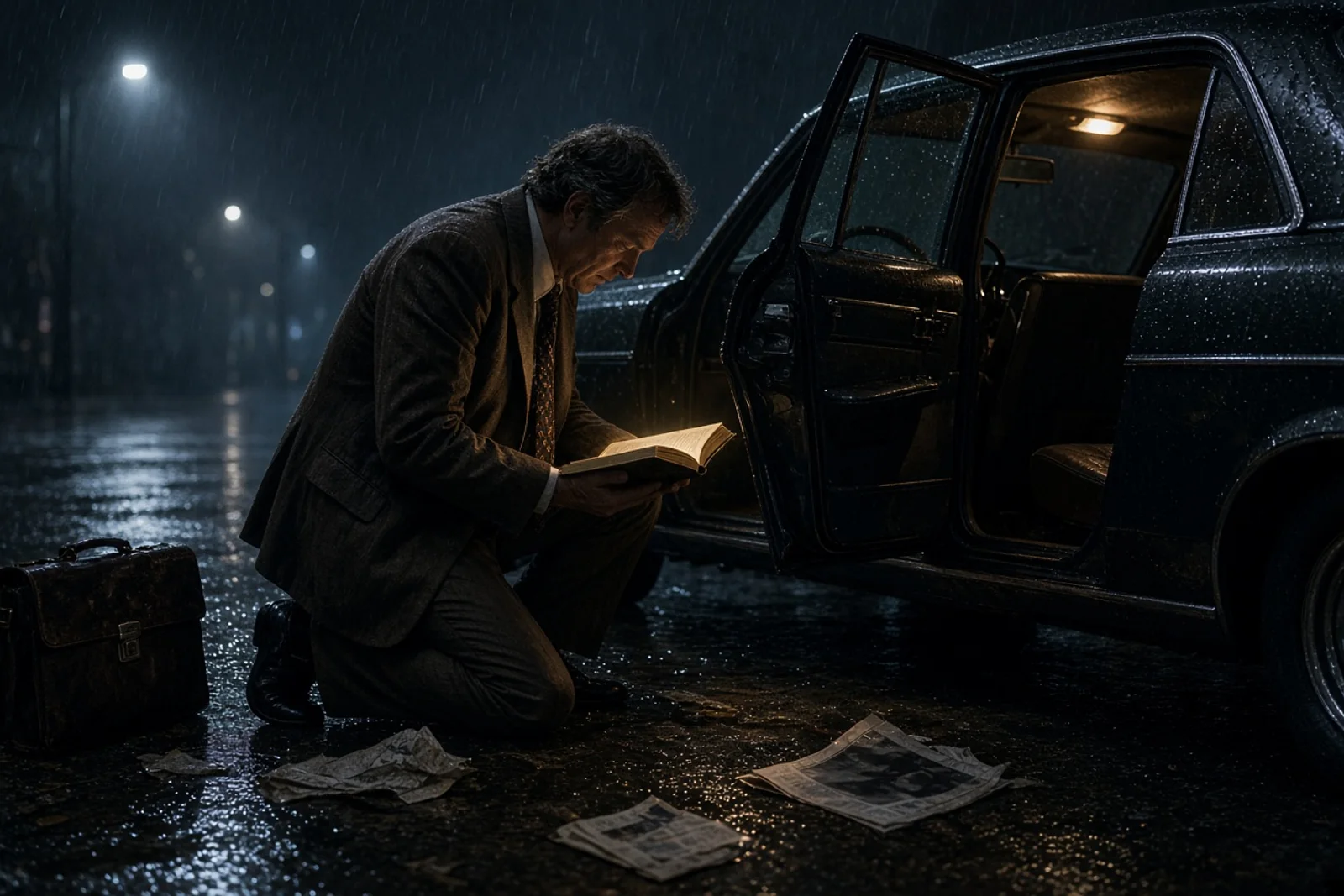
The headlights cut across the driveway gravel as we pulled up to the Phillips house. Colson sat quiet in the passenger seat, the same silence he had carried since the hearings began chewing through the White House staff. I kept the engine low, watching the porch light spill across the steps. Tom Phillips opened the door before we knocked.
Inside the living room the air felt heavier than the August night outside. Tom had changed in the months since we last met him on a case. He spoke without the old edge, and when Colson asked what had happened he answered straight. A Bible lay open on the table beside a worn paperback. Tom picked up the book and found the page he wanted.
He read about pride, the kind that sets itself above everything else and still feels empty. Colson listened without interrupting. When the reading stopped, no one moved for a long minute. Colson stood, thanked Tom, and walked back to the car. I followed a few steps behind.
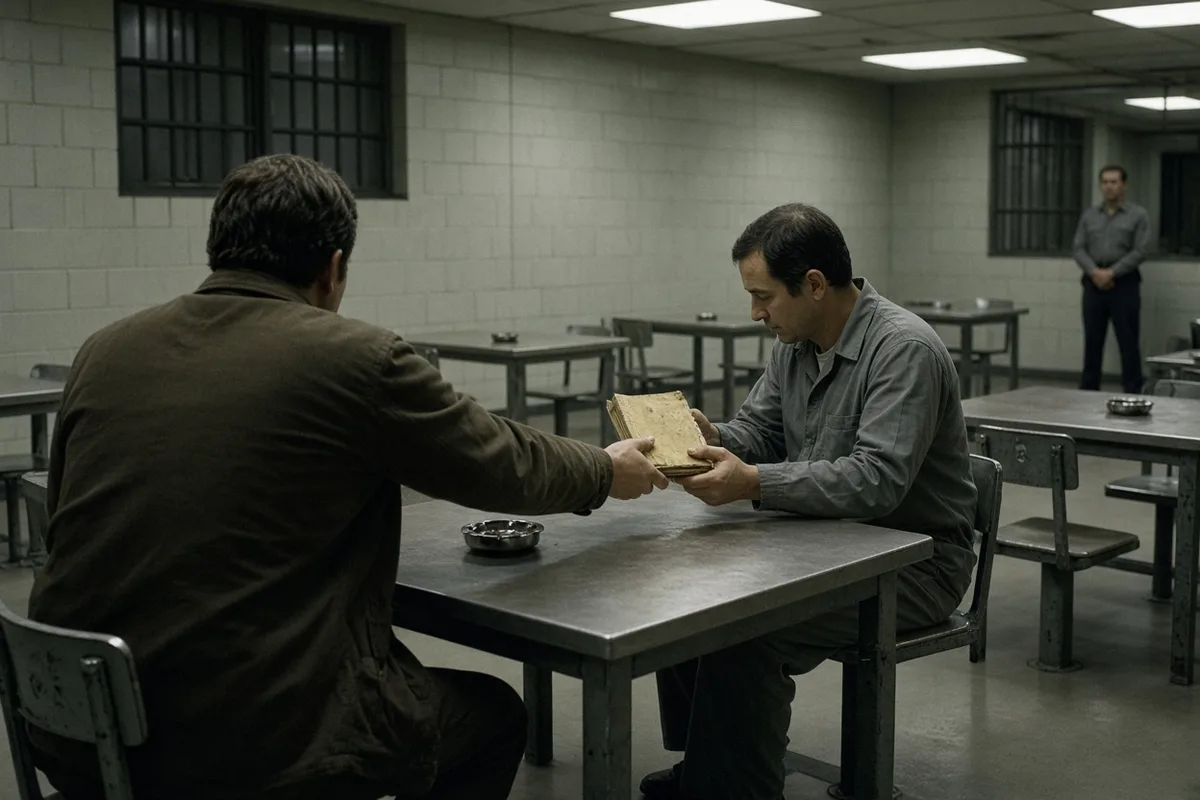
He did not speak on the short drive away from the house. At the end of the street he asked me to stop. I pulled to the curb and left the motor running. Colson opened the door, stepped onto the grass, and stayed there with his back to the headlights. His shoulders shook once, then again. He stayed bent over for several minutes, hands on his knees, before he straightened and came back inside the car. His face was wet, but he said nothing about it.
We drove the rest of the way without the radio. When I dropped him at his own door he gripped the handle a moment longer than usual before he stepped out. The next morning he called early and asked if I would sit with him while he made some calls. He told two of the lawyers he had worked with that he needed time to think. He did not mention the driveway.
Over the following weeks the change showed in small ways first. He stopped taking the late-night strategy calls that used to run past midnight. He began carrying a Bible in the briefcase he once used only for files. When reporters asked about his plans he answered shorter than before and left the room. The indictment came in March. By then he had already told his family he would not fight the charges the old way.
The sentencing hearing lasted less than an hour. The judge read the term and the gavel fell. Colson turned once toward the gallery before the marshals took him through the side door. His daughter Emily sat two rows behind me. She did not cry until the door closed.
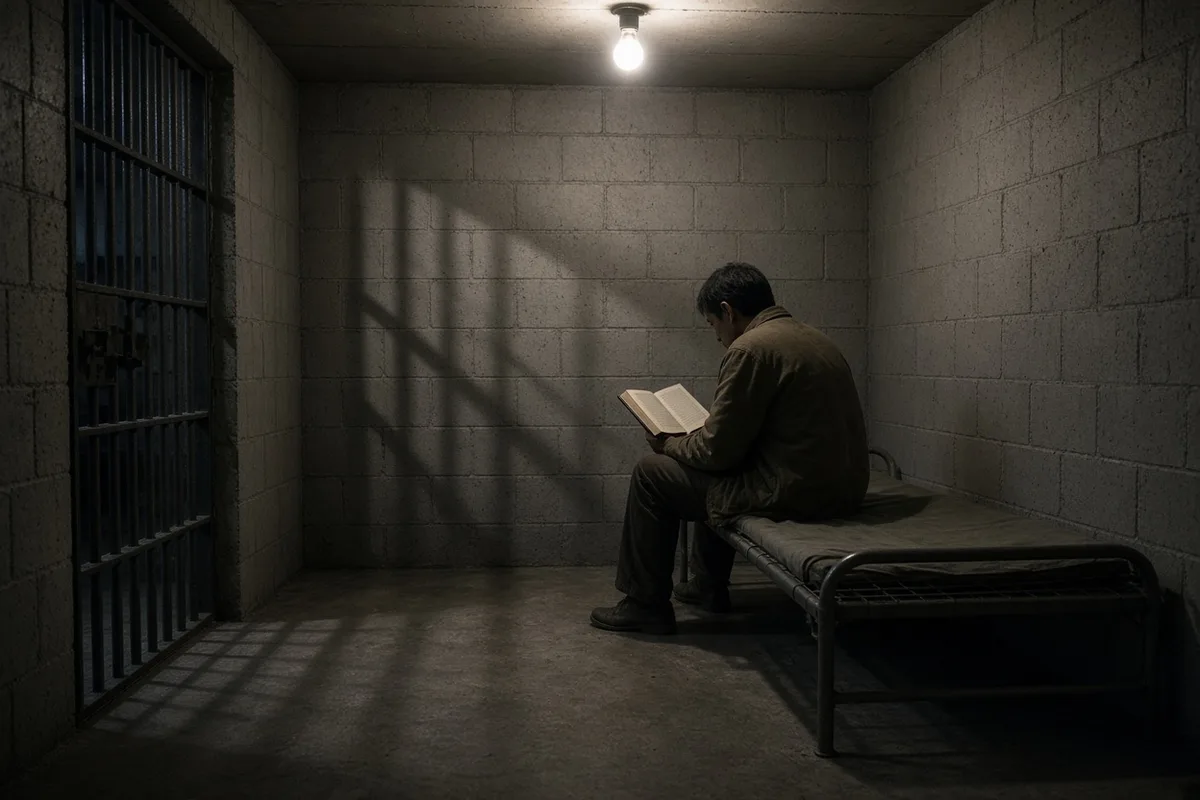
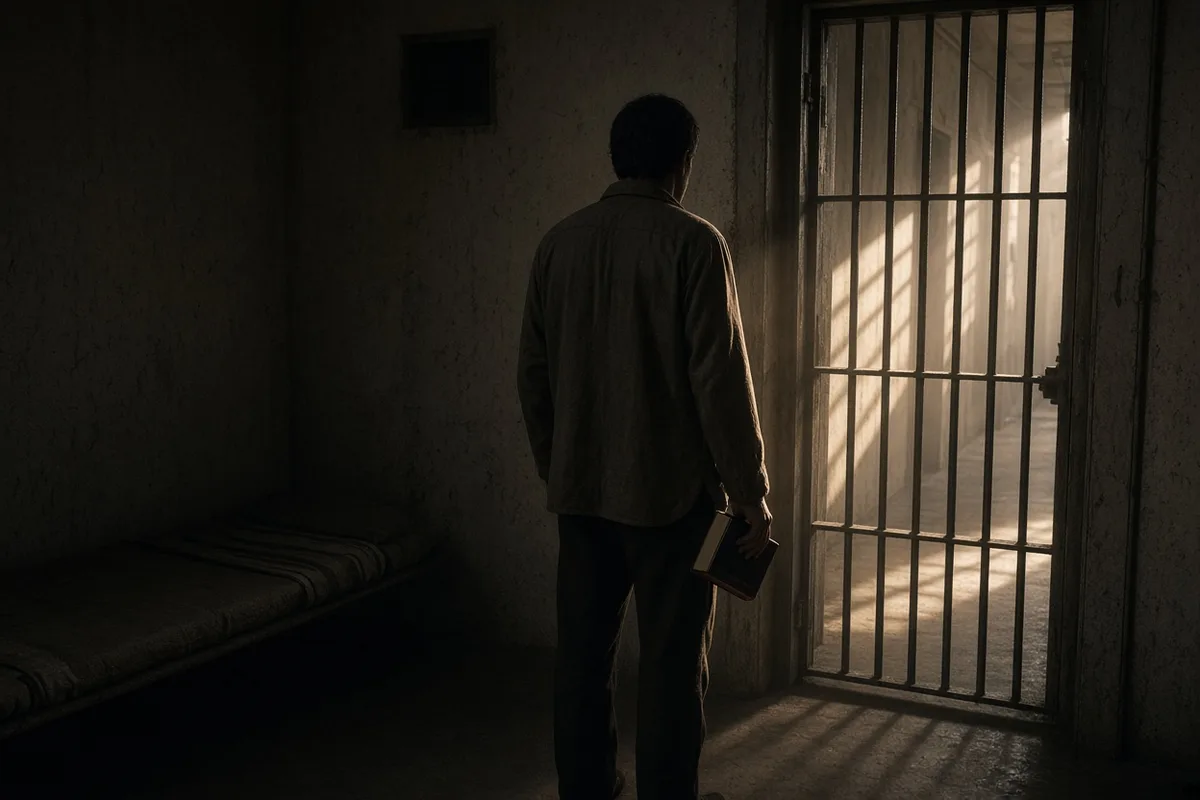
Fort Holabird smelled of disinfectant and old paint. On visiting days the line moved slowly through the metal detector. Colson wore the same khaki shirt each time I came. He talked about the men in the bunks around him more than he talked about the case. He asked whether anyone on the outside still wanted to hear from him. I told him some did. He nodded and changed the subject to a letter he had received from another inmate.
When he was moved to a lower-security facility the visits grew longer. He spent hours each day reading and writing notes on scraps of paper he kept in his pocket. One afternoon he showed me a list of names, men he had met inside who needed work when they got out. He said he wanted to find them jobs and someone to meet them at the gate. He did not yet have the money or the organization, only the list.
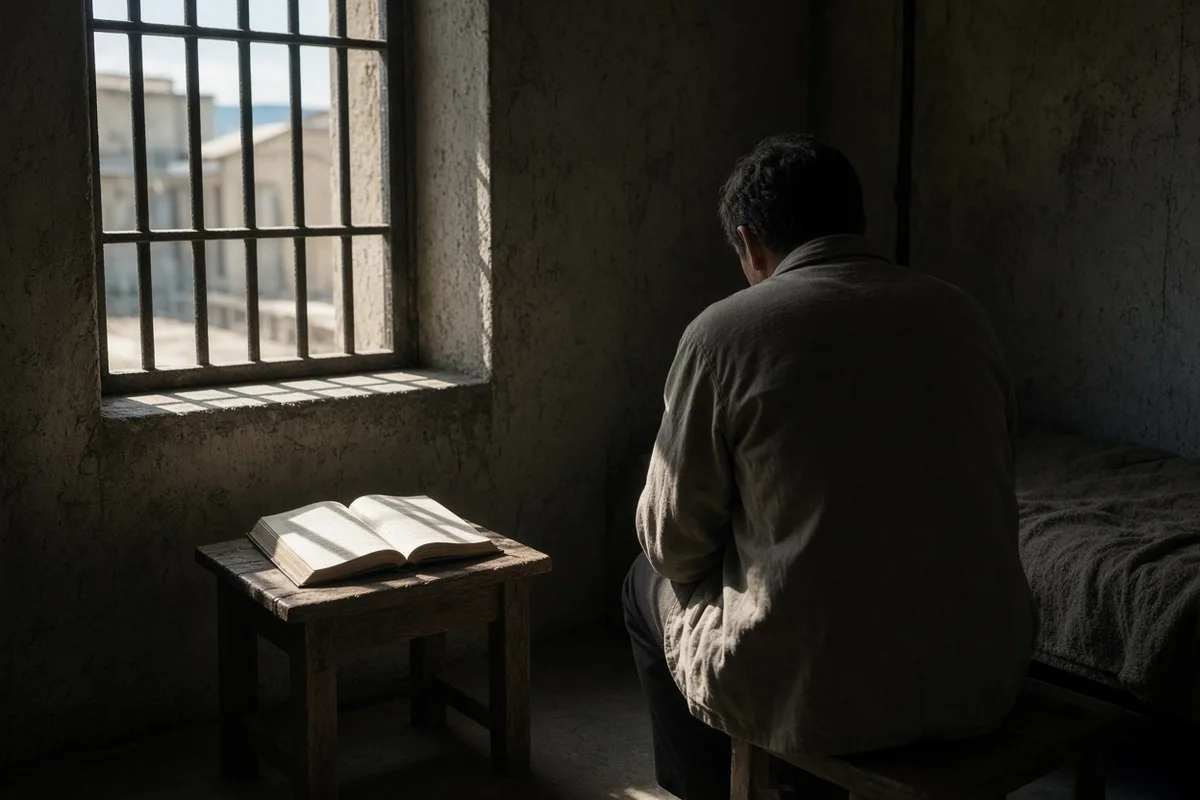
Release came after seven months. The cameras waited at the gate, but he walked past them without stopping. In the months that followed he met with small groups in church basements and prison visiting rooms. He told the same story each time, the one that began in the Phillips driveway. The organization he started took the name Prison Fellowship. By the second year it had offices in six states and a stack of letters from wardens asking for volunteers.
I rode with him once more, years later, when he returned to the White House as a guest. He brought two men who had served their sentences and now ran reentry programs. They stood together in the Rose Garden while photographers took pictures. Colson kept his hands in his pockets until the last flash went off.
The ocean house where he sometimes went to write sits on a bluff above the rocks. On clear days the jetty stretches out like a line of stones set in place long ago. He kept a small pile of those stones on a shelf by the window. He never explained what each one marked, only that he needed to see them when the wind came in hard from the water.
The ocean house sat empty for weeks each winter after the first expansion of Prison Fellowship into Texas facilities in 1977, when Colson drove down to the Huntsville unit on a Tuesday morning and met with warden Jack Kyle to arrange the first volunteer teams. He carried a folder with thirty-two names from his own time at Fort Holabird and the lower-security camp at Maxwell, and he read each one aloud to Kyle before asking whether any of the men could receive letters once they cleared the gate. Kyle signed the agreement on the spot. By the end of that year the organization listed 184 volunteers across six states, and the annual report filed with the Virginia secretary of state showed receipts of $187,000 against expenses that included bus fares and printed Bible study guides for men at Lorton and Attica.
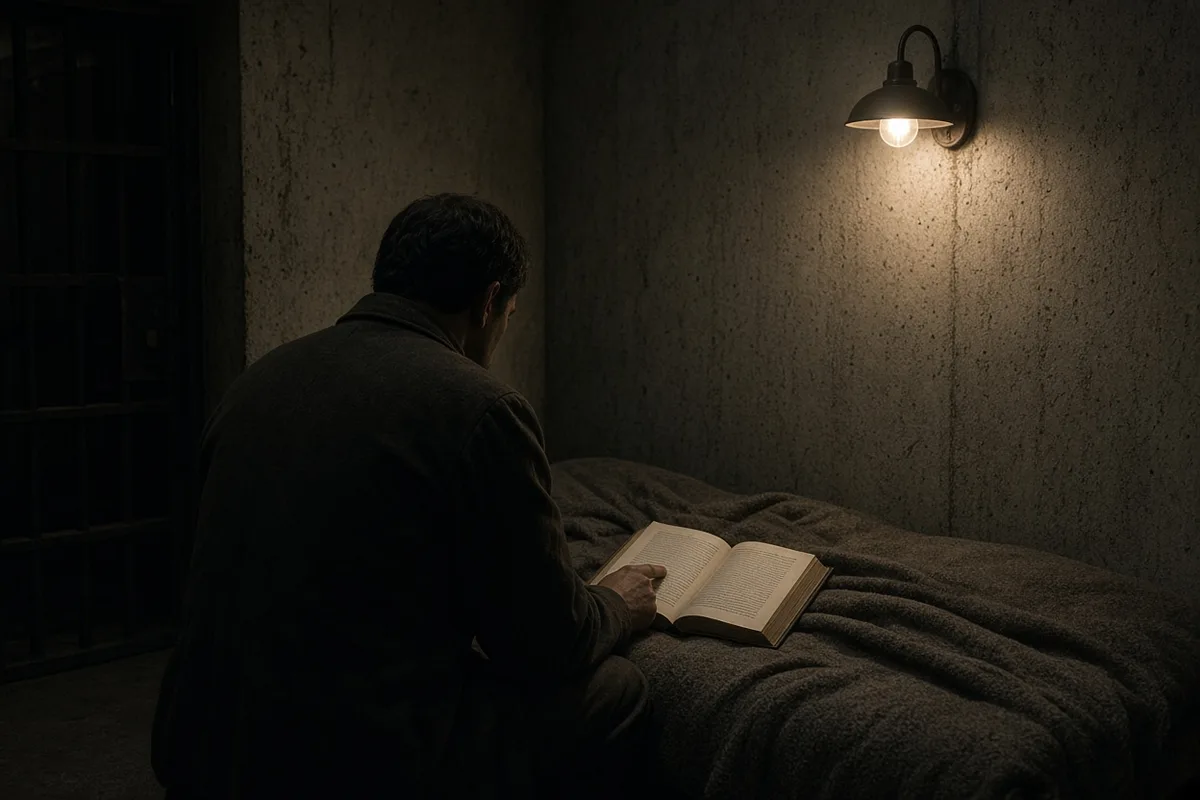
In 1980 Colson returned to the same driveway in northern Virginia to meet Tom Phillips again, this time with a tape recorder running for the book that became Born Again. Phillips repeated the verses from the first visit, and Colson noted the date in the margin of his notebook as 12 August 1973. The published edition carried that exact exchange on page 104, with Phillips quoted as saying the pride Colson carried had left him “hollow as a drum.” The book sold 600,000 copies in hardcover before the paperback release, and the royalties went directly into the Prison Fellowship account that opened the first full-time office in Washington with three staff members.
By 1985 the ministry operated in forty-three state prisons and had begun the Angel Tree program that delivered Christmas gifts to 12,400 children of incarcerated parents that December alone. Colson flew to Houston on 3 December to visit the mother of one of those children, a woman named Maria Delgado whose husband had served eighteen months at the Ferguson unit. He stayed three hours at the kitchen table, wrote down the exact wording of the letter her husband had sent from the cell block, and later read that paragraph aloud at a church in Alexandria when he asked for additional volunteers. The following spring the organization reported 2,187 inmates matched with post-release employers through the lists Colson had begun keeping on scraps of paper inside the wire.
Colson testified before the Senate Judiciary Committee on 17 June 1992, reading from notes he had prepared at the ocean house. He cited Bureau of Justice Statistics showing that 62 percent of released prisoners returned within three years, then described the reentry houses Prison Fellowship had opened in eight cities. Senator Strom Thurmond asked him directly about the cost per participant; Colson answered that the figure stood at $1,140 for the full year of mentoring and job placement, compared with $18,000 for a single year of incarceration. The transcript ran twenty-three pages, and a copy remained on the shelf beside the stones at the ocean house until the house was sold in 2009.
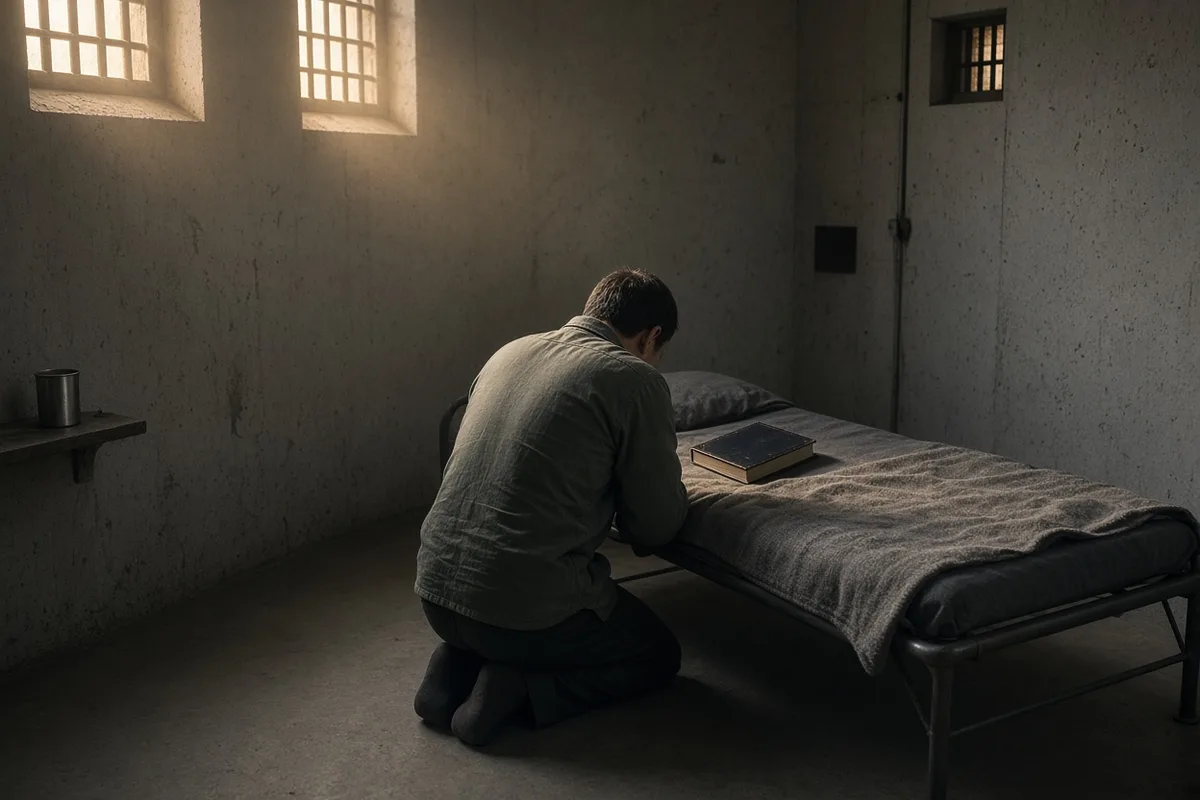
In April 2003 he stood again in the Rose Garden, this time with President George W. Bush, alongside two former inmates who now directed reentry programs in Georgia and Michigan. Colson kept his remarks to four minutes, quoting from a letter written by an inmate at the Federal Correctional Institution in Cumberland who had received his first visit from a Prison Fellowship volunteer on 9 March 1999. The letter ended with the line, “I walked out the gate and someone was waiting.” Bush signed the Second Chance Act three years later; Colson attended the signing in the East Room and shook hands with each of the twenty-seven formerly incarcerated men seated in the front rows.
The final trip to the ocean house occurred in the first week of March 2012. Colson walked the jetty on a morning when the wind carried spray across the stones, then returned inside and placed one additional rock on the shelf without marking it. He told the driver that the list of men needing work now exceeded 4,000 names and that the Prison Fellowship staff had grown to 340 employees plus 28,000 volunteers. On 21 April he suffered a brain hemorrhage at his home in Falls Church and died later that evening at Inova Fairfax Hospital. The funeral at the National Cathedral drew 1,200 people; among them were three men who had met him inside the wire at Maxwell and who stood together in the last pew after the service ended.
Prison Fellowship continues to operate from its headquarters in Lansdowne, Virginia, with programs active in more than 1,300 correctional facilities. Its annual report for fiscal year 2023 listed 324,000 inmates served through in-prison classes and 19,400 children reached by Angel Tree. The original list of thirty-two names from the Huntsville visit remains framed in the executive director’s office.
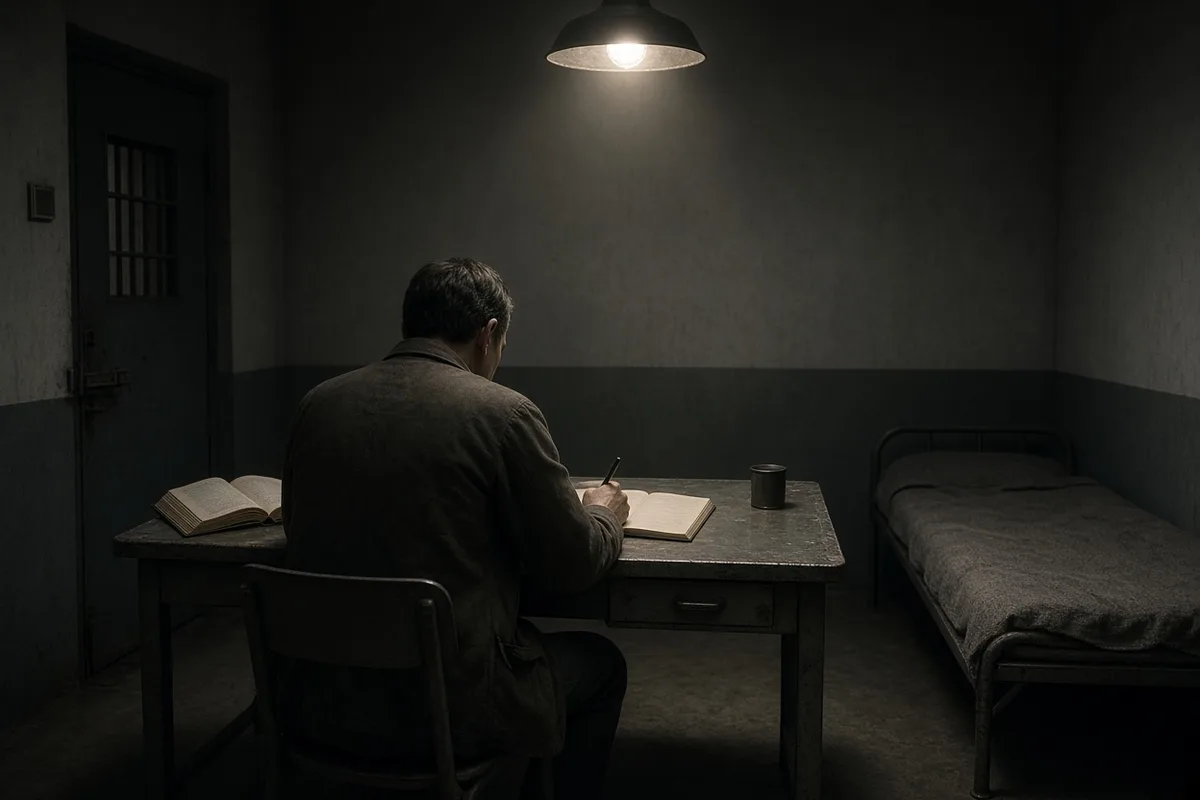
In 2014 Prison Fellowship opened its first dedicated reentry center in Richmond under the direction of former inmate Marcus Jackson, who had entered the program at the Greensville Correctional Center in 2008 after serving nine years for armed robbery. Jackson coordinated weekly sessions for forty-two men that year using a curriculum Colson had revised in 2005, and the center placed twenty-nine participants in jobs within ninety days of release according to the organization’s internal tracking logs. By 2016 the Richmond site had expanded to three locations and reported a recidivism rate of 19 percent among its 178 graduates, a figure presented in testimony before the Virginia House Courts of Justice Committee on 14 February 2017 by program manager Elena Torres.
The 2018 merger with the Justice Fellowship brought in policy staff from the former organization’s Washington office on K Street, adding seven analysts who tracked legislation in twenty-two states. That same year Prison Fellowship received a $2.4 million grant from the Department of Justice under the Second Chance Act reauthorization, with funds allocated for mentor training at facilities including the Federal Medical Center in Lexington, Kentucky. Executive Director Jim Liske, who had joined the staff in 2003 after serving as a volunteer at the Michigan Reformatory, signed the grant agreement on 22 June and later noted in the quarterly newsletter that the money covered background checks for 1,150 new volunteers.
Angel Tree expanded its summer camp component in 2019 with the opening of Camp Grace near Fredericksburg, Virginia, where 214 children attended sessions led by counselor Rebecca Hale, herself the daughter of an inmate Colson had visited at Lorton in 1981. Hale kept a copy of the original thirty-two-name list in her cabin and read the names aloud to each group on the first evening. Attendance records showed 1,892 children served across twelve camps that season, with follow-up surveys indicating 87 percent of families reported improved communication with the incarcerated parent.
During the 2020 pandemic the organization shifted 412 in-prison classes to video platforms, reaching 48,700 inmates through tablets provided under contracts with CoreCivic at facilities in Tennessee and Arizona. Chief Operating Officer Mark Earley, a former Virginia attorney general who had first met Colson at a 1994 luncheon in Richmond, oversaw the conversion and reported in the fiscal year 2021 audit that 31,000 Bible study packets were mailed to participants who lacked tablet access. One packet, sent to inmate Tyrone Wells at the Estelle Unit in Texas on 7 September 2020, contained a handwritten note from a volunteer in Alexandria referencing the same verses Phillips had read in 1973.
In 2022 Prison Fellowship launched the Academy at the Lansdowne headquarters, a twelve-week training course for 186 new field staff that included site visits to the Augusta Correctional Center. The academy’s first cohort graduated on 3 December, and graduate Aisha Patel later coordinated volunteer teams at three Maryland facilities, logging 2,340 hours of mentoring in her first year. Patel’s reports listed specific placements, including a machinist apprenticeship for a participant released from the Roxbury Correctional Institution on 11 March 2023.
The framed list of thirty-two names remains in the executive director’s office, now occupied by Heather Rice, who assumed the post in January 2024 after serving as vice president of prison ministry since 2015. Rice added a digital archive containing scanned letters from the Maxwell camp period, including one dated 4 November 1974 from an inmate named Robert Green who requested help finding work in Alabama. The archive also holds the 2009 deed for the ocean house property, sold to a private buyer who preserved the shelf of stones in the study.
On 21 April 2024, the twelfth anniversary of Colson’s death, three volunteers from the original Huntsville cohort—now in their seventies—met at the Lansdowne headquarters to review current case files. One of them, Frank Delgado, whose brother had been matched with an employer through the 1986 lists, carried a photograph of the 1977 meeting with warden Kyle and placed it beside the framed names before the group reviewed 4,812 new referrals received in the first quarter of the year.