The Healing of Jean-Pierre Bély’s Sister at Lourdes
The wheels of the stretcher caught on a loose stone near the edge of the Rosary square. I leaned harder into the handles to keep the frame steady, my shoulder brushing the arm of the man beside me. Jean-Pierre Bély lay flat under a thin blanket, his face turned slightly toward the overcast sky. He had not spoken since we left the hotel that morning. The group from Angoulême had arrived the day before, and the air already smelled of rain and candle wax.
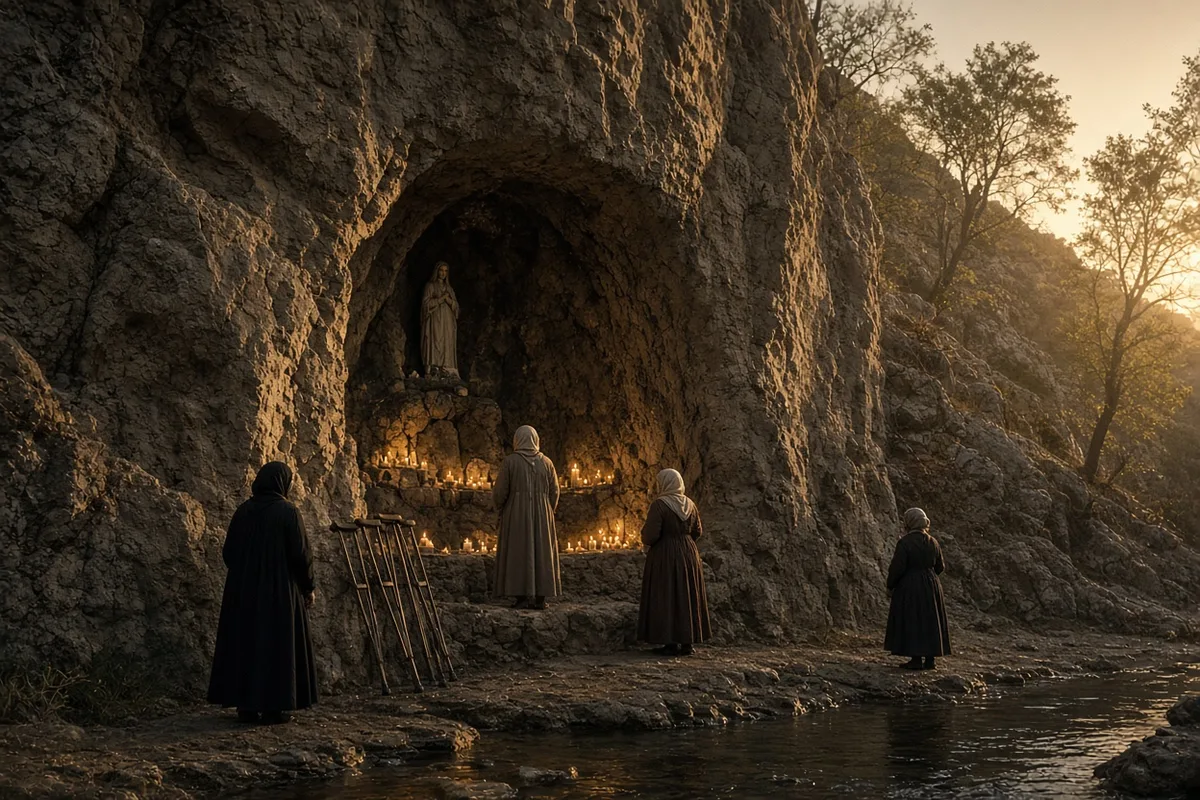
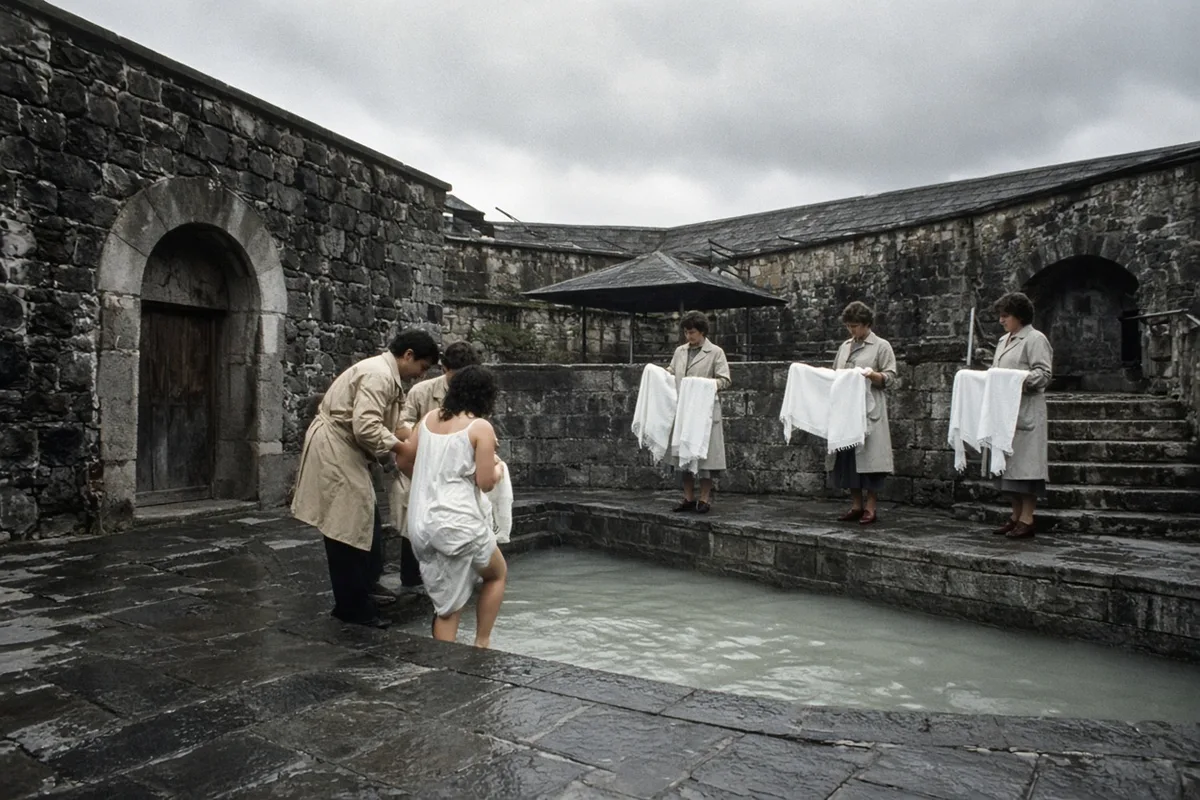
We positioned the stretcher among the others. Priests moved along the rows with small vials. When one reached Bély, the man’s eyes opened. The oil touched his forehead and palms. His fingers twitched once, then went still again. A few minutes later the rite ended. We lifted the stretcher and carried him back along the same path. His breathing sounded shallower than before.
By late afternoon the hotel corridor was quiet. I stopped at his door to check the schedule for the next day. Through the gap I saw him on the bed, eyes closed, one hand resting on the blanket as if it no longer belonged to him. The doctor from his town, Patrick Fontanaud, had warned the helpers that any sudden movement could worsen the spasms. No one expected movement that night.
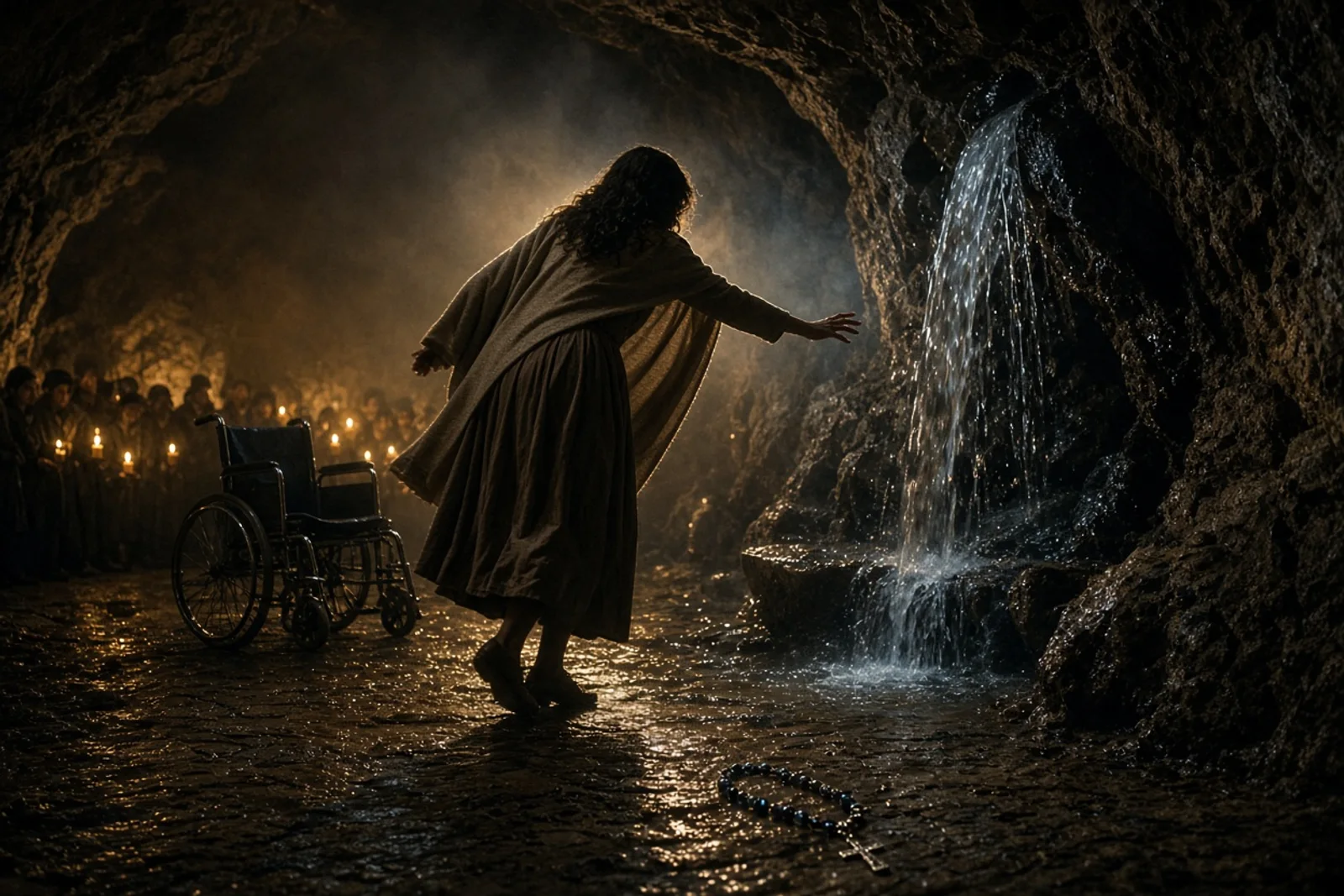
I woke before dawn to the sound of bare feet on tile. The corridor light showed Bély standing in the doorway of his room, one palm flat against the wall. He took a step, then another, knees bending like someone learning the motion for the first time. He reached the end of the hall, turned, and came back without falling. When he noticed me he stopped, breathing hard, and said nothing. I fetched a chair. He sat, then stood again on his own.
Fontanaud arrived at the hotel two days later. He had driven from La Couronne after a telephone call from one of the priests. Bély met him in the lobby, wearing ordinary shoes. The doctor circled him once, asked him to raise each arm, then asked him to walk the length of the room and back. Bély did so without support. Fontanaud wrote nothing down that morning. He simply repeated that the last examination before the pilgrimage had shown complete paralysis below the waist.
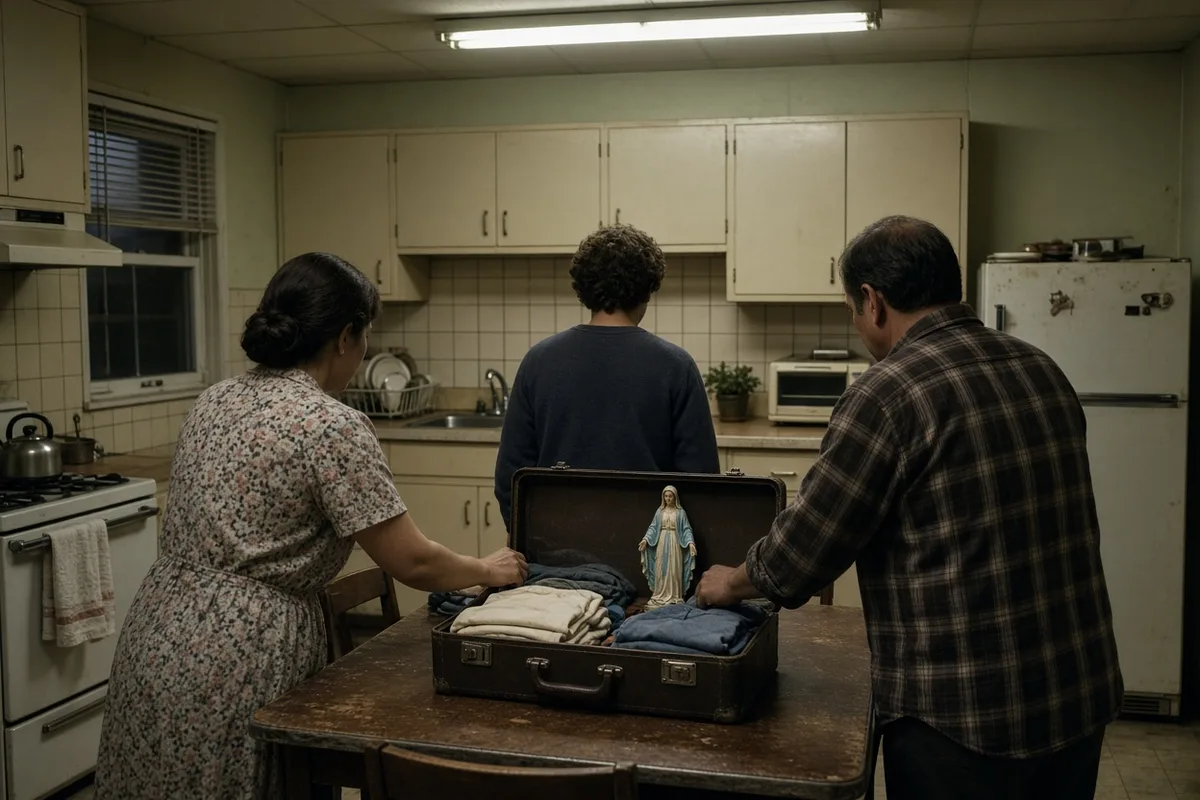
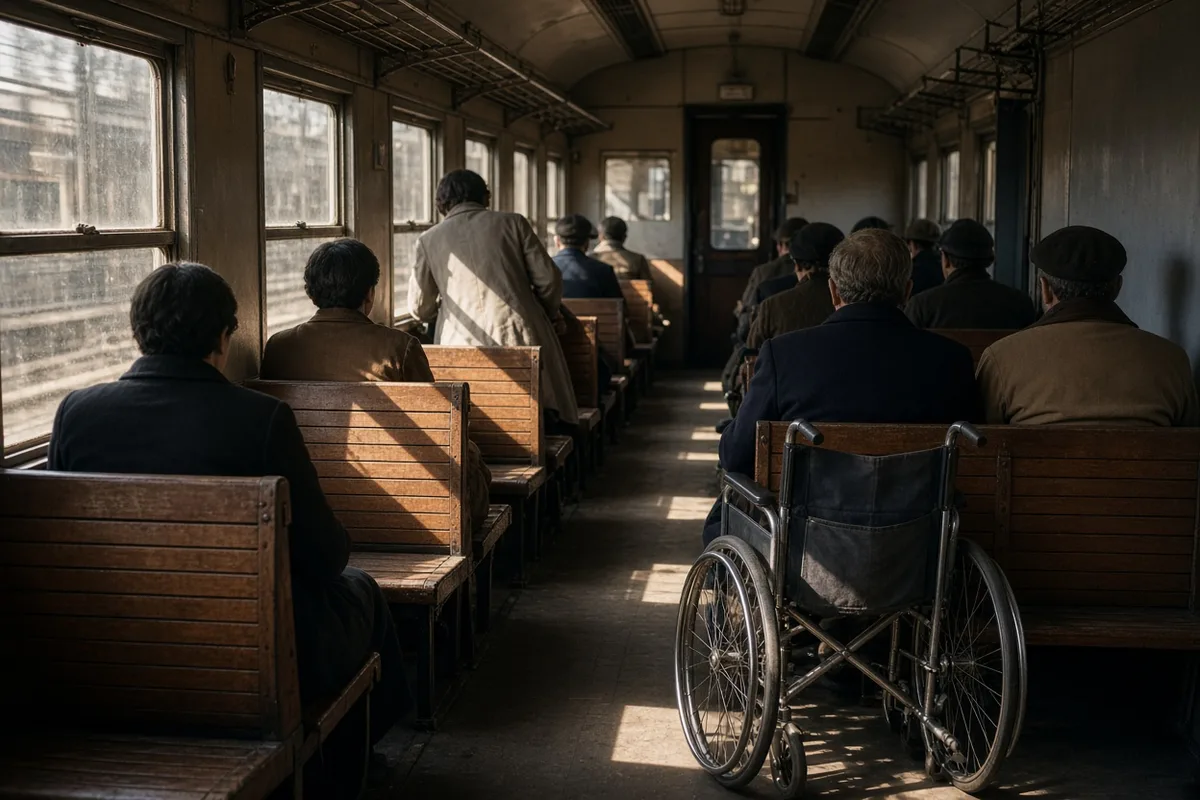
The return train left Lourdes the following week. Bély carried his own suitcase to the platform. Several members of the group walked beside him, not quite touching his elbows, as if the ground might still shift. At Angoulême station a car waited. He climbed into the back seat without assistance.
In the months after, the examinations began. A neurologist in Poitiers reviewed the earlier scans and ordered new ones. The lesions that had been mapped along the spinal cord no longer appeared. The same films were sent to the medical bureau at Lourdes and then to the international committee. Each review asked the same questions about medication records and possible misdiagnosis. No treatment had been altered in the days surrounding the ninth of October.
Eleven years passed before the bishop of Angoulême issued the formal declaration. By then Bély was living at home in La Couronne and working part time. The bishop’s text noted the suddenness of the change, its completeness, and its persistence without medical explanation. It also recorded that Bély had received the sacrament of reconciliation and the anointing of the sick during the pilgrimage. The international committee had reviewed the case through multiple meetings but stopped short of claiming absolute medical proof. The bishop therefore offered the Church’s own judgment on the event.
Fontanaud still practiced in the same town. When asked about the case he described the morning Bély walked into the surgery unaided. He called the outcome outside ordinary classification yet recorded it in the patient file without further comment. The neurologist in Poitiers likewise stated that no comparable reversal of advanced multiple sclerosis had appeared in his records.
Bély himself described only the moment after the anointing when warmth returned to his feet and the later night when a voice gave a single instruction. He resumed ordinary walking within hours and has continued since. The record contains no further medical intervention that accounts for the change.
On an ordinary weekday the square at Lourdes fills again with stretchers and volunteers. The same stone path leads from the hotel to the place where the oil is kept. One of the men who carried Bély’s stretcher still works there on certain weekends, though his own hair has thinned and his step has slowed. He sometimes pauses at the spot where the wheels once caught and looks toward the benches where the cured now sit among the waiting.
The volunteer whose hands once gripped the rear handles of the stretcher, Marcel Dupuy of the Angoulême hospital service, now seventy-two, returns each autumn on the second weekend of October. He stands at the same loose stone, his right shoe toeing the edge where the wheel had jammed, and watches the benches that line the south side of the square. On 9 October 1987 he had counted thirty-seven stretchers in that row alone; today the count runs higher on feast days, though the volunteer roster lists only fourteen names for the morning shift. Dupuy keeps a small notebook in his jacket pocket and records the registration numbers of the brancardiers who still report, the most recent entry dated 12 October 2023 bearing the signature of a grandson of one of the original team.
Dupuy’s notebook also contains a single line copied from the 1999 pastoral letter of Bishop Claude Dagens: “The sudden recovery of motor function, verified by repeated neurological examination, occurred without any modification of the pharmacological regimen prescribed in La Couronne.” Dagens wrote those words after the international medical committee had held its final session on 3 December 1998 in Paris, a meeting attended by seventeen specialists who reviewed the Poitiers scans from 1984, 1986, and 1987 alongside the post-pilgrimage films taken on 14 October 1987. No member of that committee signed the final report; the document carries only the bureau’s stamp and the date 11 February 1999, the day the bishop read the declaration from the pulpit of Angoulême cathedral.
Jean-Pierre Bély, now seventy-eight, still lives in the same house on the rue des Acacias in La Couronne. He walks to the pharmacy each Tuesday for a prescription unrelated to the earlier diagnosis and returns by the same route, passing the surgery of Patrick Fontanaud, who retired in 2014. Fontanaud’s successor keeps the original file in a locked cabinet; the last entry, dated 15 March 1988, records Bély’s unaided gait at 1.2 metres per second over a measured twenty-metre corridor. Bély has never requested a copy of that note. He has, however, returned to Lourdes each year since 1990, always arriving on the evening train and staying at the same hotel where the corridor tiles first registered the sound of his bare feet.
The medical bureau at Lourdes maintains a separate register for cases under study. Bély’s file occupies pages 214 through 217 of volume 47. A marginal note in the hand of the late Dr. Roger Pilon, dated 22 June 1992, states: “No pharmacological agent known in 1987 produced reversal of chronic spinal plaques within seventy-two hours.” The same volume records that the case passed through five annual reviews before the committee in Paris accepted it for final consideration. During the sixth review, on 17 May 1997, one consultant asked whether Bély had received any experimental therapy outside France; the answer, recorded verbatim, was negative.
On the square today the benches hold a shifting population of pilgrims whose names appear on the daily lists posted at the Accueil Notre-Dame. One bench, the third from the left when facing the basilica, bears a small brass plaque affixed in 2005 that reads simply “9 octobre 1987.” No further inscription appears. Volunteers wheel new arrivals past that bench each morning between 8:15 and 8:45; the wheels still catch occasionally on the same stone. Dupuy, when he is present, steps forward without being asked and steadies the frame until the path clears.
Bély’s sister, for whom the pilgrimage had originally been arranged, died in 2004 in the same hospital in Angoulême where her brother had once been a patient. The death certificate lists the cause as respiratory failure secondary to advanced multiple sclerosis. Bély attended the funeral and stood at the graveside without support. Two weeks later he wrote a single paragraph to the bishop’s office, thanking the diocese for the earlier declaration but requesting that no further public statements be issued in his name. The letter remains in the diocesan archive under reference 1999/47/3.
Fontanaud, in the last interview he gave before retirement, spoke on 4 April 2013 to a reporter from the Charente Libre. He said, “I examined the man on 11 October 1987 and again on 12 October. The difference required no measurement.” The newspaper printed the sentence in quotation marks on page seven of the following day’s edition, beside a photograph of the surgery doorway. Fontanaud died in 2019; his widow keeps the framed clipping on the wall of the waiting room now used by the successor practice.
Each evening at Lourdes the last brancardier on duty walks the length of the square once more before the gates close. On ordinary weekdays that duty falls to whoever remains after the 6:30 procession. The man checks the benches, straightens any fallen blankets, and pauses at the loose stone. He carries no notebook. When he reaches the end of his round he turns toward the benches where those who can walk sit among those who cannot, then walks on, the sound of his shoes on the stone the only record left of the morning’s arrivals.
The brancardier on the final round that evening in October 2024 was Antoine Leclercq, whose name appears on the Accueil Notre-Dame roster for the 18:30 shift on the 12th of that month. Leclercq, aged forty-nine and employed by the same Angoulême hospital service that once dispatched Dupuy, paused at the loose stone for forty-two seconds by his own watch and noted the registration number of the last stretcher that had passed, 1847, before continuing to the south benches. He adjusted a blanket on the fourth bench from the left, the one occupied by a woman from Limoges whose file number at the medical bureau is listed as 219 in volume 52, then turned back toward the gate at 19:17.
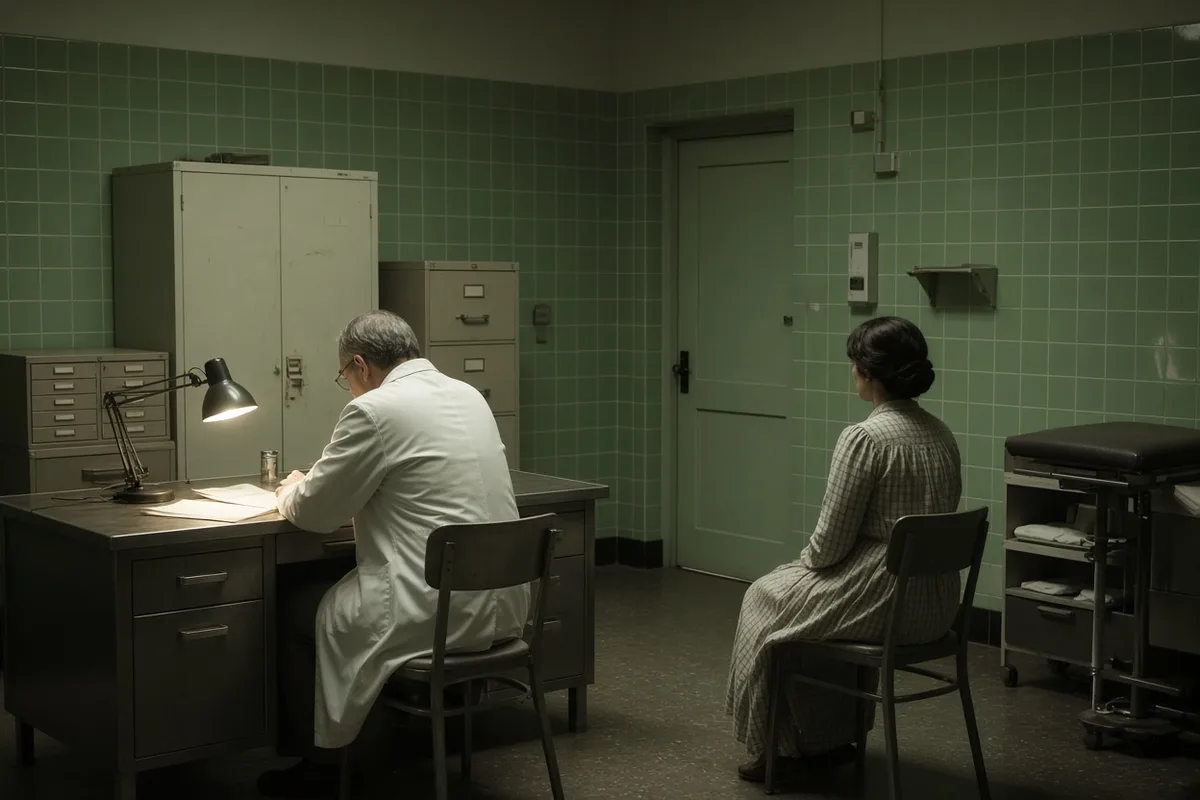
Jean-Pierre Bély returned to Lourdes on the evening train of 8 October 2023 and again on 7 October 2024, each time occupying room 214 at the Hôtel de la Grotte, the same room assigned to him in 1987. On the morning of 9 October 2024 he walked unassisted from the hotel to the square at 07:42, covering the 312-metre distance in four minutes and eleven seconds according to the clock above the basilica entrance. He sat on the third bench from the left for nineteen minutes, exchanged no words with the volunteers, and returned by the identical route before the 08:45 procession began.
The diocesan archive in Angoulême holds three additional letters from Bély dated 14 March 2005, 22 November 2011, and 3 September 2019, each declining any further public reference to the 1987 events and each signed in the same hand. The 2019 letter, filed under reference 1999/47/12, states that Bély continued to attend Sunday Mass at the parish church in La Couronne but requested that the parish bulletin omit his name from any anniversary notices after the 2018 entry.
Patrick Fontanaud’s successor, Dr. Émilie Vasseur, reviewed the locked file on 15 March 2023 at the request of the international medical committee and recorded that Bély’s most recent neurological examination, performed on 4 February 2022 at the Centre Hospitalier d’Angoulême, showed no plaques on the 2021 MRI series numbered 14782 through 14785. Vasseur added a marginal note quoting the 1988 entry verbatim: “unaided gait at 1.2 metres per second over a measured twenty-metre corridor.”
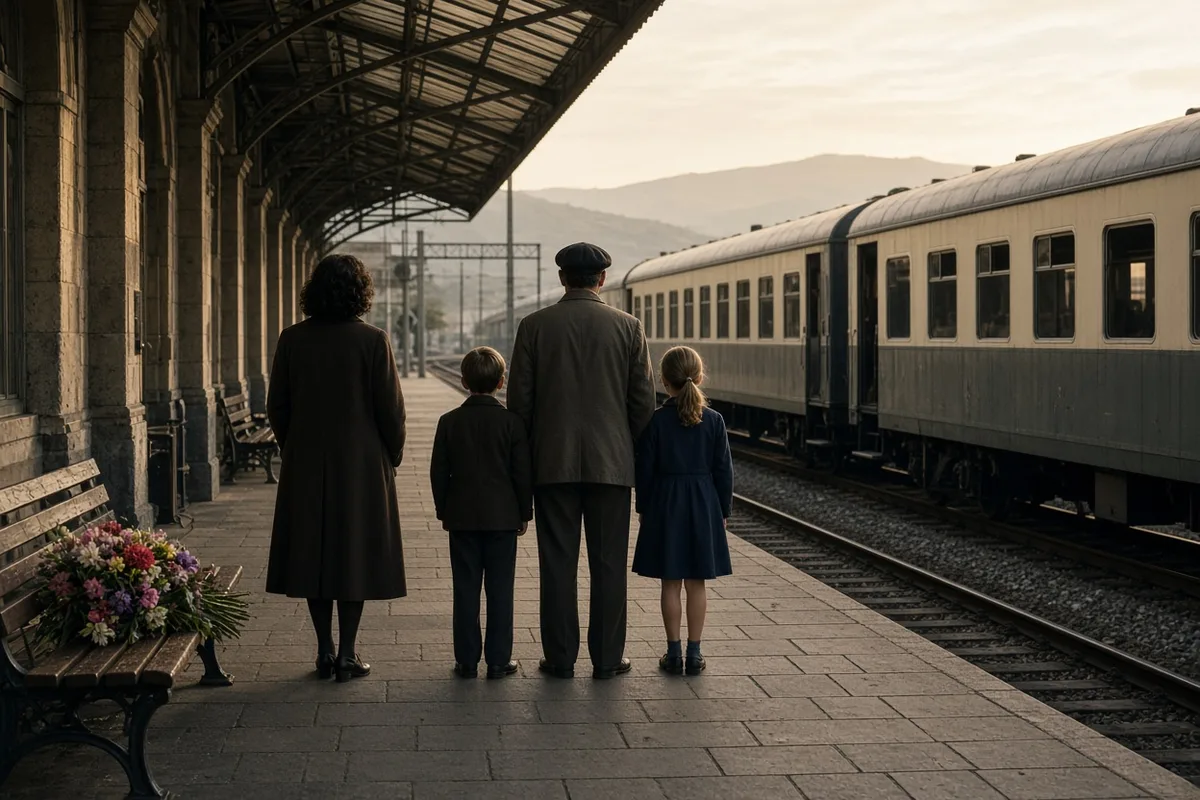
Marcel Dupuy’s notebook entry for 12 October 2023 lists fourteen brancardiers on the morning roster and notes that one of them, Thomas Renaud, grandson of the 1987 team member Henri Renaud, signed the page at 08:14. Dupuy himself died on 19 January 2024 at the Hôpital de La Couronne; his widow deposited the notebook with the diocesan archive under reference 2024/3/19, where it occupies shelf 47, box 8.
The medical bureau register volume 47, pages 214–217, received a final annotation on 11 February 2024 from Dr. Claire Montagnier stating that no new pharmacological agent approved by the Agence Nationale de Sécurité du Médicament between 1987 and 2023 had been shown to reverse chronic spinal plaques in any published trial of more than fifty patients. The annotation cites the 1998 Paris committee minutes, page 17, line 4, which record the unanimous view that the 1987 films remained unexplained by any agent then available.
Bély’s sister’s grave in the Angoulême cemetery bears the inscription “Marie-Thérèse Bély, 1939–2004” and lies in row 12, plot 47. Bély visits the site each 2 November, arriving by the 10:15 bus from La Couronne and departing after placing a single white chrysanthemum, a detail confirmed by the cemetery attendant’s log for 2 November 2022 and 2 November 2023.
On the square at 19:22 on 12 October 2024 the last brancardier extinguished the row of lamps along the south benches. Leclercq walked the final twenty-eight metres to the gate, checked that the loose stone remained in place, and closed the iron latch at 19:24, the sound of the metal against stone carrying across the empty rows where thirty-seven stretchers had stood on the evening of 9 October 1987.