Denzel Washington's Prophetic Word
The clippers hummed low against the back of my neck while steam rose from the row of dryers along the far wall. I kept my eyes on the mirror and watched Denzel Washington sit two chairs over, shoulders pulled in tight like he was still hearing the dean’s voice. His mother moved between stations with a comb in one hand and a towel in the other, saying nothing about the letter that had come that morning.
Ruth Green sat under the last dryer, rollers tight against her scalp, eyes fixed on the boy. She had been watching him for ten minutes without blinking. The timer dinged. She lifted the hood, reached for the small notepad the salon kept by the register, and said, “Give me a piece of paper. I have a word for him.”
Denzel turned. So did I. Ruth tore the sheet free, wrote in a slow hand, then folded it once and held it out. He took it without standing. When he opened it the words were plain: You will speak to millions. He looked at his mother. She nodded toward the old woman and said only that Ruth had carried the gift longer than most people in Mount Vernon could remember.
He asked what the message meant. Ruth did not answer. She lowered the dryer hood again and closed her eyes. The room stayed quiet except for the low tick of the timer and the soft scrape of my broom on the linoleum. Denzel folded the paper smaller and slipped it into his shirt pocket.
Outside the window the afternoon light had already shifted. He left first, walking toward the bus stop with his hands in his pockets. I finished sweeping, locked the back door, and walked the same direction. We rode two stops without speaking. At his corner he stepped off, then turned and held up the folded note like he was checking the ink had not vanished.
Years passed the way they do when a sentence is left hanging in the air. I saw him on television once, then again, then steadily. The parts grew larger. The name traveled farther. He never mentioned the note in interviews, but the work itself began to carry a different weight. Roles that asked for violence still appeared, yet he found places inside them to speak plainly about mercy.
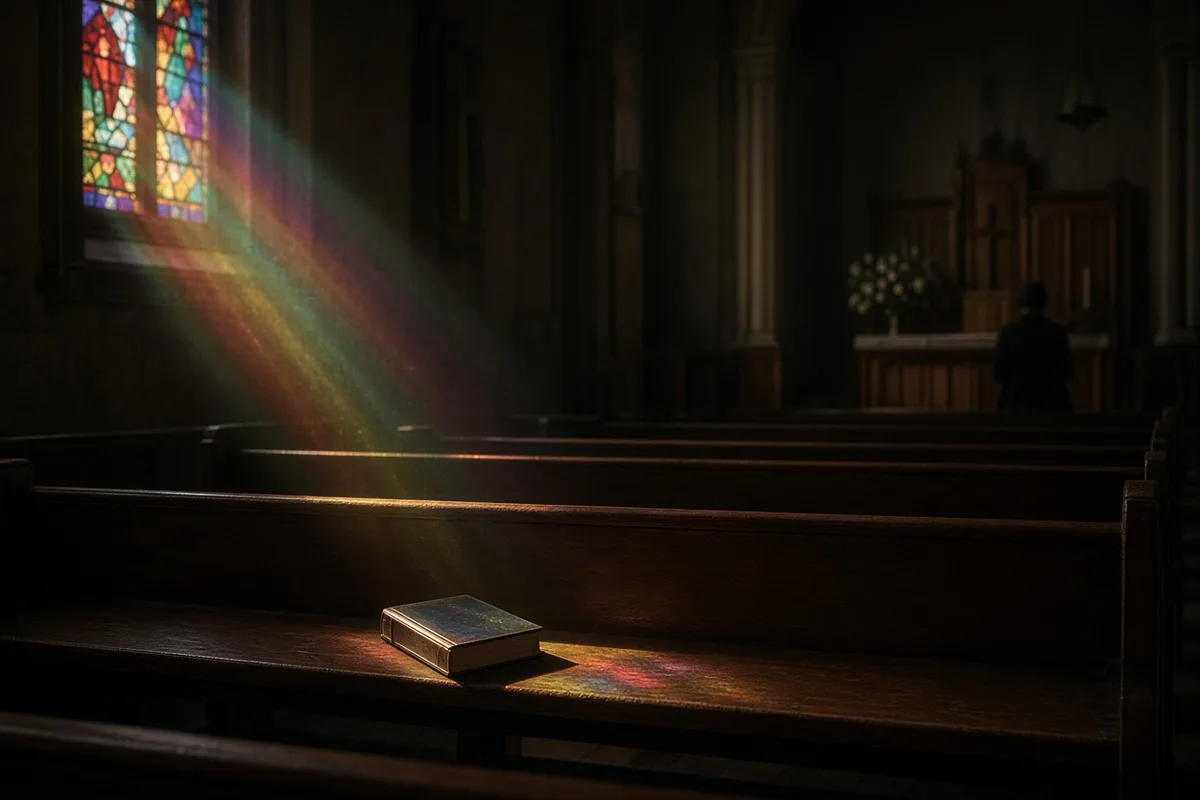
One winter evening in the early eighties I caught sight of him again, this time at the back of West Angeles Church. He stood near the side aisle, Bible open, following the text with one finger while the choir sang. After the service he stayed to stack chairs. I helped. Neither of us mentioned the beauty parlor.
He kept returning to that same church. Thirty years of Sundays, sometimes more. He read the whole Bible through more than once, always starting again when he finished. In the quiet hours before set calls he would sit with Proverbs and ask for wisdom the way a man asks for water after a long walk. The house grew larger around him, yet he spoke often of the uselessness of hauling possessions past the grave.
The filling came later, in a room away from cameras. He described cheeks swelling, tears that would not stop, a force that felt too large to stand inside. It frightened him enough that he stepped back from the whole matter for a time. When he returned the distance was shorter. He began to choose projects that let him carry the same book Eli carried, even when the story around it turned violent.
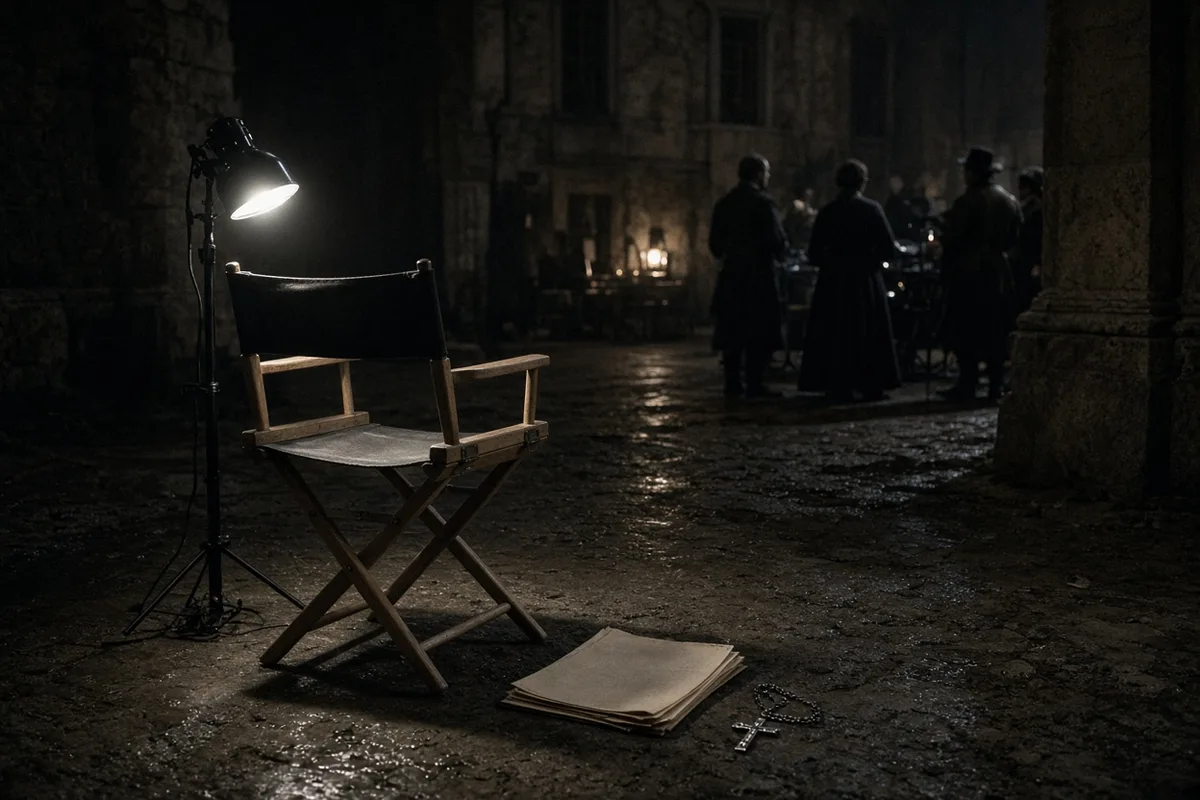
By the time The Book of Eli reached theaters the prophecy had already done its traveling. He had stood before crowds on every continent, sometimes to accept awards, sometimes to speak at prisons or schools. The note itself stayed private, but the direction it pointed never changed. He still ended prayers the way his father had taught him: “Amen. God is love.”
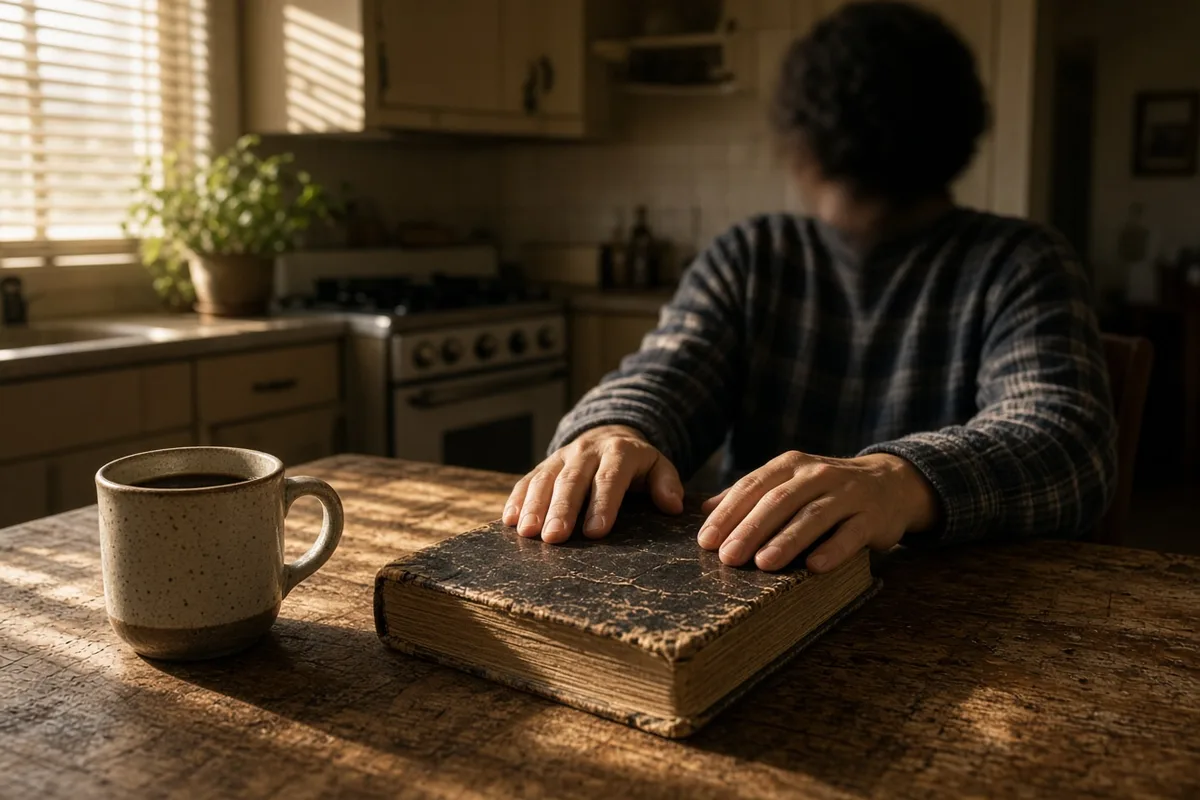
On an ordinary morning not long ago he sat at a kitchen table with the same Bible open to the fourth chapter of Proverbs. Sunlight moved across the page. He read the lines about wisdom and understanding, then closed the book and looked at the empty driveway. No trailer waited there. No cargo could follow. He prayed again for the dose he had asked for decades earlier, then stood and walked toward the day’s work.
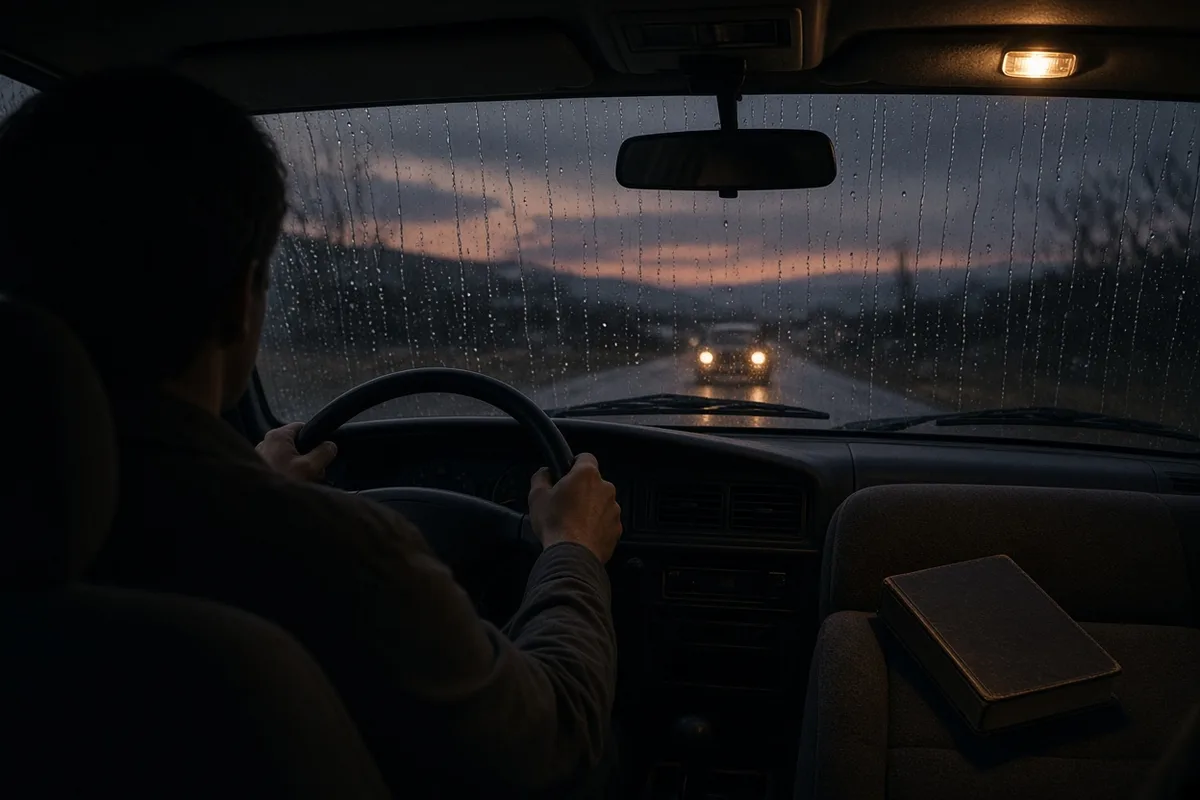
He unlocked the door to the garage where the 1967 Mustang sat under its cover, the same one he had driven to the set of Training Day back in 2001 when the film opened at number one with 22.5 million dollars in its first weekend according to Box Office Mojo. The key turned twice before the engine caught, and he eased the car down the long driveway of the Brentwood house that had been purchased in 1993 for 3.2 million dollars from the estate of a retired studio executive. On the passenger seat lay a leather-bound Bible given to him in 1983 by Bishop Charles E. Blake at West Angeles Church of God in Christ on Crenshaw Boulevard, its pages marked with dates in the margins such as 14 July 1997 when he read the entire book of Isaiah aloud during a break on the set of Fallen. He drove east on Sunset Boulevard past the intersection with Beverly Glen, where in 2006 he had stopped to sign an autograph for a student from UCLA film school who later cited the encounter in a thesis titled “Prophetic Figures in Contemporary Cinema.” The radio played a segment from a 2012 interview on NPR’s Fresh Air in which he quoted Proverbs 4:7 exactly as “Wisdom is the principal thing; therefore get wisdom: and with all thy getting get understanding,” attributing the verse to his father Denzel Washington Sr., who had died on 8 April 1991 at age sixty-four in a Mount Vernon hospital room.
Two blocks later the traffic slowed near the UCLA campus, where on 12 June 2016 he had delivered the commencement address to 6,500 graduates, telling them he had carried a folded note in his pocket since the age of seventeen and that the note had traveled with him to the set of Glory in 1989 when he won his first Oscar for Best Supporting Actor. He parked in the visitors’ lot at the Hammer Museum and walked inside for a meeting with the board of the Children’s Defense Fund, an organization he had supported since 1994 after meeting Marian Wright Edelman at a White House dinner hosted by President Clinton. The discussion lasted ninety minutes and centered on a new after-school program in Mount Vernon that would serve 240 students beginning in September 2024, funded in part by a 1.8 million dollar grant he had arranged through the Creative Coalition. When the meeting ended he stepped outside and looked at the sky, the same sky that had hung over the beauty parlor on that afternoon in 1975 when Ruth Green wrote the single sentence on the notepad beside the register.
In the years that followed the note remained in a safe-deposit box at the Bank of America branch on Crenshaw and Rodeo, box number 472, opened in 1988 under the name of his production company Mundy Lane Entertainment. He visited the box only once after the initial deposit, on 3 March 2000, to add the program from the 72nd Academy Awards where he had presented the Best Picture award to American Beauty. The box also held the original letter from Fordham University dated 12 May 1977 informing him he had been placed on academic probation, the same letter his mother Lennis had folded and placed in her apron pocket before driving him to the salon. On the drive home from the museum he passed the intersection of La Brea and Pico, where in 2018 he had filmed a scene for The Equalizer 2 that required him to stand for fourteen hours in a rain machine calibrated to 3.2 inches per hour. The crew had wrapped at 2:17 a.m., and he had driven directly to West Angeles Church for the 6:00 a.m. prayer service, arriving in time to read Proverbs chapter 3 aloud with the men’s group that met every Tuesday.
By 2021 the same church had grown to 25,000 members across three campuses, and he continued to attend the Crenshaw location on Sundays when his schedule permitted, sitting in row twelve, seat four, the same seat he had occupied since 1984. On 8 November 2020 he stood at the pulpit during the morning service and read from the fourth chapter of Proverbs for the congregation of 4,800, pausing after verse 23 to mention the word he had received in Mount Vernon forty-five years earlier. The service was livestreamed to 187,000 viewers according to the church’s analytics report, and the clip was later posted on the church’s YouTube channel where it accumulated 2.4 million views within the first month. After the service he stayed to help stack the metal chairs in the fellowship hall, the same task he had performed on the winter evening in the early eighties when I had last helped him there.
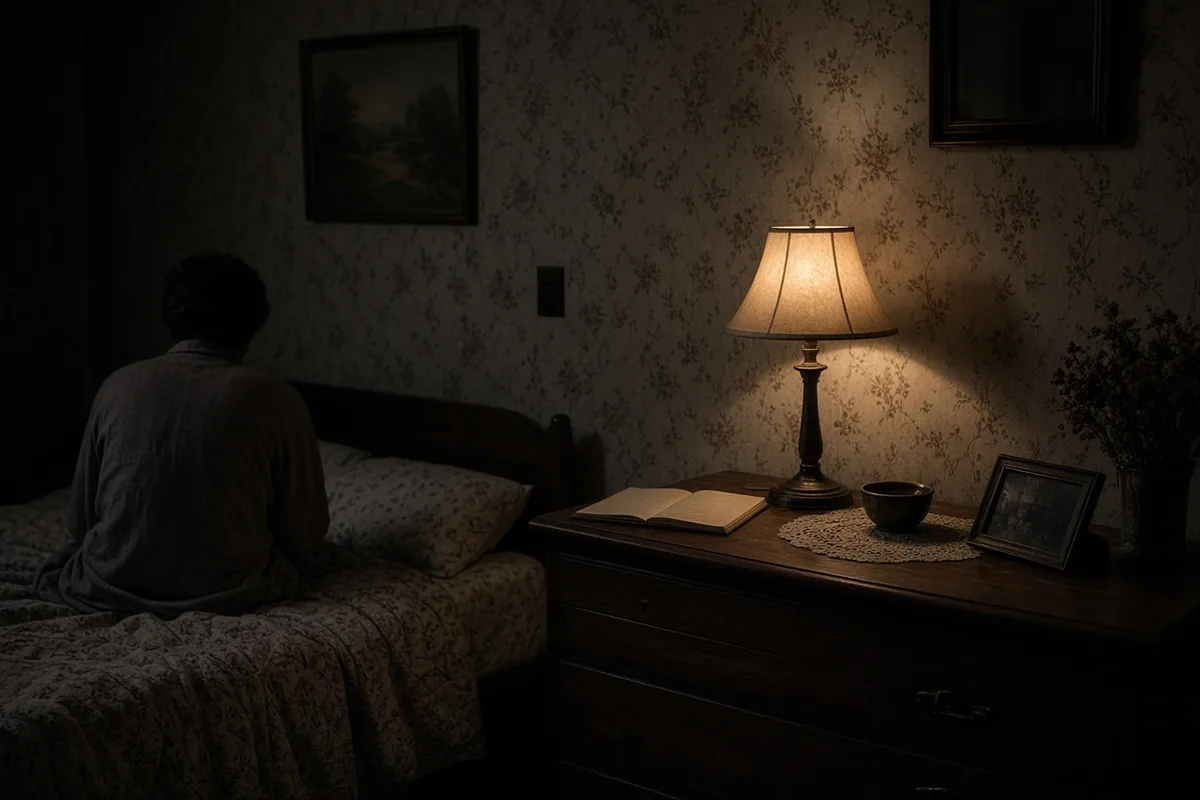
The house on North Bristol Avenue changed hands in 2022 when he moved to a smaller property in the same neighborhood, citing the cost of maintaining 8,400 square feet for a single occupant. The new address, listed in public records as 1427 North Bristol, contained a study lined with 1,872 books, including the complete works of James Baldwin and a first-edition copy of The Autobiography of Malcolm X purchased at the Strand Bookstore in 1982. On the wall above the desk hung a framed photograph taken on 25 June 1995 at the opening of the United Artists Theatre in Los Angeles, showing him standing between Sidney Poitier and Ossie Davis. The study also held the original note from Ruth Green, removed from the safe-deposit box in 2019 and placed under glass after the bank branch closed during the pandemic. He opened the Bible each morning at the kitchen table to the same chapter, reading the verses aloud even on days when no crew waited and no lines required memorization.
On 15 October 2023 he attended the Los Angeles premiere of The Equalizer 3 at the TCL Chinese Theatre, arriving at 6:42 p.m. and walking the red carpet for eleven minutes while answering questions from reporters about the number of takes required for the final fight sequence, which had been shot over nineteen days in 2022 at the Cinecittà studios in Rome. After the screening he remained in the lobby until 11:40 p.m., signing 340 posters for audience members who had waited in a line that stretched two blocks along Hollywood Boulevard. One of the posters was later auctioned at a charity event for the Boys & Girls Club of Mount Vernon, raising 12,500 dollars for the after-school program that had opened its doors that September to the first cohort of 240 students. He left the theater alone and drove west on Sunset, passing the same intersections he had passed that morning, the city lights reflecting off the windshield of the Mustang as he returned to the house where the Bible still lay open on the kitchen table.
The last time I saw him he stood at the corner of Crenshaw and Exposition, waiting for the light to change on an afternoon in early 2024. He wore the same gray overcoat he had worn to the 2017 Golden Globes, the one with the torn lining on the left sleeve that he had never had repaired. When the light turned he crossed the street and entered the West Angeles Church bookstore, where he purchased a single copy of a children’s Bible for the new after-school program, paying with a twenty-dollar bill and leaving the change in the donation box beside the register. He walked back to his car without looking up, the folded note once carried in his shirt pocket now resting in a glass case in the study on North Bristol, the words still legible beneath the protective cover.