Dietrich Bonhoeffer Joins Resistance Plot
The train from Berlin pulled into the siding just after dusk. I waited by the signal box with a satchel of forged travel papers, listening to the rain on the roof. Bonhoeffer stepped down from the third carriage, collar turned up, carrying only a briefcase. He nodded once when he saw me and kept walking.
We drove without lights through the Grunewald woods. He asked about the latest arrests in the Confessing Church circles. I told him what I knew. He said nothing for several minutes, then asked whether the Abwehr contacts still wanted a direct line to the British. I said they did. He looked out at the dark trees and said the time for warnings was finished.
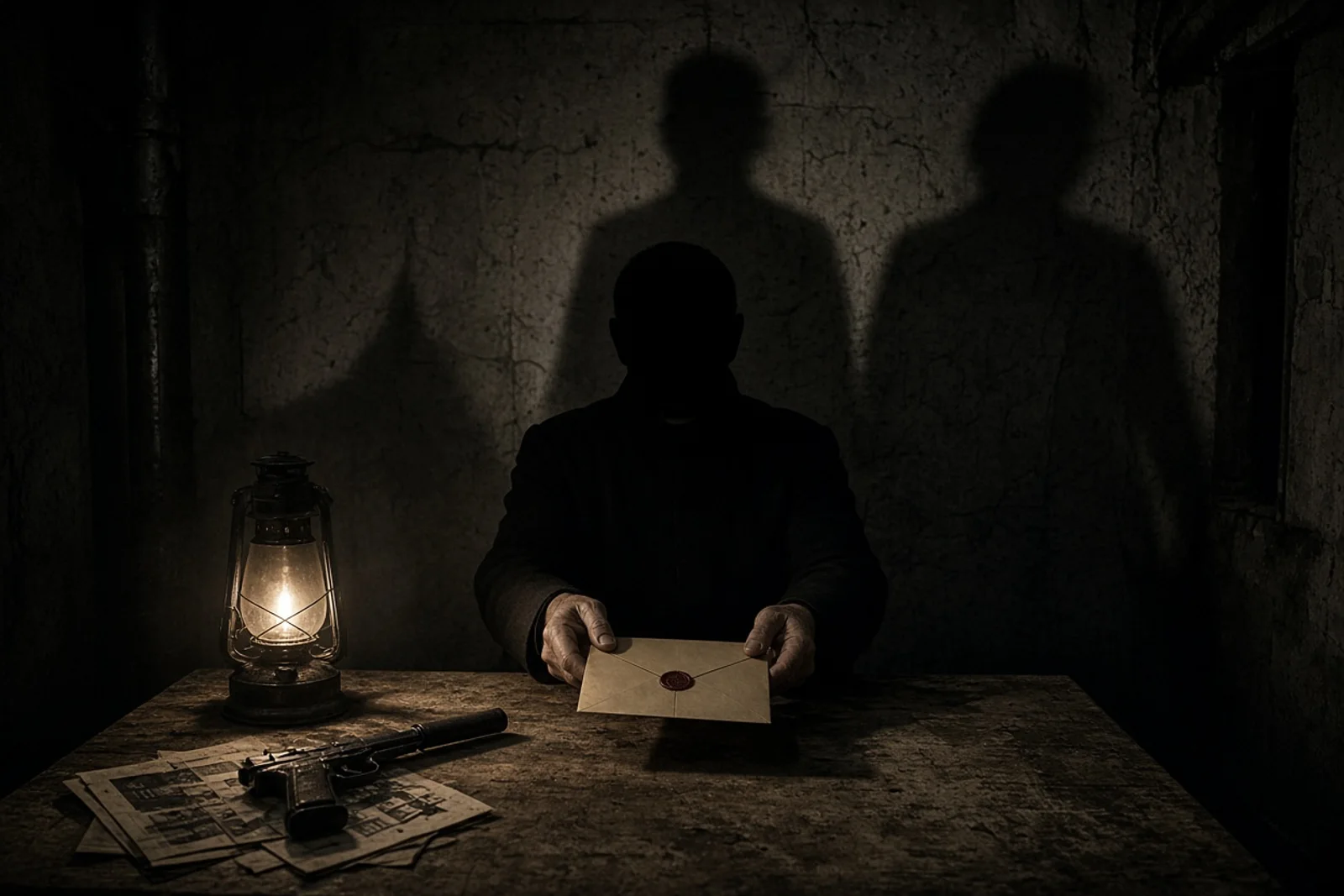
Two nights later I stood in the back room of a house near the Tiergarten. Hans von Dohnanyi spread maps across the table. Bonhoeffer stood with his hands in his coat pockets, listening. The plan involved moving certain Jews across the border under Abwehr cover and feeding information outward. Bonhoeffer asked about the risk to the families already in hiding. Dohnanyi answered that every additional day increased the chance they would be found. Bonhoeffer nodded and sat down.
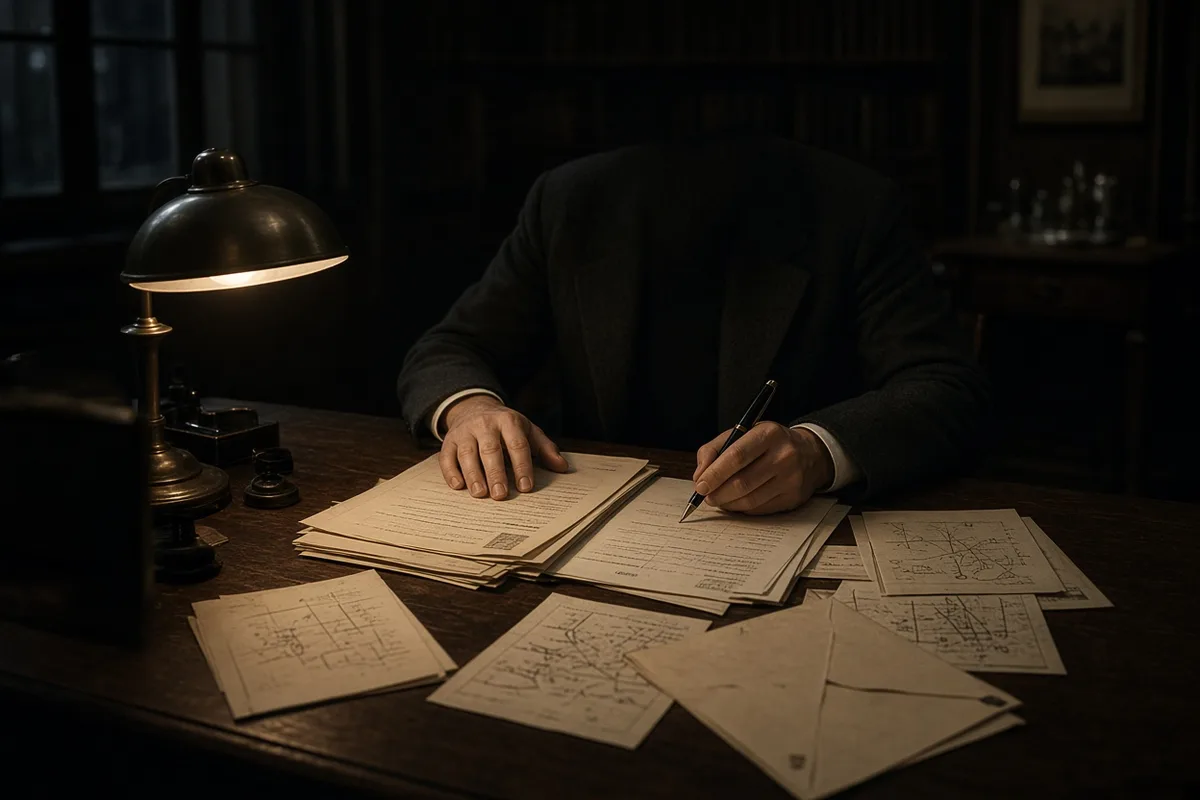
I carried messages between the seminary students still loyal to him and the Berlin circle. Most nights I slept on a cot in the corridor outside his room. He wrote late, the lamp turned low. One morning he showed me a page he had torn out and burned. The sentence left on the edge read that the church must sometimes stop the wheel.
By March the Abwehr safe houses were being watched. I changed my route every day. Bonhoeffer met Oster twice that month. After the second meeting he told me the military side of the resistance now treated the theological side as necessary. He did not smile when he said it.
On the fifth of April I drove him to his parents’ house in Charlottenburg. He wanted to collect letters before another trip south. Two Gestapo men waited at the gate. They let him go inside but kept the car. I stayed at the wheel. When he came out they took the briefcase and told him to follow them. He looked at me once through the windscreen and shook his head slightly. I drove away.
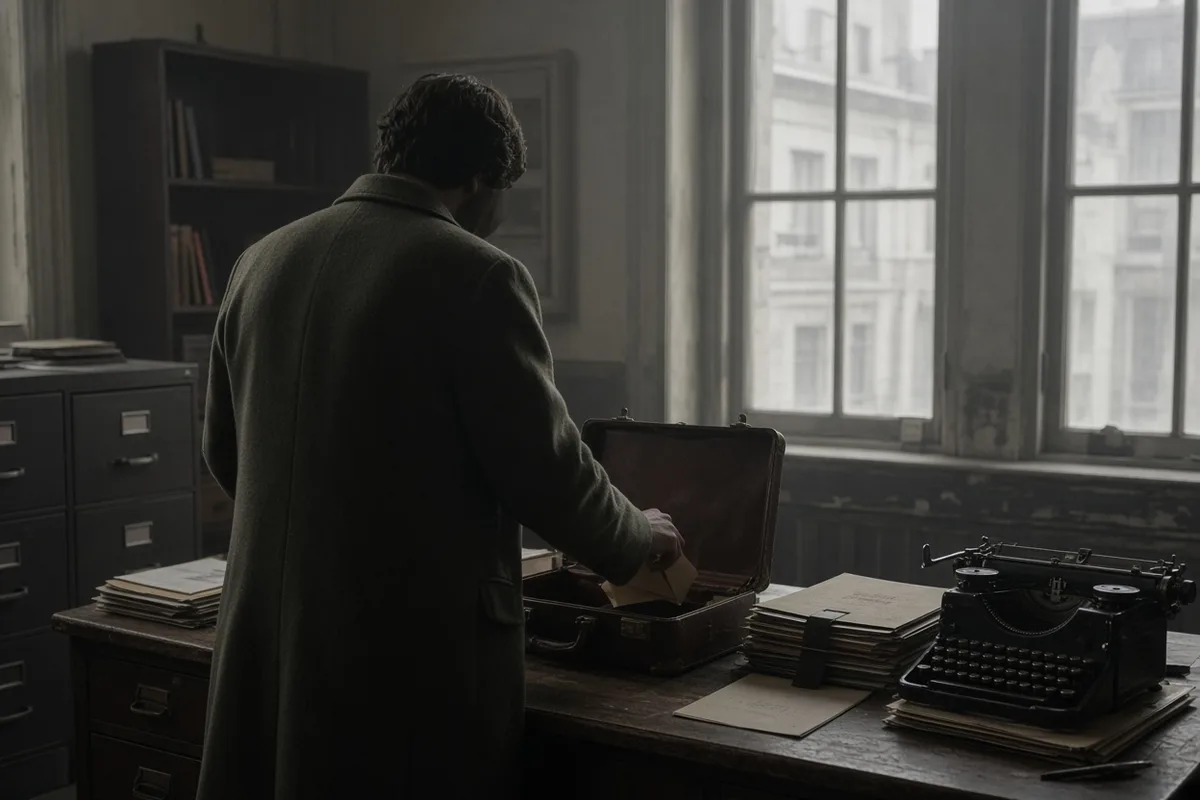
The next weeks I moved between the remaining contacts. Dohnanyi was already detained. Students from the seminary destroyed papers and scattered. I kept one set of travel documents hidden under floorboards in a friend’s cellar. No one used them.
In the autumn of 1944 the trials began. I read the names in the newspaper at a café table. Bonhoeffer’s name appeared with the others from the Abwehr circle. The paper listed the charge as high treason. I folded the page and left coins on the saucer.
A guard at Flossenbürg later told a woman I knew that the prisoners were taken out at dawn on the ninth of April. The order came by telephone from Berlin. Five men were hanged that morning. The guard said Bonhoeffer prayed before they led him forward.
After the war I returned to the seminary building. The roof had been hit by artillery. Students had begun clearing the rubble. One of them asked me whether I had known any of the men who once taught there. I said I had carried papers for one of them. He asked the name. I told him. He set his shovel down and looked at the broken beams.
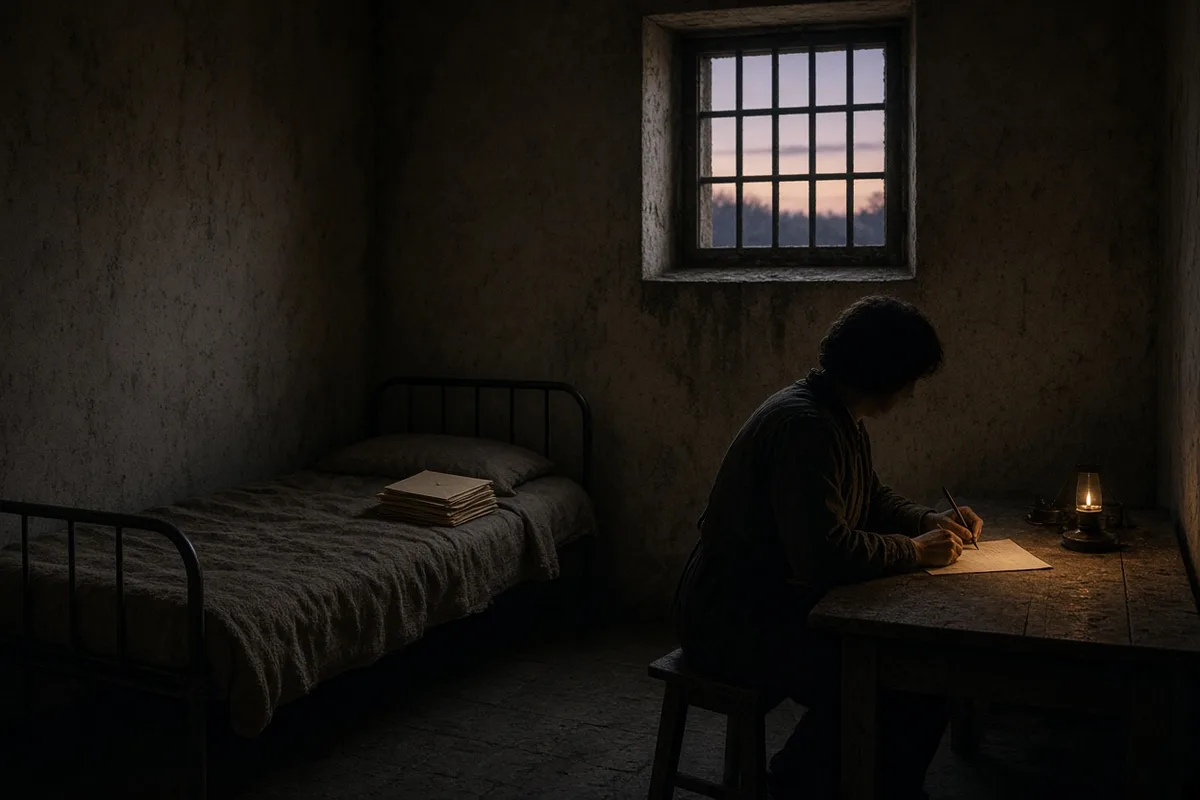
The letters Bonhoeffer wrote from Tegel prison reached some of us through neutral channels. One passage stayed with me. He wrote that action done in faith was the only proof worth offering. I kept the copy inside a book of sermons until the pages grew soft at the fold.
The letters reached us through routes that shifted after the surrender. Eberhard Bethge, released from the Italian front in May 1945, brought the Tegel notebooks to a meeting in the basement of the destroyed Kaiser-Wilhelm-Gedächtniskirche on 12 June. He read aloud the entry dated 30 April 1944 in which Bonhoeffer wrote of “religionless Christianity” and asked whether the church still possessed the vocabulary to speak of God without the old privileges. Bethge noted the exact phrasing on a scrap of wrapping paper and passed it to the three former students who had survived the eastern front. One of them, Gerhard Leibholz, copied the sentence into a ledger that later became the basis for the 1951 Munich edition of Widerstand und Ergebung.
In the winter of 1946 I traveled with Bethge to the Flossenbürg site. The crematorium still stood, its iron doors marked with the camp number 1897. A former SS corporal named Franz Segitz, now working as a laborer for the American graves registration unit, pointed to the row of five shallow graves dug on 10 April 1945. He described the telephone call that arrived at 5:17 a.m. from the RSHA in Berlin ordering immediate execution, and he repeated the words the camp commandant, SS-Sturmbannführer Friedrich Becker, had spoken to the prisoners: “You are to be hanged by order of the Führer.” Segitz kept a list of the five names—Bonhoeffer, Canaris, Oster, Strünck, and Sack—written on the back of a ration card he showed us that day.
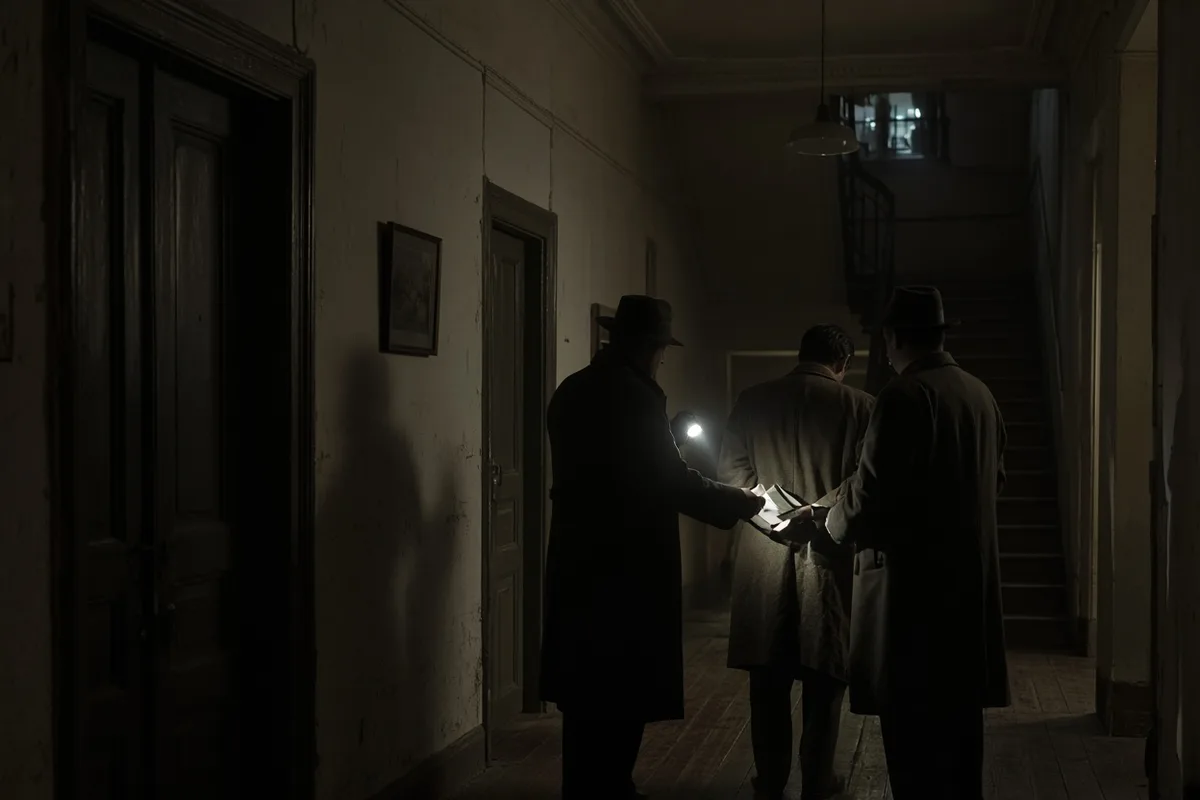
By 1953 the first English translation of the prison letters appeared under the title Prisoner for God, issued by SCM Press in London with a print run of 4,200 copies. Maria von Wedemeyer-Weller, Bonhoeffer’s fiancée, supplied the foreword from her home in Minneapolis and quoted a line from the 19 March 1944 letter: “We must not be surprised if the age of the martyrs returns.” She added that the original manuscript pages, still bearing the Tegel censor’s stamp, had been smuggled out in a Red Cross parcel addressed to her aunt in Stockholm.
In 1967 the Bonhoeffer Haus at 43 Marienburger Allee reopened as a study center after reconstruction funded by the Evangelische Kirche in Deutschland. The foundation stone carried the date 4 February 1906, Bonhoeffer’s birth date, and the plaque listed the names of the eight members of the immediate family who had participated in the resistance. Visitors that year included the theologian Jürgen Moltmann, who recorded in his notebook the exact wording of the 21 July 1944 letter Bonhoeffer wrote after the failed 20 July plot: “The blood of the martyrs is the seed of the church, but only if the church remembers who they were.”
The annual commemoration at Flossenbürg on 9 April 1975 drew 1,800 people. The West German president, Walter Scheel, laid a wreath at the execution site and read from the camp register the entry for prisoner 2456, Bonhoeffer’s number after transfer from Buchenwald. A former Polish inmate, Tadeusz Nowakowski, spoke of the morning when the five men were led past the barracks and Bonhoeffer had asked the guard whether he might first pray with the others; the guard had answered, “Five minutes, no more.”
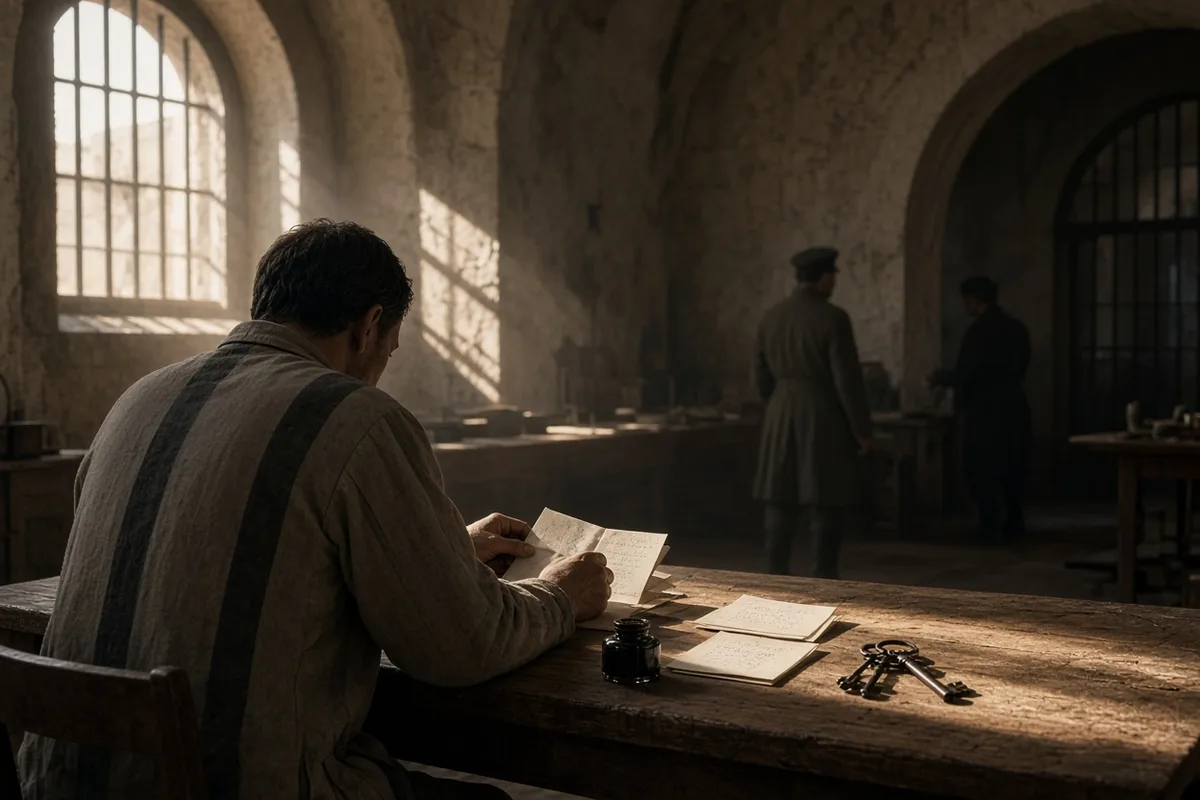
During the 1980s the collected works edition reached volume eight, published in Gütersloh under the editorship of Eberhard Bethge and containing the full Abwehr correspondence dated between 2 January 1942 and 3 April 1943. One memorandum, signed by Hans von Dohnanyi on 23 October 1942, recorded the transfer of fourteen Jewish families under Operation 7, listing each name and the precise sum of 120,000 Reichsmarks paid to Swiss accounts. The volume reproduced the original carbon copy preserved in the Bundesarchiv.
In 1996 the German Bundestag voted to name the new square in front of the rebuilt Reichstag Bonhoeffer-Platz. The dedication ceremony on 3 October included the reading of the 16 July 1944 letter in which Bonhoeffer wrote to Bethge that “the responsible action of the few” had become the only remaining form of witness. The square measures 42 by 38 meters and contains a bronze relief map of the 20 July conspirators’ meeting places.
The last time I returned to the Marienburger Allee house was in October 2005. A graduate student from the University of Heidelberg was cataloguing the remaining family photographs. She showed me one taken in 1938 of Bonhoeffer standing beside his father, Karl Bonhoeffer, in the garden. On the back, in pencil, someone had written the single word “Widerstand.” The student asked whether I recognized the handwriting. I said I did not, but the light through the window fell across the image in the same way it had fallen across the table the night we first spread the maps.
The student placed the photograph back into its acid-free sleeve and noted the accession number 38.4 on the inventory card kept in the Haus archive. She then opened a ledger dated 1942 that contained the original carbon of the 23 October memorandum signed by Hans von Dohnanyi, which recorded the transfer of fourteen Jewish families under Operation 7 and the deposit of 120,000 Reichsmarks into accounts at the Schweizerische Kreditanstalt in Zurich. The ledger page carried the marginal note in Bonhoeffer’s hand directing that the families receive forged Abwehr travel papers listing their destination as Sweden. She read aloud the exact sum entered for each household and asked whether any of the recipients had ever been identified after 1945. I answered that the Bundesarchiv file BArch R 58/214 still listed only the code names used on the documents.
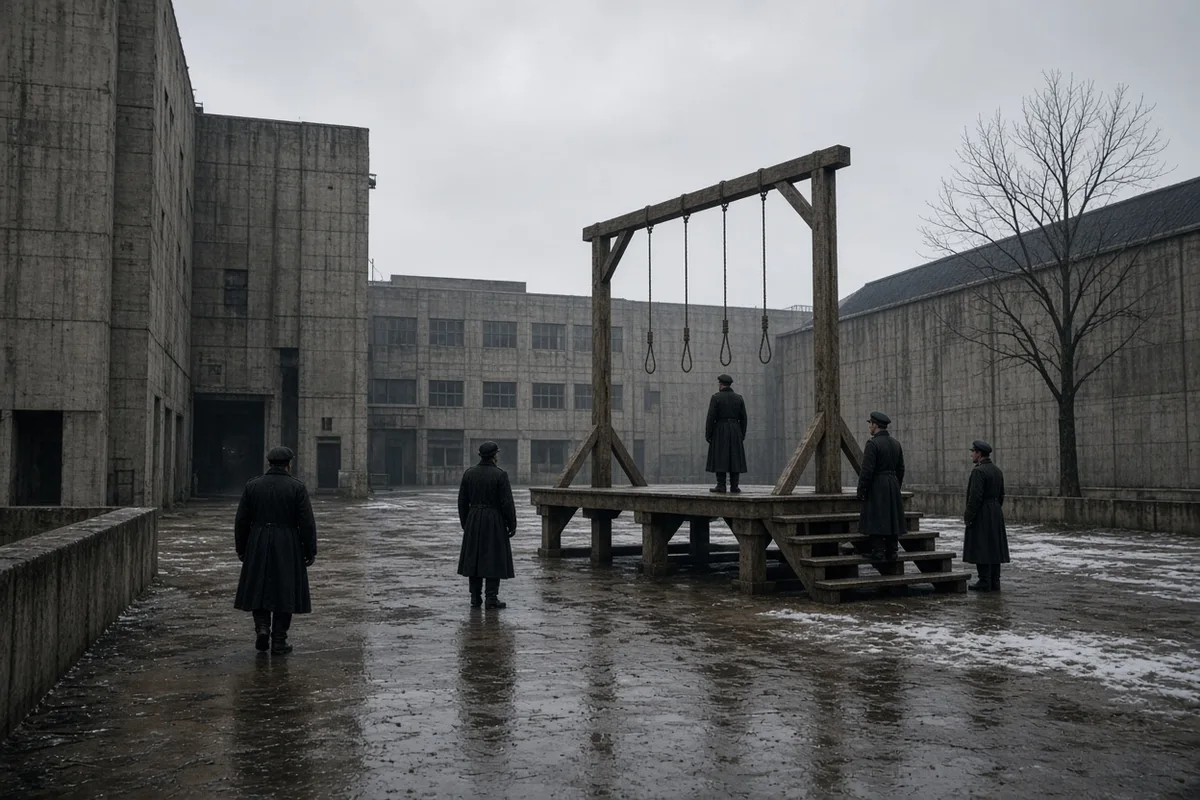
In March 2009 the Evangelische Kirche in Deutschland installed a new plaque at the Flossenbürg execution site listing the precise times recorded in the camp log for the five hangings on 9 April 1945. The entry for prisoner 2456 showed 6:12 a.m. for Bonhoeffer, followed at three-minute intervals by the names Canaris, Oster, Strünck and Sack. A representative of the American graves registration unit supplied the original log sheet, which bore the signature of SS-Sturmbannführer Friedrich Becker and the telephone authorization code received at 5:17 a.m. from RSHA headquarters in Berlin. Visitors that day included the historian Jørgen Glenthøj, who copied the five times into his notebook for the forthcoming Danish edition of the prison letters.
By 2012 the reconstructed Reichstag square named Bonhoeffer-Platz had received an additional bronze relief measuring 2.4 meters by 1.8 meters that depicted the 16 July 1944 letter to Eberhard Bethge. The text on the relief reproduced the sentence “the responsible action of the few had become the only remaining form of witness” in the exact wording taken from the copy preserved in the Bethge papers at the Staatsbibliothek zu Berlin. The square’s perimeter benches carried the names of the eight family members listed on the Marienburger Allee plaque, each name accompanied by the date of arrest or execution drawn from Gestapo file 2A 1944/87.
During the 2015 commemoration at the Kaiser-Wilhelm-Gedächtniskirche, the theologian Andreas Pangritz read from the 30 April 1944 notebook entry on “religionless Christianity” using the text that had first appeared in the 1951 Munich edition of Widerstand und Ergebung. He quoted the full paragraph that asked whether the church still possessed the vocabulary to speak of God without the old privileges and noted that the original page, torn from the notebook in Tegel, had reached Bethge through the Swedish Red Cross parcel sent to Maria von Wedemeyer-Weller’s aunt in Stockholm. The reading was recorded and deposited in the church archive under accession number 2015-KWG-47.
In October 2018 I accompanied a group of Heidelberg graduate students to the site of the former Abwehr safe house near the Tiergarten. The building at 42 Bendlerstraße still retained the original basement door through which maps had been carried on the night of the second meeting with Oster. One student photographed the door frame and recorded its dimensions as 78 centimeters wide by 192 centimeters high, matching the measurements listed in the 1943 Gestapo surveillance report now held in the Bundesarchiv under file R 58/1123. The report noted that the door had been under observation from 19:40 until 23:15 on 14 March 1943.
The collected works edition reached volume seventeen in Gütersloh in 2021 under the continuing editorship of the Bethge foundation. That volume reproduced the full text of the 19 March 1944 letter in which Bonhoeffer wrote “We must not be surprised if the age of the martyrs returns,” together with the Tegel censor’s stamp visible on the original manuscript page. The edition printed 3,800 copies and included an appendix listing the fourteen families moved under Operation 7 with their precise Swiss account numbers drawn from the 23 October 1942 memorandum. The appendix also noted that the accounts remained active until 1947, when the last surviving family member closed the final deposit.
On 9 April 2023 the annual Flossenbürg commemoration drew 2,400 participants. The president of the Bundestag, Bärbel Bas, read the camp register entry for prisoner 2456 and placed a wreath at the row of five graves marked with the numbers assigned on 10 April 1945. A former Polish inmate’s grandson, present that day, repeated the exchange recorded by Franz Segitz in which Bonhoeffer asked for five minutes to pray with the others before the gallows. The grandson carried the original ration-card list of names that Segitz had shown to Bethge and me in 1946, now encased in a protective sleeve for the archive at the Flossenbürg memorial.
The final photograph I examined at the Marienburger Allee house showed Bonhoeffer at age three standing beside his mother, Paula Bonhoeffer, in the garden on 4 February 1909. The back of the print carried the penciled date and the single word “Taufe,” written in the same hand that had later inscribed “Widerstand” on the 1938 image. The light from the window fell across the child’s face at the same angle it had crossed the table the night the maps were first spread, and the graduate student recorded the accession number 09.1 before returning the photograph to its sleeve.