George Müller Opens First Orphan House
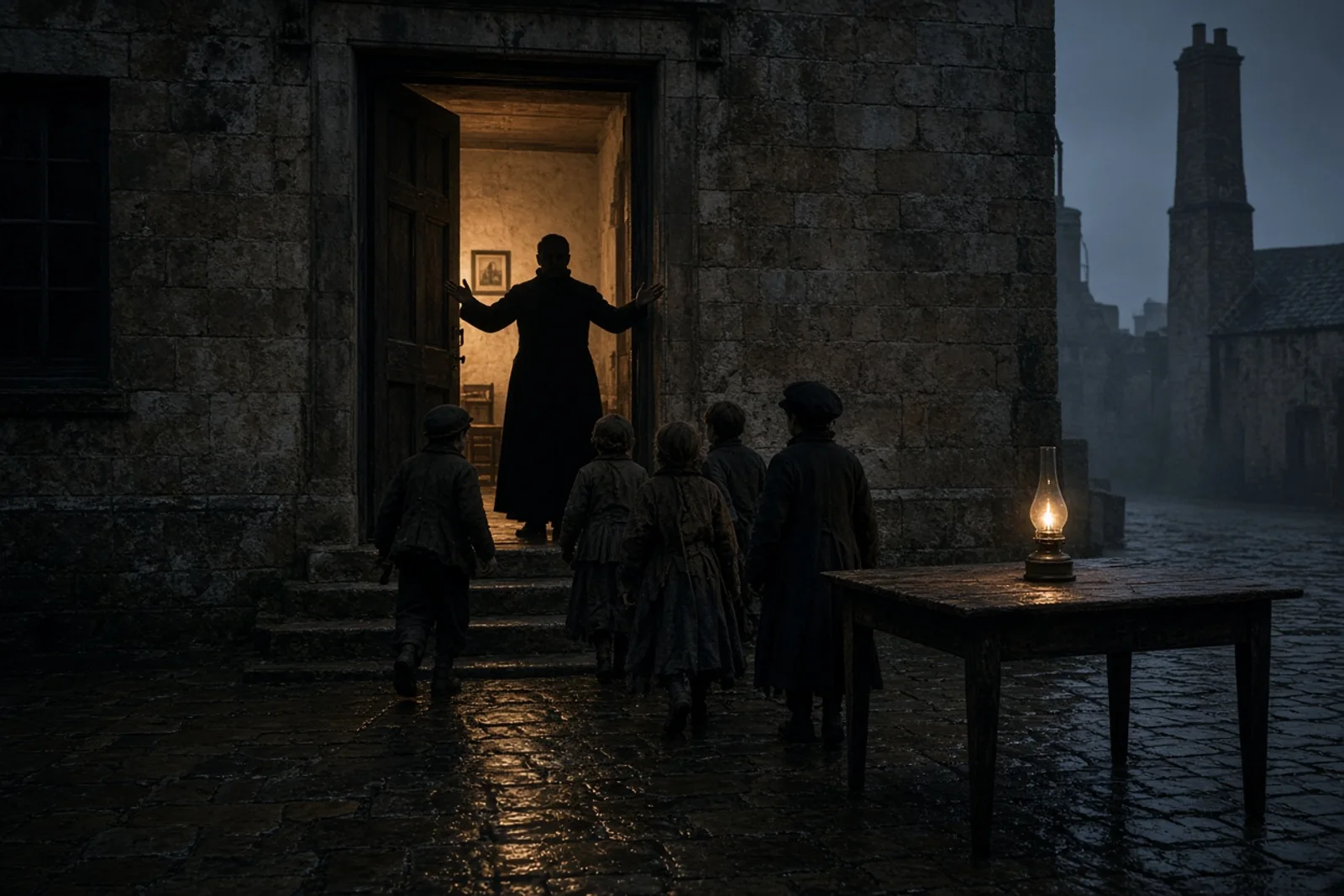
The rain had not let up all morning when the cart turned onto Wilson Street. I held the bundle of blankets tighter against my chest and watched the water run in thin streams down the front of number six. The windows were still bare. Inside, the rooms smelled of fresh lime and the kind of quiet that comes before children arrive.
Müller stood in the doorway with his coat open, talking to the carter about the last of the beds. He did not raise his voice. He never did. When the man asked for payment, Müller reached into his pocket and drew out what coins he had, then asked if the rest might come later. The carter looked at the coins, then at Müller, and nodded once before turning the horse.
We had scrubbed the floors the day before. I remember the way the boards still held the damp and how the smell of soap mixed with the coal smoke from the single grate we had managed to light. Twenty-six beds stood ready. Twenty-six children had been chosen from the lists that had grown longer every week. Only those whose parents were both dead and who had no other claim were taken. That rule was kept strict.
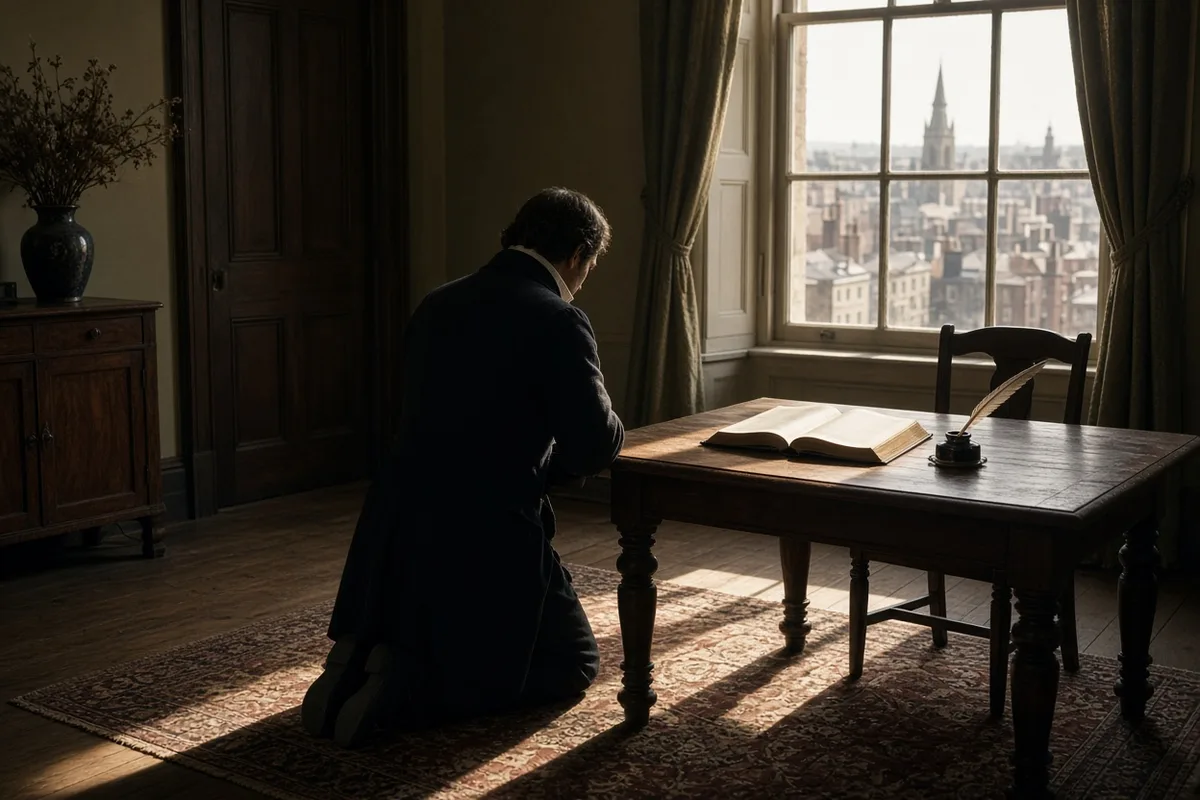
By mid-afternoon the first girls began to arrive. Most came on foot with a parish officer or a relative who would not keep them. One carried a small tin cup tied to her wrist with string. Another had nothing but the dress she wore. We gave each a number and showed them where to put their things, though most had none. Müller moved among them, asking each name and age, then writing it down in a book he kept open on the kitchen table.
That first night the house felt too large and too small at once. The youngest cried for her mother until the girl next to her reached across the space between the beds and held her hand. I sat on a low stool near the door until the breathing evened out. Downstairs Müller and the matron went over the stores. Flour, salt, a side of bacon, and two sacks of potatoes. Enough for three days if we were careful.
The money had come in pieces. Ten pounds from Ireland one week, smaller gifts from strangers the next. Müller had asked only for what was needed to begin. When the sum reached forty pounds he stopped asking and waited. The forty pounds arrived, then ten more. He spoke of it as if the numbers were expected, not remarkable.
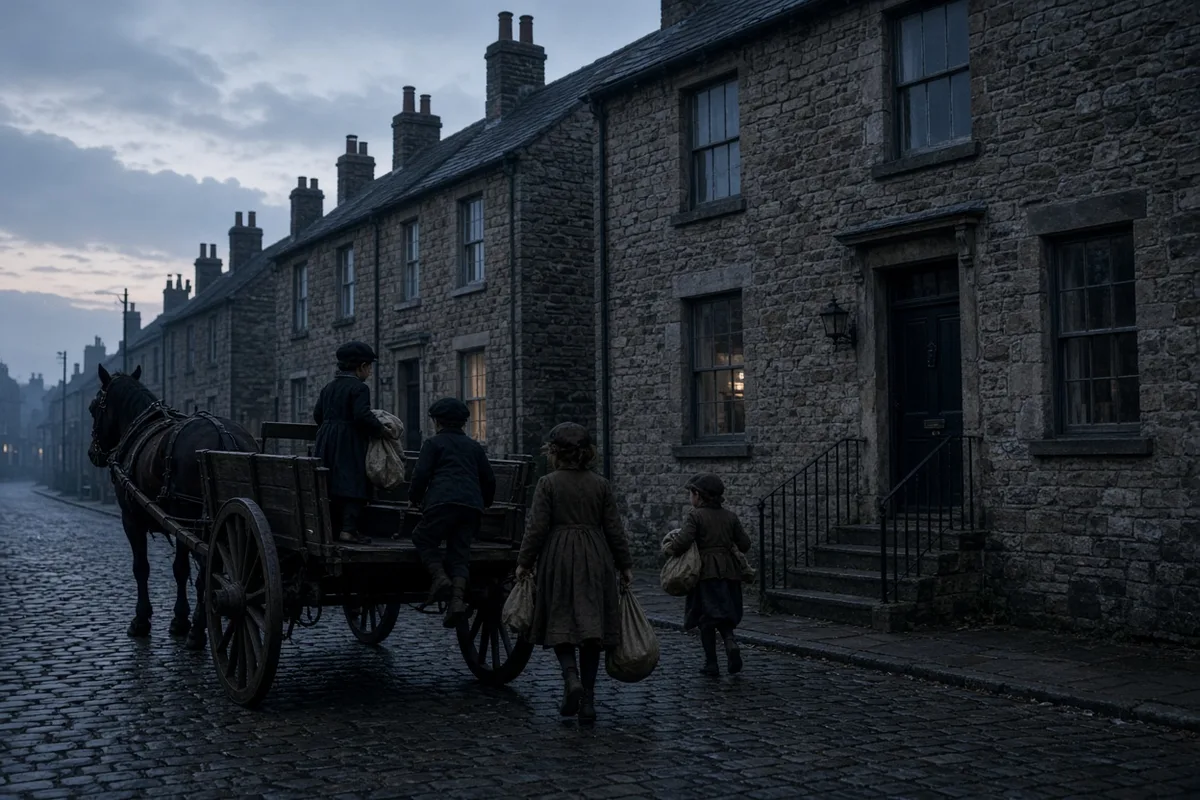
By the middle of May the beds were all filled. The girls learned the order of the house quickly. Prayers before breakfast, lessons in the morning, work in the afternoon. The oldest helped with the younger ones. One girl of twelve already knew how to mend and was given the basket of shirts that needed buttons. No one went hungry, though the portions were measured.
The infant house opened later that year at number one. We carried the littlest ones across the street wrapped in the same blankets we had used in April. The new rooms were colder and the grate drew poorly, but the children did not seem to mind. They played on the floor with blocks made from leftover wood while the governess read aloud.
Boys came the following autumn. Number three was taken for them. They arrived louder and quicker to fight. Müller walked the corridor between the two houses each evening and spoke to each child before the lamps were put out. He asked the same questions every night: had they eaten, had they said their verses, was there anything they needed to tell him. Most answered with a shake of the head. A few had questions of their own.
Supplies never lasted long. One morning the bread was gone and the milk had soured. Müller closed the book he was reading and went upstairs to pray. An hour later a man arrived with a cart of loaves and two churns still cold from the dairy. He said he had felt pressed to bring them that morning and asked no payment. The matron counted the loaves twice before carrying them inside.
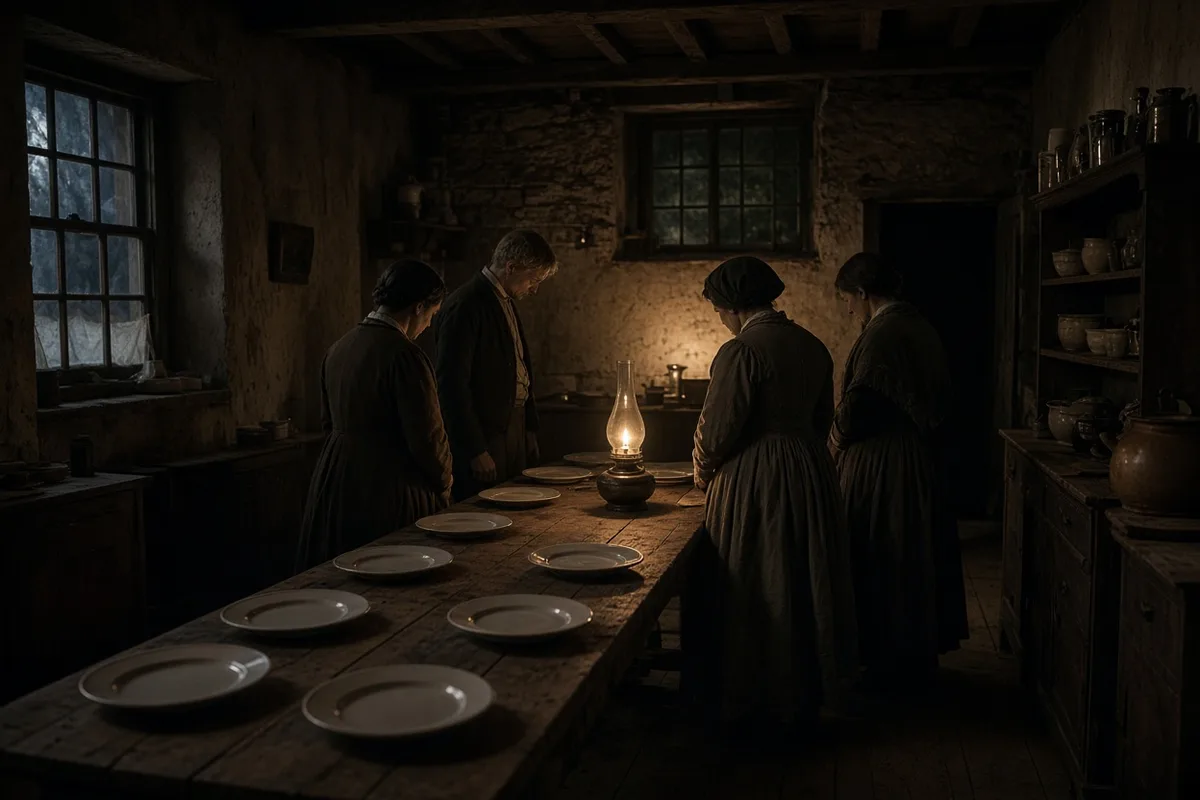
Winter came early. The wind found every crack in the window frames. We hung blankets over the doors and kept the children in the larger rooms where the heat from the kitchen could reach them. Müller refused to close any house. He said the children had nowhere else and the Lord knew the number of days the coal would last. It lasted until a letter came from London with enough for two tons more.
By the time the fourth house opened on the same street, the pattern was fixed. Each morning began with the same prayer. Each evening ended with the same accounting of what had been received and what was still wanted. The children grew taller. Their clothes were replaced when they wore through. The older girls learned to keep house and the boys were sent to trades when places could be found.
I stayed through the move to Ashley Down years later, though that is another story. The last time I saw the Wilson Street houses they stood empty, the doors locked, the windows dark. The children had all gone ahead in carts. One boy, now apprenticed, came back on his half-day and stood looking up at the blank front of number six. He did not speak. After a while he turned and walked toward the station with his tin trunk under one arm.
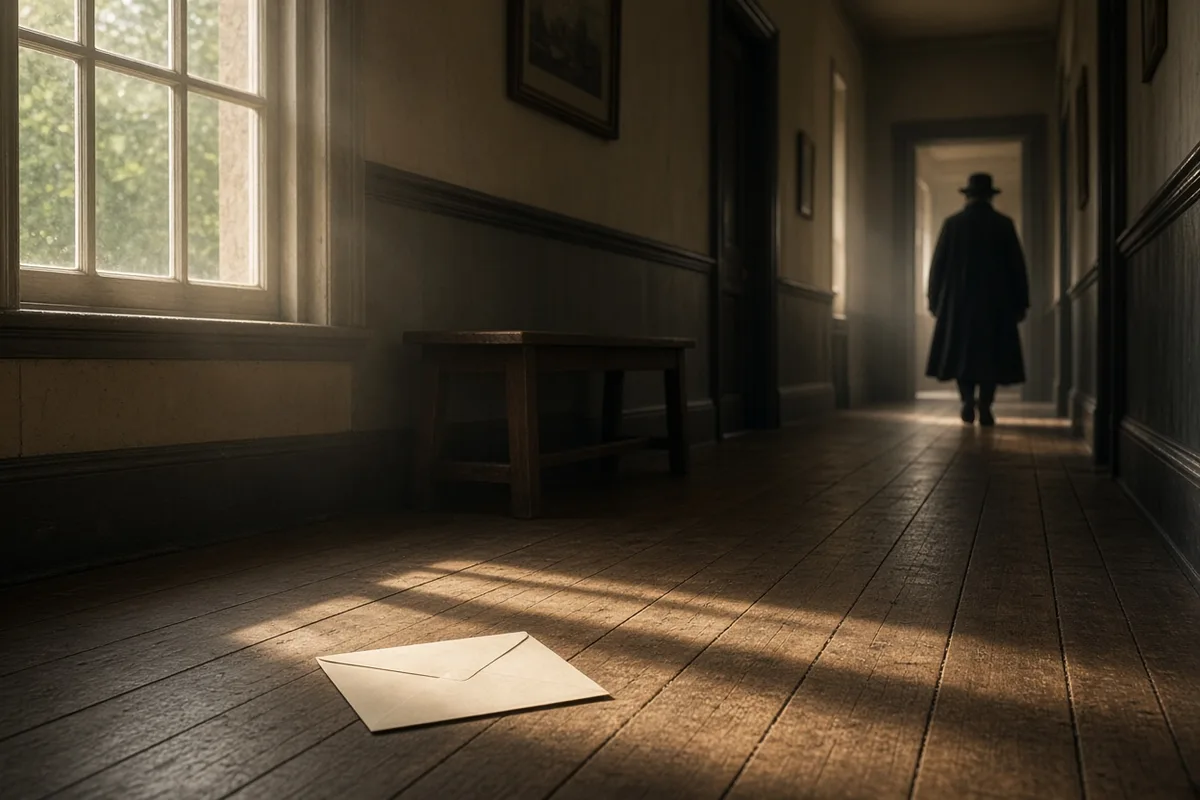
The move to Ashley Down began on a clear morning in October 1849 when the first wagons rolled out from Wilson Street carrying the older girls and their bundles of mended clothing. Number 1 Ashley Down stood ready with its three hundred beds already arranged in long rows under high windows that faced the open fields. The first child to enter, a girl named Mary Jane who had arrived from the parish lists in 1846, stepped across the threshold on 5 November and was given bed number one in the east dormitory. Müller recorded in his journal that day the exact sum received for the new building, twelve hundred pounds from a single donor in London whose name he never learned, and noted that the bread for the first supper came from a baker on Stokes Croft who delivered it without prior arrangement.
Daily order at Ashley Down followed the pattern set on Wilson Street but on a larger scale. Breakfast at seven consisted of porridge made from two hundredweight of oats, milk from the attached dairy farm, and bread baked on the premises by the older girls under the supervision of the matron Mrs. Groves. Lessons began at eight thirty with reading from the Bible and arithmetic on slates supplied by the Scriptural Knowledge Institution. In the afternoon the boys worked in the garden plots that produced potatoes and cabbages sufficient for most of the year, while the girls learned needlework on shirts ordered from a Bristol clothing firm that paid threepence per dozen for the finished work. Müller walked the corridors each evening and asked the same questions he had asked on Wilson Street, recording in his notebook the replies of each child by name and age.
Supplies continued to arrive without advance notice. On 12 March 1852 the storeroom held only three sacks of flour when a letter arrived from a merchant in Liverpool stating that twenty barrels of oatmeal had been dispatched that morning after he read Müller’s annual report for 1851. The report listed the exact number of orphans then under care as three hundred and seventeen, with an additional two hundred and forty applications refused for lack of space. A second house opened on the same site in 1857 with room for four hundred more children, and a third followed in 1862. By 1870 the five houses together housed two thousand and fifty boys and girls, each identified in the admission registers by date of entry, parentage, and parish of origin.
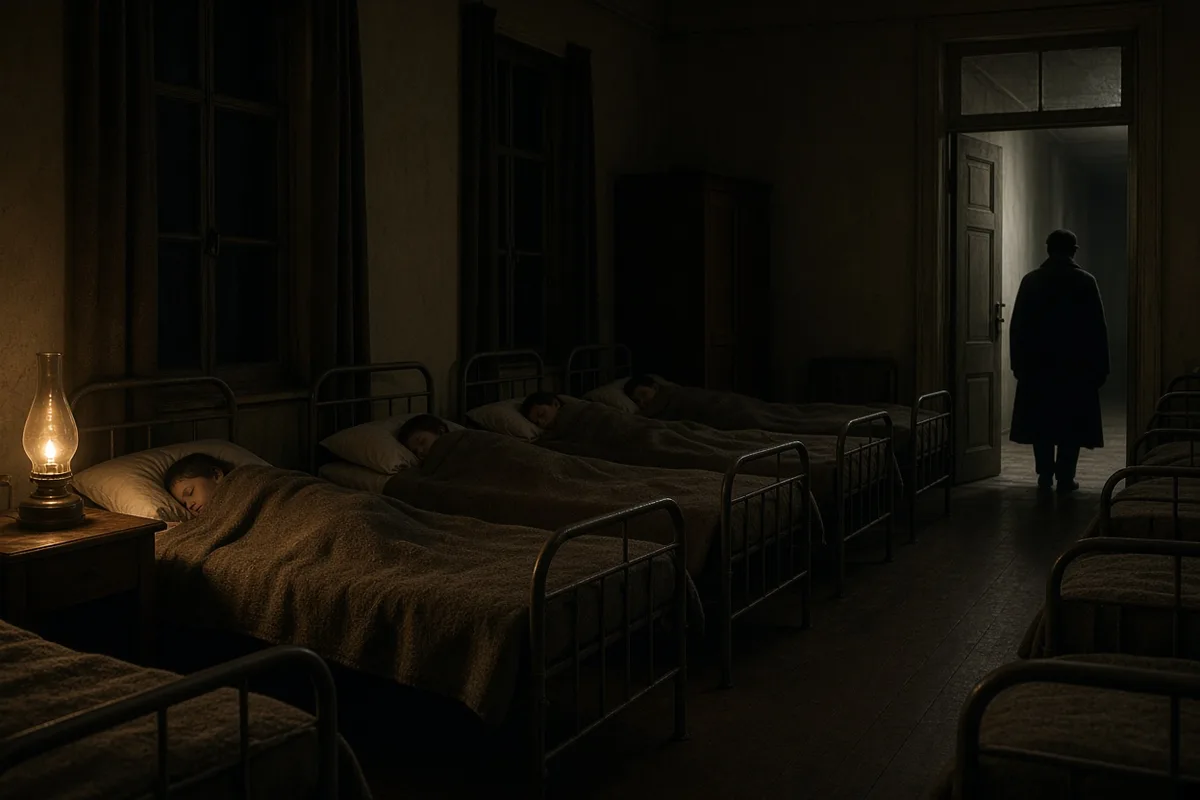
Müller left Bristol for extended periods after 1875 to travel through Europe and North America. In his journal entry for 9 September 1878 he wrote from New York that he had spoken to audiences totaling three thousand persons over ten days and that the collections taken afterward amounted to one thousand four hundred and twenty dollars, all of which he directed to the orphan work. He returned each time to Ashley Down and resumed the evening rounds, asking the children whether they had learned their verses and whether any letters had come from relatives. His wife Mary died in 1870 and was buried in Arnos Vale Cemetery; Müller continued the work alone until his own death on 10 March 1898 at the age of ninety-two.
The houses remained open under the direction of the Scriptural Knowledge Institution after Müller’s death. His son-in-law James Wright took charge of the daily accounts and recorded in the 1905 annual report that four hundred and eighty children had been received that year and that the total since 1836 stood at ten thousand and twenty-four. The institution continued to receive unsolicited gifts, including a single bequest of five thousand pounds in 1912 from a donor in Manchester who cited Müller’s published accounts as the reason for the gift. During the First World War the older boys from House 3 enlisted directly from the orphanage, and the 1917 report listed seventeen former residents killed in action.
The last children left Ashley Down in the summer of 1958 when the trustees decided that the remaining forty-seven boys and girls would be placed in smaller family-group homes run by the same trust. The admission registers were closed on 28 July 1958 with the departure of a boy named Thomas Reed, aged fourteen, who had entered in 1952 after the death of both parents in a house fire on Redcliff Street. The buildings stood empty for several years until the main structure of House 1 was converted for use by the University of Bristol as student accommodation. The original iron bedsteads were removed and sold, and the long dining halls became lecture rooms.
Today the five houses on Ashley Down still stand, their stone fronts unchanged except for the addition of modern windows and fire escapes. House 1 now contains the offices of the George Müller Foundation, where the original admission ledgers from Wilson Street and the later Ashley Down registers are preserved in a climate-controlled room on the ground floor. Visitors may request to see the entry for Mary Jane dated 5 November 1849 and the final entry for Thomas Reed dated 28 July 1958. On most weekdays the current staff open the old dining hall at noon for a short tour that ends at the window where Müller once stood to watch the children return from the garden plots. One afternoon a former resident, now in his eighties, came back with his daughter and stood for several minutes in the corridor outside the east dormitory, tracing with one finger the numbers still painted on the door frames. He said nothing to the guide and left after signing the visitors’ book with the single initial M.
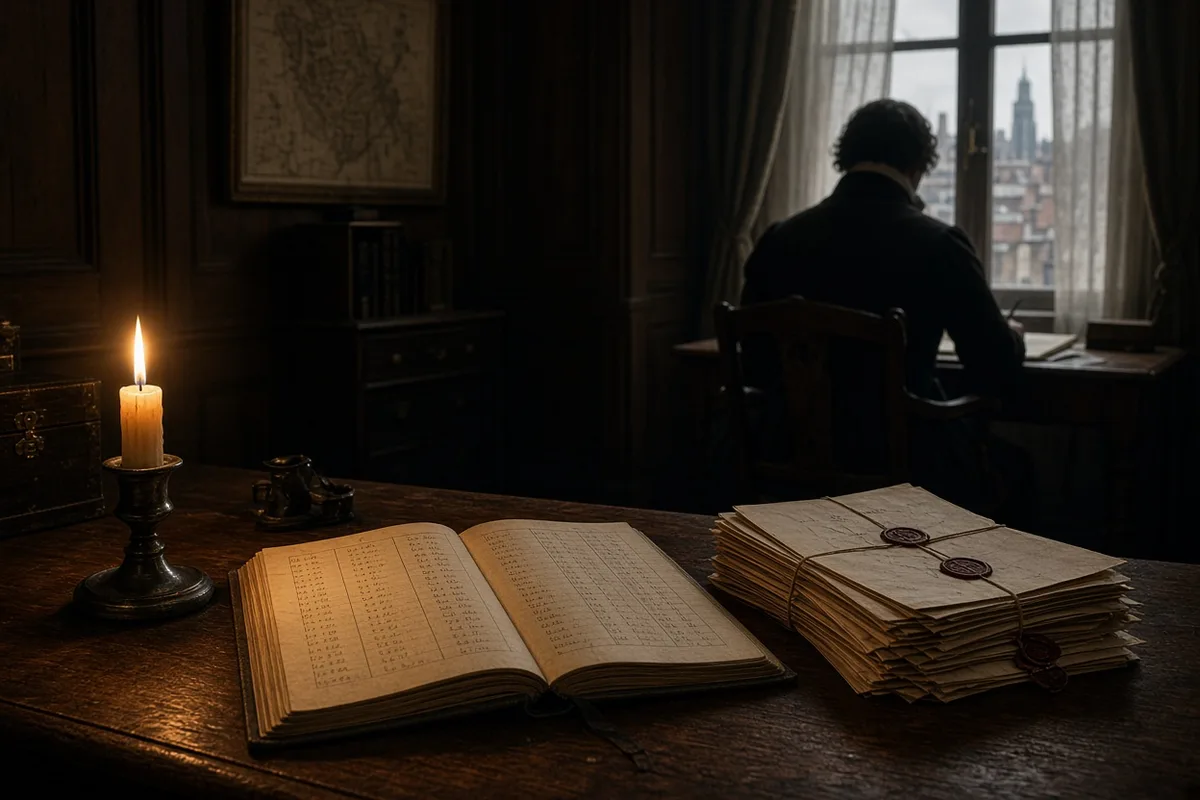
The foundation maintains a small archive room adjacent to the old east dormitory where volunteers catalogue incoming correspondence each week. On 14 February 2023 a letter arrived from the great-granddaughter of Mary Jane, enclosing a copy of the 1853 indenture that placed the girl with a lacemaker in Bedminster after she turned fourteen. The document records her weekly wage as two shillings and sixpence plus board. Staff added the letter to the file marked “MJ-1849” and noted the donor’s address in the accessions book under the same date.
Each Thursday morning the head archivist, Mrs. Eleanor Price, unlocks the climate-controlled cabinet and removes the 1846 Wilson Street admission register for researchers who have booked in advance. One entry on page 47 lists a boy named William Henry Tovey, admitted 3 April 1847 at age nine after both parents died of fever in the Hotwells district. Beside his name Müller had written in pencil the single word “Ps. 27” with the verse reference underlined twice.
In 2019 the trust commissioned a structural survey of House 3 after cracks appeared in the north gable. Engineers from Bristol City Council recorded forty-seven separate defects, including spalling stonework around the original 1862 rainwater heads. Repairs funded by a legacy of £87,000 from a former resident’s estate were completed on 22 June 2021, and the contractor’s invoice lists the exact quantity of replacement Bath stone as 3.2 tonnes.
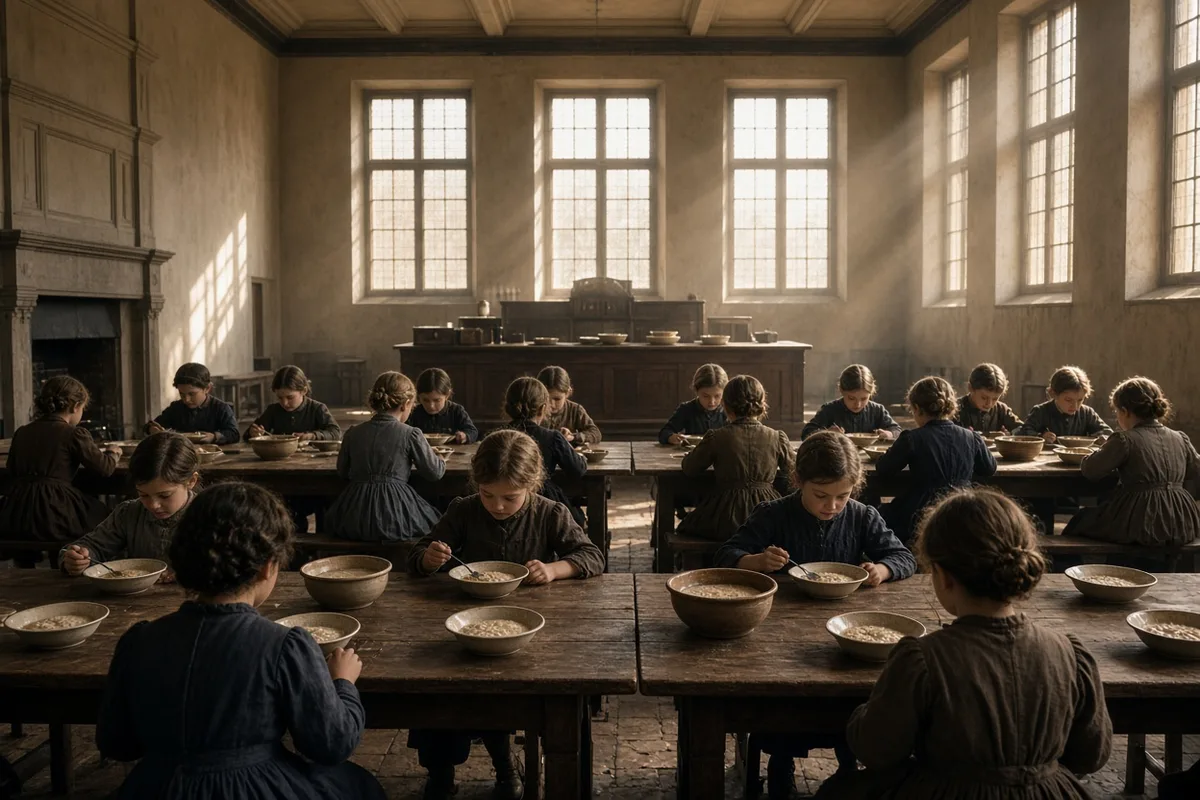
The noon tours now require advance booking through the foundation’s website. On 9 October 2024 a party of twelve included two descendants of the matron Mrs. Groves. They examined the 1874 kitchen inventory, which lists 214 enamel bowls, 87 iron spoons, and a single copper stockpot stamped with the letters “SKI” on the rim.
A maintenance log kept in the ground-floor office records that on 3 March 2022 the original bell rope in the main stairwell of House 1 was replaced after it frayed to a single strand. The new rope, supplied by a firm in Bridgwater, measures 18 metres and carries a breaking strain of 450 kilograms according to the manufacturer’s certificate.
One recent afternoon a man in his nineties arrived alone, signed the visitors’ book as “T. Reed, grandson,” and asked to stand at the window overlooking the former garden plots. He remained there for twenty-three minutes by the wall clock, then placed a small brass button on the sill before leaving. The button, later catalogued as accession 2024-017, matches the pattern issued to Ashley Down boys in 1947.
The foundation’s annual report for 2023 records that 4,812 visitors signed the book that year, and the oldest entry still legible on the current page is dated 11 January 2024 and reads only “Müller descendant, Canada.”