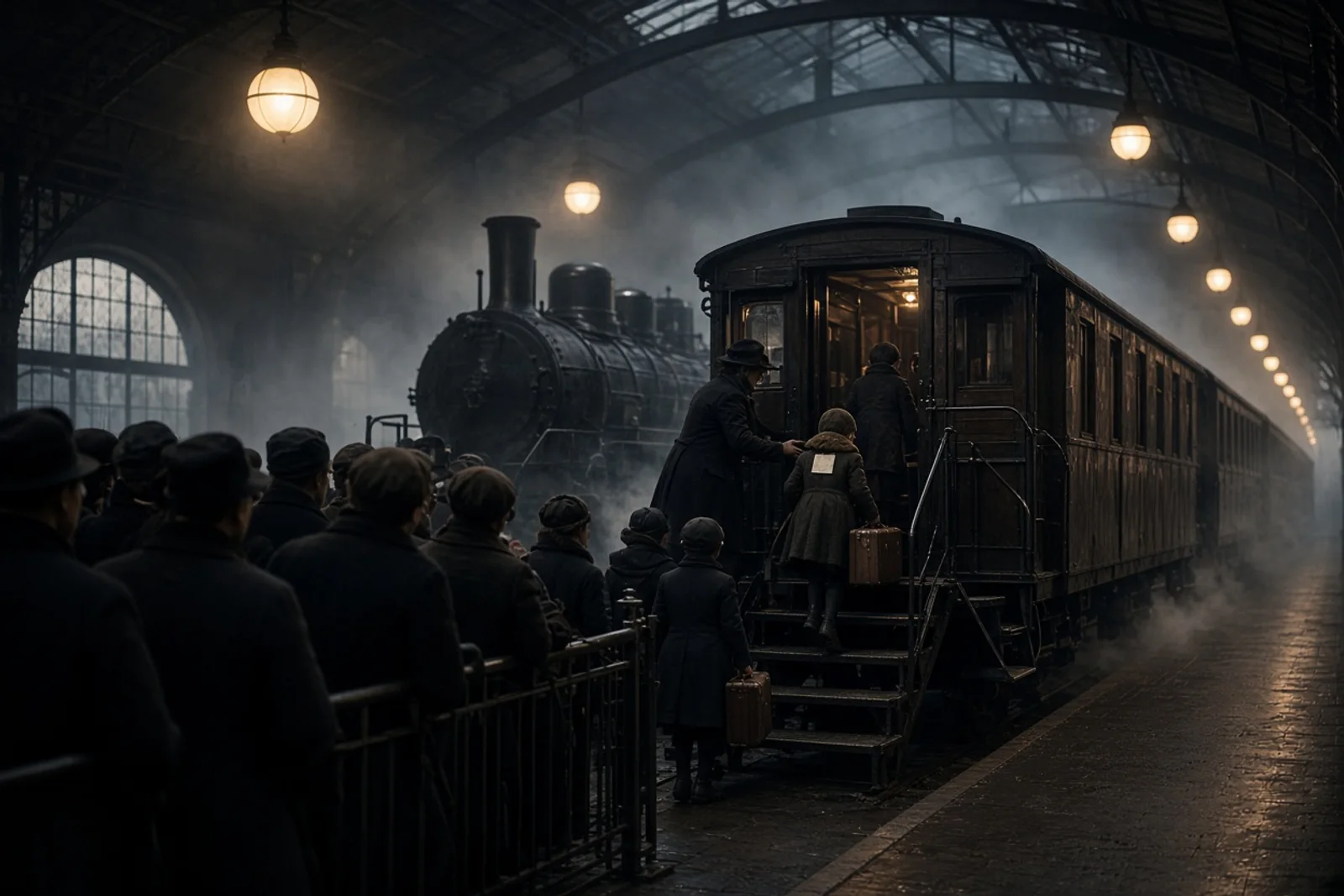
The Amish Forgive Nickel Mines Shooter
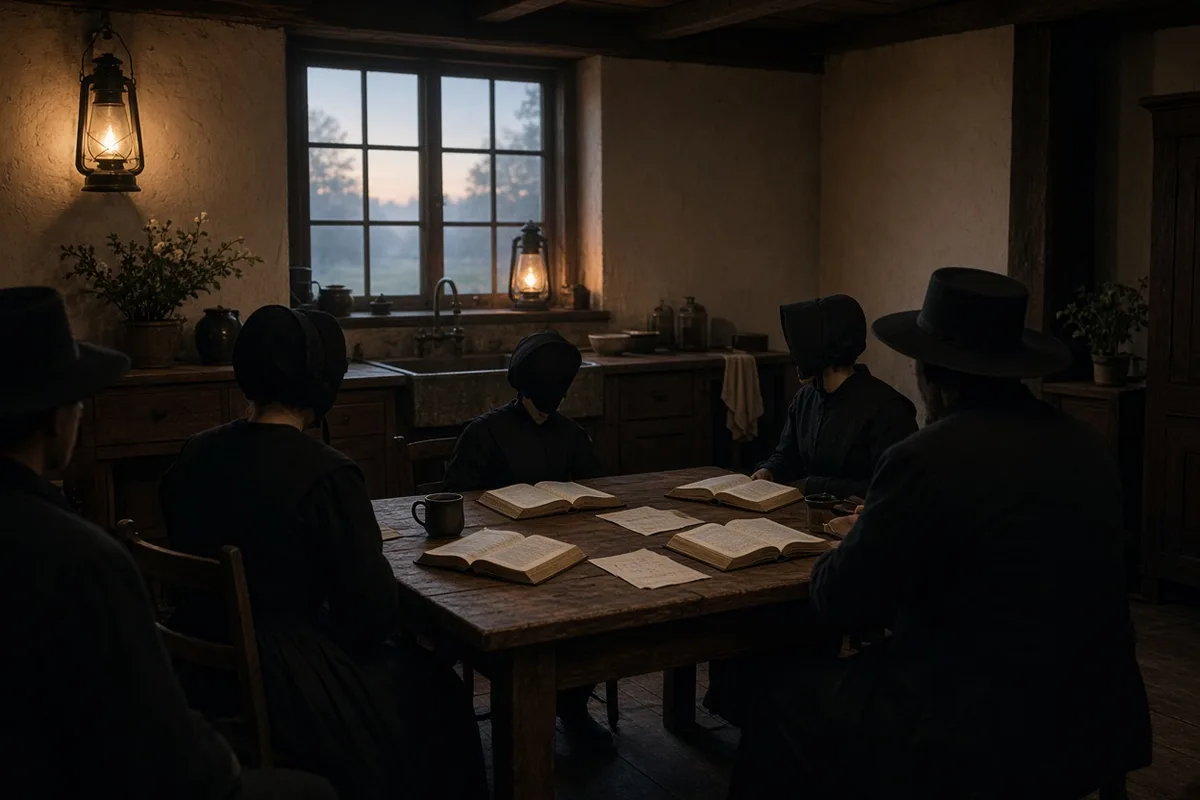
I was at Amos Smoker's place when Emma Mae Zook came running up the lane with her mother. Their dresses were hitched high, and the dust from the road clung to their shoes. Emma Mae said a man with a gun had taken the school. Amos grabbed the phone and dialed while I stepped outside to look toward the one-room building two fields over.
The morning air still carried the cool of early October. I walked the fence line first, then cut across the pasture with the two dogs at my heels. The school stood plain against the sky, no windows on the back wall. I pressed close to the siding and listened. Inside, girls' voices murmured low. One asked for water. Roberts answered sharp, telling them to stay still.
A state police car rolled past without stopping. I broke from the wall and sprinted to the road, waving both arms. The trooper swung around and parked hard. He spoke into his radio while I stayed low behind his door. More cars arrived. They set up behind trees and fence posts. Through the side window I could see the girls lined against the chalkboard, hands bound with plastic ties. Roberts moved among them with the pistol in one hand.
By eleven the crowd had grown. EMTs waited at the staging area down the lane. Roberts shouted through the glass that he would start shooting if the officers did not back off. The troopers answered over the loudspeaker, calm and steady, asking him to come out. He refused each time.
Two sisters near the front spoke up. Marian Fisher, thirteen, and her sister Barbara asked to be shot first. Their voices carried clear through the open window. Roberts did not answer them. He checked the chains on the door once more.
Gunfire started at eleven seven. Three shotgun blasts, then the pistol in quick succession. The first trooper reached the window as the last shot sounded inside. Roberts had turned the gun on himself. We heard the glass break as they forced entry.
Inside, blood covered every desk and chair. The girls lay where they had fallen. Two were already gone. Three others breathed but did not move. The troopers carried the living ones out to the waiting ambulances. One girl died in a trooper's arms before they reached the road.
The rest of that day passed in quiet work. Neighbors milked the cows at the affected farms. Women brought food to the houses where the families waited for news. By evening the word had spread that five girls had died and five more lay in hospitals. Roberts left four notes for his wife and children. One mentioned the daughter he and his wife lost years before.
The next morning an Amish grandfather told his young relatives not to hate the man who had done this. He said the words while they stood in the barn doorway, the cows already fed. Another father spoke of Roberts having a mother and a wife and now standing before God. These sentences passed from house to house without being written down.
That same afternoon several of us walked across the fields to the Roberts place. Henry, the neighbor directly across the road, knocked first. Chuck Roberts sat at the kitchen table with his head down. Henry placed both hands on his shoulders and held them there. He told Chuck they were still wanted as neighbors. The words were plain. Chuck did not lift his head for a long time.
Marie Roberts received us later. She had found the notes that morning and made her own call to the police. We stayed long enough to say the children would not be blamed. One man stayed with Chuck for nearly an hour, saying little after the first greeting.
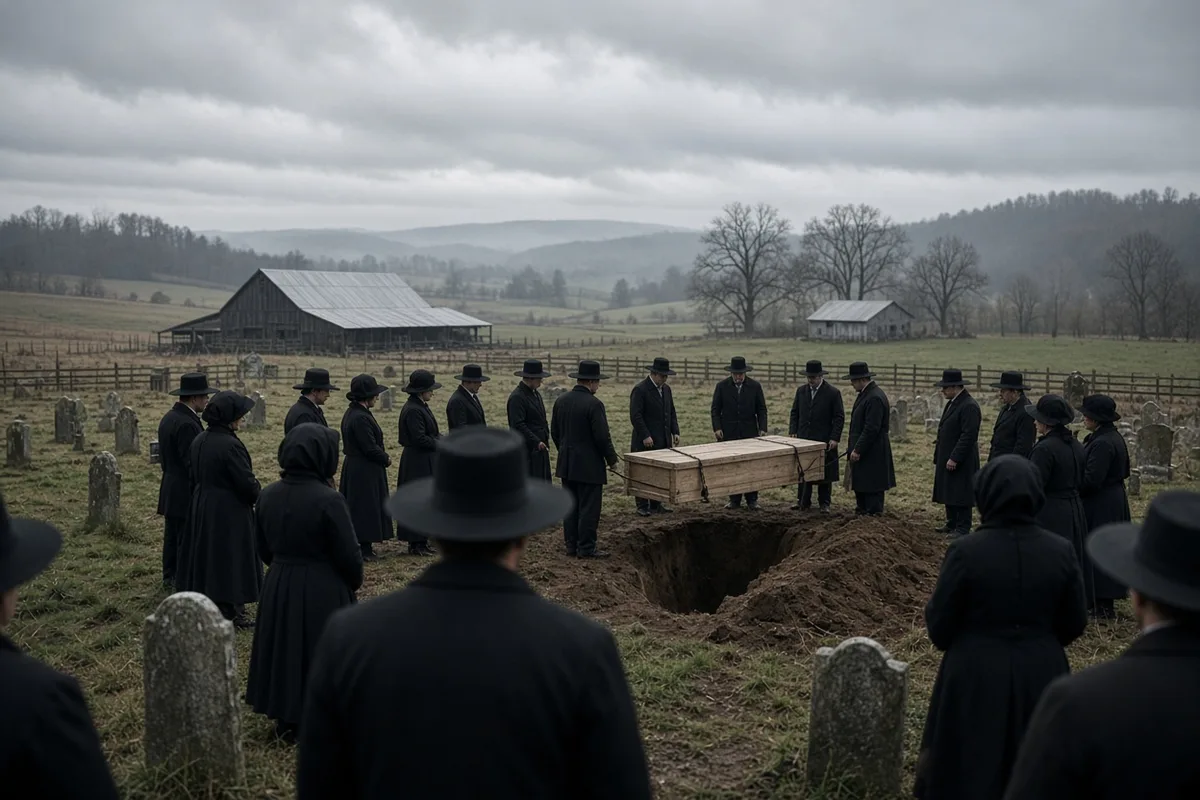
Thirty of us attended the burial for Roberts. We stood at the edge of the cemetery while the media trucks waited on the main road. Marie saw the circle form around her family. She later wrote that the presence felt like protection. The letter reached every house that had lost a daughter. It thanked us for the gifts and the visits and said the mercy had reached beyond the county.
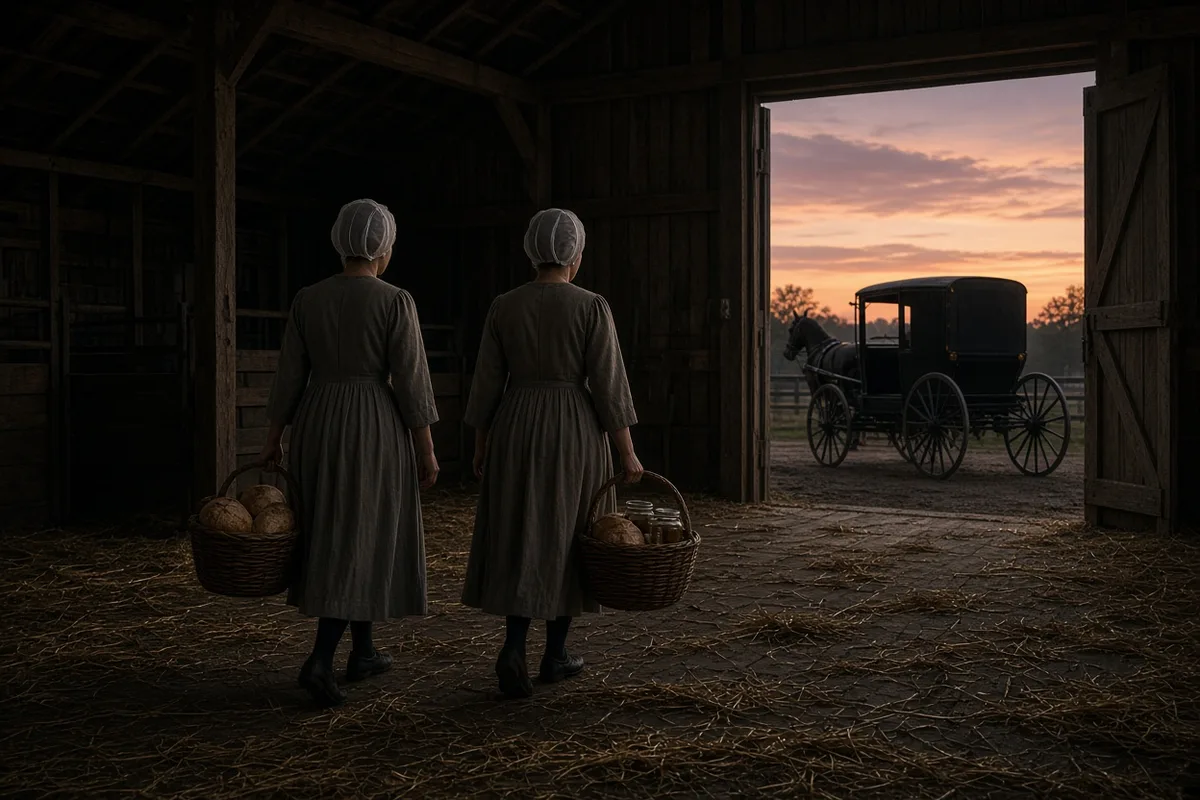
The schoolhouse came down within days. A new building rose at another location and was named New Hope. The five trees planted for the girls stand in a row now, their trunks still thin. The older boys who were released that morning still speak of the morning in counseling sessions. Some wake to the sound of helicopters and check the doors.
Marie Roberts continues to live nearby. On certain Sundays the widows from both sides of the road exchange quiet nods at the edge of a field. The milk truck route that once passed the school now takes a different lane, but the farms still send their cans to the same plant. The dogs at Amos Smoker's place still patrol the fence line at dusk.
The dogs at Amos Smoker's place still patrol the fence line at dusk. On October 4, 2006, Bishop Elam Fisher rode his gray mare to the Roberts kitchen door at 582 Georgetown Road and handed Marie Roberts an envelope containing $2,200 collected that morning from nine Bart Township farms. He told her the money came from the milk checks of the same men who had stood at Roberts' burial two days earlier in the Georgetown Cemetery. Marie later wrote in a letter dated October 12 that the envelope carried no return address and no signature, only the words "for the children" written in pencil on the outside. That same week, the Lancaster County coroner released the names of the five girls who had died inside the school: Naomi Rose Ebersol, age seven, Marian Stoltzfus Fisher, age thirteen, Mary Liz Miller, age eight, Lena Zook Miller, age seven, and Anna Mae Stoltzfus, age seven. The five survivors remained at Lancaster General Hospital under guard; one of them, seven-year-old Esther King, underwent three operations on her left arm before she returned home on November 2.
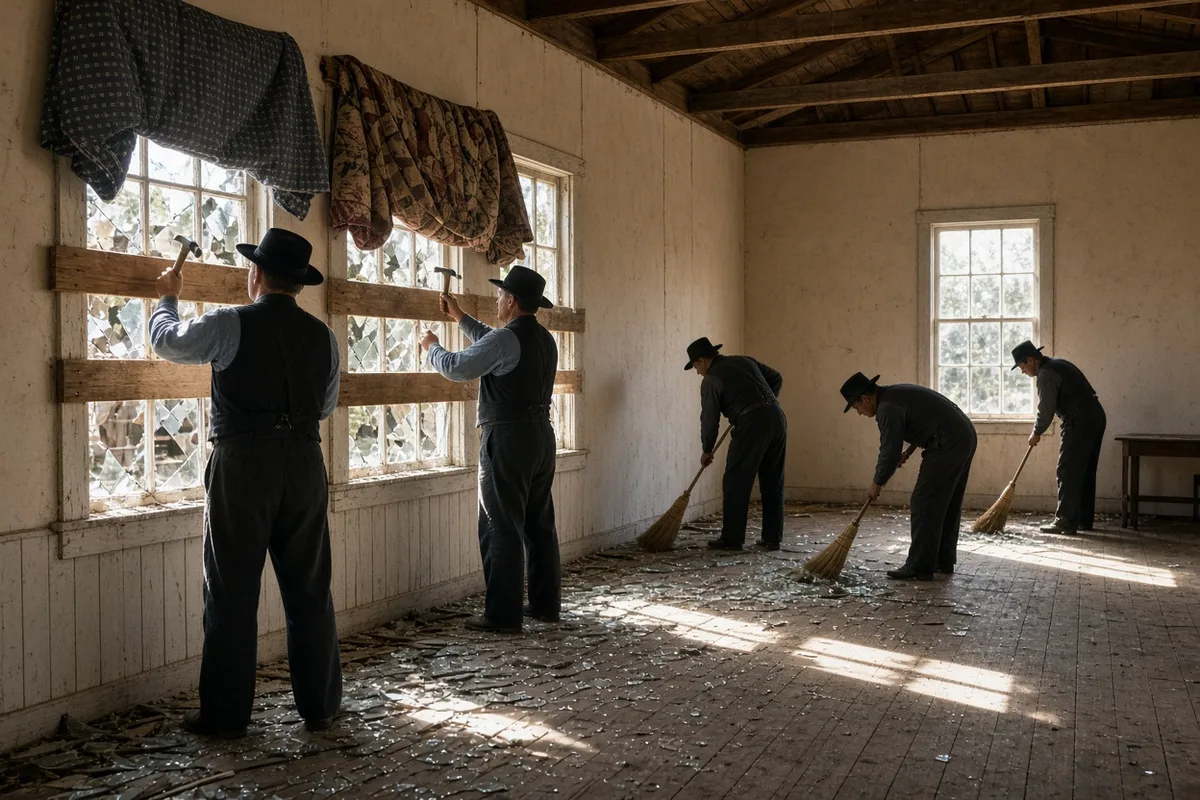
By the first week of November the old school at 6240 Mine Road had been dismantled board by board. The lumber was hauled to a sawmill in Leola where it was cut into fence posts that now stand along the southern boundary of Amos Smoker's pasture. A new one-room building called New Hope School opened on December 11, 2006, two miles east on a parcel donated by the Stoltzfus family. Ten children enrolled that first day, including the two Miller boys who had been released unharmed from the original school. The teacher, twenty-four-year-old Rebecca Esh, kept a logbook that recorded the exact time each morning the children arrived and the exact time they left. On the first day of classes she wrote that the boys asked whether the new door would be locked from the inside. She answered that it would not.
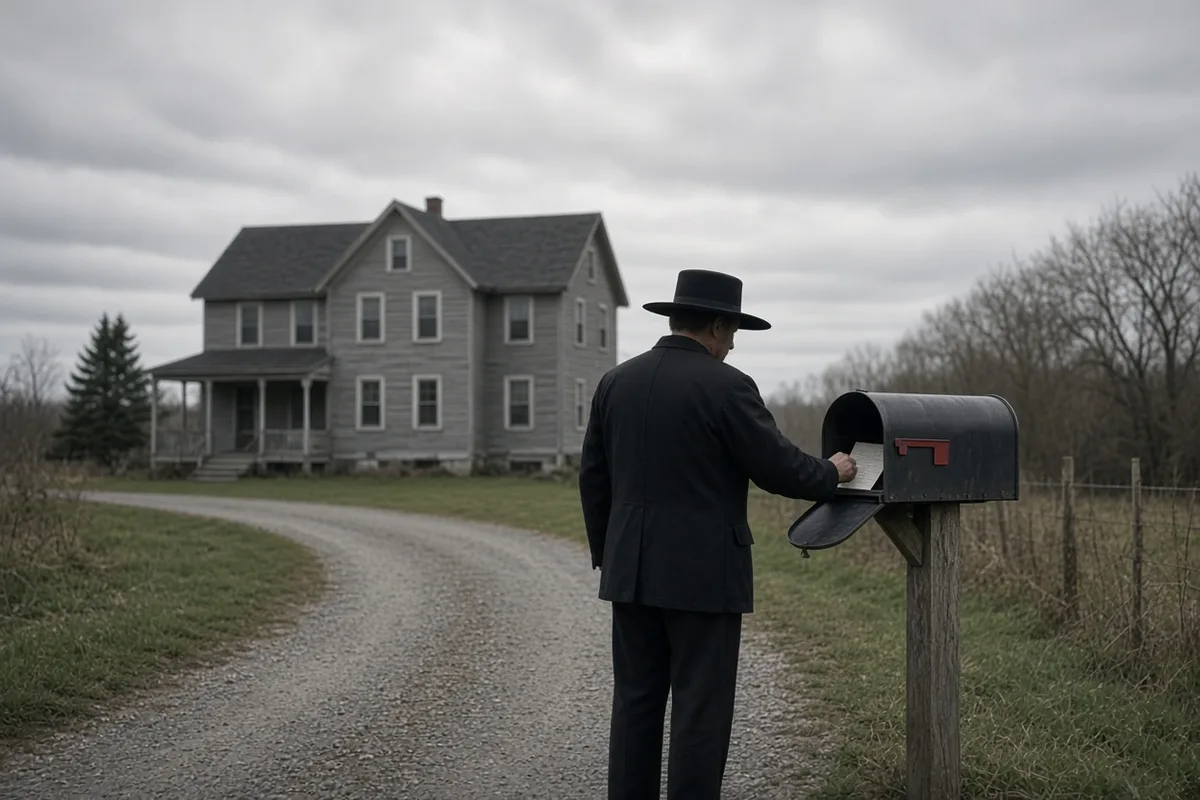
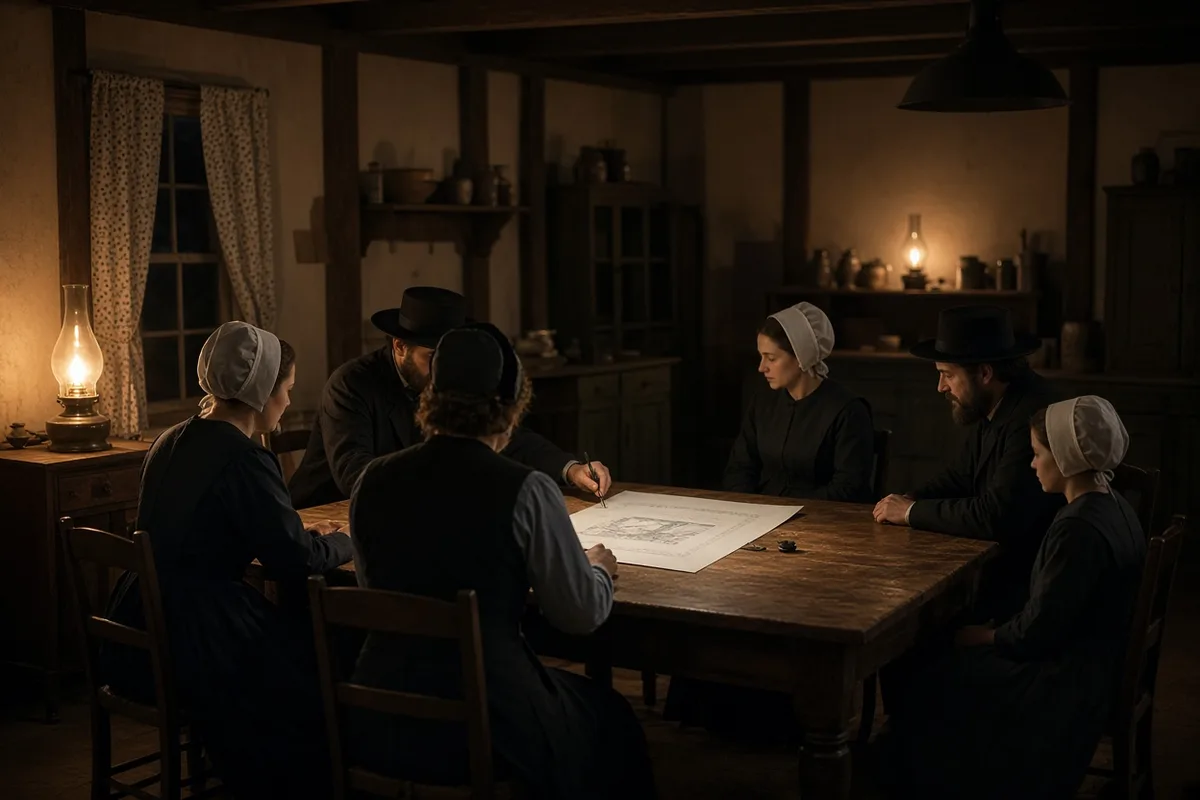
Marie Roberts moved from the Georgetown house in March 2007 after the bank sold the property at auction. She and her three children settled in a rented farmhouse on Route 896, six miles from the site. On April 3 she mailed a second letter, this one to the ten families who had lost daughters. It contained a single sentence copied from a notebook she had kept since the day of the shooting: "I keep the notes my husband wrote and I read them only on Sundays." The letter reached the Fisher home on April 5. Marian Fisher's father, John Fisher, read it aloud at the kitchen table while his remaining children listened. He placed the letter in a wooden box that also held the plastic identification bracelet Marian had worn at the hospital.
In 2009 the five maple trees planted beside the new school reached twelve feet. Each spring the older boys trim the lower branches with a handsaw borrowed from the Ebersol shop. On October 2 of that year the milk truck that now travels Mine Road carried exactly forty-three cans from the farms that once sent children to the original school. The driver, a man named Samuel King, stopped at the edge of the field where the school had stood and counted the cans twice before continuing. No marker remains at that spot, only a stand of alfalfa that is cut three times each summer.
Marie Roberts remarried in 2012 to a man outside the county. She continued to exchange Christmas cards with the widow of one of the troopers who had entered the school. In a card postmarked December 19, 2014, she wrote that her youngest child, then sixteen, had asked for the first time what his father had said in the notes. She answered only that the notes mentioned the name Elise, the daughter who had died nine years before the shooting. The card reached the trooper's widow on December 22. She placed it in a drawer with the other correspondence and did not reply.
The last of the five injured girls, Rachel Ann Stoltzfus, married in 2018 and moved to a farm near Honey Brook. On the day of her wedding she wore a dress made from fabric that had been stored in the same chest where her mother kept the hospital discharge papers from 2006. The ceremony took place in a barn two miles from the New Hope School. After the service the guests walked the lane that leads past the five maple trees. One of the guests, a man who had been twelve years old when he was released from the original school that morning, stopped at the third tree and touched the bark with his palm before continuing to the road.
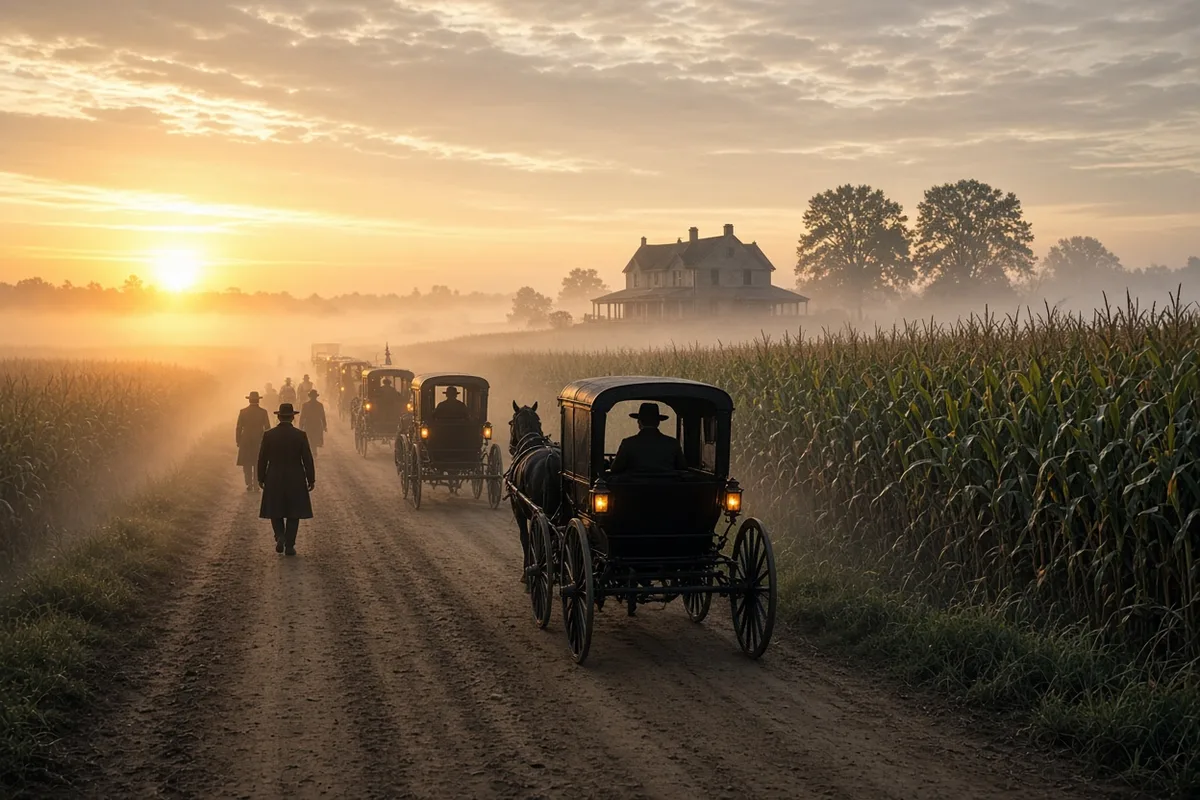
Today the fields around the former school remain under cultivation. The New Hope School still opens each morning at eight thirty. Rebecca Esh, now forty-one, continues as teacher. On the last day of the 2023 term she recorded in the logbook that twenty-two children had attended and that all twenty-two had left at three o'clock. The dogs at Amos Smoker's place still run the fence line at dusk, their shadows lengthening across the same pasture where the first state police car turned around on October 2, 2006.
On the morning after the 2016 tenth anniversary of the shooting, Amos Smoker’s son Levi walked the same fence line with a clipboard listing the milk production from each of the nine Bart Township farms that had contributed to the October 4, 2006 envelope. He recorded 1,872 pounds shipped that week to the Leola creamery and noted in the margin that the alfalfa stand at the old school site had been cut for the second time on September 28. Marie Roberts, then living under her remarried name on Route 896, mailed a single postcard to the Fisher household that same week. It contained the line “Elise would have been twenty-four this October” written in the same pencil that had marked the 2006 envelope.
In March 2018 the Lancaster County planning board approved a zoning variance that allowed the Stoltzfus family to erect a second one-room school two hundred yards east of New Hope. The new structure, called Meadow View, opened on September 3 with fourteen pupils, among them the youngest daughter of the trooper who had first reached the window at 11:07. Rebecca Esh’s logbook from that day records the arrival time of each child to the minute and the single sentence “No questions asked about locks.”
John Fisher, father of Marian, died on January 11, 2020. His will directed that the wooden box containing the hospital bracelet be given to the Georgetown Mennonite meetinghouse library, where it sits on a shelf beside the 2006 coroner’s report listing the exact weights of the five deceased girls at autopsy. The box also holds the April 5, 2007 letter from Marie Roberts. The librarian, a niece of Amos Smoker, opens it once each year on October 2 to verify the contents against a typed inventory.
On October 2, 2021, the five maple trees beside New Hope School measured twenty-seven feet. The oldest Miller boy, now twenty-eight and working at the Ebersol harness shop, borrowed the handsaw at noon and removed three dead branches from the tree planted for his sister Mary Liz. He left the branches in a pile at the base and returned the saw before the three-o’clock dismissal. Rebecca Esh noted the time of his return in the logbook as 12:47.
The milk truck route changed again in 2022 when the driver Samuel King retired after forty-one years. His replacement, a man named Jacob Beiler, began carrying forty-seven cans past the alfalfa field each Tuesday. On his first run he stopped at the exact spot where the original school had stood and counted the cans aloud, though no marker or stone indicates the location. The count matched the number recorded in the Leola creamery ledger for the corresponding week in 2006.
In June 2023 Esther King, the survivor who underwent three operations on her left arm, gave birth to her third child at Lancaster General Hospital. The delivery record lists the attending physician as the same doctor who had treated her in 2006. She returned home on June 14 and, two weeks later, mailed a photograph of the infant to Marie Roberts at the Route 896 address. The photograph arrived on June 29 with no accompanying note.
Amos Smoker’s dogs, now replaced by two younger German shepherds, still reach the far corner of the pasture at dusk. On the evening of October 1, 2024, Levi Smoker stood at that corner and counted the cans on the milk truck as it passed. He recorded forty-nine cans and the exact minute the truck cleared the field, 5:17. The shadows of the dogs stretched across the alfalfa that had been cut three days earlier.
Today the New Hope School logbook remains in the possession of Rebecca Esh, who writes the dismissal time each afternoon in the same ink she used on the first day of classes in 2006. The last entry, made on the final day of the 2024 term, lists twenty-four children present and the single word “clear” beside the three-o’clock notation. The dogs continue their circuit as the light fades.