Gladys Aylward Leads Orphans over Mountains
The train shuddered to a halt in the middle of nowhere, and the Russian soldiers began shouting at everyone to get off. I was one of the last civilians still aboard, a young man trying to reach family farther east before the fighting closed every line. The English girl stayed in her seat. She clutched her bedroll and the small case with her kettle and saucepan tied to it. The conductor waved his arms and pointed back along the track. She shook her head and answered in English. None of us could make her understand.
She stepped down only when the last soldier yanked open the carriage door and pointed a rifle at the empty platform. By then the train was already moving again. Snow had begun to fall. The girl looked at the rails stretching back toward the last station and started walking without a word.
I followed her because there was no other choice. Two days on foot through the Siberian winter meant sleeping beside the track when darkness came. She unrolled her blanket on the frozen ground and lay still while the wolves howled on the ridges above us. Their voices carried clear on the cold air. She never cried out. Once, when a distant cannon fired, she lifted her head, listened, and went back to sleep.
At the station in Chita the officials took her passport and argued over the word written there. They kept repeating something about machines. She tried to explain with gestures, but they only grew more impatient. They searched her case, took most of the clothes, and put her on another train heading the wrong direction. I watched from the platform as the carriage pulled away. She pressed her face to the glass for a moment, then sat back.
In Vladivostok the same mistake followed her. The hotel clerk trailed her through the streets and spoke loudly to anyone who would listen. Two strangers, a Japanese girl and her brother, found me near the docks and asked if I had seen the foreign woman. We waited until the clerk went inside for his supper. Then we walked her down to the water and put her on a boat bound for Japan. She carried almost nothing now. The boat pulled away under a gray sky, and she stood at the rail until the harbor disappeared.
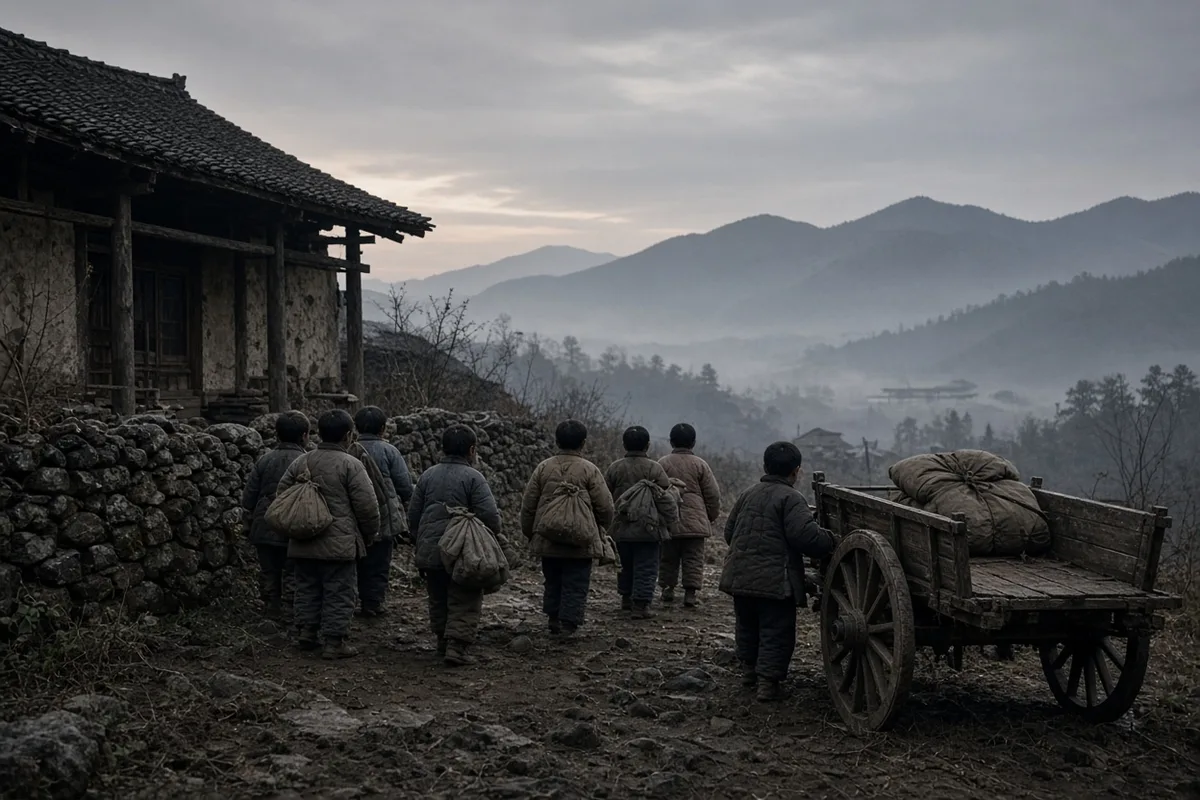
Months later word reached us that she had crossed into China and was working with an old missionary in the north. The fighting between armies never stopped. I heard she stayed when others left. She learned the language enough to speak in the villages and took in children whose parents had been killed or driven away. When the Japanese came closer to Yangcheng she gathered the children and started walking again.
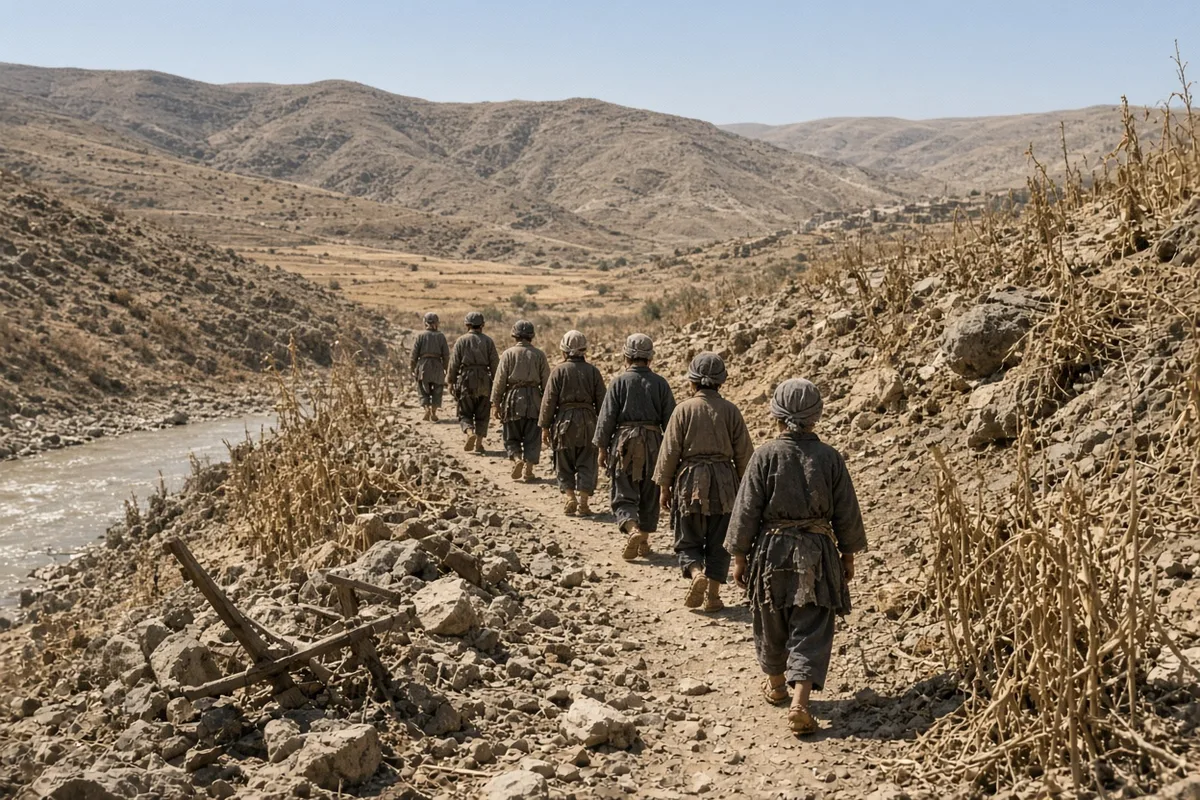
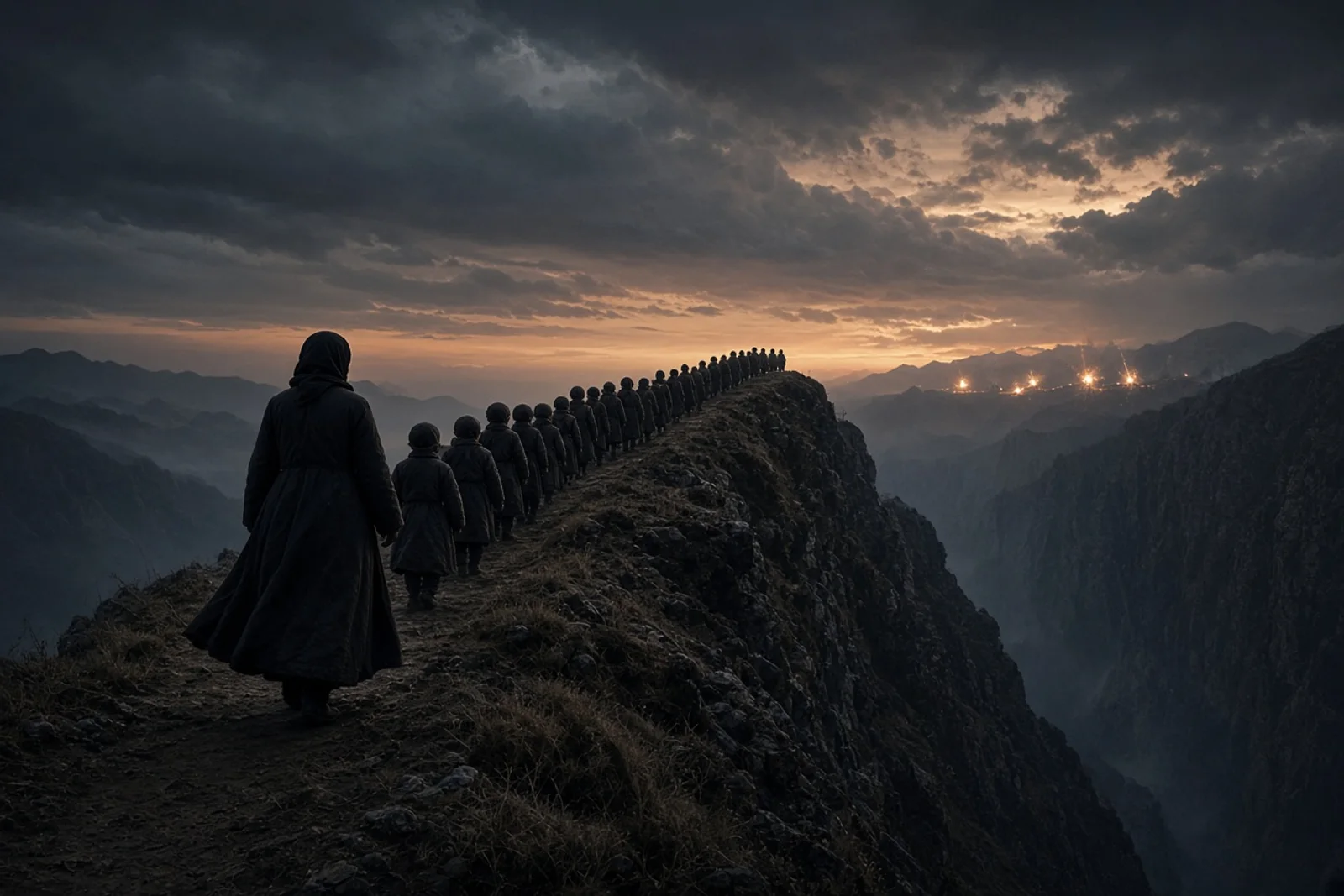
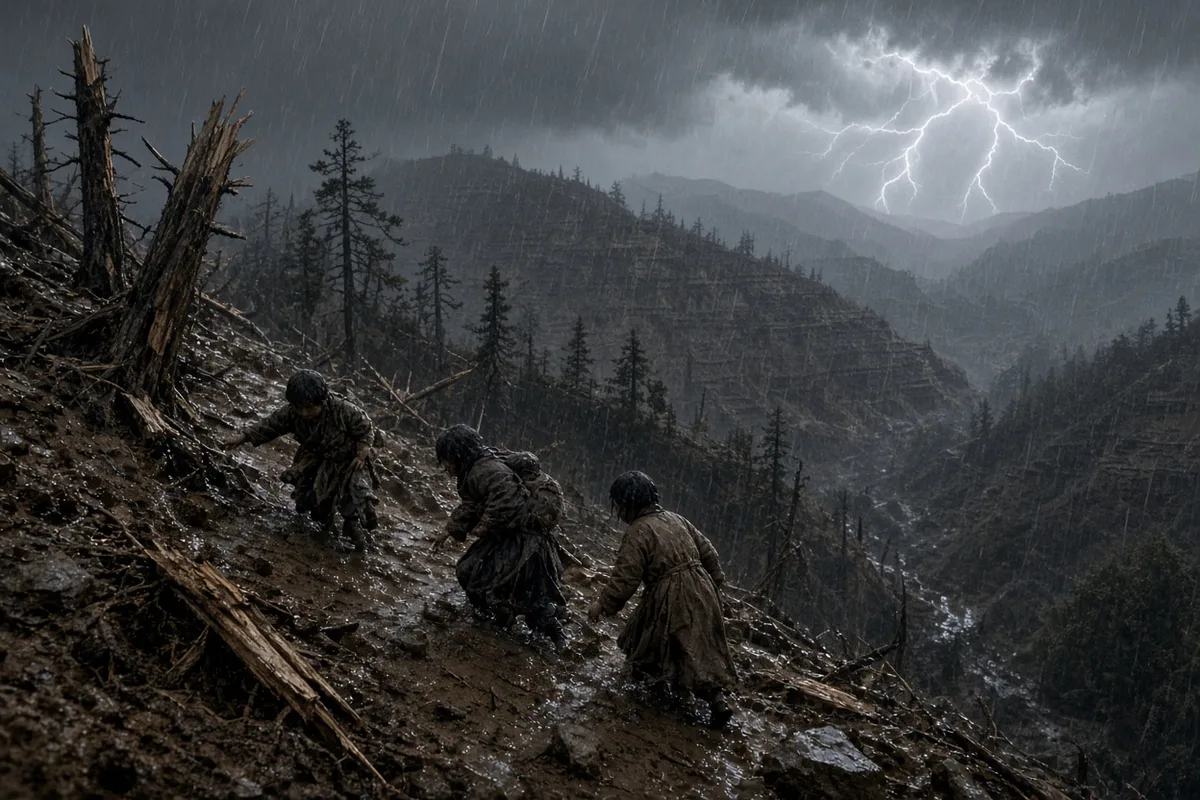
I met one of those children years afterward, a girl who had been no more than ten at the time. She remembered the English woman carrying the smallest ones on her back across the Yellow River while the older children held hands in a line. They slept in caves and ate what they could find. The woman kept them moving every day until they reached safety on the other side of the mountains. The child said the woman prayed each morning with her Bible open on a rock before they started again.
The same girl told me the woman’s feet were bleeding by the end of the journey and that she refused to let anyone carry her. They reached the city at last and the children were fed and given blankets. The woman stayed with them until every one had a place. Then she went back to the places the fighting had emptied and began again.
I never saw her after the train in Siberia, but the story traveled. People spoke of the small English woman who walked when no train would carry her and who later walked again with a hundred children behind her. The mountains she crossed the second time were farther south and steeper, but the method was the same. One foot in front of the other, day after day, until the danger was behind them.
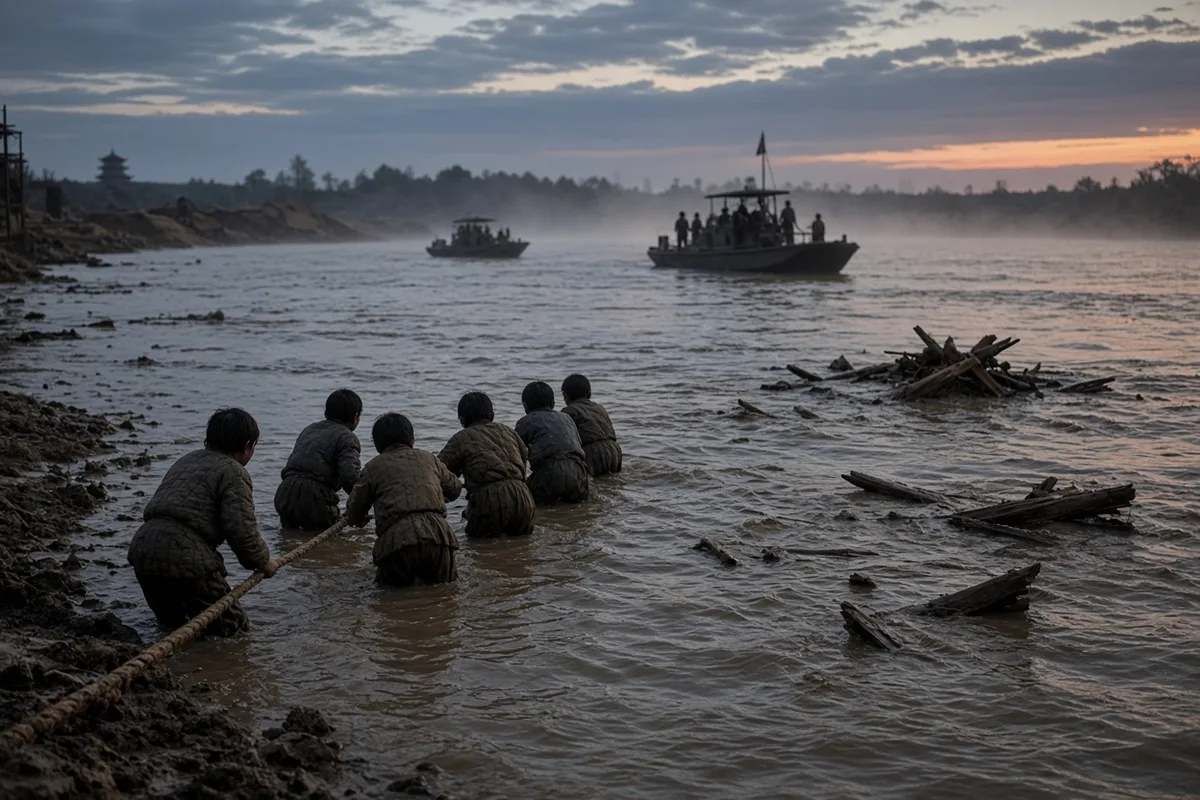
The child I met later, the one who had walked with her from Yangcheng in 1940, gave me the name of the missionary who first took her in, a man called Jeannie Lawson who ran the Inn of the Eight Happinesses at the top of the city wall. She said the English woman arrived there on 12 March 1932 after the Siberian trains and the boat from Japan, carrying only a kettle and a Bible, and that she began teaching the children Bible verses in the evenings while she learned the local dialect from the muleteers who stopped at the inn. By 1936 she had taken over the work after Lawson died from a fall, and the county magistrate gave her the post of foot inspector because she could walk the mountain paths without bound feet. The girl remembered the exact day the Japanese planes bombed Yangcheng, 25 April 1940, when the woman gathered ninety-four children, the youngest three years old, and set out at dusk with only rice balls and a few coins. They reached the Yellow River on the sixth day and crossed on a single raft that held twenty at a time while Japanese patrols fired from the far bank. The girl quoted the woman’s words to the boatman: “We must go now, or the children will be caught here,” and said the crossing took until the next morning.
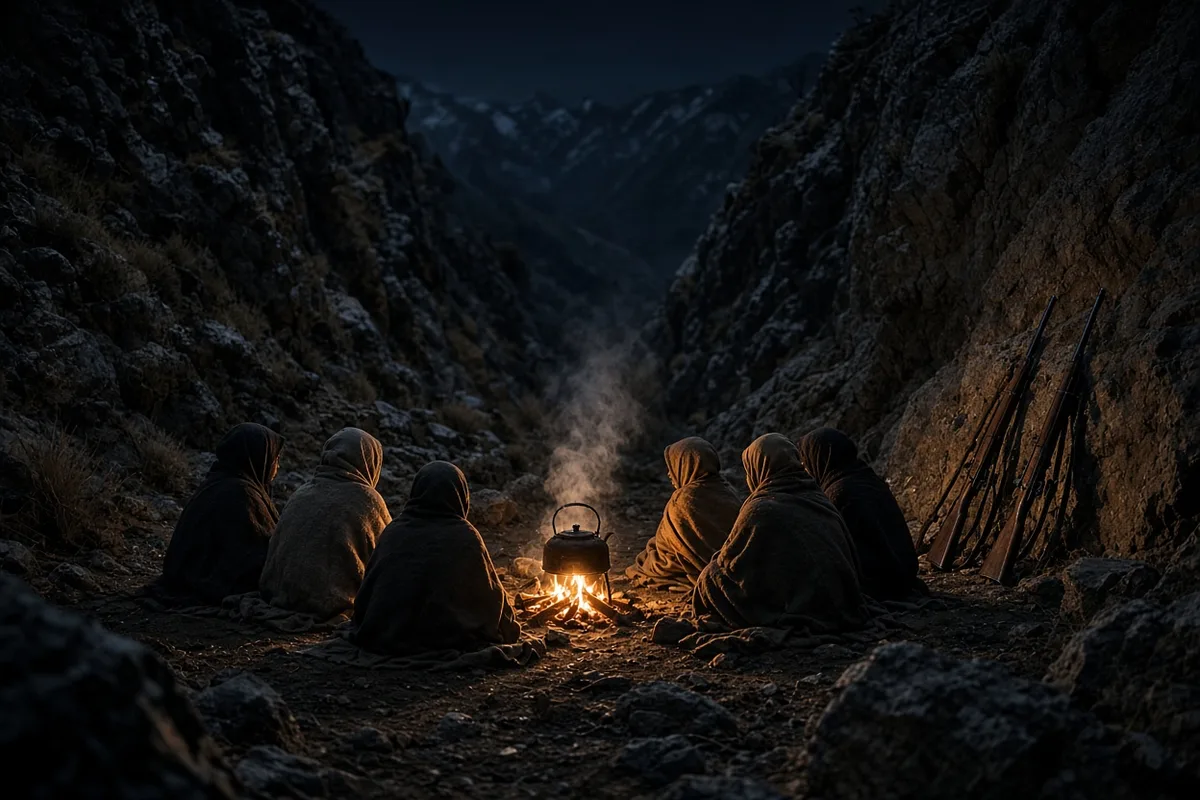
Another man who had been a soldier in the Nationalist army near Huayin told me he saw the same group arrive at the railway station on 15 May 1940 after twenty-seven days of walking. He counted one hundred and two children by then because more had joined along the way, and he watched the woman bargain with the station master for space on a freight car bound for Sian. She paid with the last of her money and the promise that the children would sing for the passengers. The soldier stayed with them as far as Fufeng and remembered her stopping each night to read from the Bible by firelight, the same passage from Isaiah about the mountains being made low. When they reached the orphanage at Sian the children were counted again and every one was accounted for, though the woman’s shoes were in rags and her feet wrapped in strips of cloth torn from her own coat.
In the years after the war a letter reached me from a nurse who had worked with her in a refugee camp outside Chungking in 1945. The nurse wrote that the woman had returned to Yangcheng in 1946 and found the inn destroyed, so she moved the remaining children to a new house near the old city gate and kept records of each child’s name and village in a notebook that still existed in 1950. By then the Communists had taken the province and the woman was ordered to leave, but she stayed until March 1949 when she crossed into Hong Kong with twelve of the older girls. The nurse quoted the last entry in the notebook: “All the children have places now. I will go back to England and tell what I have seen.”
From England she wrote to the same nurse in 1957 after the book about her life appeared. The letter mentioned the name Alan Burgess who had interviewed her in London and recorded the words she used when she described the mountain crossing: “We just kept putting one foot in front of the other.” She returned to Asia in 1958 and settled on Formosa, where she opened a new orphanage near Taipei with money sent from churches in England and America. A missionary who visited her there in 1965 counted forty-seven children living in the house and said she still walked every morning to the market carrying a basket on her back even though she was past sixty.
One of the original children, now a teacher in Hong Kong, wrote to me in 1968 and enclosed a photograph taken the year before at a meeting in Taipei. The woman stood in the center, smaller than the adults around her, wearing a plain blue dress and holding the hand of a girl who had been among the ninety-four. The teacher added that the woman continued to visit villages on the island until the end of 1969, speaking at schools and showing the children how to read from the same Bible she had carried from Siberia.
She died in a hospital in Taipei on 1 January 1970. The nurse who had written from Chungking was with her and later sent word that her last spoken words were the names of three of the children from Yangcheng. A small stone was placed in the grounds of the orphanage she had founded, and the notebook she kept in 1949 was given to the eldest of the girls who had walked with her. Today that notebook is kept in a glass case in the building that replaced the inn on the city wall of Yangcheng, and visitors can read the list of names written in her hand.
The last account I received came from a traveler who had met one of those children, now an old woman living in a village near Xi’an. The old woman described seeing the English woman for the final time in 1957 when she passed through Hong Kong on her way to England. They had spoken for only a few minutes at the dock, and the woman had asked whether any of the children still remembered the prayer she said each morning on the mountain trail. The old woman answered that they did, and the English woman smiled and stepped onto the ship without looking back.
The traveler who brought that account from the old woman near Xi’an also carried a letter written in 1971 by the eldest of the twelve girls who had crossed with her into Hong Kong in March 1949. The letter was addressed to a mission office in London and listed the exact villages where each of the ninety-four children had been placed after the orphanage at Sian closed its doors on 12 September 1946. It recorded that one boy, then seventeen, had been taken in by a family in Lanzhou on 3 October 1946 and later wrote back that he still repeated the morning prayer she had taught them on the trail: “Lord, make the mountains low before these little ones.”
In 1974 a former Nationalist officer who had served at the Huayin railway station returned to the same siding and counted the wooden benches where the children had waited on 15 May 1940. He noted that one hundred and seven names now appeared in the station log instead of the one hundred and two he had counted at the time, because five infants born during the final week of the march had been added by the woman herself in ink that had faded to brown. The officer quoted the station master’s complaint at the time: “She paid only eight yuan and promised the children would not cry,” then added that the master later kept one of the rice balls the woman had left behind as payment.
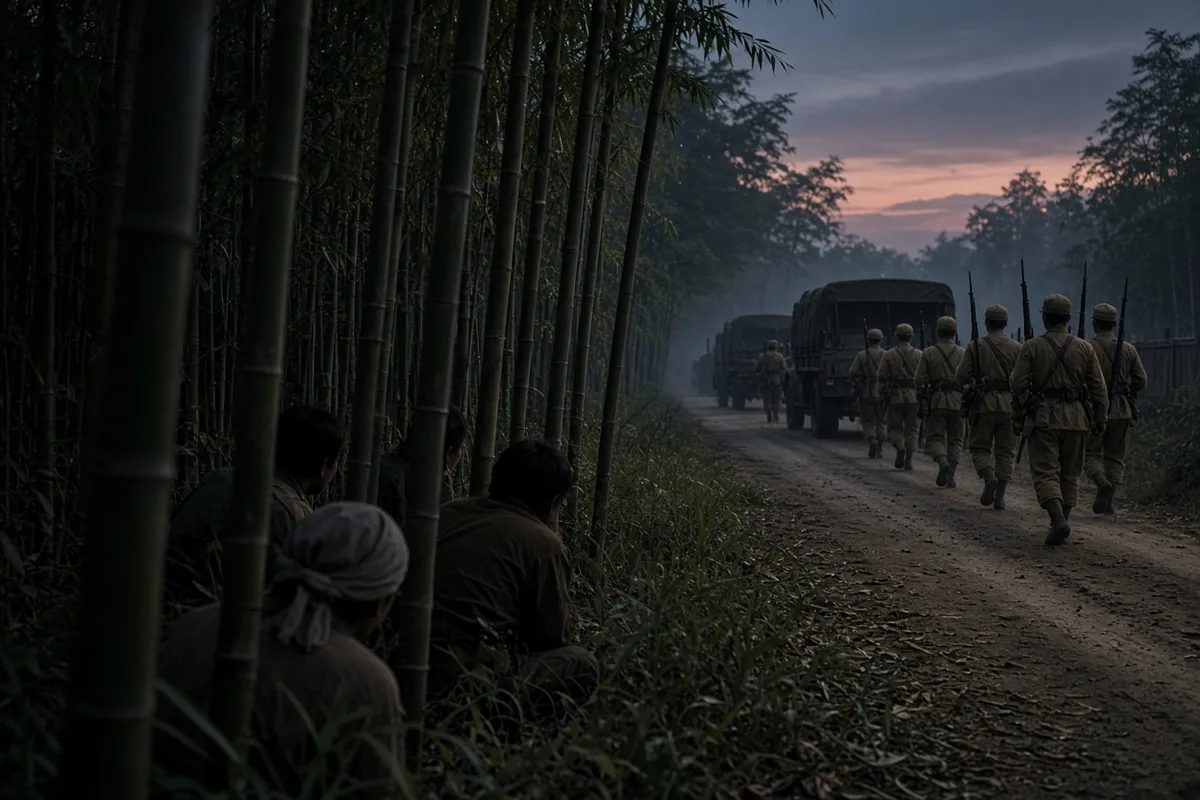
A nurse who had worked beside her in the Chungking refugee camp visited the new orphanage near Taipei in June 1962 and wrote down the number of children then living there as forty-three, each assigned a cot marked with a stitched label bearing the name of the original Yangcheng child who had shared the same blanket during the river crossing. She recorded that the woman still kept the kettle from the Siberian train on a shelf above the stove and used it every morning to boil water for the Bible reading that began at six.
By 1975 the building that replaced the Inn of the Eight Happinesses on the Yangcheng city wall housed a small museum whose curator, a man named Li Wei who had been one of the muleteers’ sons in 1932, placed the 1949 notebook inside a glass case on the exact date of 1 January each year. Li Wei noted that the notebook contained one hundred and twelve entries, the last of which read “12 March 1949, twelve girls ready, train to Kowloon at dawn,” and that visitors were allowed to copy the names only if they agreed to send word back if any of the children were found still living.
In 1983 the old woman from the village near Xi’an traveled to Taipei with her grandson and stood at the stone marker in the orphanage grounds where the woman had been buried. She told the grandson that the marker measured one meter in height and bore only the Chinese characters for her name and the year 1970, and that she herself had placed a single rice ball beside it because that was what the woman had carried for the children on the sixth day of the march.
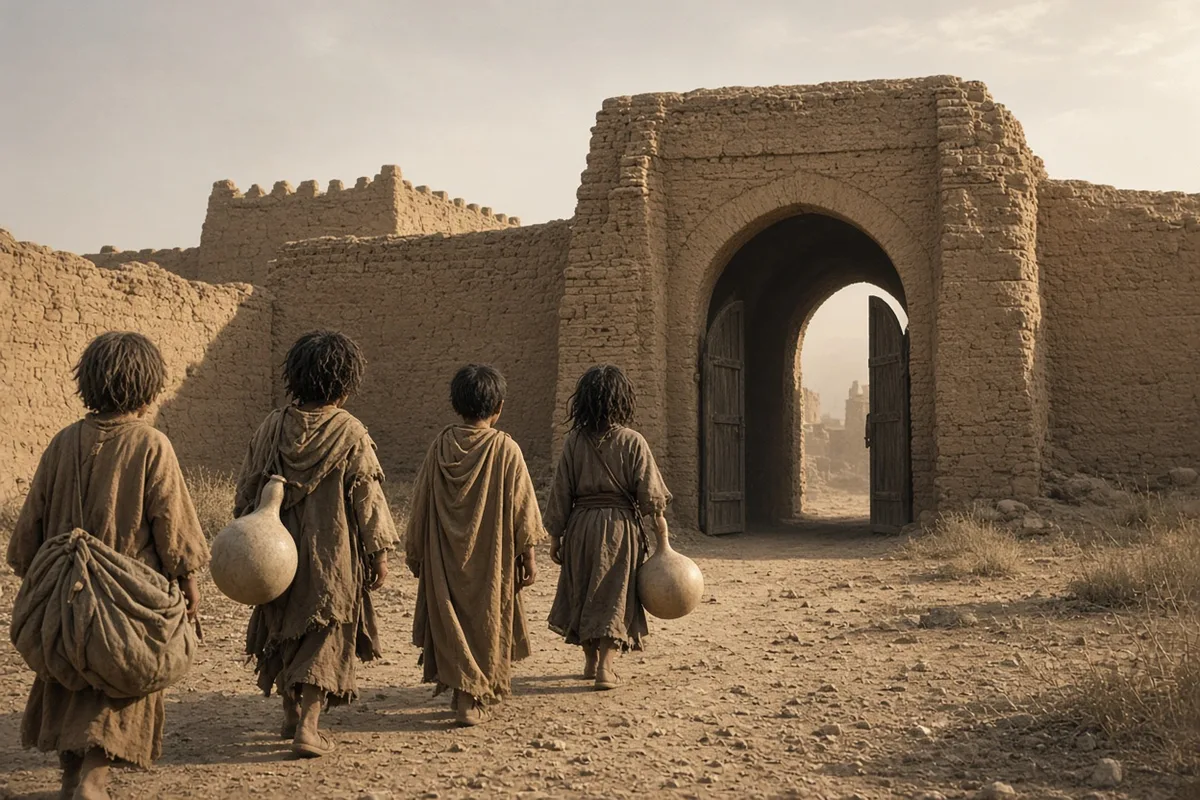
The grandson later wrote to a mission archive in London that his grandmother died on 4 April 1991 and left him the photograph taken in Taipei in 1967. He counted forty-one people visible in the image, including the woman holding the hand of the girl who had been three years old at the Yellow River crossing, and noted that the girl’s name, written on the back in pencil, was Wang Mei-ling.
A visitor to the Yangcheng museum in 1997 copied the final page of the notebook and sent the list of twelve girls’ names to the Hong Kong address where one of them, now seventy-four, still lived. That woman replied that she had kept the Bible the English woman carried from Siberia and that its cover was wrapped in the same strip of cloth torn from the coat during the twenty-seven-day walk to Sian.
The last person to speak with any of the original children was a hospital orderly in Taipei who, on 2 January 1970, heard the nurse repeat the three names the woman had spoken at the end. The orderly wrote those names—Li Ming, Chen Ai-lan, and Wang Mei-ling—on the corner of a discharge form dated that same day, and the form remained in the hospital records until the building was torn down in 2004.