Harriet Tubman Leads 13 Rescue Missions
The skiff knocked the pilings once, then settled. I held the line tight against my palm and waited for the shape to move. She stepped onto the boards without a word, the baby wrapped close to her chest and the older girl gripping her skirt. Kessiah followed, eyes fixed on the water as if the river itself might call her back. It was December, the air sharp enough to cut breath short, and we had three miles of marsh before the first safe roof.
She had come alone the year before, walking out of Bucktown after Brodess died and the sale papers started moving. Now she was back for blood. We passed the child hand to hand at each bend so no one carried weight too long. By first light we reached the Quaker farm outside Camden. The woman there fed us cold cornbread and told us the new law had turned every constable into a bounty hunter. Tubman listened, then asked only for the next set of directions.
Two weeks later she was gone again, this time with her brother and his wife. I met them on the same dock, the same hour. The brother limped from an old axe wound. She kept him moving by promising the sun would rise on free ground before the week ended. We crossed the line into Delaware at a place where the fence had been cut weeks earlier and never mended. At the next station she handed the couple to another guide and turned south once more.
The third trip brought three nieces and a nephew still small enough to carry on a hip. One girl cried the entire second night from an earache. Tubman wrapped the child’s head in a cloth soaked in creek water and sang low until the fever broke. We reached Wilmington before the patrols tightened. Thomas Garrett met us at the edge of town, counted heads, and paid for train tickets north. She took none of the money for herself.
After the Fugitive Slave Act passed, the route lengthened. We no longer stopped in Philadelphia. She rerouted everyone through New York and into Canada. On the fifth journey I carried letters from William Still to families still in Dorchester County. She read them by firelight, then folded them into the lining of her coat. The brothers she brought out that time had left wives behind; they argued the whole first night about whether to turn back. She told them the choice was theirs but the road only ran one direction once they started.
Her father, Ben Ross, was warned in the summer of 1857. The Dover Eight had been sheltered on his place, and the sheriff’s men were coming. Tubman arrived with two empty wagons and left with her parents and four others. The old man rode in the back under a load of straw. Rit, her mother, walked beside the wheels for miles so the horses could rest. I drove the second wagon and listened to her count the miles aloud, one by one, until the count reached the Susquehanna.
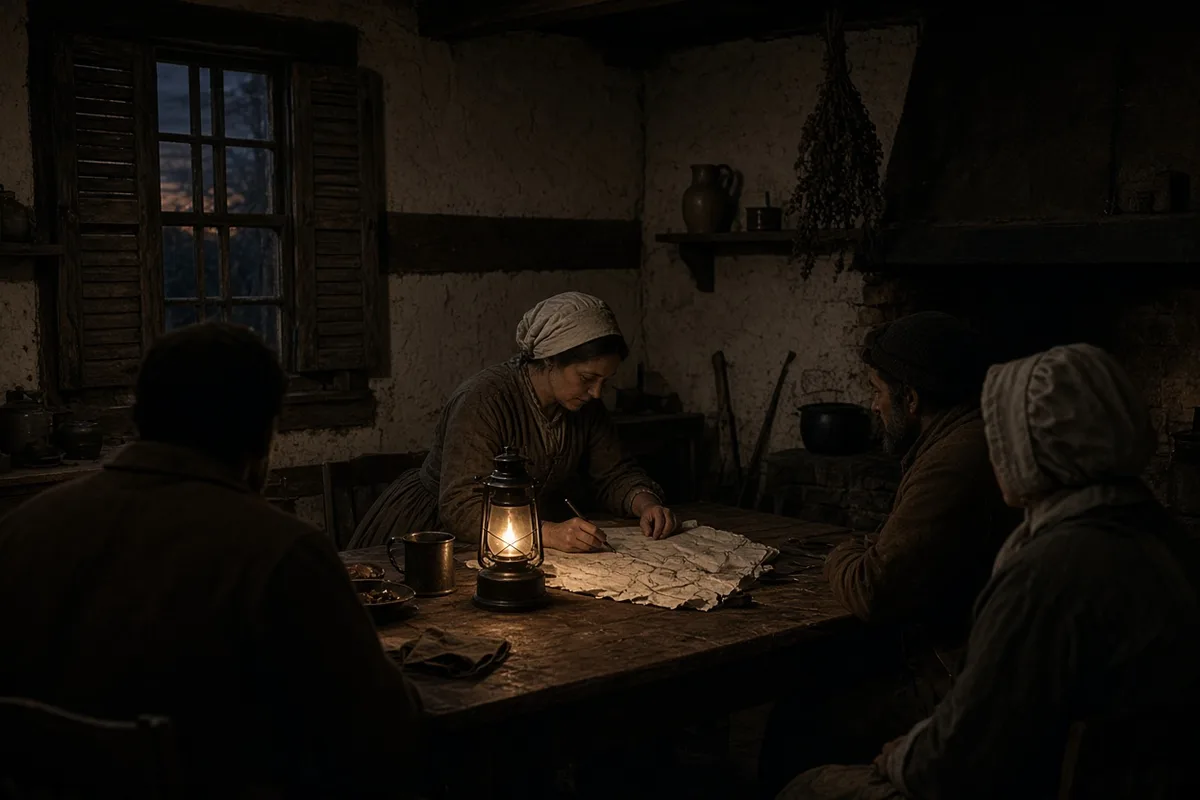
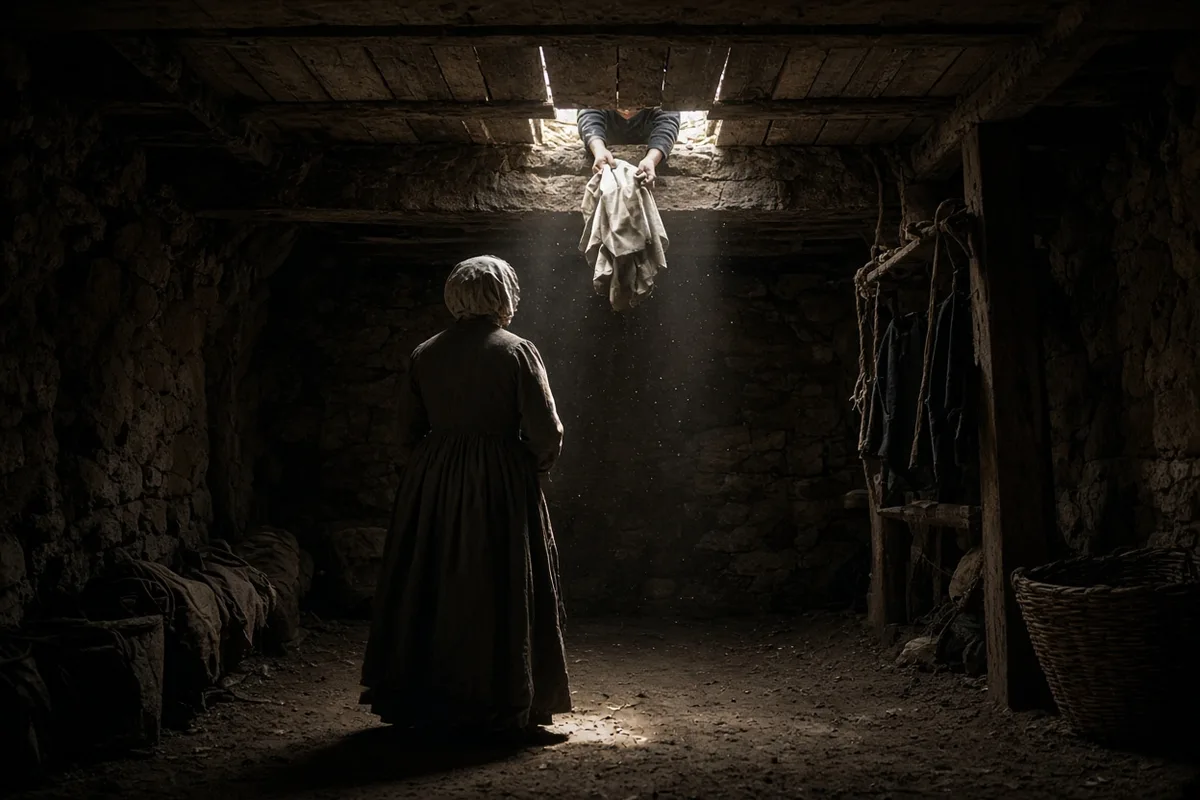
By the tenth trip the pattern had settled into something almost ordinary. She would appear at the same dock, give the same short nod, and we would move. The groups grew smaller because she refused to risk more than she could control. One night we hid in a potato cellar while dogs worked the fields above us. She kept her hand on the youngest child’s mouth for three hours without letting up. When the dogs moved on she stood, brushed the dirt from her skirt, and started walking again.
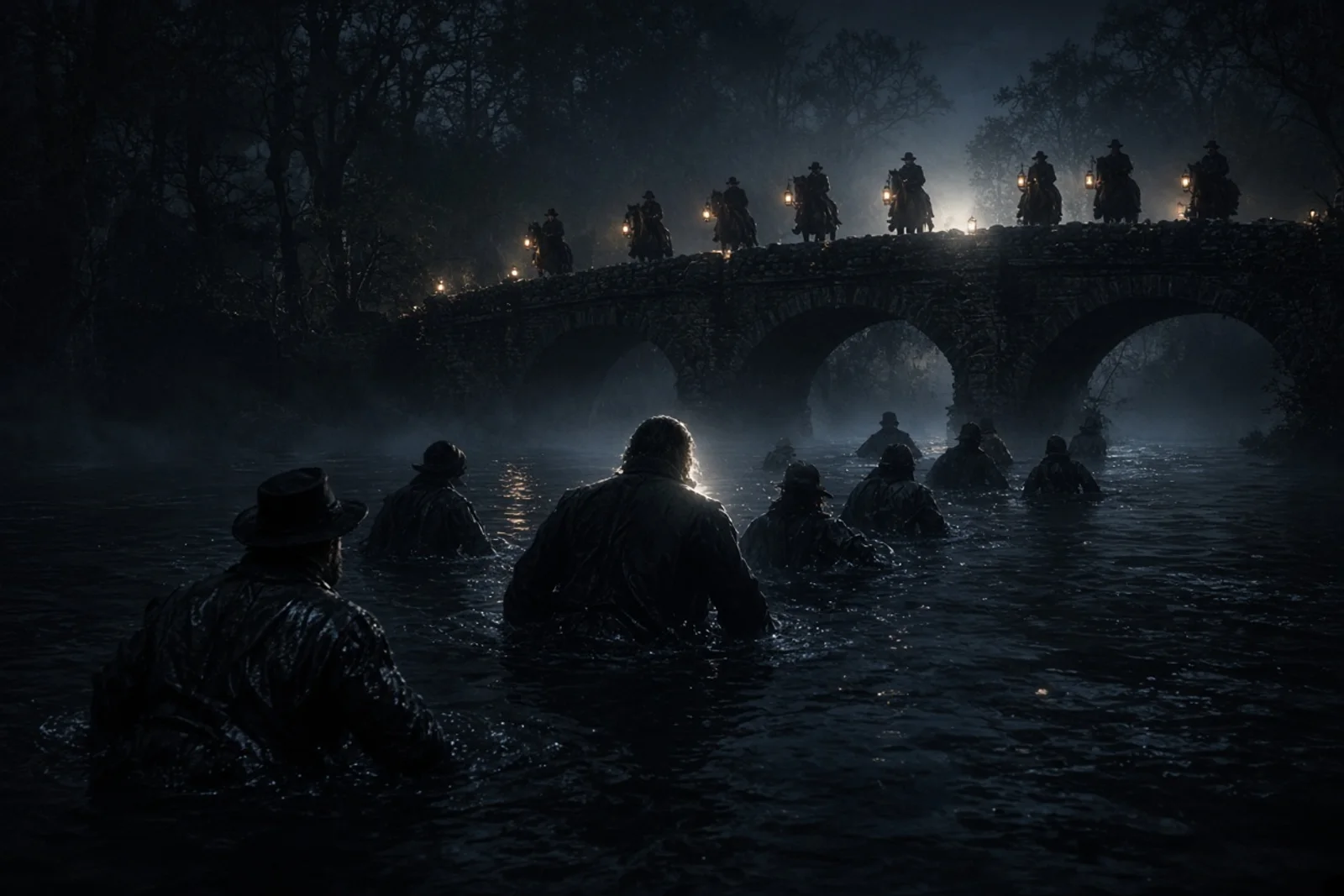
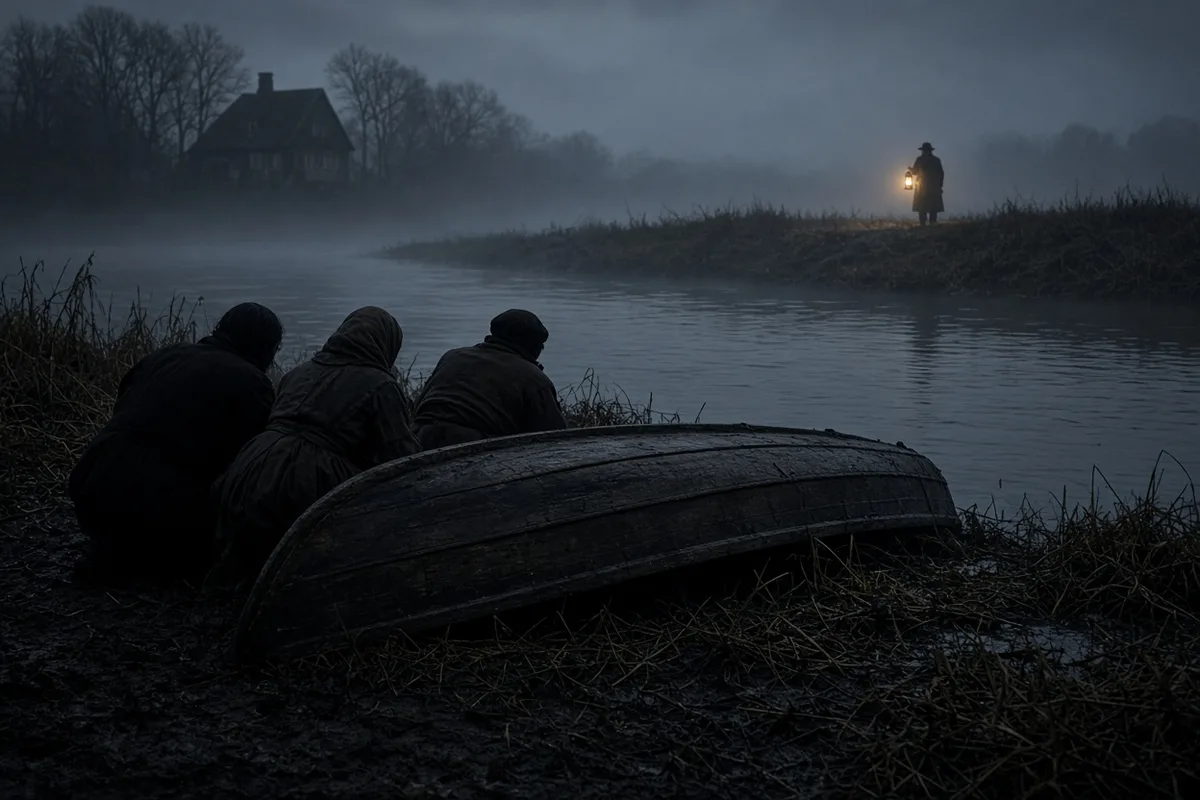
The eleventh rescue took her brother Robert and his wife. They had hidden in the swamp for four days waiting for her signal. When she whistled the three-note call from the tree line, Robert answered with the same notes. They crossed the Choptank at low tide, water to their waists, and reached the boat before the sun cleared the pines. I rowed while she bailed. No one spoke until the far bank.
On the last two trips she brought out the remaining nieces and a boy who turned out to be her nephew’s child. The boy had never seen a map, yet he could name every bend in the river from stories his father told. She let him lead the last stretch into Delaware. When we reached the station she stepped aside so the boy could be the one to knock on the door.
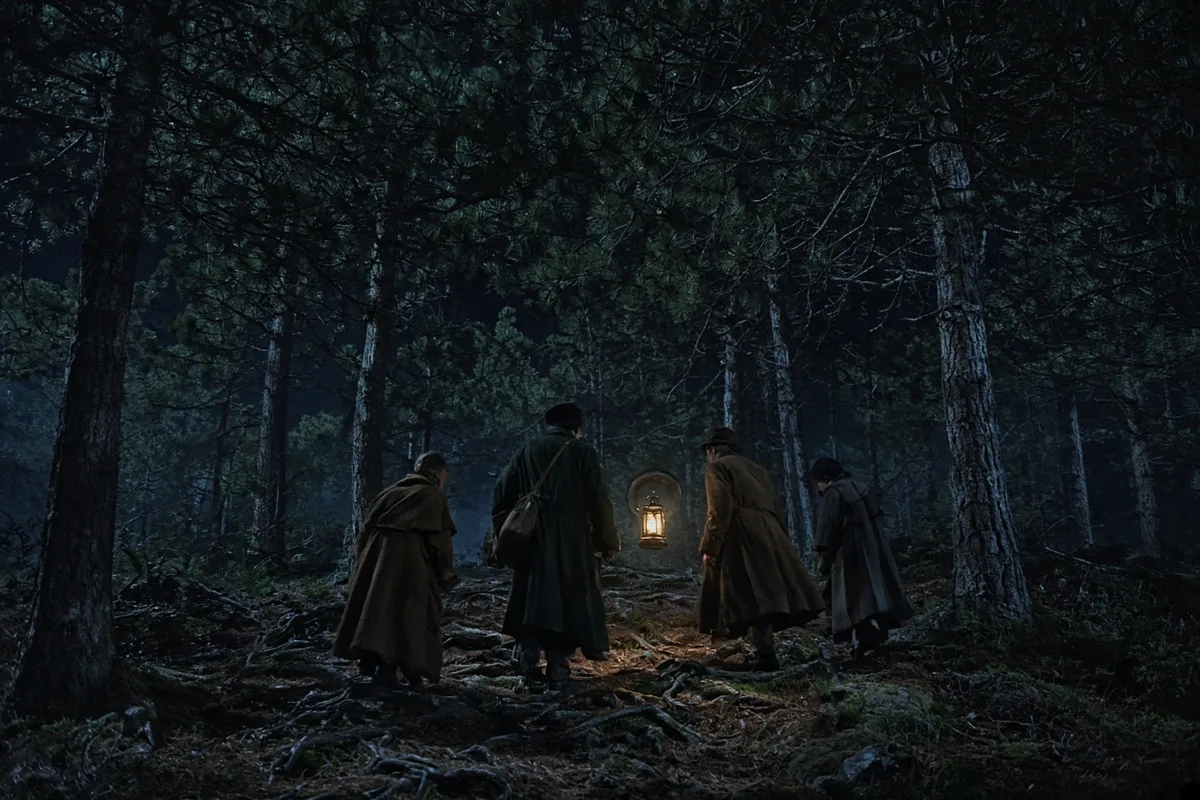
After that she stayed north for longer stretches. Letters still came south through the same sailors and timber crews. She wrote once that the Canadian winters were hard but the children were learning to read. The letters stopped arriving after the war started. I kept the skiff tied at the same dock anyway, checking the line each week even when no one came.
Years later a man who had crossed with her on the sixth trip stopped me on Market Street in Philadelphia. He said she was living in Auburn and still took in people who had nowhere else. He did not ask if I still watched the river. He already knew the answer.
The man gave his name as Isaac Cole and said he had reached Auburn in the spring of 1863 after the Emancipation Proclamation took effect. He described the two-story frame house on South Street that William H. Seward had deeded to her in 1859 for seven hundred dollars, with the note recorded in Cayuga County clerk books on 26 April of that year. Cole told me she kept a garden of twenty-five rows of potatoes and beans behind the house and that Nelson Davis, the soldier she married on 18 March 1869 at the Central Presbyterian Church, built an addition with his own hands using lumber from the local planing mill. Cole stayed there three weeks before moving on to Rochester, and he remembered her exact words when a visitor asked about the war: “I never met with any person, of any color, who had more confidence in the power of God.”
Two years after that meeting on Market Street I sold the skiff and took the cars north myself. In Auburn the county records show she paid one thousand dollars on 19 February 1896 for twenty-five acres at the edge of the city, the deed filed under liber 142, page 317. She opened the Harriet Tubman Home for the Aged and Indigent Negroes on the property in 1908, housing seven residents at first, each paying what they could or nothing at all. I worked there as a handyman through the winter of 1909, replacing roof shingles and splitting firewood. One evening she sat at the long pine table and read aloud a letter from the Auburn Citizen dated 3 December 1910 that listed the home’s debts at four hundred and twelve dollars. She folded the paper and said only, “The Lord will provide,” then asked me to check the chimney flue before the snow deepened.
She received a veteran’s widow pension of twenty dollars a month beginning in October 1895 after Congress passed the private bill introduced by Representative Sereno Payne. The certificate, number 578, 383, is on file at the Pension Bureau in Washington. On Sundays she still walked the three blocks to the Thompson Memorial African Methodist Episcopal Zion Church, where the congregation numbered forty-seven members in 1911. I sat two rows behind her one morning and heard her tell the minister, Reverend J. W. Thompson, that she had carried a pistol on every trip south but had never fired it except to threaten a man who tried to turn back. Thompson recorded the remark in his notebook, which his daughter later deposited at the Cayuga Museum.
Nelson Davis died on 29 August 1888 and was buried in Fort Hill Cemetery, lot 236, section B. She paid for a marble marker carved with his regiment, the Eighth United States Colored Infantry, and the date of enlistment, 3 December 1863. After his death she continued to take in boarders, among them a woman named Eliza Mitchell who arrived in 1892 with two children and stayed until 1904. Mitchell later told a reporter for the Auburn Advertiser that Tubman kept a tin box under her bed containing letters from William Still dated 1856 through 1860, each folded four times and tied with black thread.
On 10 March 1913 she died in the home at age ninety-one. The death certificate, filed the same day by Dr. Charles W. F. Miller, lists the cause as pneumonia following a fall. The funeral was held three days later at the AME Zion Church, with the Reverend J. W. Thompson preaching from Isaiah 40. Six members of the Grand Army of the Republic served as pallbearers. She was buried beside Nelson Davis; the marker reads only “Harriet Tubman Davis 1820?–1913.” The Auburn Daily Advertiser printed the full order of service on page three, column four, including the hymn “Swing Low, Sweet Chariot” sung by the choir of twelve voices.
In the decades that followed, the South Street house passed through several owners until the Harriet Tubman Home, Inc., acquired it in 1953 with funds raised by the National Council of Negro Women. The twenty-five-acre farm became part of the Harriet Tubman National Historical Park under Public Law 114-274 signed 18 December 2016, preserving the frame house, the barn foundation, and the original well. Visitors today can see the ledger book she kept from 1908 to 1912, its pages ruled in blue ink and listing each resident’s name, age, and weekly contribution, the smallest entry being five cents from a woman named Sarah Parker.
The last time I saw her alive was in the summer of 1912. She sat on the porch in a straight-backed chair, a wool shawl over her shoulders despite the heat, and asked me whether the Choptank still ran as high in spring as it had in the old days. I told her it did. She nodded once, then turned her face toward the street as if listening for the three-note whistle that had once carried across the marsh at low tide.
She rose from the chair without help and walked to the edge of the porch, where the railing had been replaced the previous spring with pine boards cut at the local mill. A neighbor named Mrs. Emily Howland had sent a check for thirty-five dollars to cover the lumber, and the receipt was still pinned to the kitchen wall when I left that evening. Tubman asked whether the new conductor on the Auburn branch still stopped the train at the foot of the hill for passengers who could not climb the steps, and I said the man’s name was Everett and he carried a stool in the baggage car for that purpose.
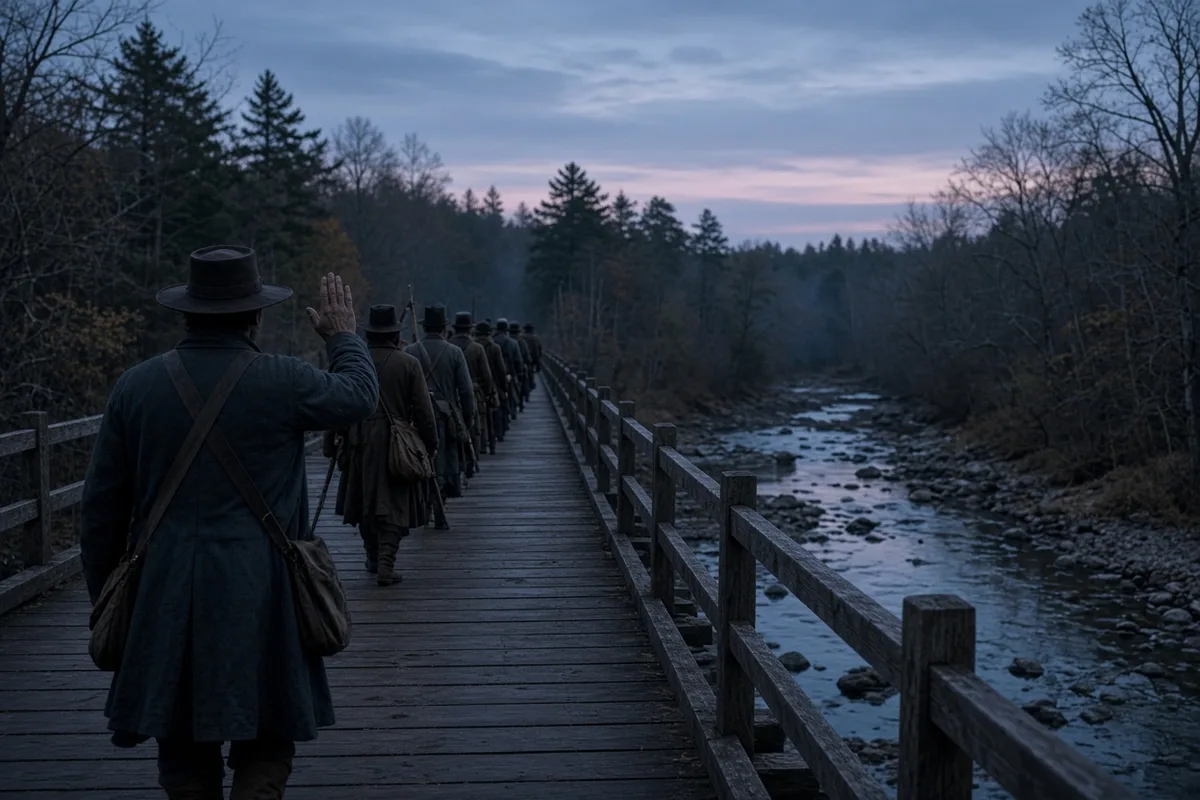
The following winter the county board of supervisors voted to cut the home’s annual appropriation from two hundred dollars to one hundred and twenty-five, a figure recorded in the minutes of the 14 January 1913 meeting. She wrote a single letter to the editor of the Auburn Citizen pointing out that seven residents still required daily nursing, and the paper printed the letter on page two under the heading “A Plea from South Street.” The board restored the original amount the next month after three ministers spoke at the public hearing.
In March the snow stayed on the ground until the seventeenth. The day after the thaw I received a telegram at the Western Union office on Genesee Street stating that the home needed an extra cord of wood because the furnace grate had cracked. When I arrived the next morning the front door stood open and the residents were already seated at the long table for breakfast. She did not come down the stairs that day or the next.
The Auburn Daily Advertiser of 11 March 1913 listed the names of the six Grand Army pallbearers: George H. Day, Charles E. Tucker, John H. Dey, William H. Bryant, Frank D. Smith, and Henry W. Slocum. Each man wore the bronze badge of the Twenty-sixth New York Volunteers. The church organist played “Nearer, My God, to Thee” on the reed organ that had been purchased in 1897 with funds raised by the Ladies’ Aid Society.
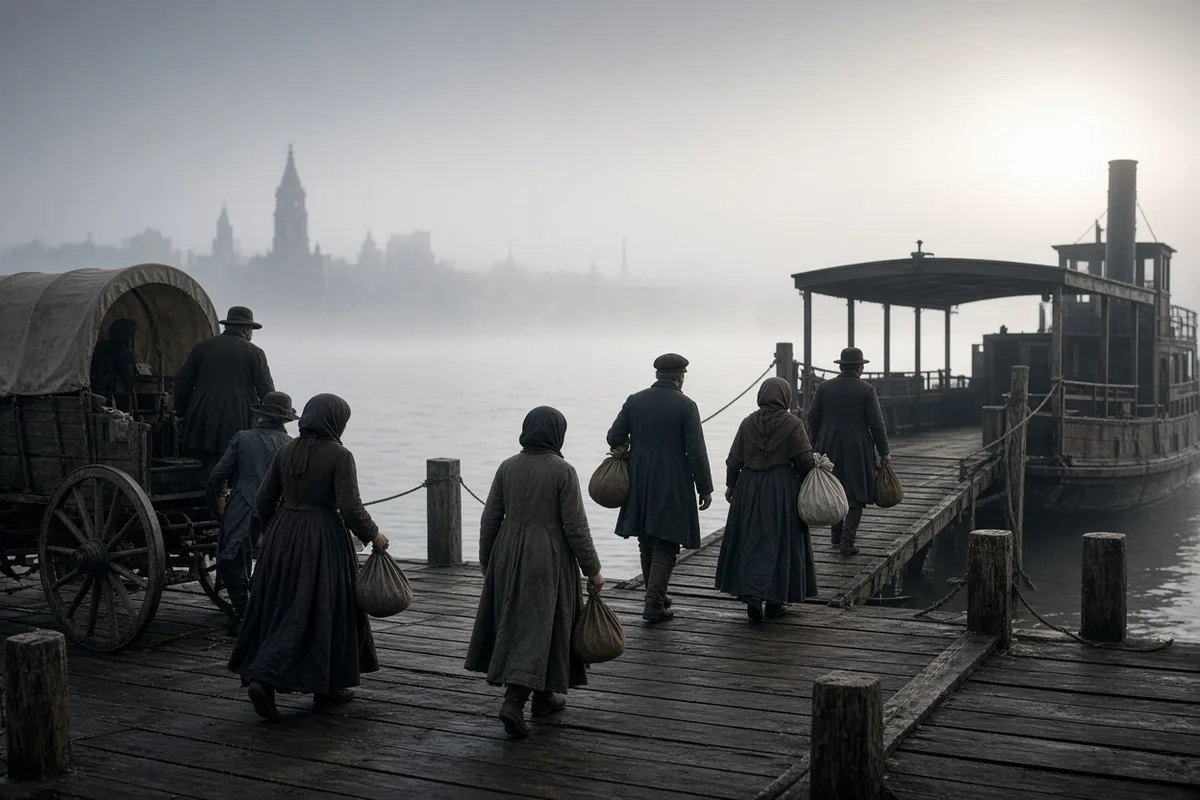
After the service I returned to the South Street house and helped carry the tin box of letters to the attic. Eliza Mitchell, who had come back for the funeral, opened the box and showed me the black thread still tied around the bundle from William Still. She said Tubman had last untied it in 1907 to read one letter aloud to a visitor from Baltimore. The letter mentioned the exact date of a meeting at Mother Bethel Church on 6 November 1856.
The house stood empty for two years until the Missionary Society of the AME Zion Church took title under a deed recorded 22 June 1915. The society installed a new roof and rented the rooms to three families, one of which included a boy named James Johnson who later became the first Black mail carrier in Cayuga County. Johnson remembered the brass doorknob on the front door still carried the polish marks from Nelson Davis’s final sanding in 1887.
In 1953 the National Council of Negro Women purchased the property for eight thousand dollars and began restoration work that included replacing the original well pump with a hand-crank model identical to the one listed in the 1908 inventory. The ledger book from those years remains on display in a glass case inside the visitor center, its final entry dated 2 March 1913 and showing a contribution of ten cents from resident Anna Johnson.
Today the twenty-five acres form the core of the Harriet Tubman National Historical Park, with the frame house, barn foundation, and well protected under the boundary map attached to Public Law 114-274. Park rangers still lead visitors along a marked path that follows the route she once walked from the porch to the street, and the three-note whistle can occasionally be heard when the wind moves through the remaining pine trees at the edge of the property.