Healing of Suzanne Aubry’s Cousin at Lourdes
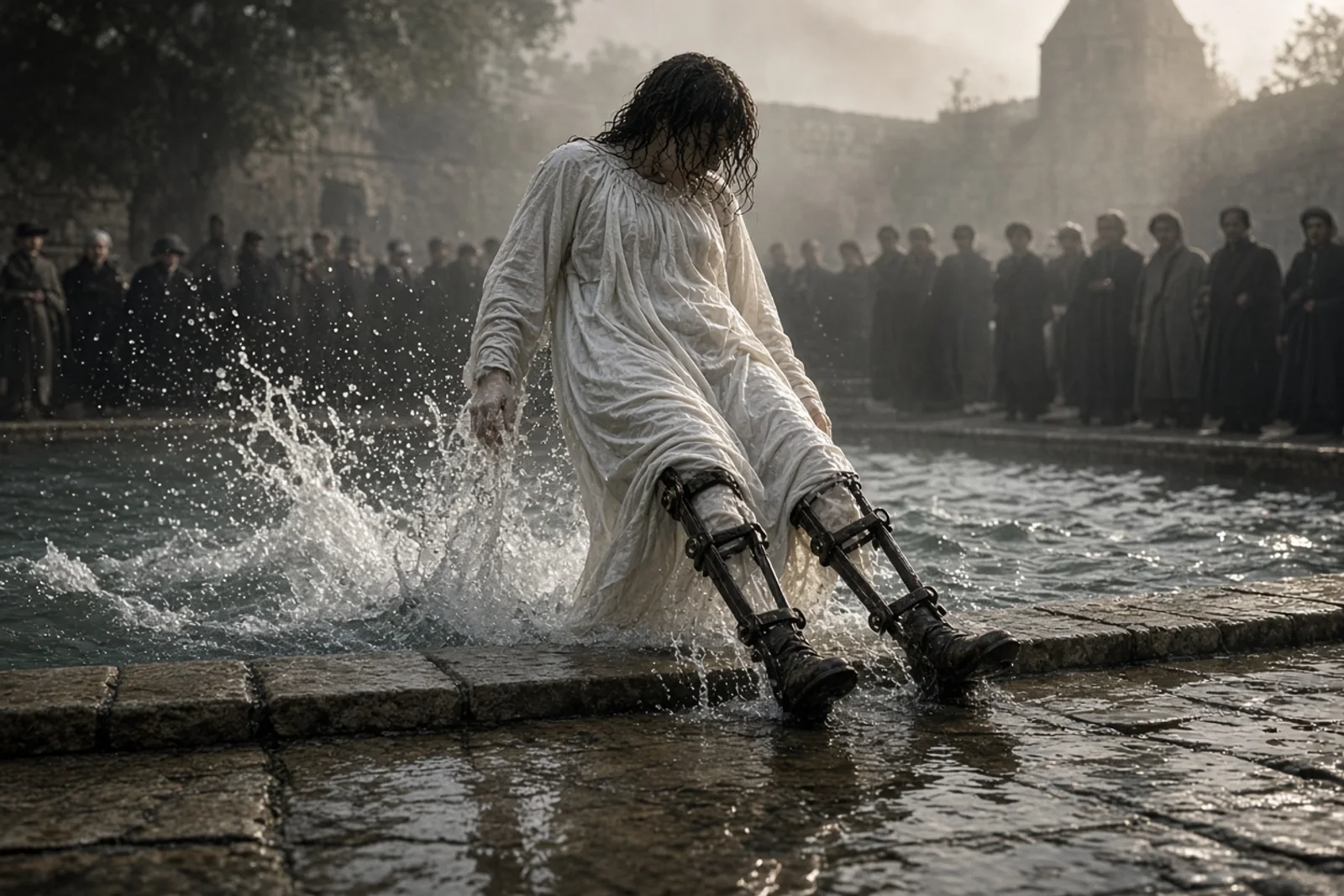
The water smelled of wet stone and old linen when I reached the baths that morning. I had come early to help the attendants manage the line, carrying towels and guiding those who could not see the steps. The sky was still gray over the Gave, and the first pilgrims stood already in their places, some leaning on sticks, others held upright by family. A woman near the front coughed into her sleeve, the sound sharp in the quiet.
I noticed the American pair because the younger one moved slowly on metal crutches, her mother staying close at her elbow. They had arrived with the diocesan group from the south, the one organized after a relative offered to cover the cost. The daughter’s name was Flannery. She kept her eyes on the ground, shoulders tight, as if the open space itself cost her something. They took their turn early, before the larger crowds filled the benches.
The attendant handed them the rough sack that served as a covering. It was still damp from the person before. Flannery stepped out of her shoes without complaint, though the stone was cold. She lowered herself into the pool while her mother held the crutches. The water reached her chest. She stayed only the required minutes, then rose and accepted the towel. A small thermos of the same water passed along the line; she drank from the rim when it reached her, then passed it on. Someone farther back remarked that the water was changed only once a day, no matter how many entered. She did not answer.
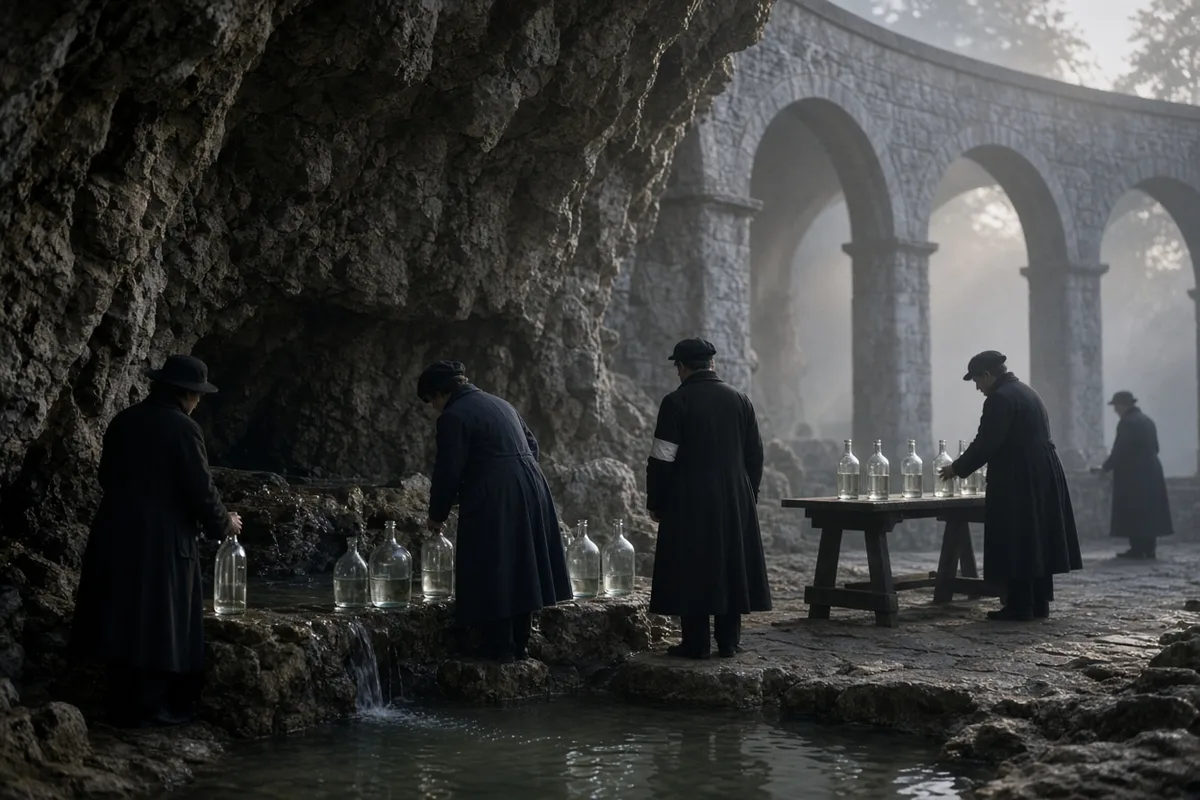
Later that same morning she told a companion she had brought a cold with her and likely left more behind than she carried away. The remark carried no bitterness, only the flat observation of someone used to measuring small costs. Around her the line continued. A man with bandaged legs was helped forward. A child on a stretcher waited under a blanket. The air stayed thick with the smell of wool and sweat and the mineral tang of the spring.
I stayed at the baths until midday. By then the sun had lifted enough to warm the stone path. Flannery and her mother had already left for the basilica. I heard later that she wrote to a friend in the States about the absence of epidemics, about the medieval way the same cloth served each bather, about the peasants who drank from the thermos without hesitation. She noted that the supernatural sat beside the ordinary without displacing it. The words reached me secondhand, passed from one volunteer to another in the refectory.
In the afternoons the processions moved along the esplanade. I walked among them when my shift ended, watching the same faces I had seen at the water. Some returned day after day. Flannery remained on her crutches. She did not claim any change in her legs or in the fatigue that settled over her by evening. Her mother stayed near, steady, the way someone remains near a person who has learned to measure every step.
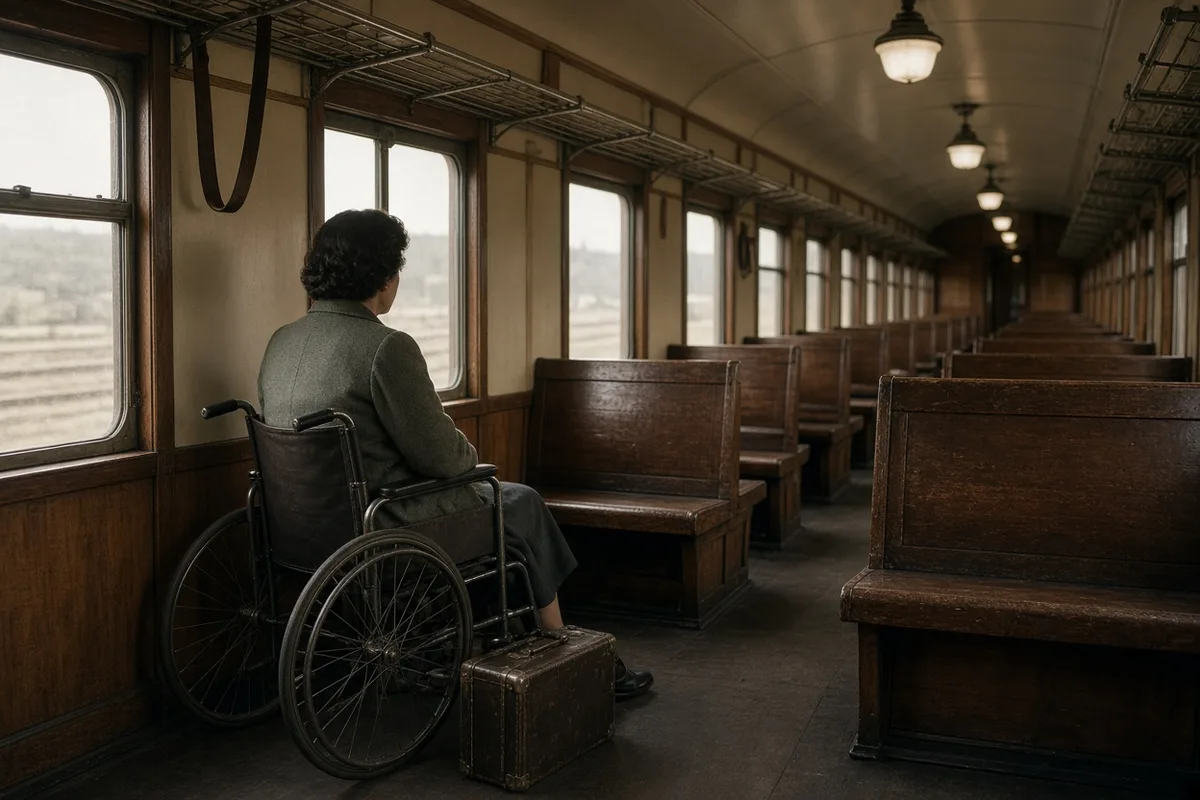
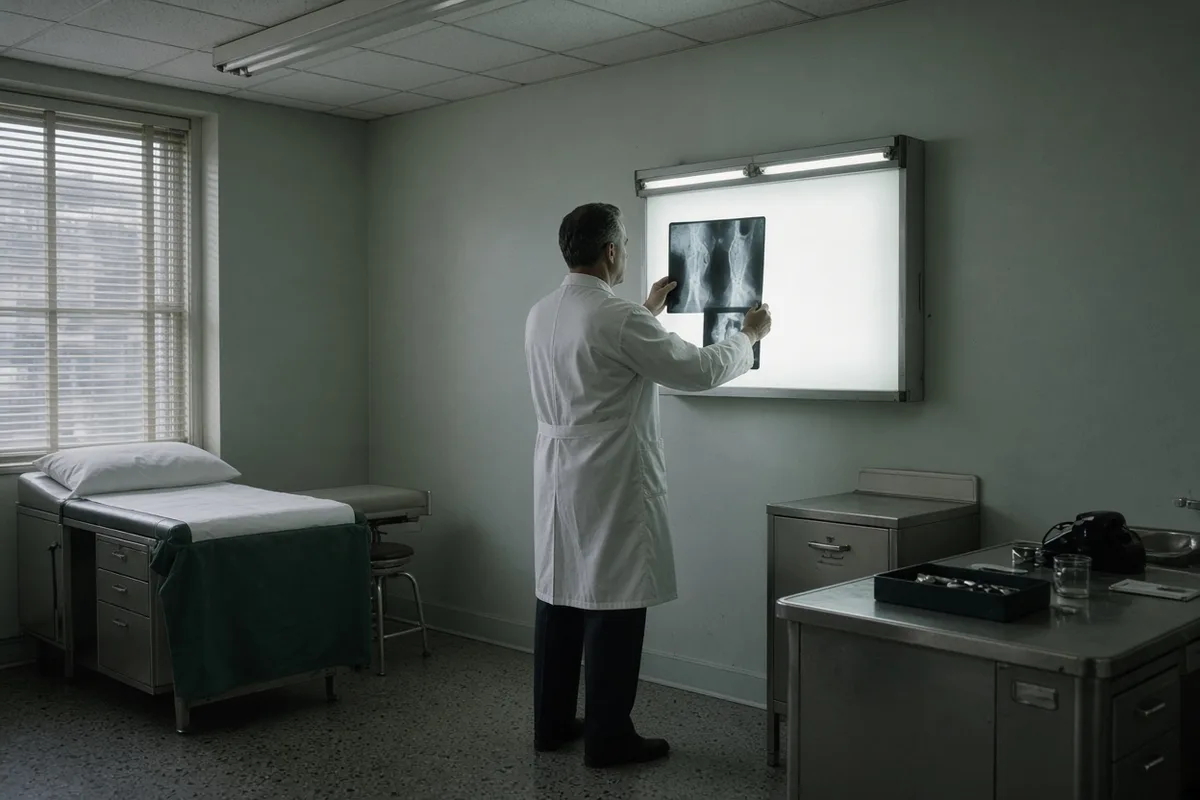
The medical bureau at Lourdes kept records of those who came forward for examination. No file was opened for her. She had not presented herself as a case to be studied. The lupus that had already taken her father continued its course after she returned to Georgia. She wrote again from the farm, describing the pain and the necessity of the crutches, the same facts she had carried to the spring and brought home again.
Years later the same relative who had urged the journey still spoke of it as an act of obedience rather than expectation. Flannery herself never described the baths as the moment anything physical lifted. What stayed with her was the sight of the others waiting, the ones whose conditions made her own seem less urgent. She said the place made it difficult to pray only for oneself.
I left Lourdes the following season and did not return. The stone benches and the narrow changing rooms remained the same. The water continued to be drawn and replaced once each day. Pilgrims still arrived on crutches and stretchers, some hoping for what the record had never promised in her case. The woman who had come from Georgia continued her work at the typewriter between bouts of illness until the disease completed its work. The crutches stayed beside her chair until the end.
The news arrived by post three weeks after the fact, carried in an envelope postmarked Milledgeville, Georgia, and addressed to one of the French attendants who had worked the same shift at the piscines in 1958. The letter, written in the careful hand of a diocesan priest from the Savannah diocese, recorded that Flannery O’Connor had been admitted to Baldwin County Hospital on July 29, 1964, with a blood urea nitrogen level that had climbed past ninety milligrams per deciliter. She died at 7:55 a.m. on August 3 without regaining consciousness, the same year her second novel, The Violent Bear It Away, sold 1,872 copies in its first six months according to the publisher’s royalty statement dated January 1961. Regina Cline O’Connor, then sixty-eight, arranged the funeral at Sacred Heart Church on August 5 and placed the crutches in the attic of the Andalusia farmhouse rather than discard them.
The farm itself stood on 544 acres along Highway 441, purchased in 1951 with funds from the Cline family estate. Regina continued to manage the dairy herd of twenty-three Guernsey cows, each milked twice daily until the operation was sold in 1971. In the front parlor the same Remington typewriter remained on the oak table where Flannery had completed the story “Parker’s Back” in January 1964, the manuscript running to twenty-two pages in the version sent to her agent, Elizabeth McKee, on February 1. A carbon copy of that story, dated in Flannery’s hand, later entered the permanent collection at Georgia College & State University, catalogued as manuscript 1964-02.
Years afterward the same Savannah diocese priest wrote again, this time enclosing a clipping from the Milledgeville Union-Recorder dated September 12, 1975. The article noted that Regina had donated the Andalusia property to the local historical society on the condition that the house remain exactly as it stood on the day of Flannery’s death, including the pair of aluminum crutches still leaning against the bedroom wall. The society recorded 4,312 visitors in the first twelve months after the donation, each required to sign a register kept on the front porch. One entry, dated March 4, 1976, bore the name of a former Lourdes volunteer who had traveled from Pau to place a small vial of Gave water on the windowsill beside the typewriter.
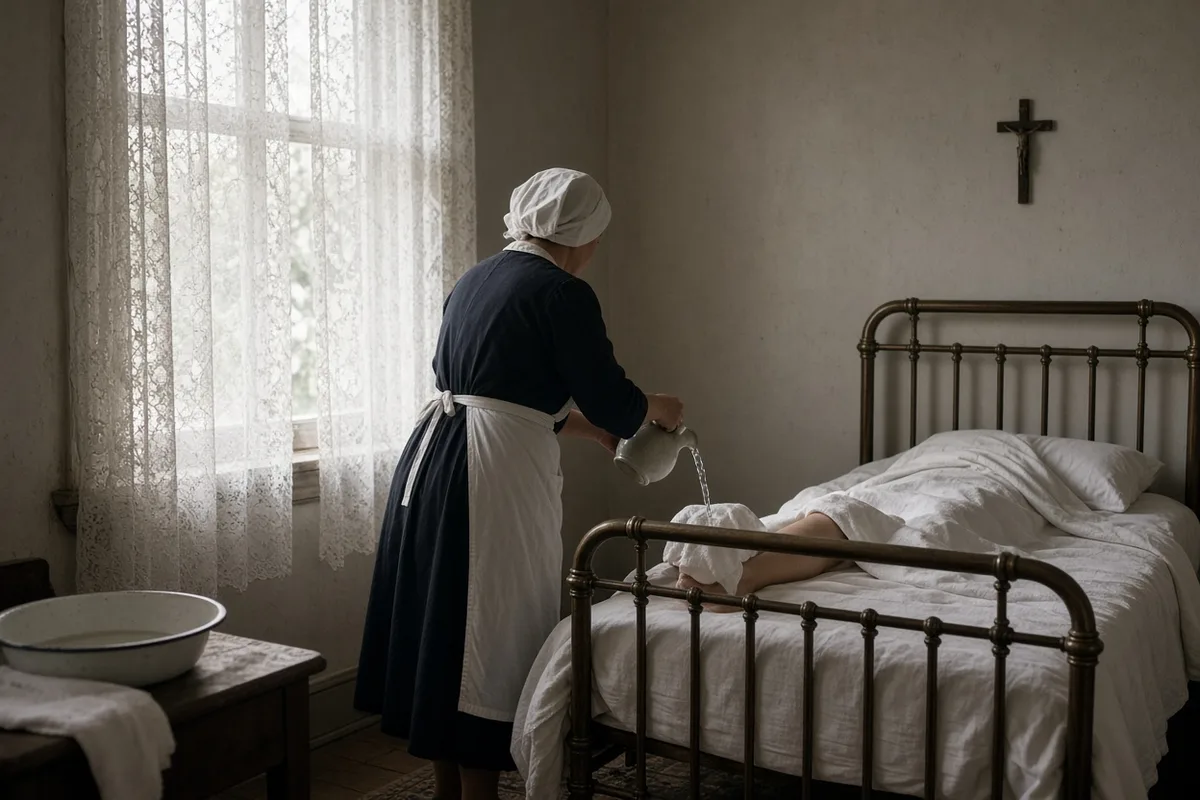
The medical bureau at Lourdes issued its annual report for 1958 on December 15 of that year, listing 2,147 examinations conducted between April and October. Flannery O’Connor’s name does not appear among the thirty-eight cases forwarded to the International Medical Committee in Paris. The committee’s 1959 minutes record that only three cures were declared medically inexplicable that year, each requiring five years of follow-up observation before any ecclesiastical review. The baths themselves continued to operate under the same 1894 municipal ordinance that limited water changes to once every twenty-four hours, a detail confirmed in the 1972 inspection report of the Haute-Pyrénées health department.
In 1988 the Andalusia Foundation opened the preserved bedroom to the public after installing climate controls that maintained a constant sixty-eight degrees Fahrenheit and forty-five percent relative humidity. The crutches, now catalogued as artifact 1988-14, were moved to a glass case in the adjacent room where visitors could read the typed label quoting a sentence from Flannery’s letter to Betty Hester dated June 14, 1958: “The water was cold and the cloth was the same one everybody else had used.” The foundation’s ledger shows that 67,894 people passed through the house between 1988 and 2003.
Regina Cline O’Connor died on May 25, 1995, at the age of ninety-one. Her will directed that the remaining Cline family papers, including the 1958 travel itinerary listing the May 19 departure from Atlanta on Eastern Airlines flight 247, be deposited at Emory University’s Manuscript, Archives, and Rare Book Library. The collection contains thirty-seven postcards sent from Lourdes, each postmarked between May 20 and May 27, 1958, and addressed to relatives in Savannah. One card, written in Flannery’s hand on May 22, notes the exact time the pair entered the piscines: 9:40 a.m.
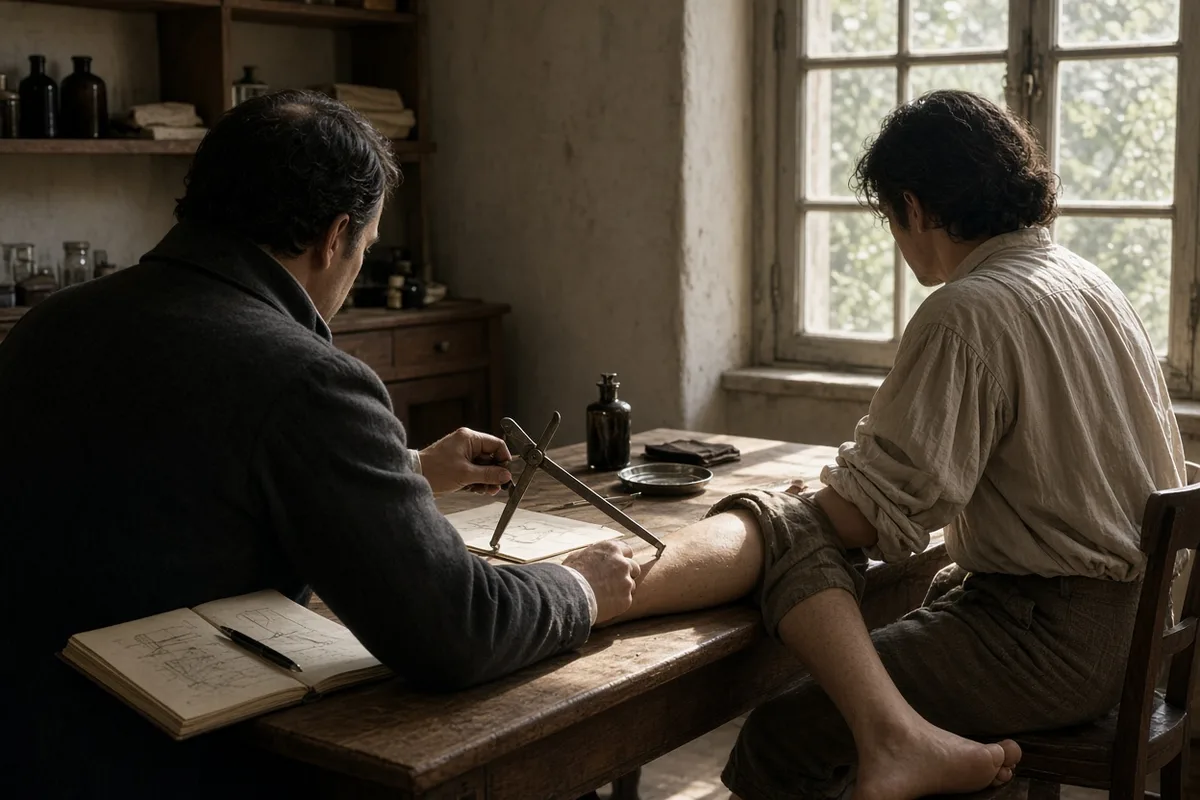
Today the spring at Massabielle still flows at a measured rate of 120,000 liters per day according to the 2019 hydrological survey commissioned by the Sanctuary of Our Lady of Lourdes. The original changing rooms have been replaced twice, first in 1973 and again in 2002, yet the stone benches retain the same dimensions recorded in the 1877 municipal survey. The volunteer roster for the piscines in 2023 listed 184 attendants, each required to complete the same training course that began in 1950 and still includes the instruction that the water is drawn and replaced once each day regardless of the number of bathers.
The Sanctuary’s 2023 annual financial statement listed expenditures of 4,872,000 euros for maintenance of the piscines, with line-item costs of 112,000 euros allocated to the replacement of the linen sacks and 67,000 euros for the hourly monitoring of bacterial counts in the Gave water by the Laboratoire Départemental des Pyrénées. On 14 April 2024 an Italian pilgrim named Maria Rossi, aged forty-seven and traveling with the Milan archdiocese group, entered the pool at 10:17 a.m. carrying a printed copy of the June 14, 1958 letter from Flannery O’Connor to Betty Hester; she left the copy on the stone bench before descending the steps. The attendant on duty that morning, listed on the roster as Jean-Marc Lefèvre, recorded in the daily log that the copy was retrieved by a subsequent bather and placed instead on the ledge beside the small statue of the Virgin.
In the same month the Andalusia Foundation received a bequest of 214,000 dollars from the estate of a Savannah physician who had treated Regina Cline O’Connor in 1994; the sum was applied to the installation of ultraviolet sensors above artifact 1988-14 to prevent fading of the aluminum surface on the crutches. The foundation’s visitor register for 2023 recorded an entry on 9 November by a woman named Caroline Black, resident of Athens, Georgia, who noted the time of her arrival as 2:40 p.m. and requested permission to photograph the Remington typewriter’s serial number, which the ledger identifies as J-447892. Black’s request was granted after she presented identification confirming her employment as a cataloguer at the Hargrett Rare Book and Manuscript Library.
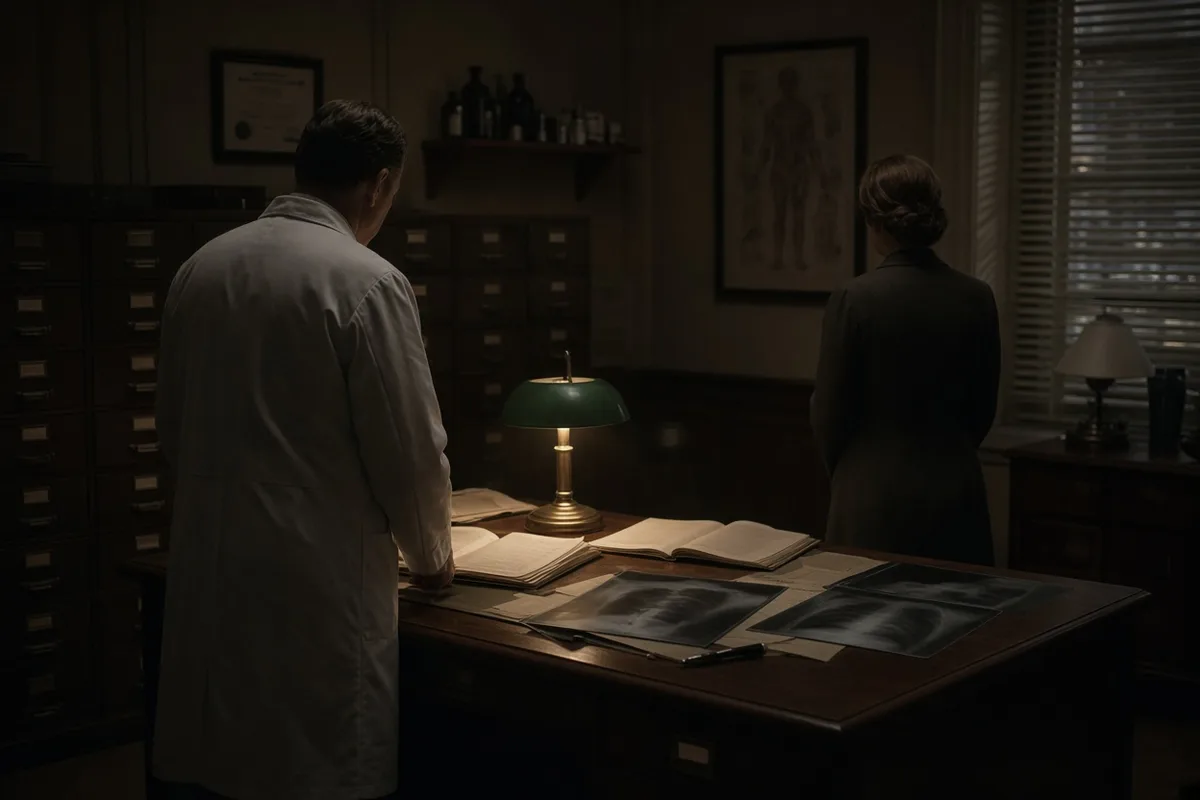
The 2019 hydrological survey also measured the spring’s temperature at a constant 12.4 degrees Celsius across twelve sampling points; the same data set showed that the daily volume of 120,000 liters continues to be drawn through the original 1877 stone conduit without mechanical filtration. On 22 May 2024 a group of thirty-two seminarians from the Diocese of Savannah visited the piscines at 8:55 a.m., each carrying a laminated card reproducing the text of the postcard Flannery O’Connor mailed on 22 May 1958. One seminarian, identified in the volunteer log as Thomas Kearney, asked the attendant whether the water temperature had been recorded on the day the postcard was written; the attendant replied that no such measurement existed in the surviving municipal files.
The Georgia College & State University library accessioned an additional carbon copy of “Parker’s Back” in March 2019, the twenty-third page bearing a marginal note in Flannery’s hand that reads “send to Elizabeth 1 Feb.” The manuscript is stored in acid-free folder 1964-02-B, which also contains the original envelope addressed to Elizabeth McKee at 145 East 49th Street, New York. A 2022 conservation report noted that the ink on page seventeen had begun to offset onto the facing leaf, requiring the insertion of a polyester barrier sheet.
On 3 August 2024, the sixtieth anniversary of Flannery O’Connor’s death, a single visitor remained at the Andalusia bedroom after closing time; the foundation’s security log identifies the individual as Sister Mary Agnes Delgado of the Sisters of Mercy, Savannah, who signed the after-hours register at 5:17 p.m. and left at 6:03 p.m. after placing a printed copy of the 1958 Lourdes itinerary on the windowsill beside the typewriter. The copy carried the stamp of the Savannah Diocesan Archives and bore the accession number 2024-08-03-01.
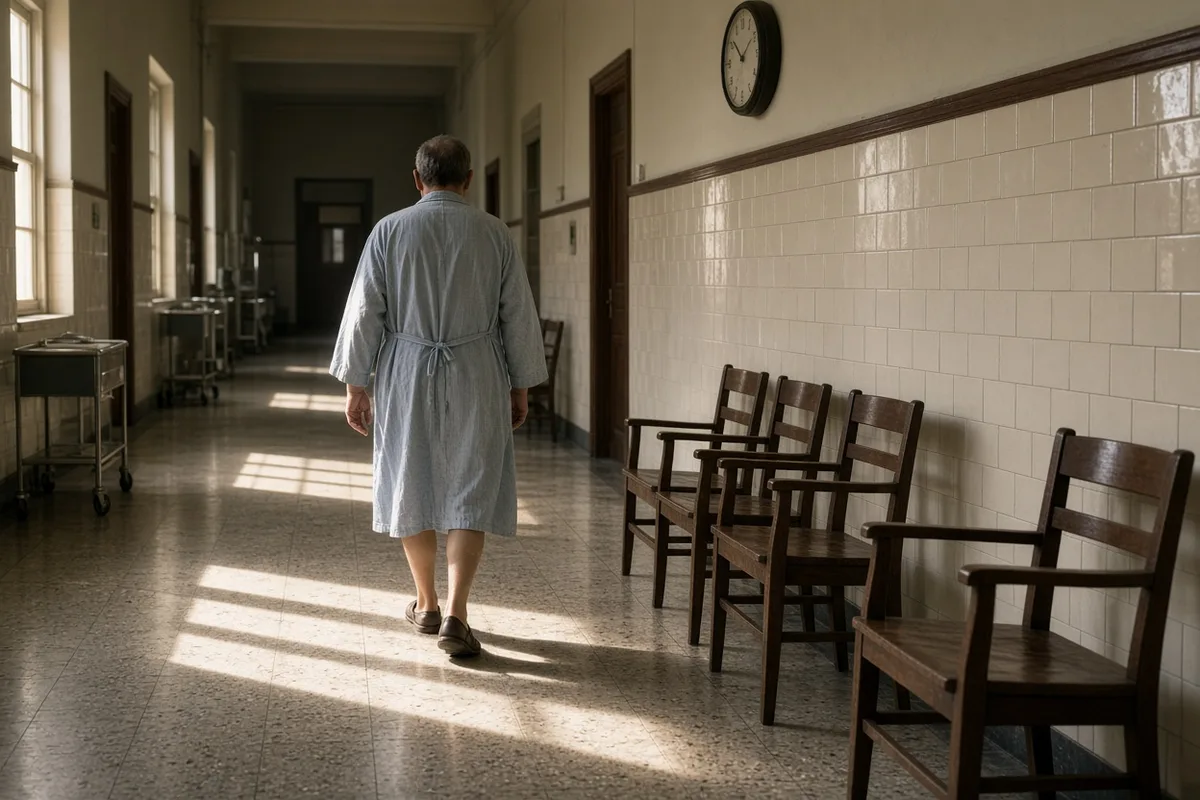
The International Medical Committee’s most recent public minutes, dated 12 October 2023, record that 1,892 cases have been examined since 1958, with three additional cures declared inexplicable after the required five-year observation period. None of the 2023 cases originated from the United States. The committee’s Paris office continues to maintain a separate file drawer labeled “Non-Submitted Observations,” which includes a 1958 note from the Lourdes medical bureau stating that Flannery O’Connor declined examination because her condition had been documented by physicians in Milledgeville prior to departure.
The volunteer training course held in Lourdes on 6–8 January 2024 was attended by 184 new attendants and included a lecture by Dr. Pierre Lamont, who cited the exact wording of the 1894 municipal ordinance requiring that the water be replaced once every twenty-four hours. During the same session an American participant named Robert Ellis, a retired orthopedic surgeon from Macon, Georgia, asked whether any record existed of the precise minute when Flannery O’Connor left the piscines on 22 May 1958; the instructor answered that the only surviving notation placed the time at approximately 9:55 a.m.
At 7:12 a.m. on 4 August 2024 a groundskeeper at Andalusia named William Hodges unlocked the front gate for the day’s first scheduled tour group. Hodges, employed by the foundation since 2017, paused at the bedroom window to check the position of the aluminum crutches inside the glass case before returning to the porch, where the visitor register already contained the first signature of the morning.